Buying Guide for the Renault Talisman: Which Engine to Choose?
Explore the Renault Talisman in the used car market. Learn about engine options, transmission choices, and essential maintenance tips to make an informed decision.

Buying Guide for the Renault Talisman: Which Engine to Choose?
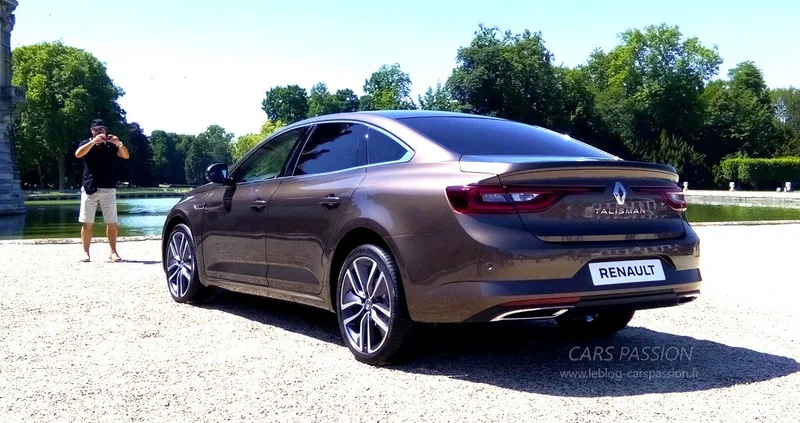
The Renault Talisman is making waves in the used car market with its distinguished appearance, spacious interior, and highly efficient chassis, enhanced by the innovative 4Control system. However, potential buyers should be cautious to avoid unexpected pitfalls.
Here are the key points to consider before making a purchase:
- Beware of the EDC Transmission: The automatic dual-clutch transmission requires complete transparency regarding its maintenance history. Regular oil changes every 60,000 km are essential. If uncertain, opting for a manual transmission is a safer choice.
- Engines to Avoid: It is advisable to steer clear of the 1.6 dCi 160 hp engine, known for its reliability issues, as well as the 1.6 TCe petrol variant.
- Recommended Choices: For frequent drivers, the 2.0 Blue dCi engine (available in more powerful variants later on) is ideal, being robust and suited for highway driving. The Phase 2 models (post-2020) offer improved finishes and electronics.
- Price Range: Entry-level prices start around €9,000 to €12,000 for high-mileage units, while newer, well-equipped versions range from €18,000 to €25,000.
The balance of style and comfort is unbeatable, but ensure you have a clear maintenance record!
Launched to enhance Renault's reputation in the family and executive sedan segment, the Renault Talisman captivates with its elegant design, generous space, and formidable chassis thanks to the 4Control (four-wheel steering) system, offering an attractive performance-to-price ratio in the used car market.
However, not all models are created equal. Concerns regarding the transmission and specific mechanical weaknesses warrant a thorough evaluation before purchase.
Manual vs. EDC Automatic Transmission: What to Choose?
One of the critical decisions when buying a used Talisman is:
- EDC Automatic Transmission: This has historically been a weak point for many models from the brand. Whether it’s the 6 or 7-speed version, users often report jerking at low speeds, premature clutch wear, and potential overheating or fallback mode issues.
- EDC Maintenance Rule: If you opt for a model with the EDC transmission, a detailed maintenance history is non-negotiable. A transmission fluid change every 60,000 km must be documented in the service records. Without this, it’s best to walk away.
- Manual Transmission: Less common (found in entry-level diesel engines like the 1.5 dCi or early 1.6 dCi 130), it proves to be significantly more durable and economical over time. For high-mileage drivers, finding a well-maintained manual option offers peace of mind.
Engines: What to Avoid and What to Prefer
Engines to Avoid
- 1.6 dCi 160 hp (Twin-Turbo): Commonly found in higher trims from the early years, this turbocharged engine suffers from a high failure rate (premature turbo failure, coolant leaks, and thermal management issues).
- 1.6 TCe (150 and 200 hp petrol): Often paired with the EDC transmission, this petrol engine has known injection sensitivities and overall reliability concerns at high mileage.
Recommended Engines
- 2.0 Blue dCi (160, 190, or 200 hp): Introduced later (especially in the restyled Phase 2 models), this is the best diesel choice for the Talisman. It is robust, designed for long-distance driving, and well-suited to the sedan's weight (just keep an eye on AdBlue system maintenance).
- 1.5 dCi 110 hp: An extremely robust and economical engine, but it shows its limits regarding acceleration when the vehicle is loaded or on the highway.
Reliability Overview: Renault Talisman (2015 – 2022)
1. Common Issues and Recurring Failures
- EDC Transmission: Jerking, slipping, premature clutch wear, and hydraulic block malfunctions (mechatronics).
- Electronics and R-Link: Frequent bugs with the touchscreen, GPS crashes, erratic rearview cameras, and issues with driver assistance systems.
- 4Control Rear Suspension: Possible noises from friction, creaking, or play in the links and silent blocks at high mileage.
- Pollution Control (Diesel): EGR valve and DPF clogging, especially with urban driving, and occasional alerts on the AdBlue system management for Blue dCi engines.
2. Recommended Model Years
- Prefer Phase 2 (from late 2020): Major early electronic issues, finish problems, and initial engine block weaknesses have largely been addressed during the facelift. Additionally, interior ergonomics and lighting have been modernized.
- If considering a Phase 1 (2015-2018), demand a complete service history from an authorized dealer and prioritize models that have undergone official recall campaigns (particularly for the suspension and wiring).
3. Observed Price Range in the Used Market
- Entry-Level (2015-2017, > 150,000 km): Between €9,000 and €13,000. (Risky purchase, ensure to check the condition of the EDC clutch and turbo).
- Mid-Market (2017-2019, 80,000 – 120,000 km): Between €13,000 and €18,000. (Best price compromise if the history is clear).
- Latest Models / Recent Phase 2 (< 80,000 km): Between €19,000 and €25,000+ depending on trim level (Initiale Paris) and the 2.0 Blue dCi engine.
What type of daily driving do you prioritize (city, small roads, or long highway trips) to best guide your engine choice?