Toyota at the Top: Why the Japanese Giant is Reducing its Model Lineup Despite Record Sales
Updated Toyota Land Cruiser 70. Source: Motor1 While competitors are trying to catch up with Toyota in sales volumes, the Japanese company has decided that being the "largest" is no longer enough. The new...
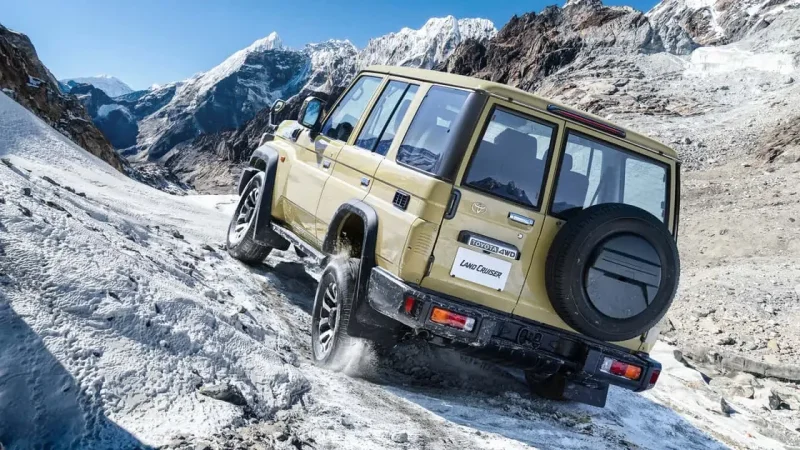
Updated Toyota Land Cruiser 70 SUV. Source: Motor1
While competitors are trying to catch up with Toyota in sales volumes, the Japanese company has decided that being the "largest" is no longer enough. The new CEO Kenta Kon is taking scissors to cut away the excess and focus on what truly brings profit. Despite record figures, the company is preparing for a major cleanup in its engineering departments.
Toyota finished 2025 with a result of 10,536,807 vehicles sold, including the premium brand Lexus. This is a 3.7% increase compared to 2024, allowing the Japanese automaker to maintain its global crown for the sixth consecutive year. However, the new leader, who succeeded Koji Sato, believes that the R&D (Research and Development) structure has become too cumbersome and inefficient.
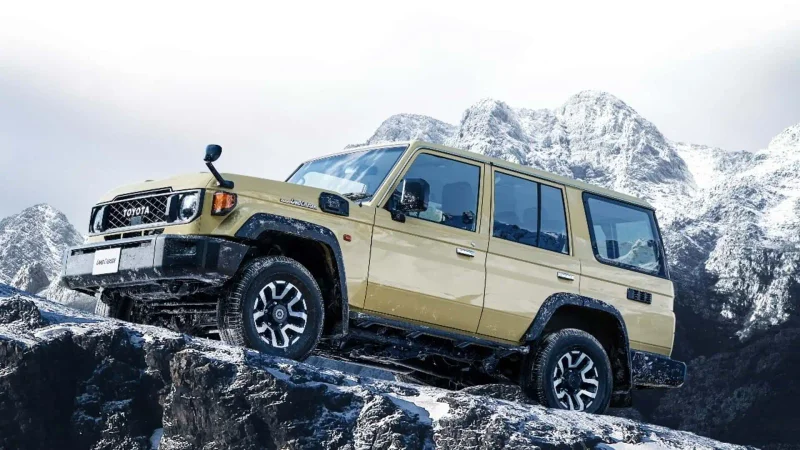
A classic SUV in a modern rendition. Photo: Motor1
Efficiency Over Quantity
Kenta Kon is convinced that engineers are spending too many resources on endless specifications and model variations that do not provide real value. Instead of spreading themselves thin across hundreds of derivatives, the company plans to narrow its model lineup. This will help reduce costs and accelerate the introduction of truly important innovations.
If you look into the development department, you will see the problem: the number of specifications and variants is increasing, and along with them, costs. We need to carefully review those areas where work is being done inefficiently.
The first high-profile casualty of the new strategy was the Lexus LF-ZC project. This electric sedan, which was supposed to be the technological flagship, has officially been postponed. The reasons include fluctuations in demand for electric vehicles and the complexity of the production cycle. Management decided not to risk huge budgets for a model whose market success is in doubt.
Timeless Classics vs. "Trendy" Trends
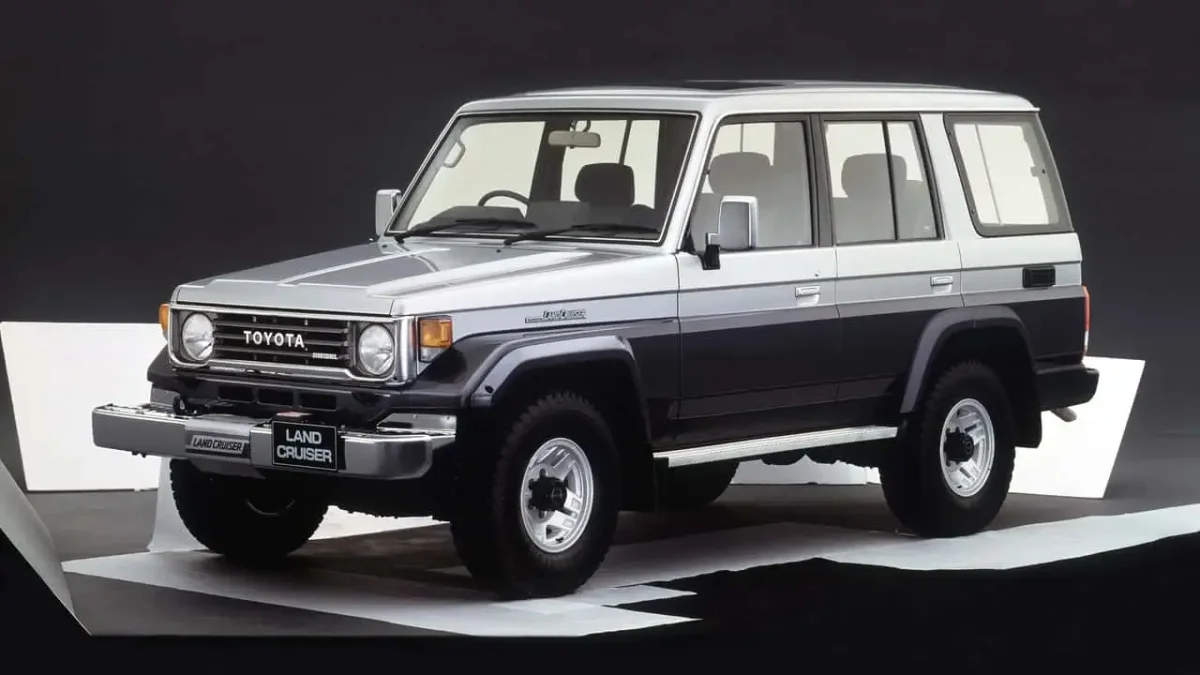
While modern electric cars are being cut, true veterans remain in the lineup. The best example is the Land Cruiser 70 Series. The model, introduced back in 1984, continues to sell successfully in Australia and Japan. Despite its 42-year age, this virtually indestructible SUV remains in demand, and Toyota is in no rush to retire it. This is a clear demonstration that true value for the customer is more important than marketing "freshness."
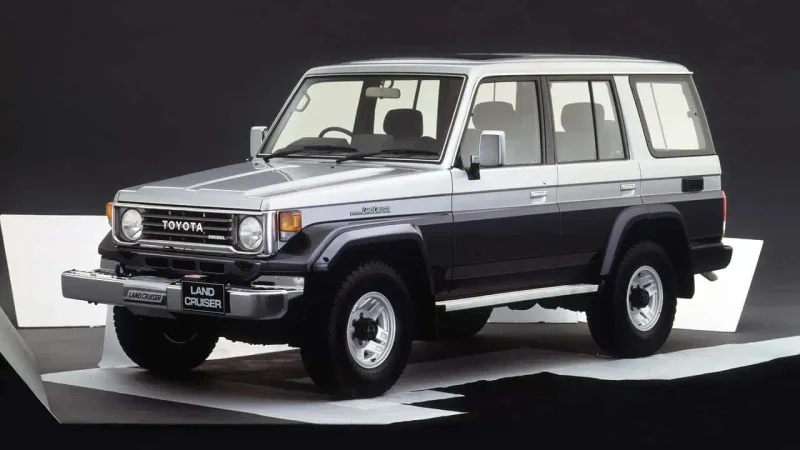
Toyota Land Cruiser. Photo: Motor1
The company's priority remains to increase production capacity for hybrids. Kenta Kon emphasized that Toyota does not intend to abruptly abandon internal combustion engines. Gasoline, hybrid, and diesel versions will remain in the lineup, as demonstrated by the updated Hilux. Akio Toyoda, chairman of the board, continues to insist that the share of electric vehicles in the world will not exceed 30%, so betting on a variety of powertrains is the only correct approach.
While other automakers struggle with overproduction crises, Toyota is trying to find a balance between tradition and the need for optimization. It seems that the era of "cars for everyone" in Japanese execution is becoming more pragmatic.
As the Japanese optimize their model lineup, European giants are facing much more complicated times — the Volkswagen board has openly discussed the threat to the very existence of the company.