
Why Does My Car's Air Conditioning Blow Warm Air?
A malfunctioning air conditioning system can turn summer drives into a challenge. Discover the common causes of warm air blowing from your car's AC and how to address them.
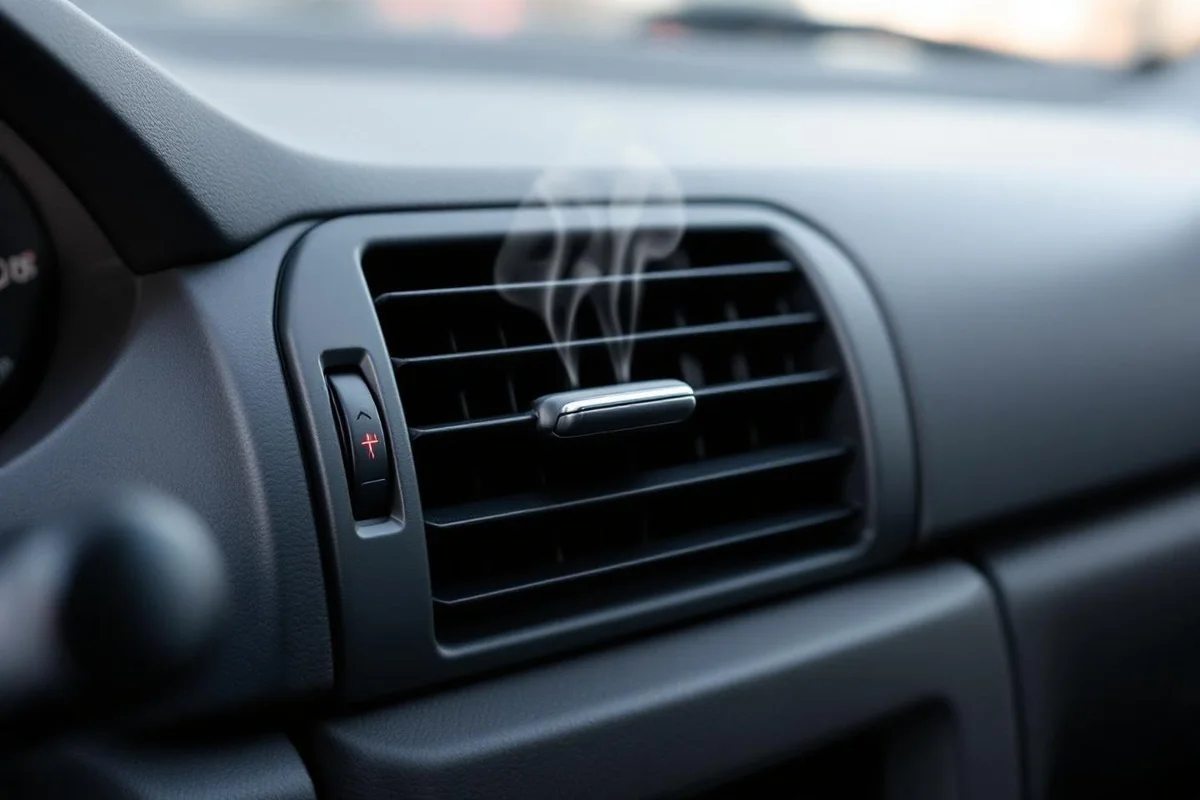
As summer heat sets in and temperatures soar beyond 30°C, a car's cooling system becomes essential for comfort. However, many drivers face the frustrating issue of air conditioning that only emits warm air. Industry statistics reveal that nearly 35% of vehicles older than five years experience decreased cooling efficiency, making commutes particularly uncomfortable, especially in urban traffic where natural ventilation is insufficient. A properly functioning system should produce air temperatures between 5°C and 8°C within minutes of activation.
The malfunction can present itself in various ways: a steady stream of warm air, alternating between cool and warm air, or a complete lack of response. Identifying the source of the problem is crucial to apply the right fix. Just like any other mechanical component of our vehicles, whether it’s related to ESP/ASR fault causes or other electronic anomalies, a thorough diagnosis is essential before taking any action.
Technical Origins of Poor Cooling Performance
Insufficient refrigerant levels account for the primary cause in 60% of cases, according to industry professionals. This fluid naturally evaporates over time, with an average loss of 15% every two years. Manufacturers recommend checking the system every 24 to 36 months to maintain optimal performance. A leak in the circuit can significantly accelerate this loss, whether at the connections, hoses, or the condenser located at the front of the vehicle.
We must also monitor the compressor's condition, which is the heart of the system that compresses the refrigerant for cooling. When it fails to operate correctly, the air temperature remains high despite activating the control button. Symptoms include the absence of the characteristic click at startup or unusual noises during operation. This component undergoes gradual wear, especially if not used during colder months.
Blockages within the circuit also limit performance. The condenser can accumulate debris, dust, or pollen, which reduces its heat dissipation capacity. Similarly, a blocked expansion valve disrupts the necessary pressure regulation for the thermodynamic cycle. These invisible issues require a thorough inspection with specialized equipment, sometimes involving fluorescent tracers to locate microscopic leaks.
| Defective Component | Main Symptom | Frequency | |---------------------|----------------------------------|------------| | Refrigerant | Gradually less cool air | 60% | | Compressor | No cooling | 20% | | Blocked Condenser | Reduced efficiency at idle | 12% | | Electrical Issue | Intermittent operation | 8% |
Identifying Warning Signs of the Cooling System
Often, we notice that the temperature remains stable even after several minutes of operation. This situation frequently occurs when the vehicle is stationary or moving slowly, as the outside airflow does not sufficiently pass through the condenser. Conversely, on the highway, the system may appear to function correctly due to the forced ventilation created by speed.
Intermittent behavior typically indicates more complex electronic or mechanical failures. When the air alternates between cool and warm, we suspect a defective temperature sensor or a periodically stuck expansion valve. These fluctuations suggest that the system is trying to compensate for an imbalance without achieving lasting results. Such failures require special attention as they may mask multiple simultaneous anomalies.
The absence of any response is the most concerning signal. When we activate the control without noticing any change in airflow, temperature, or compressor noise, we are facing an electrical or electronic failure. This situation necessitates a computer diagnosis to check the sensors, relays, and fuses in the circuit. Just like when a check engine light comes on, modern onboard electronics require specific reading tools.
Maintenance and Repair Interventions
First and foremost, we recommend checking the cabin filter, an often-overlooked component that directly influences airflow. Replacing it every 15,000 to 20,000 kilometers not only enhances the feeling of coolness but also improves the quality of the air we breathe. A clogged filter can block up to 50% of the airflow, giving the impression that the system is malfunctioning when it is actually producing cold air.
Recharging the refrigerant should be entrusted to a professional equipped with the necessary precise recovery and measurement tools. Consumer kits pose significant risks, including circuit overload, moisture contamination, or compressor damage. A specialized mechanic will first vacuum the system to remove air and moisture, then inject the exact amount prescribed by the manufacturer.
To keep the system in good condition, we should adopt these preventive practices:
- Activate the air conditioning for 10 minutes each week, even in winter.
- Regularly use the defrost mode to prevent humidity.
- Ensure there are no obstructions in front of the condenser.
- Schedule an annual disinfection of the circuit.
- Check performance before each summer.
Disinfecting the circuit eliminates bacteria and mold that colonize the evaporator, responsible for unpleasant odors. This operation, performed with a specific product sprayed into the ducts, also improves the thermal efficiency of the system. We often observe that neglected vehicles can harbor significant microbial colonies, particularly in humid regions.
Preventing Future Circuit Failures
Regular maintenance is the best protection against costly breakdowns. We find that 80% of failures could be avoided with proper upkeep. Since the introduction of the first automotive air conditioning systems in the 1960s, their complexity has continued to increase, making professional maintenance even more necessary. In 2024, modern vehicles incorporate automatic systems that adjust temperature based on multiple parameters.
We must remain vigilant for the first signs of performance decline. A gradual decrease in coolness often indicates a slow refrigerant leak, which is easier to fix before the system becomes completely empty. In this case, the cost of intervention remains moderate compared to the replacement of a damaged compressor caused by running dry. For models known to have specific weaknesses, such as the air conditioning issue in the Scenic 3, heightened vigilance is warranted.
Choosing a qualified professional makes all the difference in the durability of repairs. We prioritize workshops equipped with modern recharge stations compliant with environmental standards, capable of handling various types of refrigerants used since the 2000s. These facilities also possess the necessary electronic diagnostic tools to analyze the climate management systems of recent vehicles.