The Ultimate Guide to Road Tripping Across Europe
Exploring Europe by car offers a unique travel experience. This guide covers essential tips for navigating laws, budgeting, and ensuring vehicle safety for an enjoyable journey.
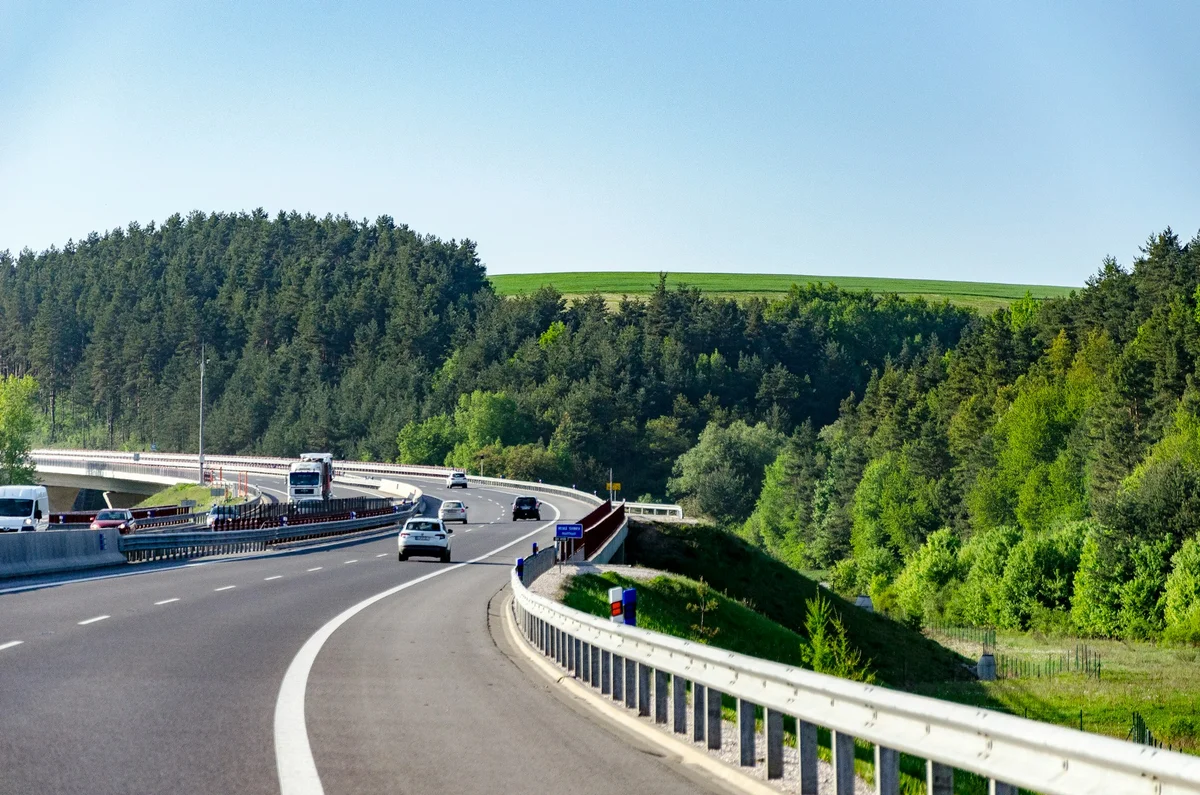
Embarking on a road trip across Europe is one of the most rewarding ways to travel. It allows you to explore hidden villages not covered in tourist guides, change your itinerary on a whim, and carry your luggage without weight restrictions. However, such a cross-border journey requires meticulous logistical planning. Traveling through multiple countries means navigating varying laws, diverse road infrastructures, and the potential for breakdowns far from home. To ensure your road trip remains enjoyable, it’s essential to prepare according to a few key guidelines.
Understand Local Laws and Toll Systems
A common misconception is that driving regulations are uniform across Europe simply because it is one continent. Speed limits, permissible blood alcohol levels, and mandatory vehicle equipment can differ significantly from one country to another. For instance, Germany mandates winter tires as soon as conditions become slippery, while Spain requires two warning triangles in the trunk.
Payment methods for highways can also vary dramatically. France employs traditional toll booths, whereas several Central European countries like Austria, Switzerland, Slovakia, and Slovenia require the purchase of a vignette (which can be digital or sticker-based) before using their road networks. Driving without this essential pass can result in hefty electronic fines. Take the time to list each country you will pass through to purchase your vignettes online in advance and familiarize yourself with local driving regulations.
Ensure Your Vehicle is in Good Condition
A journey spanning thousands of kilometers can put significant strain on your vehicle’s engine and wear parts, especially when traversing mountainous regions such as the Alps or the Pyrenees. Breaking down on a foreign highway can quickly ruin a vacation and lead to expensive towing costs. A thorough mechanical check is essential two weeks before departure.
Do not simply check the oil level; inspect the braking system, suspension condition, and lighting functionality. If you need to replace filters, bulbs, or wipers before hitting the road, ordering your spare parts from a specialized site like https://www.winparts.fr/ can help you get the right materials for your vehicle model without exceeding your travel budget. Taking care of these minor repairs in advance allows you to drive with peace of mind and avoid searching for an emergency garage in a language you may not speak.
For French drivers, it’s also advisable to review the extent of coverage under your car insurance policy. Ensure that international assistance is included and that your destination country is not marked as excluded on your third-party payment card.
Manage Your Budget on the Road
The total cost of a European road trip can escalate quickly if daily expenses are not monitored. Fuel often represents the largest expense. Prices at the pump can vary widely from one country to another; filling up in Spain or Poland is typically more economical than in France or Italy. Consider using mobile apps that compare prices to find the cheapest gas stations off major highways.
When it comes to accommodation and food, the flexibility of having a car is a significant advantage. Instead of booking expensive hotels in city centers, consider staying in outlying areas with free parking or camping if you are traveling in the summer. Additionally, shopping at local supermarkets for picnic supplies can allow you to sample regional products at a lower cost while saving your budget for trying traditional restaurants in the evening.
Plan Your Stops Without Overloading Your Schedule
A common pitfall during road trips is the desire to see too much in too little time. Driving for five or six hours a day over two weeks can lead to dangerous fatigue and diminish the joy of exploration.
The golden rule for a successful road trip is to limit driving time to two or three hours per day or to set aside entire days without driving. Utilize navigation apps to discover scenic backroads instead of sticking solely to monotonous highways. By traveling at a slower pace, you reduce fuel consumption, ease the strain on your vehicle, and allow for spontaneous stops whenever a beautiful landscape or monument catches your eye around a bend.