Alpine A110 Electric: Upholding the Spirit of Sports Cars
Alpine is evolving its iconic A110 model into an electric sports car. The new A110 electric debuted at Goodwood Festival of Speed, showcasing its lightweight and agile design while preserving the brand's heritage.
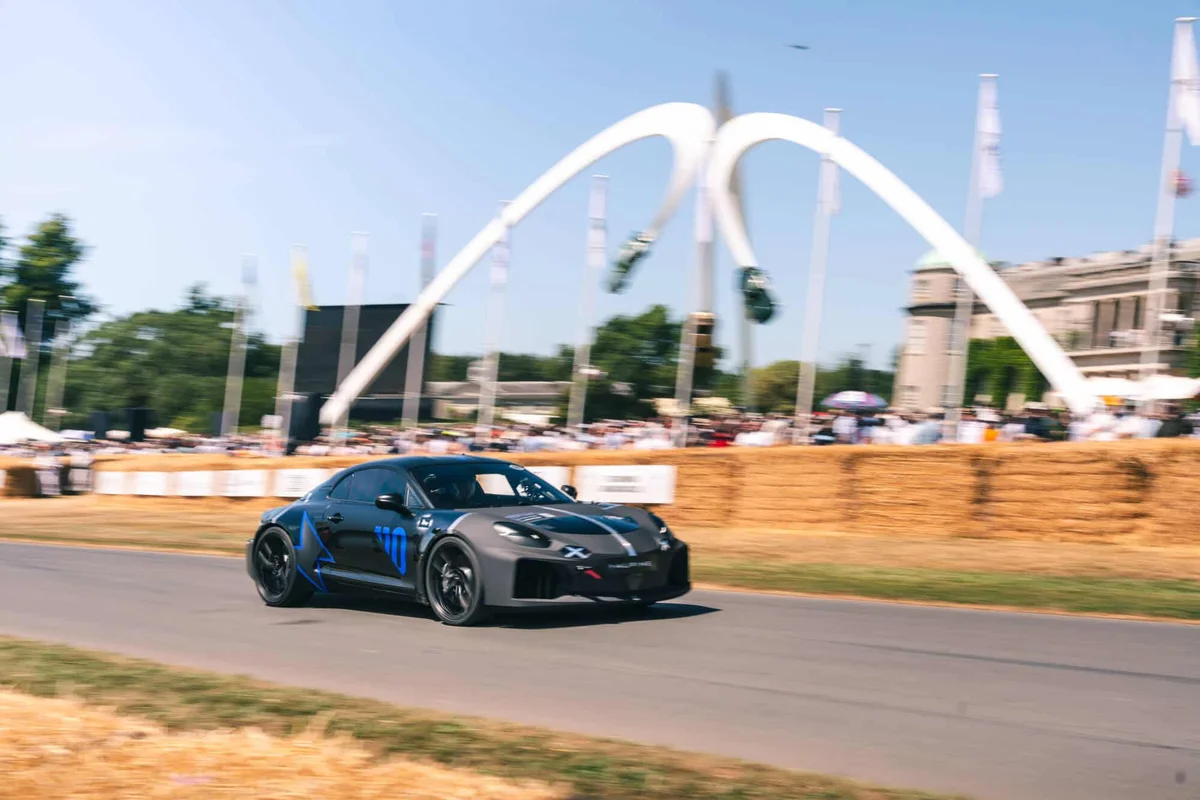
Alpine is embarking on a historic evolution of its iconic model. The upcoming A110 electric made its dynamic debut at the Goodwood Festival of Speed, with Pierre Gasly behind the wheel. Still in development, this new berlinette aims to demonstrate that an electric sports car can remain lightweight, agile, and true to the brand's spirit.
Transitioning to electric power presents a significant challenge for Alpine. Following the introduction of the A290, the brand's first electric sports car derived from the Renault 5, and the SUV A390, the French manufacturer is now tackling a model that holds even greater symbolic value: the A110.
The next generation of the berlinette will not merely replace its internal combustion engine with an electric motor. Alpine intends to retain the core elements that have contributed to the success of the current A110: a controlled weight, dynamic handling, and driving sensations that enthusiasts expect.
A Public Debut at the Goodwood Festival of Speed
Before its official presentation slated for later, the Alpine A110 electric took its first public laps at the renowned Goodwood Festival of Speed in the UK.
This event has become a key venue for automotive manufacturers eager to showcase their sportiest models. With demonstrations on the famous hill climb and a gathering of numerous car enthusiasts, the setting was perfect for Alpine to unveil the capabilities of its prototype for the first time.
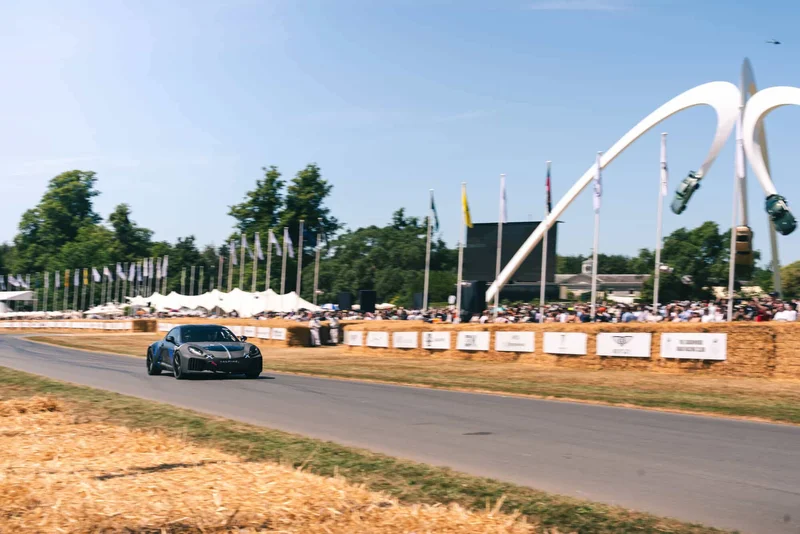
For this event, Pierre Gasly, driver for the BWT Alpine Formula One Team, took the helm of the forthcoming electric sports car. This move underscores the connection between Alpine's competitive program and its production vehicles.
A Purpose-Built Electric Architecture
To facilitate this transition, Alpine is leveraging a specific architecture known as the Alpine Performance Platform (APP). This platform was designed from the ground up to accommodate an electric sports car rather than merely modifying an existing foundation.
One of the key innovations involves the integration of the battery. It features a unique configuration with two distinct modules, positioned at both the front and rear of the vehicle. This arrangement is intended to enhance weight distribution and maintain a driving position similar to that of the current A110.
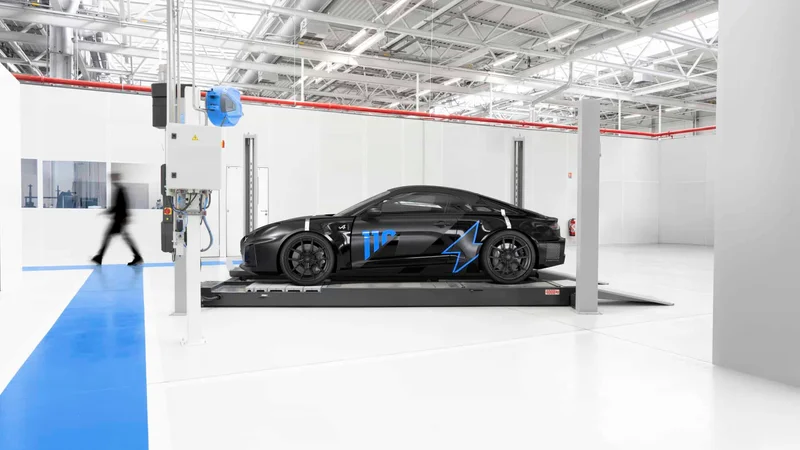
The Cell-to-Pack technology employed allows for the direct integration of cells into the vehicle's structure. This not only minimizes space requirements but also contributes to increased chassis rigidity, a critical factor for a sports car.
An All-Wheel Drive System with Rear-Wheel Bias
Beneath its exterior, the A110 electric will be built on an ambitious mechanical setup. Alpine plans to equip the car with two electric motors to provide all-wheel drive, with the rear motor effectively split into two to function as an active differential. However, power management will be designed to preserve the feel of rear-wheel drive. About 75% of the power will be directed to the rear wheels, while the front will receive the remaining 25%.
This configuration aims to maintain a dynamic and playful driving experience while offering improved traction when needed.
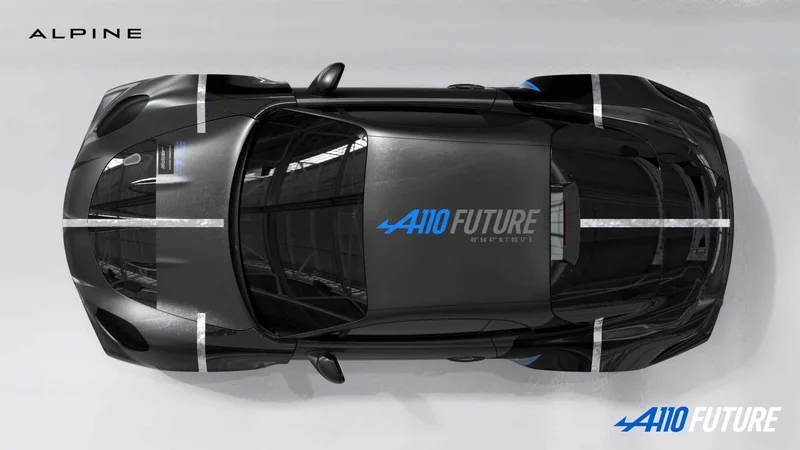
Additionally, the electric system will utilize an 800-volt architecture, a technology that enhances charging performance and meets the demands of a modern sports car.
A New Chapter for Alpine
With the A110 electric, Alpine is playing a crucial role in its future. The brand aims to show that electrification does not necessarily equate to the loss of driving pleasure. While many sports cars adopt electric powertrains that often lead to increased weight, Alpine is pursuing a different approach that emphasizes agility and driving sensations.
The official unveiling of the production version is highly anticipated, as it will need to confirm whether this new generation can retain the DNA that has made the A110 one of the most beloved French sports models in recent years.