Renault Megane E-Tech: Enhanced Range and Lower Prices for the Electric Compact
Renault updates the Megane E-Tech electric vehicle with a new battery, improved range, and lower prices, making it a more appealing option in the compact electric segment.
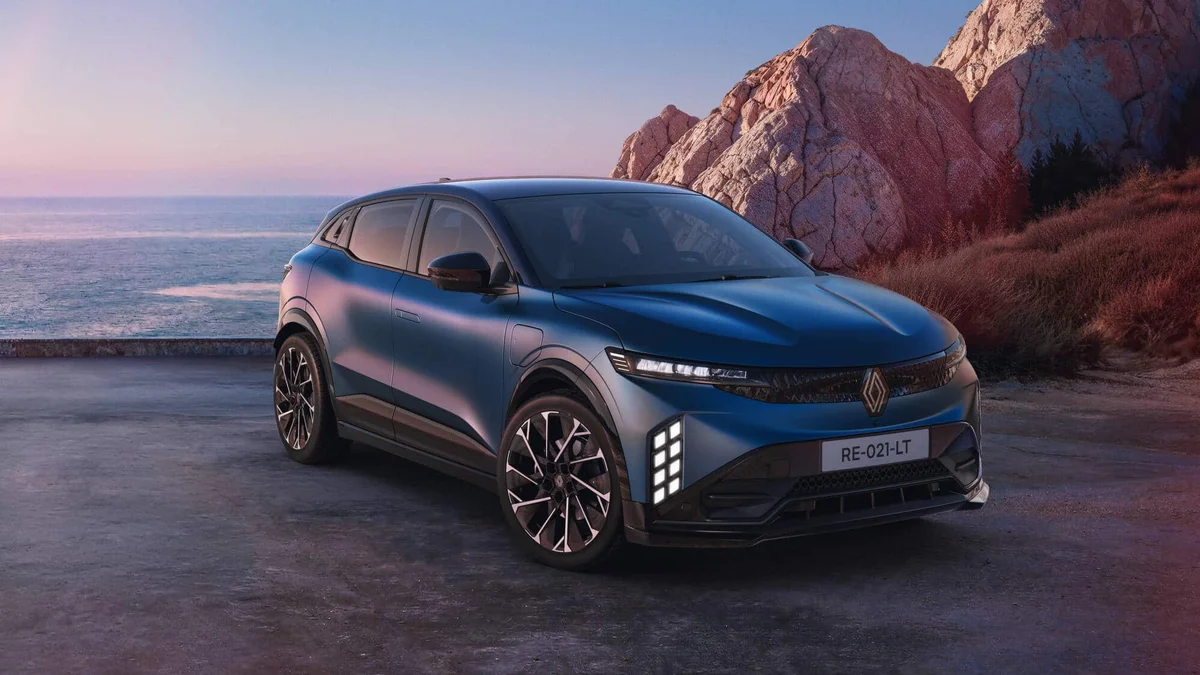
Renault has reworked its Megane E-Tech electric vehicle, introducing a new battery, improved range, and faster charging capabilities. The most surprising aspect of this update, however, is the reduction in pricing, making the compact electric car more accessible than before.
A More Affordable Megane E-Tech
In conjunction with this update, Renault has strategically lowered the prices of the Megane E-Tech across its entire range. Unlike many models that see price increases with technical enhancements, the Megane E-Tech is now more competitively priced.
The entry-level Techno variant is now available for €37,500, which is a reduction of €2,000 from its initial launch price. Additionally, the higher-end Esprit Alpine trim has also seen a price drop, now starting at €40,500, down from €41,500.
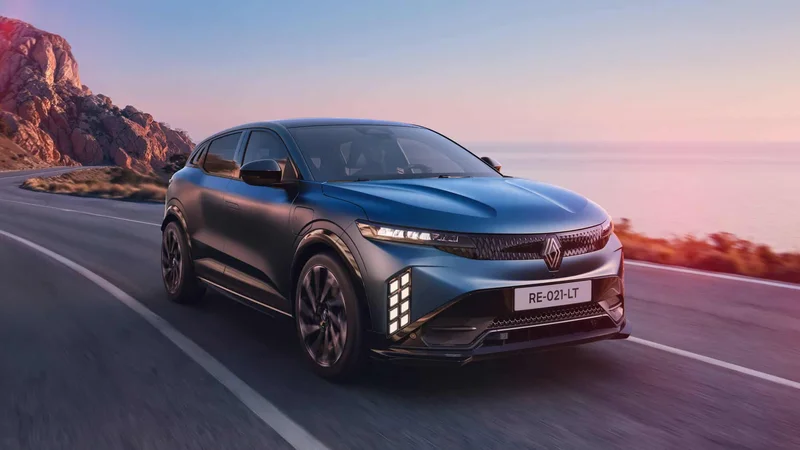
The new generation of the Megane E-Tech benefits from a battery produced in Europe, making it eligible for enhanced financial aid through the Energy Savings Certificates (CEE), commonly referred to as “coup de pouce.” With potential assistance starting at €4,830, the effective entry price for the Megane E-Tech could fall to €32,670, presenting an attractive option in the compact electric segment.
Range Exceeding 500 km
The most significant upgrade pertains to the battery technology. Renault has shifted from the previously used NMC technology to a new LFP battery with a capacity of 67 kWh. This change has resulted in an improved range, now reaching 501 km according to the WLTP cycle.
While the increase of 33 km over the previous version may seem modest, crossing the symbolic threshold of 500 km is a crucial selling point in promoting electric vehicle adoption.
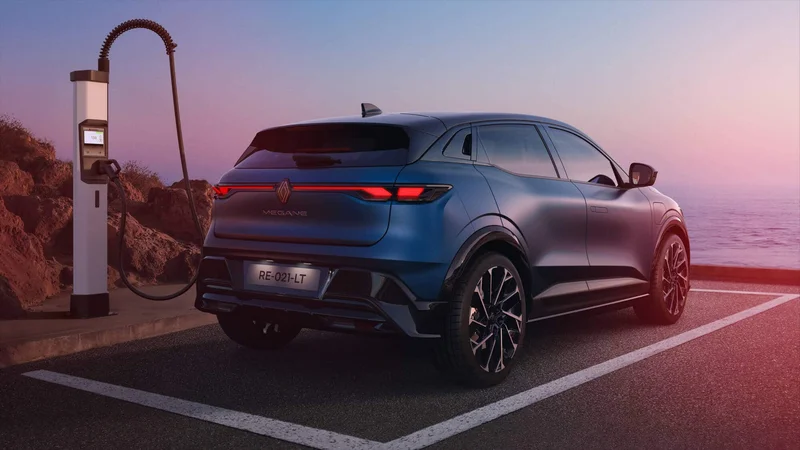
Charging times have also improved. It now takes just 24 minutes to charge from 15% to 80% on a rapid charger, down from 33 minutes previously. The maximum charging power has increased from 130 kW to 165 kW, bringing the Renault closer to the segment leaders.
With these enhancements, the Megane E-Tech is more versatile and better positioned to compete with rivals such as the Volkswagen ID.3 and the Cupra Born, some versions of which now claim ranges exceeding 600 km.
Technical Evolution Affecting the Chassis
The introduction of the new LFP battery has necessitated some adjustments to the vehicle's structure. Being thicker than its predecessor, the new battery has led Renault to slightly increase the height of the electric compact, raising the ground clearance by 3 centimeters.
This development is expected to extend to other electric models in Renault’s lineup. The Renault 5 E-Tech and Renault 4 E-Tech are also anticipated to adopt this LFP battery technology, potentially enhancing their competitiveness through better cost management.
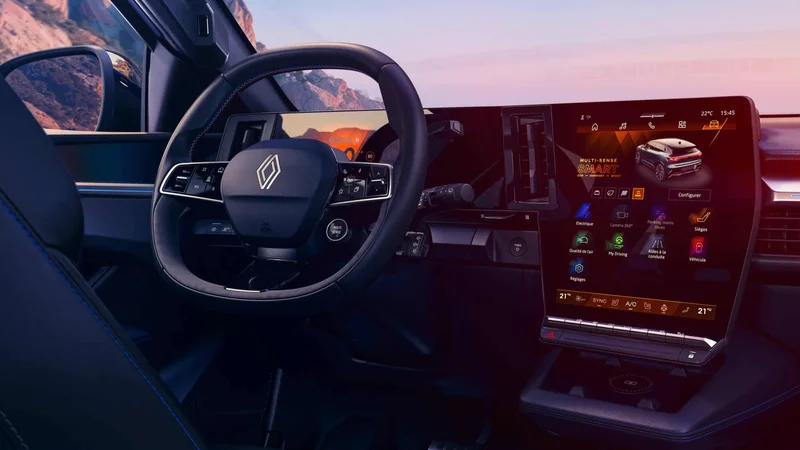
With these updates, the Megane E-Tech aims to address some of its earlier shortcomings, such as being perceived as too expensive at launch and having a range that was sometimes seen as inadequate compared to the latest electric compact offerings.