Ferrari and BMW Shift to Aluminum Wiring Amid Rising Copper Costs
Ferrari and BMW adopt aluminum for automotive wiring, reducing weight and costs amid rising global copper prices.
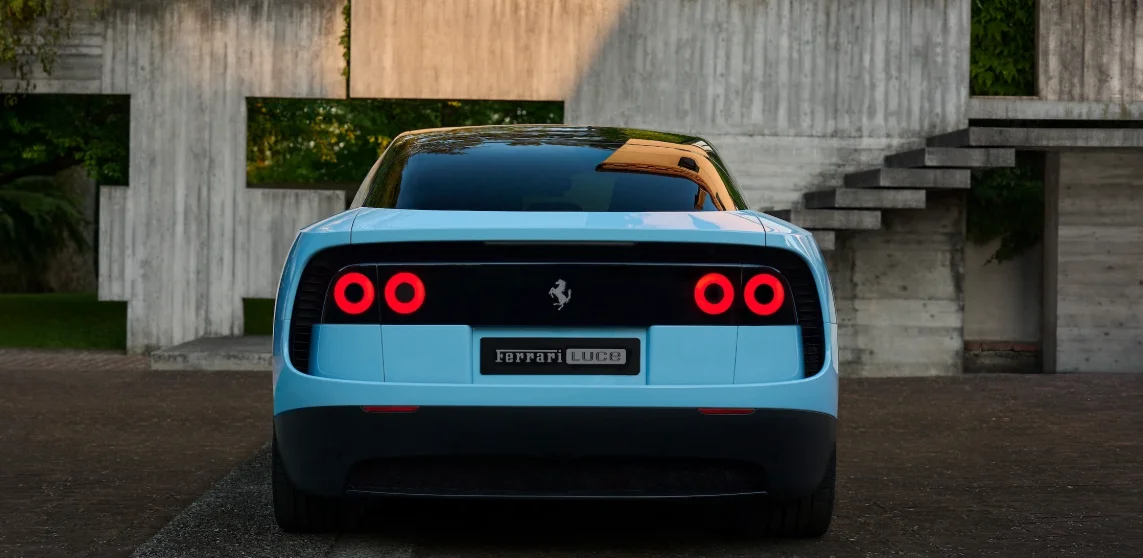
Ferrari and BMW are making a significant move in the automotive industry by adopting aluminum for vehicle wiring, a decision driven by the need to reduce weight and costs in response to soaring copper prices worldwide.
This material shift, which has been relatively marginal until now, is gaining strategic importance. Both manufacturers are incorporating aluminum wiring in their latest models, aligning themselves with Tesla and various Chinese electric vehicle producers who have been exploring this transition for years. This change impacts a critical component of modern vehicles, essential for the electrical architectures of hybrid and electric cars.
Accelerated Substitution in Automotive Wiring
Copper has been the dominant material in electrical systems for over 200 years. However, rising costs and supply chain constraints are prompting manufacturers to seek alternatives. According to JPMorgan, this shift could account for about 2% of the global copper demand this year, a figure that is expected to rise.
Ferrari and BMW are at the forefront of this trend, launching new models equipped with aluminum wiring harnesses. This movement is part of a broader initiative already adopted by Tesla and several Chinese electric vehicle manufacturers, who are focused on reducing vehicle weight while managing production costs.
Economic Advantages of Aluminum Amid Market Pressures
Market conditions are crucial to this transition. Copper prices have surged to record levels, nearing $15,000 per metric ton by the end of January, driven by structural shortages and increasing demand linked to green technologies and data centers. Industry analyses suggest that global supply will lag behind demand for more than a decade.
In this context, aluminum emerges as a compelling alternative. Priced around $3,100 per ton, it is nearly a quarter of the cost of copper, making it economically attractive for manufacturers. Interviews with 18 industry stakeholders, including automotive manufacturers, wiring and cooling system suppliers, metal producers, and consultants, indicate that the substitution of copper with aluminum is already underway across several sectors.
Ferrari and BMW justify their choice not only based on economic factors but also on technical considerations. Both manufacturers highlight the weight reduction benefits, which are crucial for the performance and energy efficiency of modern vehicles, especially in the sports and electrified segments.
Practical Applications at Ferrari and BMW
Ferrari has already begun utilizing aluminum for the power cables in its hybrid sports car, the 296, since last year. The Italian automaker has since expanded this technology to other models, including the Luce, its recently launched first electric vehicle. Dario Esposito, Ferrari's communications chief, noted that using aluminum can lead to a weight reduction of up to 20% in total wiring. The company emphasizes that this choice is primarily driven by performance enhancements rather than cost-cutting measures.
Meanwhile, BMW is also integrating aluminum wiring into its new models, continuing a similar strategy focused on vehicle weight reduction and electrical system optimization. This development aligns with a broader trend in the premium and electric automotive industry, where weight reduction has become a key lever for improving range and performance.
This industrial shift reflects a structural transformation in the global automotive sector, where constraints related to raw materials, energy costs, and efficiency goals are gradually reshaping manufacturers' technical choices.
Conclusion
The gradual transition from copper to aluminum in automotive wiring showcases the industry's adaptation to raw material pressures. Premium manufacturers like Ferrari and BMW are not merely pursuing cost reductions; they are highlighting significant weight savings that are essential for performance and energy efficiency. The momentum is already visible among Tesla and Chinese electric vehicle manufacturers, confirming a global trend. However, this transition remains limited to a small share of global copper demand, even as its mid-term progression appears structural.