Rare 1976 Renault 5 Alpine Coupe de France for Sale: A Restored Group 2 Gem
A 1976 Renault 5 Alpine Coupe de France, fully restored in 2018 and prepared for Group 2, is available for €20,000 in Toulouse. With only 4,000 km since restoration and an FIA passport, this car is perfect for historic rally enthusiasts.
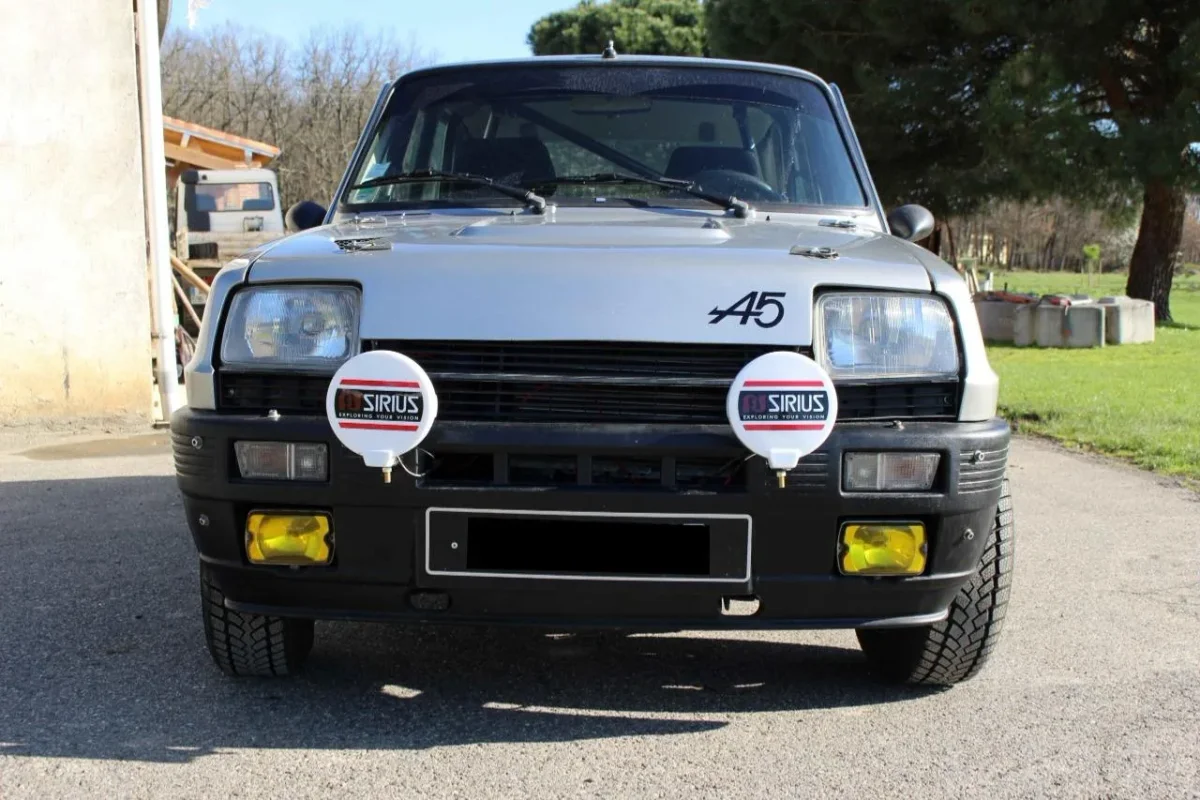
A unique opportunity has arisen for automotive enthusiasts with the listing of a 1976 Renault 5 Alpine Coupe de France, currently available on lesAnciennes.com. This vehicle has undergone a complete restoration in 2018 and has only 4,000 kilometers on the odometer since then. Priced at €20,000, it is being offered by Veitura Pro, a dealer located in Toulouse, Haute-Garonne. This particular model features documented Group 2 preparation, an FIA passport, and a standard registration card, making it a compelling choice for fans of historic rallying.
The Allure of the Renault 5 Alpine
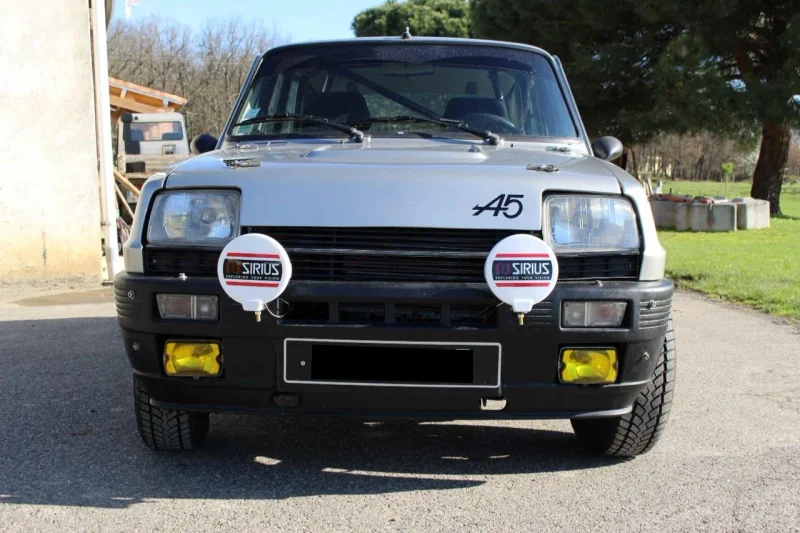
The Renault 5 Alpine was developed with a clear vision: to infuse the best-selling city car in France with a sporty character. Launched in 1976, it retains the standard R5 body but is equipped with specialized mechanics and aesthetic touches that set it apart from the base models. The name "Alpine" is well-deserved, as Renault entrusted its competition division with the development of the R5 range, quickly establishing the car's reputation in national and regional rally events.
The "Coupe de France" series represents a significant chapter in this narrative. It was a monotype trophy organized by Renault, where production cars modified under specific regulations competed in rally events. This format helped shape a generation of French drivers, and vehicles that participated in it are now seen as direct witnesses to an era when grassroots motorsport thrived. Finding a well-documented, restored, and FIA homologated example for historic competitions is a rare opportunity in today’s market.
What Makes This Model Stand Out
Design and Identity
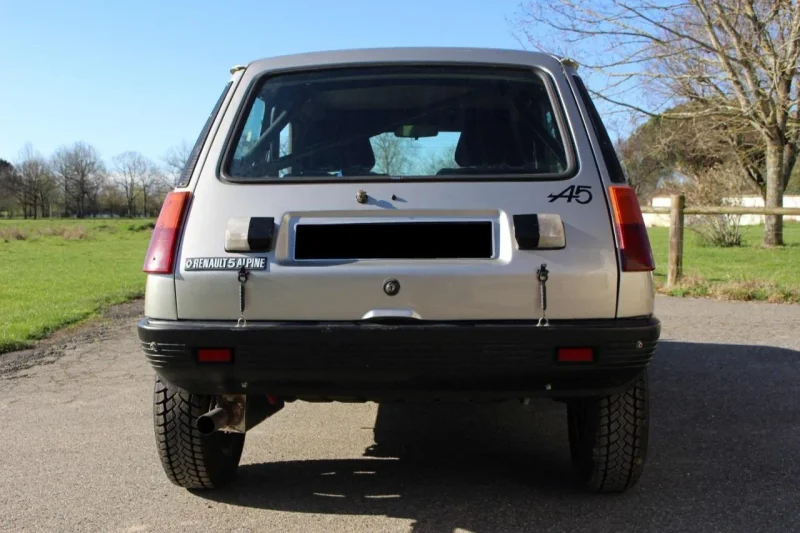
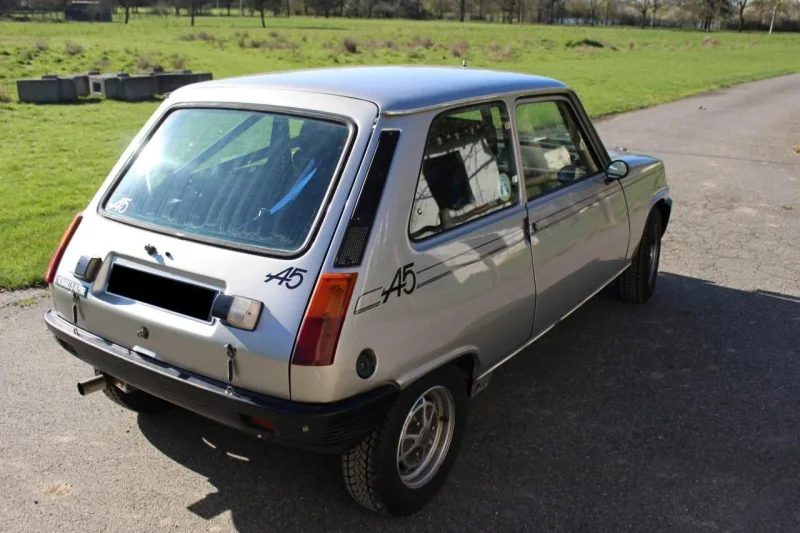
The first-generation Renault 5 Alpine maintains the compact three-door silhouette that contributed to the success of the ordinary R5, designed by Michel Boué in the early 1970s. Its rounded lines, smooth sides, and distinctive front create a remarkably cohesive body for its time, blending functionality with aesthetic appeal. In competition variants like the Coupe de France, the interior is stripped down and secured: safety roll cage, anti-roll bars, and the replacement or removal of standard equipment to reduce weight and enhance rigidity. Externally, it largely retains its original bodywork, which gives these cars a deceptive appearance; from a distance, a R5 Alpine Coupe could be mistaken for any sporty R5 of the era, but the reality under the hood and inside is quite different.
The understated visual appeal is what attracts discerning collectors. There are no added spoilers or excessive body modifications; the Coupe de France focused on lightweight construction and mechanical preparation rather than stylistic flair. This competitive philosophy aligns perfectly with the spirit of French rallying in the 1970s.
Endorsements
The R5 Alpine has left a lasting impression beyond the driver community. The magazine Sport Auto noted in its period reviews that the Alpine version offered "a healthy, lively behavior, with surprising maneuverability for a vehicle in this category," qualities that explain its widespread adoption in grassroots competition. More recently, Rétroviseur highlighted that the R5 Alpine remains one of the most accessible historic rally cars to drive, featuring robust mechanics and parts readily available from French specialists.
Technical Specifications
Engine and Character
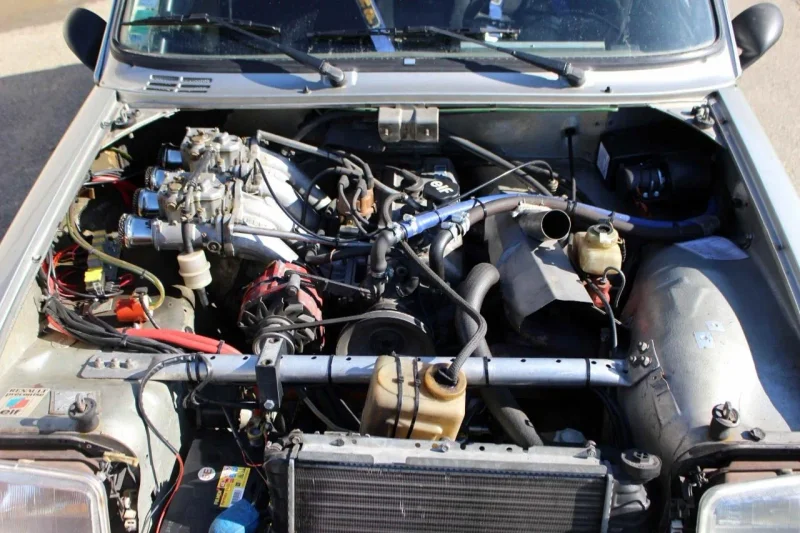
This particular example features a modified 1.4-liter engine, tuned to produce 114 horsepower at the dyno, according to the seller's information. This power output is significant for a car of its size and weight. The Group 2 preparation includes an IRESA intake manifold, a modified camshaft, and dual 40 mm Weber carburetors—classic components in 1970s rallying that enhance throttle response and revving capabilities. The gearbox has been refurbished, which is a critical aspect for buyers intending to use the car in competition without immediate transmission work.
Chassis and Handling
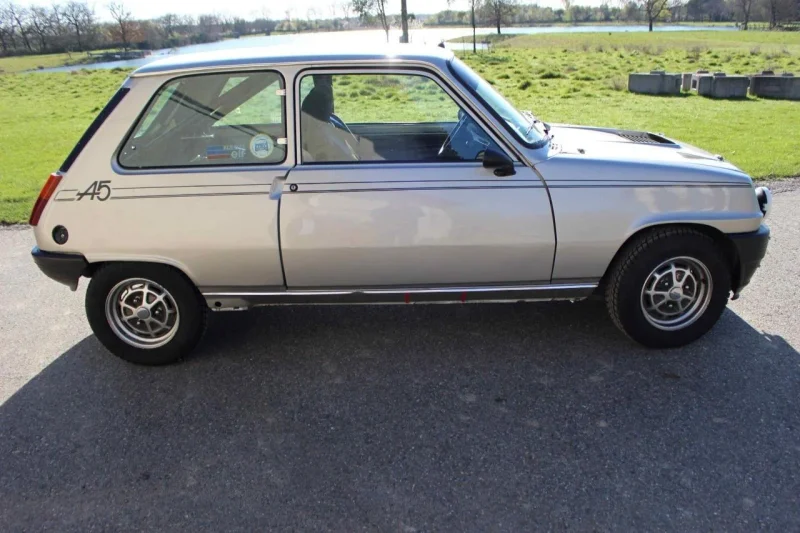
The R5 Alpine Coupe de France is built on the standard R5 platform, featuring front-wheel drive, rack-and-pinion steering, and independent suspension at all four corners. For competition, the integrated safety roll cage strengthens the body structure in case of a rollover, while anti-roll bars enhance rigidity and improve handling precision. These features are present in this example. The car is fitted with four original Fergat wheels, along with an additional set of wheels equipped with snow tires, making it a versatile option for historic rallying across various terrains.
Interior Experience Today
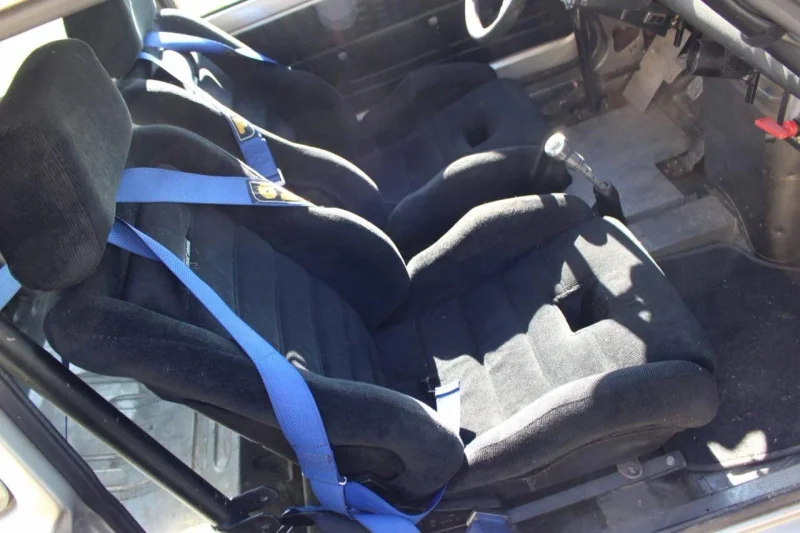
The interior of this vehicle is reported to be in very good condition, which, for a Group 2 prepared competition car, means a stripped-down cabin that aligns with its intended use. The safety roll cage visually organizes the space, and the anti-roll bars serve as a reminder that this car was never meant for comfortable passenger transport. For a historic rally driver, this minimalist and functional environment is precisely the main attraction. The car is described as sound and ready to drive, indicating that no urgent mechanical work is needed before its first outing.
Reasons to Consider This Model Today
The 1976 R5 Alpine Coupe de France occupies a niche in the classic competition car market that is witnessing increasing demand. Historic rally events are proliferating in France, and FIA-homologated vehicles with proper documentation are becoming more sought after. This example meets both criteria: it comes with an FIA passport, and its standard registration allows for road use between events. For enthusiasts looking to engage in historic motorsport without the investment required for more exotic race cars, the R5 Alpine Coupe offers a balance of accessibility, parts availability, and authenticity that is hard to find elsewhere.
The 4,000 km since its 2018 restoration indicates limited use, suggesting that the work done has not been diminished by heavy usage. Given that the restoration occurred eight years ago, it is reasonable to assume that the vehicle has been well-maintained since.
Important Considerations Before Purchase
Known Weaknesses
The first-generation R5 Alpine, like all vehicles from this era built on non-galvanized monocoque bodies, is prone to corrosion. Key areas to inspect include the sills, wheel arches, chassis rails, and floor. On a car restored in 2018, these points should have been addressed, but a physical inspection is essential to confirm the quality and durability of the work performed. Group 2 preparations, depending on their execution, may also impose additional stresses on the body and the roll cage anchor points.
Realistic Maintenance Costs
Common mechanical parts for the R5 Alpine remain largely available, particularly through clubs and vintage Renault specialists. However, certain components specific to the Group 2 preparation, such as the IRESA intake manifold or dual-body Weber carburetors, require specialized tuning skills and can incur significant costs if they fail. It is advisable to consult a preparer specializing in competition R5s for routine engine maintenance. Additionally, budgeting for the replacement of tires suitable for historic rally use is recommended.
Points to Verify Before Buying
- Confirm the matching numbers of the chassis and engine with the FIA documents and registration card.
- Check the condition of the safety roll cage welds and the anchor points for the anti-roll bars.
- Have the engine power verified on a dynamometer to confirm the claimed 114 hp.
- Inspect the condition of the body underneath the vehicle, particularly the chassis rails and floor, despite the 2018 restoration.
- Verify the current validity of the FIA passport and its compliance with the regulations for the targeted events.
- Ensure that the refurbished gearbox shows no excessive play or abnormal noise during operation.
Current Valuation and Market Trends
According to data compiled by Argus Collection and results observed on specialized platforms like lesAnciennes.com and Artcurial Motorcars, the value of R5 Alpines varies significantly based on version, condition, and competition history. A well-documented and FIA-homologated R5 Alpine Coupe de France is valued well above a standard road version in average condition. The table below provides an overview of the price ranges observed in the French market for 2025-2026.
| Version | Period | Current Condition | Good Condition | Reference Example | |-------------------------------|-------------|-------------------|----------------|-------------------| | R5 TL / GTL (road) | 1972-1984 | €1,500 – €3,000 | €3,000 – €6,000| €6,000 – €9,000 | | R5 Alpine (road) | 1976-1981 | €4,000 – €7,000 | €7,000 – €13,000| €13,000 – €18,000 | | R5 Alpine Coupe (competition) | 1976-1981 | €8,000 – €12,000 | €12,000 – €18,000| €18,000 – €25,000 | | R5 GT Turbo (road) | 1985-1991 | €5,000 – €9,000 | €9,000 – €16,000| €16,000 – €25,000 | | R5 Turbo 1 / Turbo 2 | 1980-1986 | €35,000 – €55,000 | €55,000 – €90,000| €90,000 and above |
Sources: lesAnciennes.com (active listings 2026), Argus Collection, Artcurial Motorcars trends.
The Vehicle Currently for Sale
The Renault 5 Alpine Coupe de France offered by Veitura Pro in Toulouse is a 1976 model that has been fully restored in 2018. With only 4,000 kilometers since the restoration, it indicates careful usage and maintenance. The 1.4-liter engine has been prepared according to Group 2 regulations, featuring an IRESA intake manifold, modified camshaft, and dual 40 mm Weber carburetors at its core. The claimed power output is 114 horsepower, and the refurbished gearbox ensures reliable performance for competitive use.