
Buying vs. Leasing a Car: Weighing the Pros and Cons
French drivers are adopting new methods for vehicle access in 2024. Traditional purchasing offers total freedom without mileage limits and represents the most advantageous overall cost.
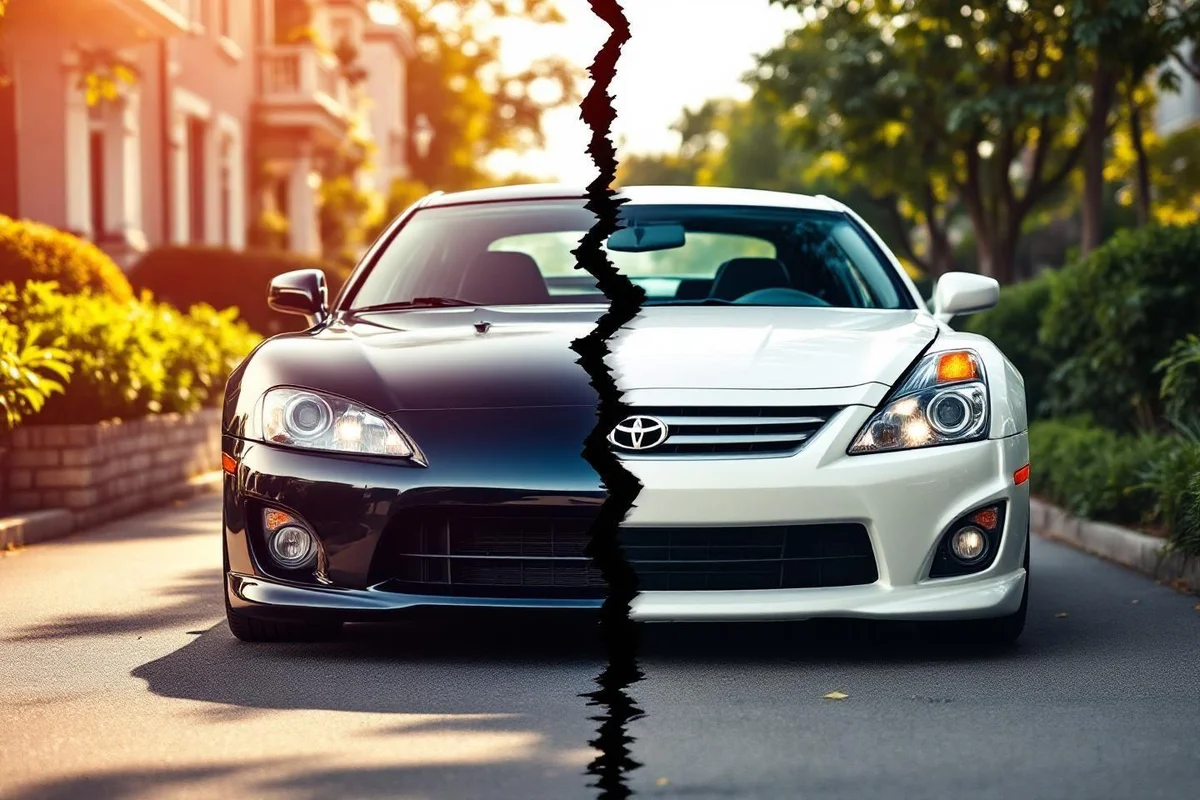
As French motorists navigate their vehicle access options in 2024, the choice between buying and leasing has become increasingly complex.
- Traditional Purchase provides complete freedom without mileage limitations and is often the most cost-effective option over the long term. However, it requires a substantial upfront payment and can lead to unforeseen maintenance costs.
- Long-Term Leasing offers fixed monthly payments that include insurance and maintenance, ensuring access to a new vehicle. Yet, it comes with strict mileage limits and financial penalties for exceeding them.
- Leasing with an Option to Buy combines flexibility with the potential for future ownership, featuring lower monthly payments. Still, the total cost can be 10 to 15% higher than a traditional bank loan.
In recent years, there has been a significant shift in how French drivers acquire their vehicles. A 2024 automotive sector study indicates that approximately 38% of drivers now prefer leasing options over traditional purchases. This trend reflects new economic concerns and a growing desire for flexibility in mobility choices. We have examined these various options to help you make an informed decision based on your personal circumstances and actual needs.
Vehicle Ownership: Freedom Comes with Responsibilities
Owning a vehicle represents the most traditional approach and provides complete autonomy in your travels. Drivers enjoy unrestricted daily use without any imposed mileage limits. This option is particularly appealing to those who drive long distances or wish to keep their vehicle for many years.
The direct purchase also allows access to a wide range of models, including recent used vehicles that offer excellent value. You can select from automotive segments that precisely match your expectations, free from limitations imposed by commercial offers. This variety is a key factor in finding the model that perfectly suits your daily use.
The total cost of ownership is generally lower than the total monthly payments you would have made under a leasing arrangement. It is estimated that a vehicle kept for seven to ten years can result in significant savings compared to leasing. Additionally, selling the vehicle later can recover part of your initial investment, especially if you choose a model known for retaining its value well.
However, ownership does come with significant financial commitments. You must be prepared for a substantial down payment or take out a bank loan, representing a major financial obligation. Associated costs can accumulate quickly: comprehensive insurance, regular maintenance, technical inspections, and unforeseen mechanical repairs. Average annual expenses range from 1,200 to 2,800 euros, depending on the model and its age.
Selling the vehicle can also be a time-consuming and sometimes disappointing process. You will need to manage advertisements, meet potential buyers, negotiate prices, and complete administrative tasks. This responsibility adds to concerns regarding the vehicle's gradual depreciation, which is particularly pronounced in the first few years after purchase.
Leasing Options: Flexibility vs. Commitment
Long-term leasing presents a fundamentally different approach to accessing a vehicle. One of the key advantages is the inclusion of services in the monthly package: insurance, preventive maintenance, roadside assistance, and replacement vehicles during service. This structure transforms your automotive budget into a fixed and predictable expense, eliminating unpleasant surprises related to costly mechanical failures.
Leasing ensures that you always have a recent or even new vehicle, providing optimal performance and controlled fuel consumption. Administrative processes are significantly simplified as the leasing company manages all formalities with the dealer, including registration and license plates. Additionally, you have the option to regularly change models, typically every two to four years.
However, this option has important limitations. You must strictly adhere to the contractual mileage limit, usually set between 10,000 and 30,000 kilometers annually. Exceeding this limit incurs substantial financial penalties, often charged at rates between 0.08 and 0.15 euros per additional kilometer. This constraint can become problematic if your travel habits change during the contract period.
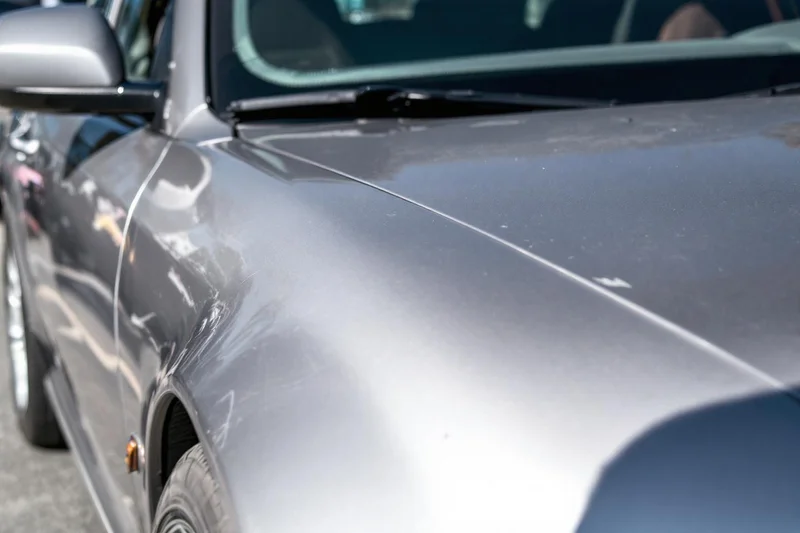
Returning the vehicle requires it to be in impeccable condition. Be aware of potential repair costs for minor damages: scratches, dents, or excessive tire wear. These fees add to the finality of your investment, as you do not retain any asset at the end of the lease. Early termination is generally not possible without paying the remaining monthly payments in full.
The Purchase Option: A Compromise Between Leasing and Ownership
Leasing with an option to buy offers a middle ground that appeals to many drivers wanting to test a vehicle before making a final purchase. This option provides appreciated flexibility, allowing you to become the owner at the end of the leasing period by paying the pre-established residual value at the contract signing.
Monthly payments for this option are typically lower than those of a traditional car loan, easing your monthly budget. Some providers even offer contracts with no initial down payment, making it easier for drivers with limited savings to access new vehicles. You also retain the freedom to decline the purchase option if the model does not meet your satisfaction or if your needs have changed.
A financially interesting opportunity may arise when the vehicle's value exceeds its residual value. In such favorable situations, you can purchase the vehicle and then resell it immediately, realizing a profit. This scenario often occurs with certain models known for their excellent value retention, such as well-selected compact vehicles.
However, the total cost of leasing followed by a purchase can exceed that of a traditional loan. It is common to see an additional cost of 10 to 15% compared to direct bank financing. Mileage restrictions also apply, with penalties identical to those of long-term leasing. This constraint can become particularly burdensome if you ultimately wish to acquire a vehicle that has exceeded its mileage allowance.
Making Your Decision Based on Your Driving Profile
We recommend carefully analyzing your situation before choosing between these various options. Here are key criteria to consider in your decision:
- Your average annual mileage and its predictability
- Your initial savings capacity or debt tolerance
- Your desire for frequent vehicle renewal
- Your ability to manage unexpected mechanical issues
- Your intended duration of vehicle use
To summarize the main characteristics of each option, we have created a comparative table:
| Criteria | Purchase | Long-Term Leasing | Leasing with Option to Buy | |-----------------------|----------|-------------------|----------------------------| | Final Ownership | Yes | No | Optional | | Initial Down Payment | High | Low/None | Low/None | | Mileage Limit | None | Yes | Yes | | Included Services | No | Yes | Variable | | Total Cost | Moderate | High | High |
Purchasing is particularly suitable for drivers who cover more than 20,000 kilometers annually and plan to keep their vehicle for at least five years. Leasing options cater more to those prioritizing budget predictability and the convenience of use without maintenance concerns. Ultimately, your final choice should reflect your personal priorities between overall cost and daily peace of mind.