Three Winters with Worn Wipers and a Scratched Windshield
After three winters of neglecting my windshield wipers, I faced the costly consequences of a scratched windshield. This experience taught me valuable lessons about maintenance.
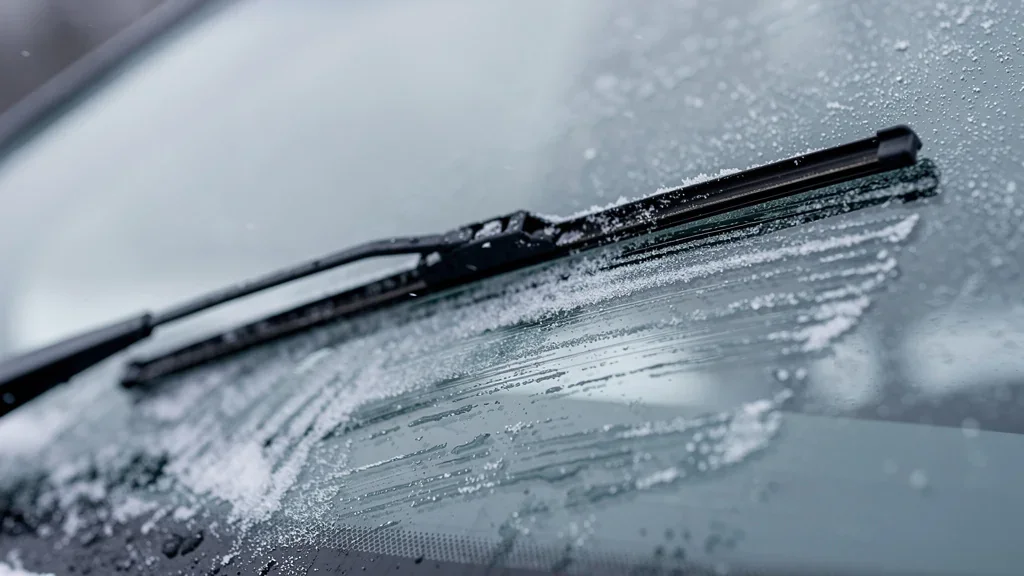
The moment I drove out of the underground parking at Place de la République, the low winter sun unveiled a network of fine scratches on my windshield that I had previously overlooked. Just the day before, everything seemed fine, but the sunlight revealed the damage. Over three winters, I had allowed my wipers to deteriorate without realizing it, leading to a costly mistake of 286 euros. As an automotive writer for CarBling, I felt embarrassed to have fallen victim to such a trivial detail.
I Thought My Wipers Were Still Functioning Well
Initially, I had installed basic wipers on my vehicle without giving it much thought. My partner and I, who do not have children, primarily use the car for work, errands, and the occasional weekend outing. Consequently, the wipers were not a priority. They still worked, so I convinced myself they could last another season.
The first sign of trouble was a slight squeaking noise when I started the car on a cold morning. Then, I noticed the wiping action occasionally skipping, particularly at the top of the windshield. I attributed this to frost or road salt, dismissing it as a minor issue. The sound was faint, almost comical, so I ignored it.
I delayed replacing the wipers for a simple reason: cost. I found a set for around 18 euros, sometimes 24 depending on the model. In my mind, it felt like an unnecessary expense for a part that still seemed intact. I thought that a piece of black rubber couldn't cause too much harm.
However, the rubber lip had already begun to harden. One corner had torn, leaving a dry streak with each swipe. I noticed this one evening while leaning against the car at a Total gas station in Chasseneuil. It took me a moment to realize that this small imperfection was already causing damage.
The Day I Noticed the Damage in the Winter Sun
That morning, as I exited the covered parking, the slanting light illuminated the scratches on my windshield. I paused, wondering if the glass was dirty or chipped. The pattern was nearly invisible in the shade, but as I turned onto Rue du Palais, the windshield glimmered in spots, revealing clear micro-scratches under the lateral sunlight.
I found myself sitting there, engine running, staring at the windshield like a fool. The worst part was that I couldn't blame a stone or an impact. The culprit was my wiper, my procrastination, and my superficial frugality. I realized this when I circled the car and saw the same arc-shaped mark.
In hindsight, the mechanism seemed painfully simple. A hardened rubber blade no longer glides smoothly; it scrapes. Combined with salt, sand, and grime, the lip acts like fine sandpaper. The wiper also jumped slightly at the top of the windshield, just before the scratches became apparent. I had noticed this detail multiple times but failed to connect the dots.
That night on the ring road, I felt the consequences. The headlights from oncoming traffic created a dirty halo, and visibility diminished after just a few seconds. I realized my windshield had silently aged. The real issue was the gradual degradation that I had failed to see coming.
I drove like this for 12 days, experiencing increasing discomfort with each evening commute. It wasn't panic, but rather a senseless fatigue that strained my eyes. The garage mentioned a possible replacement later, but no magic cleaning solution would fix the damage. I understood that the marked windshield would remain that way.
When I Tried to Repair, I Realized It Was Worse Than Expected
On a rainy Saturday morning, I headed to the garage with a mix of impatience and shame. The technician shone a light on the glass and pointed out the scratches at the edge of the reflection. He was straightforward: the micro-scratches wouldn’t disappear, and a replacement would eventually be necessary if visibility deteriorated further.
As I calculated the costs in my head, I felt overwhelmed. I had saved 18 euros for three consecutive winters only to end up here. The quote for a new windshield was painful just to hear. The technician explained that the inspection alone would take 47 minutes, not including any repairs.
What struck me was the precision of his explanation. The rubber had hardened and deformed in certain areas. Over time, the wiping action became choppy. Areas that remained unwiped and the slight jump at the top of the windshield had already initiated the scratching process. From that day on, I recognized the trap, albeit a bit late.
I replaced the wipers immediately, as the old ones no longer belonged on my car. I also set aside a budget for a new windshield, just in case the glass continued to degrade. This wasn’t part of my original plan. I had bought a wear item and inadvertently opened the door to an ongoing expense looming over my dashboard.
What I Should Have Done and What I Learned
Before this incident, I should have replaced the wipers before November when the cold starts to bite. I also should have lifted the wipers on freezing nights instead of letting the blades stick to the glass. Common sense was there, but I overlooked it for the sake of a few euros. Since then, I now examine the rubber like I do the tires, with a discerning eye rather than a cursory glance.
The warning signs were quite evident. A slight squeak at startup. A jump of the wiper at the top of the windshield. Arc-shaped streaks after a back-and-forth wipe. Then there was the rubber lip losing its flexibility, until it left a dry streak with every pass. I learned to recognize these signs too late.
- Delaying the replacement for too long
- Operating wipers on a frozen windshield
- Neglecting to clean the wiper blade and the glass
Cleaning seemed like an unnecessary detail, almost nitpicking. In reality, the windshield and the wipers were dirty together. Sand and salt acted as a form of sandpaper, quietly doing their work at first. When I wiped a dirty windshield without clearing it first, I merely set the stage for scratches.
My role as an automotive writer for CarBling has taught me to pay attention to seemingly minor details. In this case, I realized that a tiny detail ended up being more significant than the part itself. A worn blade doesn’t just make noise; it leaves a mark, then two, and eventually creates a windshield that strains the eyes.
The Bitter Conclusion and What I Take Away
The most frustrating aspect is the bill. Three winters of saving 18 euros here, 24 euros there, only to end up with a windshield that cost me 286 euros. I would have preferred to spend that amount on something else entirely. The poor economy has cost me dearly, and the windshield bears the scar.
Living with my partner, this experience also reshaped my perspective on our morning commutes. I may not have children to transport, but I had no desire to continue driving with compromised visibility, especially when the roads are cold and white. Together, we quickly realized that a scratched windshield is not a trivial issue. While the car still ran, my confidence in it had taken a hit.
I lacked the skills to assess this myself, and for a deeply scratched windshield, I left the matter to Garage du Pont-Neuf. At that point, I could no longer deceive myself. For someone willing to drive with a slightly scratched glass, my misadventure might seem trivial. However, I retained the invoice, the unevenly shiny windshield, and the realization that I should have acted before the rubber hardened.