
Gardena's Guide to Proper Watering for Gardens and Balconies in Summer
As summer heat impacts gardens across the country, proper watering techniques become essential. Discover effective strategies to keep your plants hydrated and thriving during the hot months.
As the summer heat envelops much of the country, the northern regions may seem oblivious, bundled up in sweaters while their southern counterparts sweat it out. With temperatures consistently reaching around 30 degrees Celsius, the need for proper hydration in gardens and pots becomes critical.
Plants cannot fend for themselves; they rely on adequate watering to thrive. Effective irrigation compensates for the water lost through high evaporation rates while also cooling both the plants and the soil. On particularly hot days, flowers can lose moisture rapidly, and the soil can dry out, leaving roots struggling to find water. Signs of distress include wilting leaves and yellowing grass, which can be indicators of dehydration. While grass may recover, more delicate plants like fir trees or shrubs may not survive. Gardena advises providing shade for potted plants, whether by relocating them or using a sunshade. In extreme cases, placing pots in a water-filled container until no air bubbles rise can help.
Preventive measures are wise. The best time to water is during the cooler morning hours, which reduces evaporation and allows more water to reach the roots. A traditional gardening adage suggests that tilling the soil once can save three watering sessions. This practice creates a looser soil structure that absorbs and retains water more effectively while also decreasing surface evaporation. For those who prefer working close to the ground, wearing long sleeves is advisable to avoid scratches from branches. Engaging in such labor may even require a subsequent session of back exercises to alleviate any strain. A thin layer of mulch made from grass clippings can help retain moisture in both beds and containers. Additionally, creating a mound of soil around garden plants directs water to the roots instead of allowing it to run off to neighboring areas. Healthy soil plays a crucial role in maintaining the water cycle, storing moisture, and gradually releasing it to the roots.
Drip Irrigation: A Smart Solution?
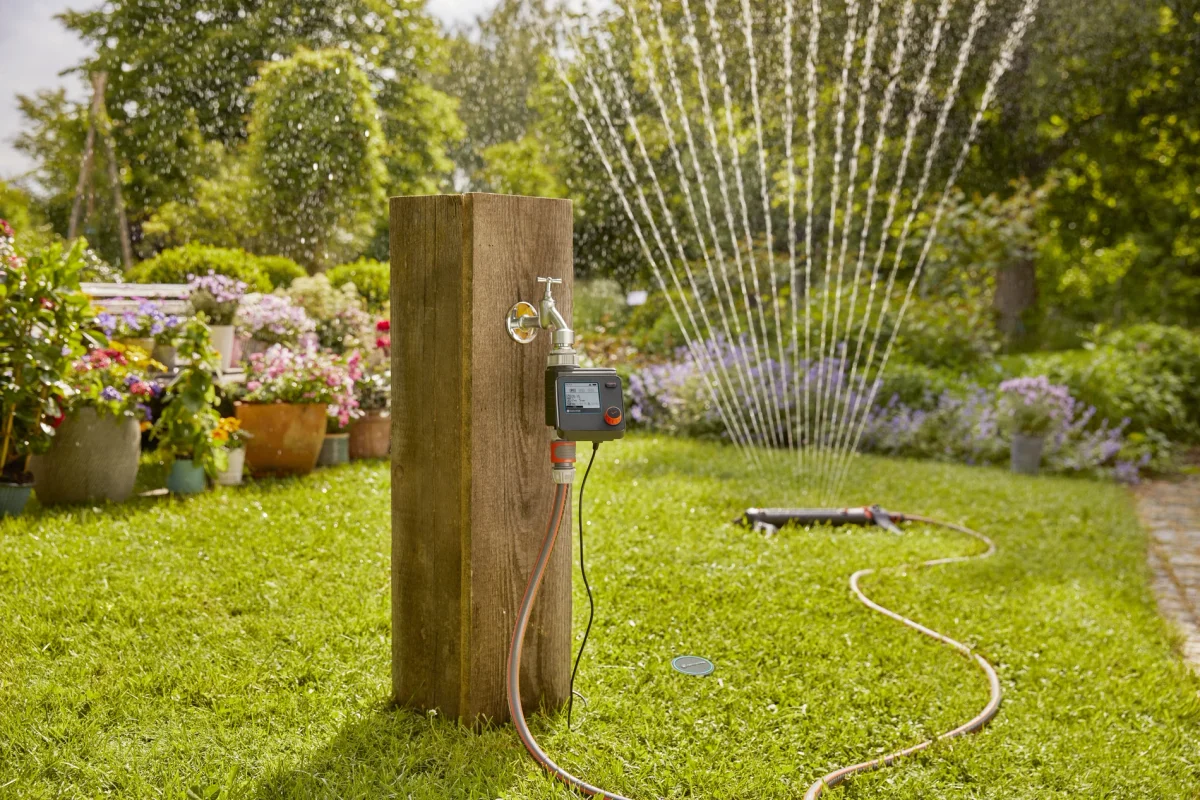
Gardena promotes drip irrigation systems equipped with timers, naturally as part of their product offerings. However, setting up these systems can be labor-intensive and often requires ongoing adjustments to prevent clogs. After a frustrating installation, many gardeners revert to traditional methods: watering directly at the roots, misting shrubs, and occasionally using a stationary sprinkler for the lawn. This last method is infrequent due to high water consumption, and some gardeners opt to accept the wear on their grass instead of collecting rainwater in barrels or cisterns.
In general, gardeners who wish to avoid becoming plant killers should water deeply and thoroughly every few days rather than giving a little daily. This approach encourages plants to develop deeper root systems instead of confining them to the surface. With proper training, plants can adapt to survive on less moisture. Here's to a refreshing glass of water for all the green companions in our care.