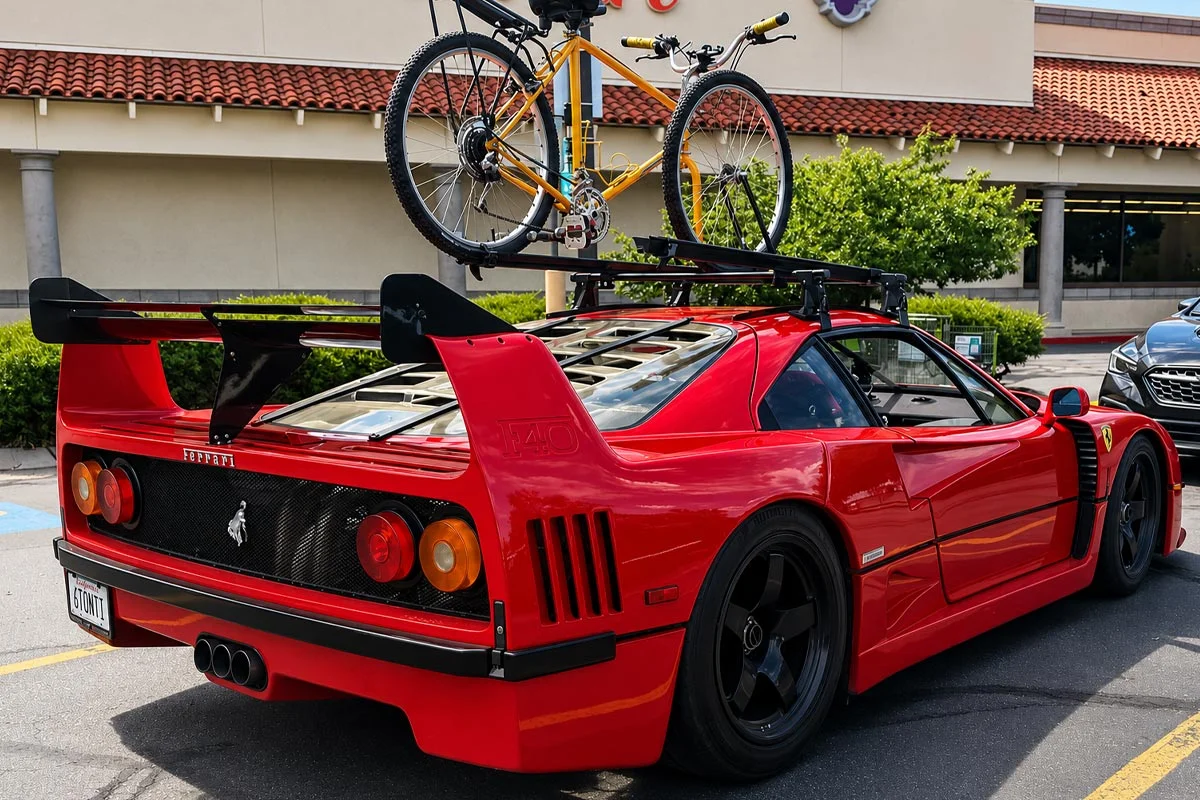
What to Do When Your Car Won't Start
A comprehensive guide on troubleshooting when your car won't start, including battery checks, fuel system inspections, and ignition system evaluations.

When faced with the frustrating situation of a car that won't start, it's essential to remain calm and systematically troubleshoot the issue. Here’s a guide to help you diagnose and potentially resolve the problem.
Check the Battery
The first step is to examine the battery. A dead battery is one of the most common reasons for a car not starting. Ensure the battery terminals are clean and securely connected. If the battery is old or has been giving you trouble, it might be time for a replacement.
Inspect the Fuel System
Next, consider the fuel system. Ensure that there is fuel in the tank and that the fuel pump is functioning. A malfunctioning fuel pump can prevent the engine from getting the necessary fuel to start.
Evaluate the Ignition System
If the battery and fuel system check out, the next area to investigate is the ignition system. This includes the ignition switch, spark plugs, and wiring. A faulty ignition switch can stop the car from starting altogether.
Look for Warning Lights
Pay attention to any warning lights on your dashboard. These can provide valuable clues about what might be wrong with your vehicle. If the check engine light is illuminated, it could indicate a range of issues that may need professional diagnosis.
Seek Professional Help
If you've gone through these steps and your car still won’t start, it may be time to consult a professional mechanic. They have the tools and expertise to diagnose complex issues that may not be apparent to the average driver.
In conclusion, a car that won’t start can stem from various issues, ranging from simple battery problems to more complex fuel or ignition system failures. By following these troubleshooting steps, you can identify the problem and take appropriate action to get back on the road.