
Pumpkin Seeds: Understanding the Potential Risks Before Consumption
Explore the potential risks of pumpkin seeds, including digestive issues, allergies, and medication interactions. Learn how to consume them safely.
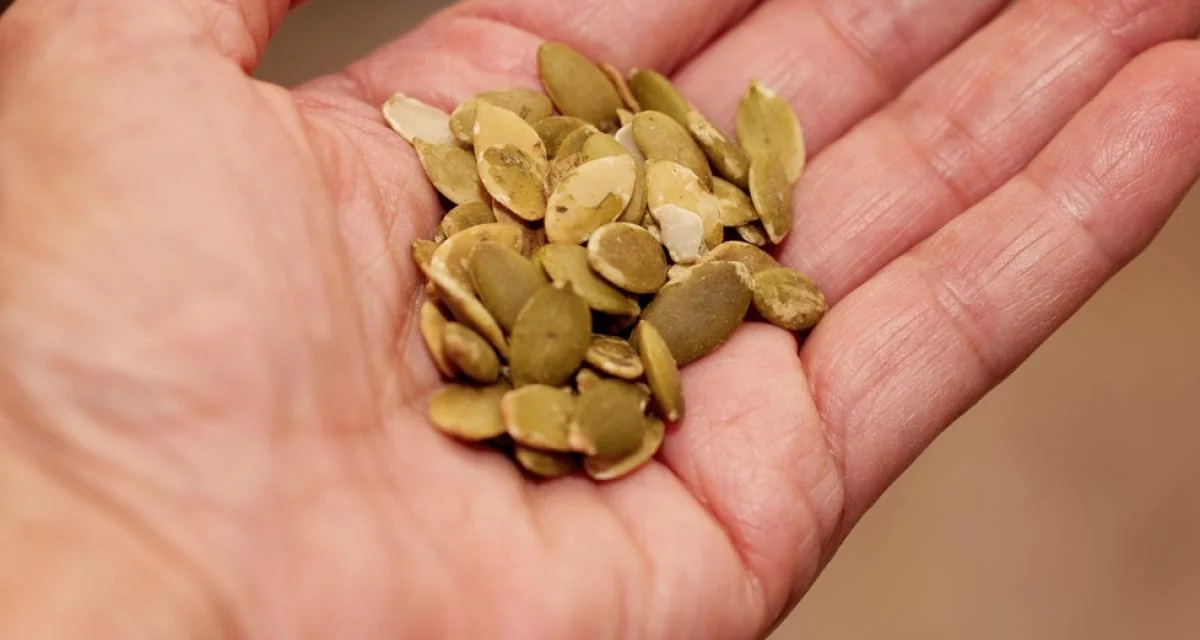
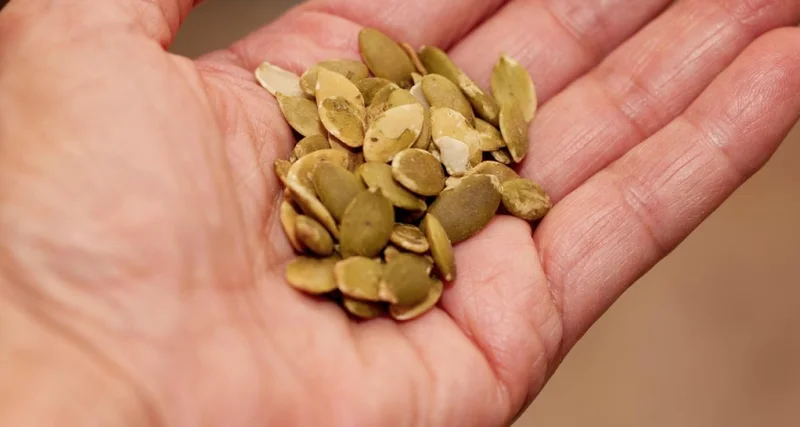
Pumpkin seeds, known for their rich nutrient profile, are a popular snack and salad addition. However, despite their health benefits, they can pose certain risks when consumed excessively or inappropriately. This article explores the potential dangers associated with pumpkin seeds, providing clear answers and practical advice for safe consumption.
Potential Risks of Excessive Pumpkin Seed Consumption
Digestive Issues
While pumpkin seeds are nutritious, overeating them can lead to digestive discomfort. Their high fiber content may result in bloating, stomach cramps, and gas if consumed in large quantities. To mitigate these effects, it is advisable to limit intake to one or two handfuls per day and to chew the seeds thoroughly to aid digestion.
Risk of Allergies
Although rare, pumpkin seed allergies can occur. Symptoms may include skin rashes, itching, swelling, or in severe cases, anaphylaxis. A case study published on ResearchGate detailed a severe food allergy incident linked to pumpkin seeds, where the patient experienced respiratory difficulties and skin reactions, confirming the allergy through specific IgE levels.
Caloric Content and Weight Gain
Pumpkin seeds are relatively high in calories due to their fat content. Although these fats are predominantly healthy unsaturated fats, excessive consumption can lead to a high caloric intake, potentially resulting in weight gain. For those monitoring their weight, moderation is key, with 100 grams of pumpkin seeds providing approximately 616.6 kcal, including 30.2 g of protein, 49 g of fat, and 10.7 g of carbohydrates.
Interactions with Certain Medical Treatments: A Word of Caution
Pumpkin seeds are a source of vitamin K, crucial for blood clotting. For individuals on anticoagulant medications like warfarin, significant vitamin K intake may affect the medication's efficacy. A study from the University of Montreal highlighted that fluctuations in vitamin K intake could disrupt the International Normalized Ratio (INR), increasing the risk of clots or bleeding.
It is advisable to:
- Consult a healthcare professional before regularly incorporating pumpkin seeds into your diet.
- Maintain a consistent vitamin K intake to stabilize anticoagulant treatment.
These precautions can help minimize complications related to blood coagulation.
Specific Cases: At-Risk Populations
Individuals with Kidney or Liver Issues
Pumpkin seeds are rich in potassium and phosphorus. For those with kidney insufficiency, excessive intake of these minerals can be problematic, as the kidneys may struggle to eliminate excess amounts, leading to accumulation in the body. Therefore, individuals with kidney disease should limit their pumpkin seed consumption and seek tailored advice from their healthcare provider.
Pregnant or Breastfeeding Women
While pumpkin seeds offer beneficial nutrients, some studies suggest they contain compounds with estrogen-like activity. Given the limited data, it is recommended that pregnant or breastfeeding women consume these seeds in moderation and consult a healthcare professional if uncertain.
Additional Precautions
It is crucial to ensure that pumpkin seeds are sourced from edible varieties. Certain types, such as bitter or ornamental squashes, contain cucurbitacins, toxic substances that can lead to severe food poisoning. Only consume seeds intended for human consumption.
The Benefits of Pumpkin Seeds: Why Are They So Popular?
Nutrient-Rich
Pumpkin seeds are an excellent source of magnesium, phosphorus, and omega-3 fatty acids, essential for overall health. These nutrients support immune function, muscle health, and energy production. For instance, magnesium aids in muscle relaxation and prevents cramps.
Cardiovascular Health
Due to their omega-3 and omega-6 fatty acid content, pumpkin seeds can help lower bad cholesterol (LDL) and improve heart and artery health. The unsaturated fats in these seeds promote a healthy lipid profile, thus reducing cardiovascular disease risk.
Support for Urinary Health and Prostate
Phytosterols in pumpkin seeds have shown beneficial effects on benign prostatic hyperplasia (BPH). Research indicates that regular consumption may alleviate symptoms associated with BPH, such as frequent urinary issues in older men.
Digestive Health
Rich in fiber, pumpkin seeds promote healthy bowel movements, prevent constipation, and help maintain a balanced gut flora. Fiber increases stool bulk and facilitates its passage, contributing to digestive wellness.
Antioxidant and Anti-Aging Effects
The antioxidants found in pumpkin seeds, including vitamin E and polyphenols, help neutralize free radicals, protecting cells from premature aging and chronic diseases. These antioxidant compounds play a vital role in preventing oxidative stress and its detrimental effects on the body.
How to Safely Consume Pumpkin Seeds
To maximize the benefits of pumpkin seeds while minimizing risks, consider the following tips:
- Moderate Consumption: Limit daily intake to 10 to 20 grams (about one to two tablespoons).
- Vary Consumption Methods: Enjoy pumpkin seeds raw, roasted, or incorporated into dishes like salads, soups, or breads.
- Select Quality Seeds: Opt for organic seeds to avoid pesticide residues or other contaminants.
- Chew Thoroughly: Take the time to chew the seeds well to aid digestion and reduce the risk of gastrointestinal issues (bloating or cramps).
By following these recommendations, you can safely integrate pumpkin seeds into your diet and enjoy their numerous benefits without adverse effects.
Frequently Asked Questions (FAQ)
Are pumpkin seeds dangerous for children?
Pumpkin seeds may pose a choking hazard for young children due to their small size. Additionally, their developing digestive systems may lead to discomfort if consumed in excess. It is advisable to introduce them gradually in small amounts and monitor their reactions.
Can you eat pumpkin seeds every day?
Yes, pumpkin seeds can be consumed daily, provided it is done in moderation. A portion of 10 to 20 grams per day is generally considered safe for most individuals. However, those with specific medical conditions or on medication should consult a healthcare professional.
Are pumpkin seeds toxic if they are too old or improperly stored?
Like all foods, pumpkin seeds can go rancid if not stored correctly or if they exceed their expiration date.
Pumpkin seeds are valuable allies for your health when consumed in moderation and with certain precautions. Whether for their nutrient richness, digestive support, or heart health benefits, they deserve a place in a balanced diet. However, as with any food, it is crucial to listen to your body and consider your specific needs, especially when dealing with medical treatments or particular health conditions.
Summary
Pumpkin seeds are nutrient-dense and offer numerous health benefits, but they also come with potential risks. This article outlines the dangers related to their consumption, such as digestive issues, allergies, and medication interactions. Learn about the precautions to take to enjoy their benefits safely while avoiding adverse effects.