Mastering Car Lifestyle Photography: 10 Essential Tips
Explore essential tips for capturing stunning car lifestyle photography, focusing on storytelling, equipment, and composition techniques.
Introduction
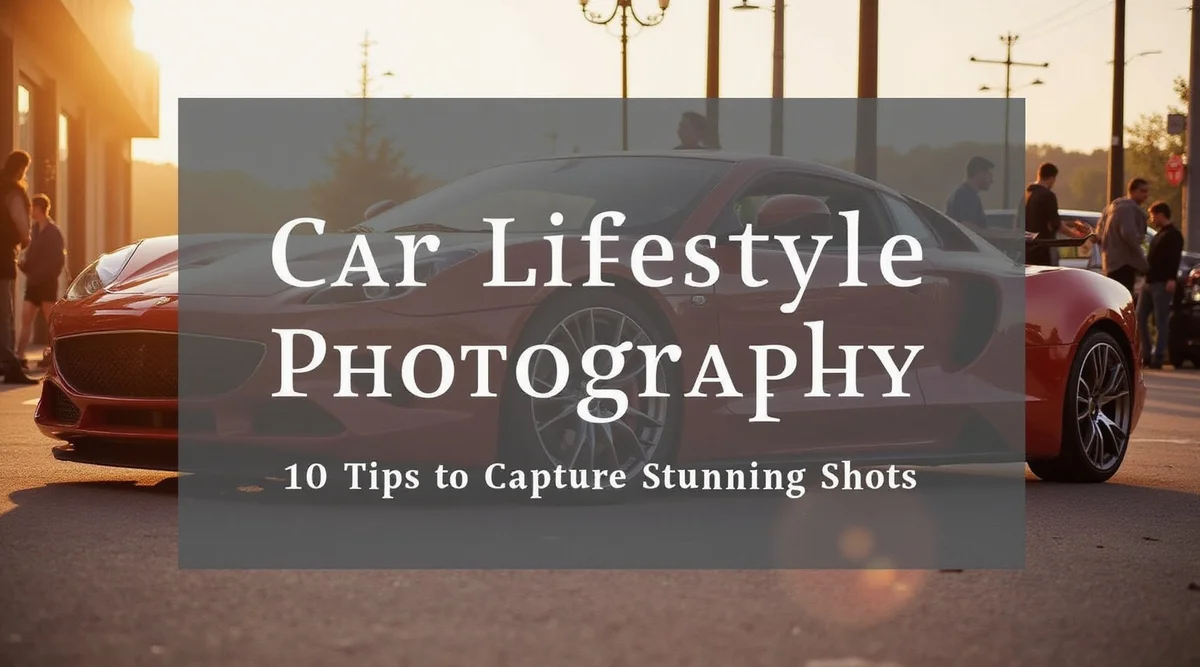
Capturing the essence of a car extends beyond just the vehicle itself; it is about the story it conveys. Car lifestyle photography transcends traditional automotive imagery by focusing on the emotions and narratives that cars evoke. Whether it’s the allure of an open road or the sleek lines reflecting a city skyline, this art form transforms mere photographs into captivating tales. Here are ten essential tips to enhance your skills in automotive photography without the need for expensive equipment.
1. See the Story, Not Just the Car
Understanding the narrative behind the vehicle is crucial in car lifestyle photography. For instance, a rugged 4×4 symbolizes adventure and exploration, while a vintage convertible evokes nostalgia and romance. Every decision—from location to composition—should serve to enrich this narrative. Ask yourself: What journey does this car represent? A photograph that answers these questions invites viewers into a vivid world, turning the vehicle into a character within a larger story.
2. The Smart, Lean Camera Kit
The right gear is important, but it doesn't have to break the bank. Here’s how to build a capable kit:
- Your Camera: A DSLR or mirrorless camera with manual settings is ideal. Even entry-level models can yield professional results. Modern smartphones with advanced camera apps can also be surprisingly effective.
- The Go-To Lens: A 50mm f/1.8 lens, known as the “nifty fifty,” is a cost-effective choice that produces beautiful background blur, adding depth to your images. Alternatively, an 18-55mm kit lens offers versatility for various shooting scenarios.
- The Essential Stabilizer: A sturdy tripod is essential for low-light conditions, enabling slower shutter speeds without blurriness and encouraging thoughtful composition.
- The Secret Weapon: A circular polarizing filter can dramatically reduce reflections and enhance colors, giving your images a polished look.
3. Command Your Camera’s Settings
To control your creative output, familiarize yourself with your camera’s settings. Shooting in Manual or Aperture Priority mode allows for greater artistic expression:
- Aperture (f-stop): A wide aperture (f/1.8 or f/2.8) isolates the car from the background, while a narrower aperture (f/8 or f/11) keeps more of the scene in focus.
- Shutter Speed: For static images, use a shutter speed of 1/125s or faster. For dynamic shots of moving cars, experiment with slower speeds to create a sense of motion.
- ISO: Keep the ISO low (100-200) for clean images, increasing it only in low-light conditions when a tripod isn’t feasible.
- Shoot in RAW: RAW files offer greater flexibility in post-processing, allowing for adjustments without loss of quality.
4. Become a Master of Light
Mastering light is key to great photography. Here are some tips:
- Chase the Golden Hour: The soft, warm light shortly after sunrise and before sunset enhances the car’s features and creates dramatic shadows.
- Embrace Overcast Days: Cloudy skies provide diffused light, perfect for capturing true colors without glare.
- DIY Lighting Hacks: Use a large white foam board as a reflector or try light painting for creative night shots by illuminating the car during a long exposure.
5. Compose with Intent and Style
Effective composition guides the viewer’s eye and enhances storytelling:
- Find the Right Angle: Experiment with low angles for a more powerful perspective. The three-quarter angle is classic for showcasing the car’s shape.
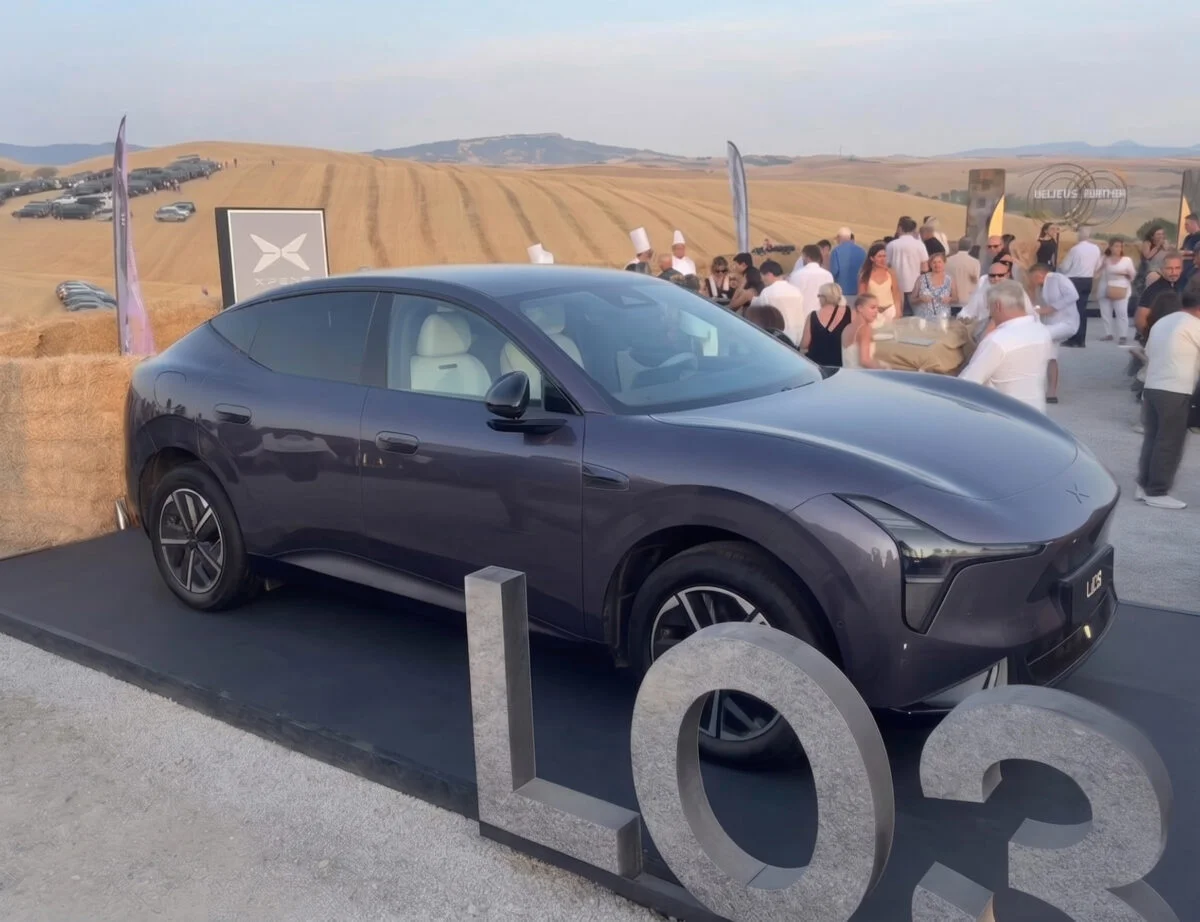
- Use the Environment: Incorporate the surroundings as part of the narrative. Leading lines in the background can draw attention to the vehicle.
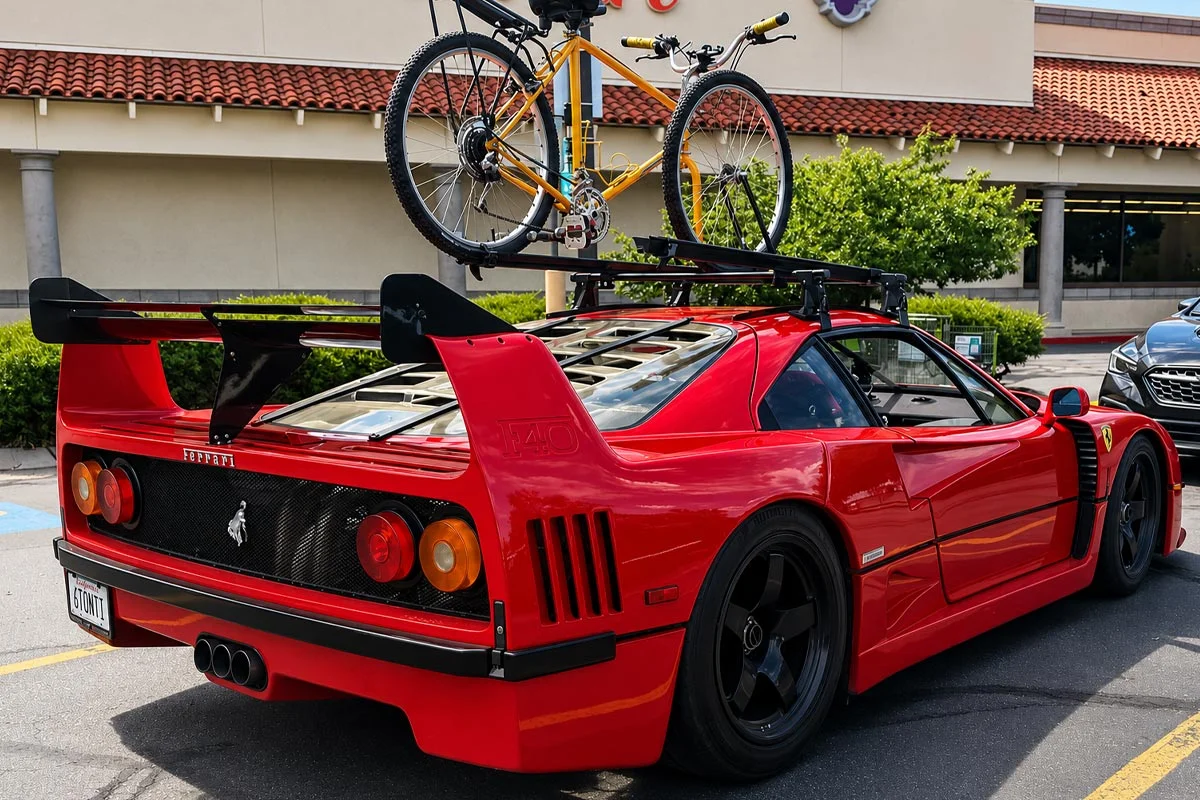
- Incorporate Lifestyle Elements: Add personal touches like driving gloves or luggage to suggest a journey, making the image feel more dynamic.
6. Look Closer: The Beauty of Interiors and Details
Details often reveal a car's character. Focus on the interior elements and craftsmanship:
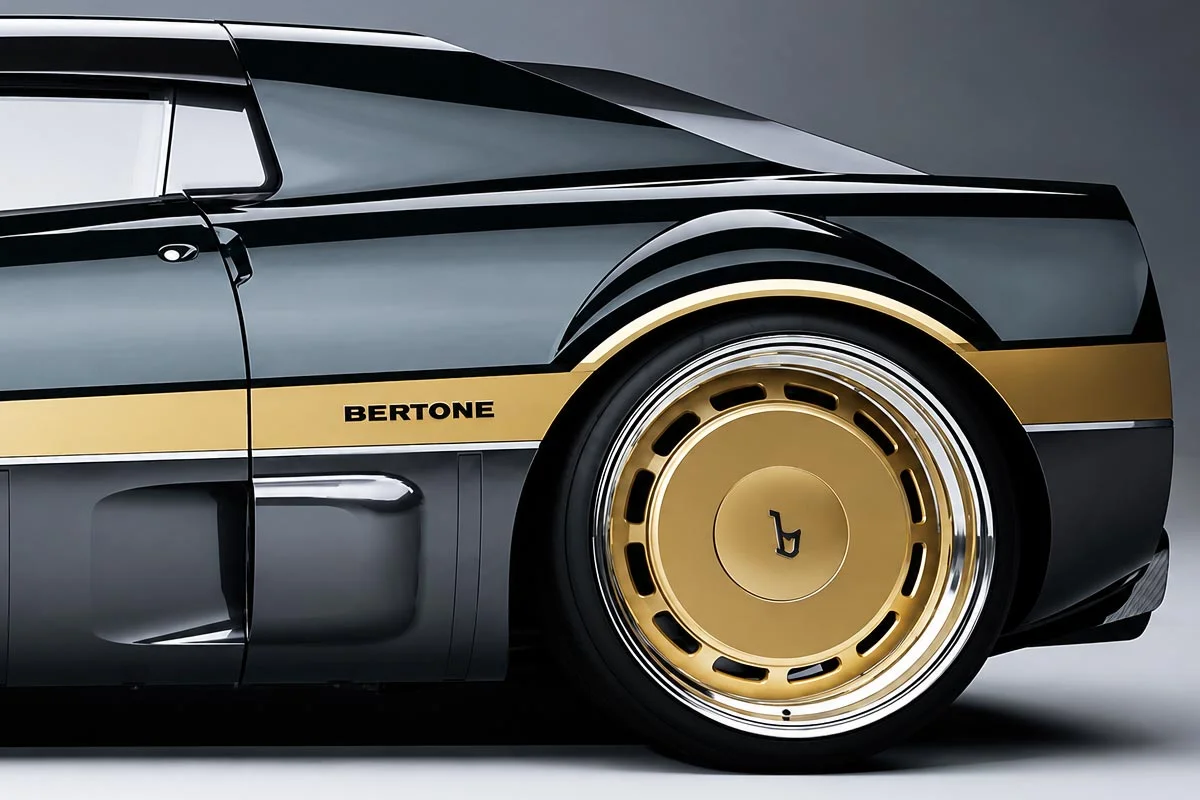
- Capture intricate details like stitching and design features, using natural light to enhance textures. Close-up shots add richness to your portfolio, highlighting the car’s personality.
7. Shoot with the Clock and the Calendar
Timing and seasonal changes can dramatically affect your photography:
- The blue hour provides a serene atmosphere, while urban night settings offer vibrant light contrasts. Seasonal elements like autumn leaves or winter snow can enhance the visual narrative.
8. The Art of the Subtle Edit
Post-processing is where you refine your photographs:
- Start with adjustments to exposure and contrast, then focus on color grading to achieve your desired aesthetic. Use sharpening selectively to maintain image quality.
9. Curate and Share Your Work
Building a portfolio is essential for showcasing your unique style:
- Use social media platforms to tell a coherent story through a series of images. Engage with your audience and other creators to expand your network.
10. Wear Your Passion: Gear and Gifts for the Craft
Investing in your passion can lead to better results. Consider tools that enhance your photography experience and reflect your enthusiasm for the automotive world.
The Final Frame
In essence, car lifestyle photography is about telling compelling stories through images. With a keen eye and the right techniques, you can create stunning visuals that resonate with viewers, transforming a simple car photograph into a narrative masterpiece.