Rivian Accelerates Growth with R2 and Software Innovations
Rivian surpasses expectations in Q2, raises delivery forecasts, and confirms the growth of its electric SUV R2.
Rivian is making significant strides in the electric vehicle market, as evidenced by its second-quarter results that surpassed analyst expectations. The American manufacturer is experiencing growth driven by its automotive sector, the promising commercial launch of its new R2 SUV, and a robust increase in its software and services division. Additionally, Rivian has raised its delivery forecasts for the year while also reducing its capital expenditure projections, indicating a more efficient management of its industrial development.
This announcement comes at a time when the U.S. electric vehicle market is facing challenges, particularly following the expiration of the federal tax credit for consumers. Despite these hurdles, Rivian believes that its push into a more affordable segment will allow it to expand its customer base beyond its premium offerings, which include the R1S and R1T models.
Investor sentiment has been positive following these updates. After experiencing a decline of approximately 15% since the beginning of the year, Rivian's stock rose nearly 2% in the wake of the earnings report. Beyond financial performance, the company is also highlighting the growing interest in its new R2 electric SUV, which is expected to play a crucial role in its future development.
Financial Results Exceed Expectations
In the second quarter, Rivian reported revenues of $1.66 billion, marking a 27% increase compared to the same period last year. This performance exceeded market expectations, with analysts predicting an average of around $1.51 billion.
This growth reflects Rivian's transition toward a more diversified business model. While electric vehicle sales remain central to its operations, the company is also benefiting from a significant increase in revenue from its software and services segment, which grew by 37% to reach $515 million for the quarter. Notably, $308 million of this revenue stemmed from a joint venture with Volkswagen, underscoring the rising importance of software solutions, connectivity, and digital services in the modern automotive industry, where manufacturers are seeking to develop supplementary revenue streams beyond vehicle sales.
Simultaneously, Rivian now anticipates a lower-than-expected adjusted operating loss and has revised its future investment plans downward. The company now expects capital expenditures to range between $1.7 and $1.8 billion, down from a previous estimate of $1.95 to $2.05 billion.
This shift indicates a commitment to cost management while continuing to develop its industrial capabilities and new electric models.
The R2 Electric SUV Shows Promise
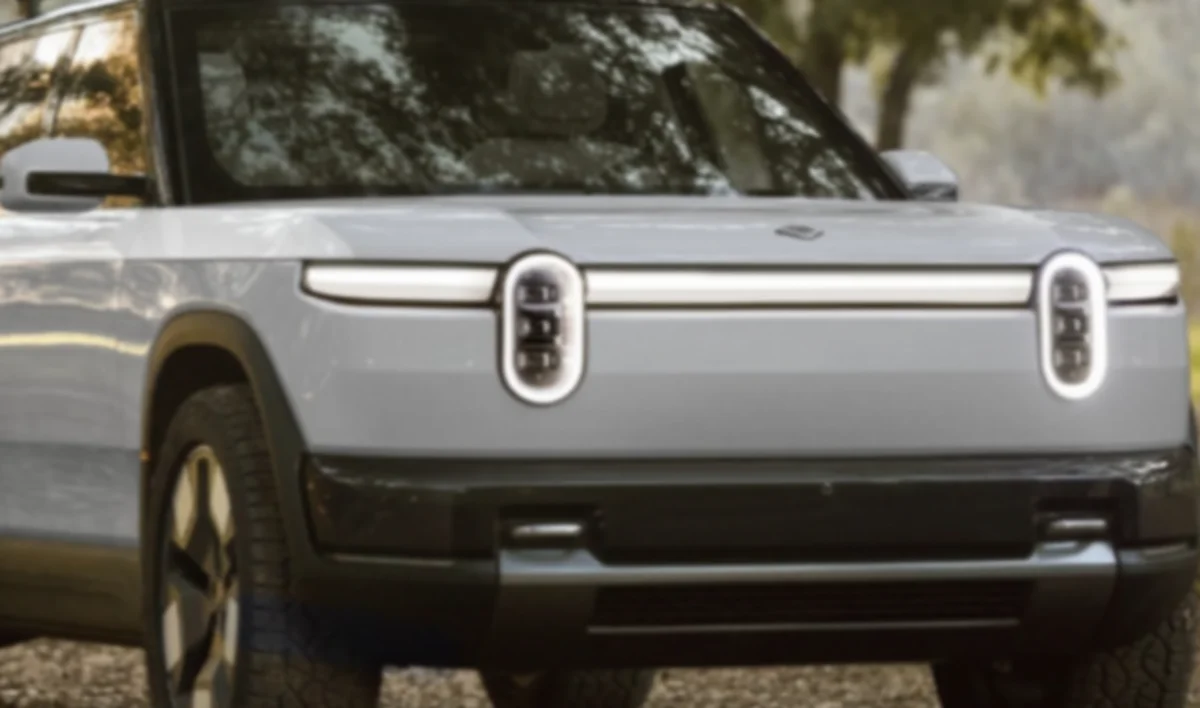
The launch of the Rivian R2 is currently the primary growth driver for the manufacturer. This electric SUV, positioned in a more accessible segment compared to the brand's premium models, represents a strategic step toward broadening Rivian's customer base.
During the second quarter, the company began its first customer deliveries of this model, which is positioned to compete directly with the Tesla Model Y. According to CEO RJ Scaringe, Rivian organized a record number of test drives for the R2 during this period.
Scaringe noted that the conversion rate from reservations to firm orders has exceeded the company's internal forecasts. This sustained interest bolsters Rivian's optimism regarding the R2's potential to become a high-volume model, aiding the company's transition into a broader market.
Additionally, RJ Scaringe mentioned that Rivian aims to achieve a positive gross margin on the R2 in the second half of the year. This goal is significant for the vehicle's profitability and, more broadly, for the financial stability of the brand.
This growth comes amidst a less favorable backdrop for electric vehicle demand in the U.S., particularly following the end of the federal tax credit for buyers.
Enhanced Delivery and Industrial Ambitions
In light of these results, Rivian has raised its delivery forecasts for the entire fiscal year. The company now anticipates delivering between 65,000 and 70,000 vehicles, an increase from its prior estimate of 62,000 to 67,000 units.
This revision reflects the company’s confidence in the commercial momentum of its lineup, particularly driven by the launch of the R2 and sustained activity in its premium models.
To support its industrial development, Rivian has also strengthened its financial position. The manufacturer raised $1.5 billion through a stock issuance conducted over the past month. These funds are intended to help finance capital contributions associated with a loan from the U.S. Department of Energy to support the construction of its future factory in Georgia.
This new industrial capacity is expected to enable Rivian to scale up its production in the coming years while preparing to expand its range of electric vehicles.
Overall, these announcements confirm that Rivian is pursuing a diversification strategy. With increased revenue from software, the development of a digital services platform, and the launch of an SUV aimed at a broader market, Rivian is working to enhance its competitiveness in a sector where cost control, industrial performance, and technological innovation are becoming critical factors.
Our Opinion
The results released by Rivian indicate an improvement in its financial performance and a growth in its software activities, which now represent a significant source of revenue. The launch of the R2 appears to generate commercial interest that exceeds internal expectations, prompting the manufacturer to raise its delivery forecasts. Rivian is also reducing its projected capital expenditures while continuing to fund its future factory in Georgia. These elements reflect a strategy focused on volume growth and diversification of activities, although the long-term evolution remains to be seen.