
Choosing the Right Battery for Your Car: Essential Criteria
Explore essential criteria for selecting the right battery for your vehicle, including types, specifications, compatibility, maintenance, and warranty considerations.
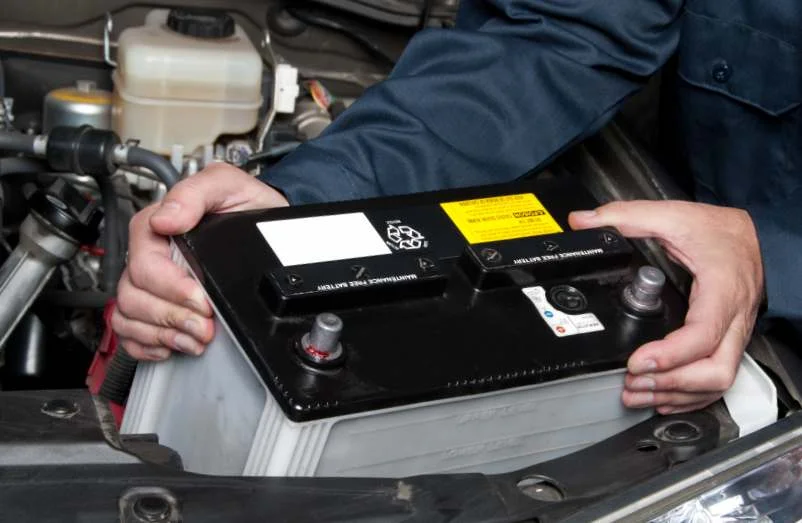
When it comes to selecting a battery for your vehicle, understanding the various options available is crucial. The battery serves as the heart of your car's electrical system, powering everything from the engine to the onboard electronics. Here's a guide to help you navigate through the key considerations when making your choice.
Types of Car Batteries
There are primarily two types of batteries used in vehicles: lead-acid batteries and lithium-ion batteries. Lead-acid batteries are the most common, known for their reliability and affordability. In contrast, lithium-ion batteries are increasingly popular, particularly in electric vehicles, due to their lightweight and high energy density.
Battery Specifications
When selecting a battery, pay attention to specifications such as capacity, cold cranking amps (CCA), and reserve capacity (RC). The capacity indicates how much energy the battery can store, while CCA measures its ability to start an engine in cold conditions. RC reflects how long the battery can run on its own without the engine. These factors are essential for ensuring your battery meets your vehicle's demands.
Compatibility with Your Vehicle
Not all batteries are suitable for every vehicle. It's vital to check your car manufacturer's recommendations for the right battery size and type. Installing an incompatible battery can lead to performance issues or even damage to your vehicle's electrical system.
Maintenance Requirements
Consider the maintenance needs of the battery you choose. Lead-acid batteries often require regular checks and topping up of water levels, while sealed maintenance-free batteries do not. Understanding these requirements can help you make a more informed decision based on your lifestyle and willingness to perform maintenance.
Warranty and Lifespan
A good warranty can be indicative of a battery's quality. Most batteries come with warranties ranging from 1 to 5 years. Additionally, consider the average lifespan of the battery; lead-acid batteries typically last 3-5 years, while lithium-ion options may last longer but can be more expensive.
Conclusion
Choosing the right battery for your car involves understanding various factors, including type, specifications, compatibility, maintenance, and warranty. By considering these elements, you can ensure that you select a battery that will keep your vehicle running smoothly for years to come.