
Understanding Turbo Hoses: A Comprehensive Guide
The turbo hose is a vital component in the engine's boost system. This guide covers its function, symptoms of failure, material comparisons, and tips for choosing the right hose.

The turbo hose is an essential component in the engine's forced induction system 🚗. It facilitates the flow of compressed air between the turbocharger and the engine, thereby enhancing engine performance. This detailed guide aims to help you grasp the function of the turbocharger hose, identify symptoms of a damaged turbo hose, compare materials such as silicone turbo hoses, and select the ideal compatible hose for your vehicle, whether for a standard replacement or a performance upgrade.
Function and Operation of the Turbo Hose
The turbo hose plays a critical role in the air conduit connecting the turbo to the engine. Without this flexible and durable piece, the efficient flow of turbo gases would be compromised, directly affecting boost pressure and, consequently, power output. Understanding the stresses experienced by this turbocharger hose is the first step in choosing the right hose for your needs 🔧.
- Ensures the delivery of compressed air from the turbocharger to the engine
- Maintains sealing under high turbo pressure
- Withstands high temperatures and engine vibrations
- Contributes to engine performance by preserving maximum pressure
Functioning in the Air Intake Circuit
The turbo air intake hose connects the turbocharger to the intake manifold, forming a vital passage for compressed air. This turbo hose must deliver an optimal and stable airflow to ensure effective turbocharging 🚀. Any leaks or weaknesses in this hose can affect turbo pressure and lead to decreased engine performance.
Mechanical and Thermal Constraints on the Hose
The turbo hose must endure extremely demanding conditions. The combination of high heat generated by the engine, the maximum pressure exerted by the compressed air, and constant vibrations creates a hostile environment for any air hose. This is why specific materials that combine durability and thermal flexibility are preferred 🔥.
- Temperatures exceeding 150°C
- High turbo pressure reaching several bars
- Constant engine vibrations
- Contact with fluids like oil or fuel
- Potential friction with other components
Impact of the Hose on Engine Performance and Reliability
A well-maintained hose ensures a perfect seal, optimizing boost pressure and engine performance. A durable flexible turbo hose minimizes the risk of leaks, thereby preserving fuel efficiency and engine longevity 💡.
Symptoms and Causes of Turbo Hose Failure
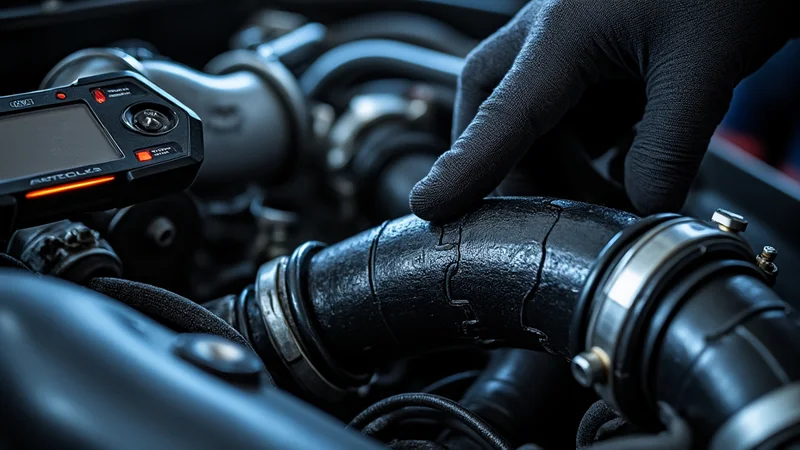
Identifying engine issues related to the turbo hose is crucial to avoid costly breakdowns. Symptoms of a damaged turbo hose can manifest in various ways, alerting the driver to the need for swift and accurate diagnosis 🛠️.
- High-pitched whistling during acceleration
- Noticeable loss of power
- Unusual noises from the engine compartment
- Increased fuel consumption
- Boost pressure failure
Auditory and Behavioral Signs
A characteristic whistling noise often indicates an air leak in the turbo hose. This sound, easily detectable, usually accompanies a loss of performance and a less responsive acceleration. The engine may also exhibit stalling or jerking, indicating a problem in the air intake circuit 🎯.
- Continuous or intermittent whistling
- Reduced perceived power
- Less smooth acceleration
- Slower RPM increase
Visual Signs and Physical Inspections
A simple visual inspection can reveal cracks, fissures, or deformities on the turbo hose. These signs indicate advanced wear or deterioration due to heat and pressure. Checking for oil traces or residue can also help spot a hidden leak related to improper filter installation.
Main Causes of Wear and Degradation
The hose experiences accelerated aging due to thermal stresses, turbo pressure, and constant friction. The material may lose flexibility or become brittle, especially if the hose is not designed to withstand extreme temperatures or the chemical composition of fluids present in the engine 🧪.
Effects of a Defective Hose on Safety and Mechanics
A cracked or ruptured hose leads to an air leak that disrupts boost pressure. This can result in overconsumption, a notable drop in power, or even more severe mechanical damage, jeopardizing engine reliability and vehicle safety ⚠️.
Choosing and Characterizing Turbo Hoses
With a variety of options and materials available, selecting the right turbo hose requires understanding the advantages of each type. Hoses can be universal, specific, or sold as complete hose kits, with various materials such as high-temperature silicone or reinforced rubber. Here’s an overview of the options to guide your choice 📊.
Types of Hoses: Universal, Specific, and Complete Kits
Universal hoses are versatile and fit multiple vehicle models, making turbo hose replacement straightforward. Specific hoses are designed for particular vehicles, ensuring perfect compatibility. Complete hose kits include several parts for comprehensive repairs, often including clamps and turbo accessories 🛒.
Materials Used: Silicone, Reinforced Rubber, Aluminum
The choice of material directly affects the hose's durability, thermal flexibility, and chemical resistance. Silicone hoses are favored for their flexibility, heat resistance, and longevity. Reinforced rubber remains a cost-effective option with good mechanical resistance. Aluminum, often used in reinforced pipes, provides rigidity and a sporty appearance but offers less flexibility.
Selection Criteria Based on Use: General Public vs. Performance Tuning
For general public use, the priority is often durability and vehicle compatibility, with a good price-to-quality ratio. Flexible silicone turbo hoses are an excellent compromise. Tuning enthusiasts or competitors tend to opt for high-performance turbo hoses, reinforced and sometimes colored, that optimize airflow and add a unique aesthetic touch ✨.
Standards and Certifications to Consider
To ensure reliability, it’s important to choose hoses that comply with recognized automotive certifications, guaranteeing perfect sealing, maximum pressure resistance, and compatibility with manufacturer standards, similar to choosing a trusted garage. The clamps should also meet standards to avoid loosening during use 📋.
Installation, Maintenance, and Replacement of Turbo Hoses
Properly installing a turbo hose is crucial for maintaining engine performance and safety. Careful installation, regular maintenance, and timely replacement help prevent breakdowns and extend the lifespan of the forced induction system, especially at speeds like 130 km/h.
Key Steps for Correct Installation
- Disconnect the battery to avoid electrical risks
- Carefully remove the old hose by loosening the clamps
- Clean the fittings and check for debris or corrosion
- Position the new compatible hose, ensuring the correct inner diameter
- Firmly tighten the clamps without over-tightening to ensure sealing
- Check for any bends or tension points on the flexible hose
- Conduct a test run to ensure correct boost pressure
Recommended Maintenance Frequency and Methods
Regularly inspect the intake hose and the boost hose for signs of wear or cracks. A gentle cleaning with a damp cloth helps preserve the appearance and flexibility, especially for high-temperature silicone hoses. Turbo hose maintenance also includes checking the clamps, which can loosen over time 🧽.
Signs Indicating It's Time to Replace the Hose
A persistent whistling sound, visible cracks, or deterioration of the reinforced flexible hose signal that a replacement is necessary. Do not delay in repairing the hose as prolonged leaks can damage other components of the compressed air circuit ⚡.
Compatibility with Other Components in the Forced Induction Circuit
When replacing, also check the condition of the clamps, fittings, and connected air hoses at an authorized garage. Poor condition of these turbo accessories can compromise sealing and overall system performance, even with a new hose. Ensure all components work harmoniously for optimal airflow 🌟.
Aesthetic and Sporty Dimension of Turbo Hoses
The turbo hose is no longer just a functional part. For tuning and competition enthusiasts, it becomes a customization element, combining strength and style. Reinforced and colored hoses appeal visually while enhancing engine performance 💥.
Reinforced and Colored Hoses: Aesthetic and Robustness
Colored or reinforced silicone hoses add a unique visual touch under the hood while resisting high temperatures and engine vibrations. These reinforced hoses are designed to withstand increased turbo pressure, combining thermal flexibility and durability. Their sporty look is particularly appealing to enthusiasts 🚗.
Impact on Engine Performance and Optimization
In addition to aesthetic appeal, these high-performance hoses improve airflow and reduce losses from leaks or deformation. The result translates to better boost pressure and thus improved performance with the turbo hose, ideal for demanding engine setups ⚡.
Trends and Preferences Among Tuning Enthusiasts
- Blue, red, or matte black silicone hoses
- Complete hose kits with matching accessories
- Recognized brands: Mishimoto, HKS, Garrett
- Reinforced models for specific vehicles
- Stainless steel clamps for a polished finish
Specific Maintenance for Aesthetic Hoses
To maintain the color and flexibility of silicone hoses, regular cleaning with warm water without harsh chemicals is recommended. Avoid prolonged contact with oils or solvents that could damage durability and appearance 🌿.
Influence of Climatic Conditions on Turbo Hoses
Climatic variations, such as extreme cold, humidity, or heat, affect the durability of hoses. A flexible silicone turbo hose offers better resistance to thermal cycles and pressure variations. Adapting the choice of hose and its maintenance according to local climate can prevent cracks and unexpected leaks ❄️☀️.