A Comprehensive Review of Mecanicus: Performance and Limitations
A detailed exploration of the Mecanicus platform, assessing its effectiveness and limitations for finding classic and luxury cars. This review covers user experience, quality of listings, and overall efficiency.
As I opened Mecanicus at 7:42 PM, the screen lit up alongside the distinct click of my trackpad and the lingering scent of cold coffee. In my role as an automotive writer for CarBling, I aimed to evaluate whether this platform could deliver on its promises regarding classic and luxury cars. My focus was primarily on the quality of listings, clarity of the files, pricing of vehicles, and user-friendliness. Having spent years in the automotive journalism field, I understand that an attractive listing can sometimes mask a mediocre vehicle, and vice versa. Living with my partner, I keep a close eye on every euro spent.
Testing Mecanicus in Real Conditions
I conducted this test over a span of six weeks, logging in during the evenings and on weekends using both my computer and phone. I maintained a tight mental budget to see where the platform would take me, avoiding the allure of the most visually appealing listings. Additionally, I considered my limited time due to work commitments and my life with my partner.
- I filtered searches by year of manufacture, mileage, interior color, transmission type, and price.
- I focused on vehicles with comprehensive files, visible maintenance history, clear vehicle registration, and numerous photos.
- Before any visits, I requested the complete file and compared it against the market value and price comparisons.
- I noted the responses I received, their speed, any shortcomings, and proceeded with visits only when the listing seemed solid.
My Profile and Specific Expectations
I wasn't in search of a miraculous deal. My goal was straightforward: to find a classic car with a clear history, a well-maintained condition, preferably low mileage, and transparent pricing. I also wanted to assess whether Mecanicus provided enough information to gauge the brand reputation, technical specifications, after-sales services, and the vehicle's standing in the collector's market. My experience as an automotive writer has taught me to look beyond the surface. I approached the listings as I would when preparing an article, but this time, it was my own time at stake.
Testing Steps and Frequency of Use
I started by browsing listings without making contact, then sent specific inquiries regarding the car model, engine power, interior color, maintenance history, and history verification. I wanted to discern whether responses were direct or evasive. Over a week, I revisited several listings multiple times to monitor any changes in the listed price. I adopted a rather straightforward method, which quickly helped me avoid unrealistic expectations.
- I asked my questions right from the first exchange, keeping requests concise.
- I tracked how quickly sellers responded or if they were vague about any defects.
- I examined invoices, price histories, and visible elements in the photos.
- I assessed whether the car appeared ready for a test drive or was merely visually appealing on screen.
Concrete Measurements with Mecanicus
I encountered pleasant surprises regarding the quality of the files. The listings I opened featured abundant photos, visible maintenance records, and prompt responses when I inquired about details. I was impressed by the quality of certain files, especially when there was a clear correlation between the history, invoices, and the stated condition. At this point, I sensed that automobile sales were treated as a well-crafted presentation rather than just a basic advertisement.
| Criterion | Observations | My Opinion | |-----------|--------------|------------| | Listings Reviewed | Numerous photos and comprehensive files | I save time right from the screen | | Complete Files | Maintenance history present on several vehicles | I trust invoices more than verbal assurances | | Visits Made | Cars were clean, with an almost new interior smell | The first contact reassures | | Photo/Reality Gap | Minor scratches, marked rims, touch-ups on some cars | I no longer get lulled by flattering lighting |
Quality and Transparency of Files
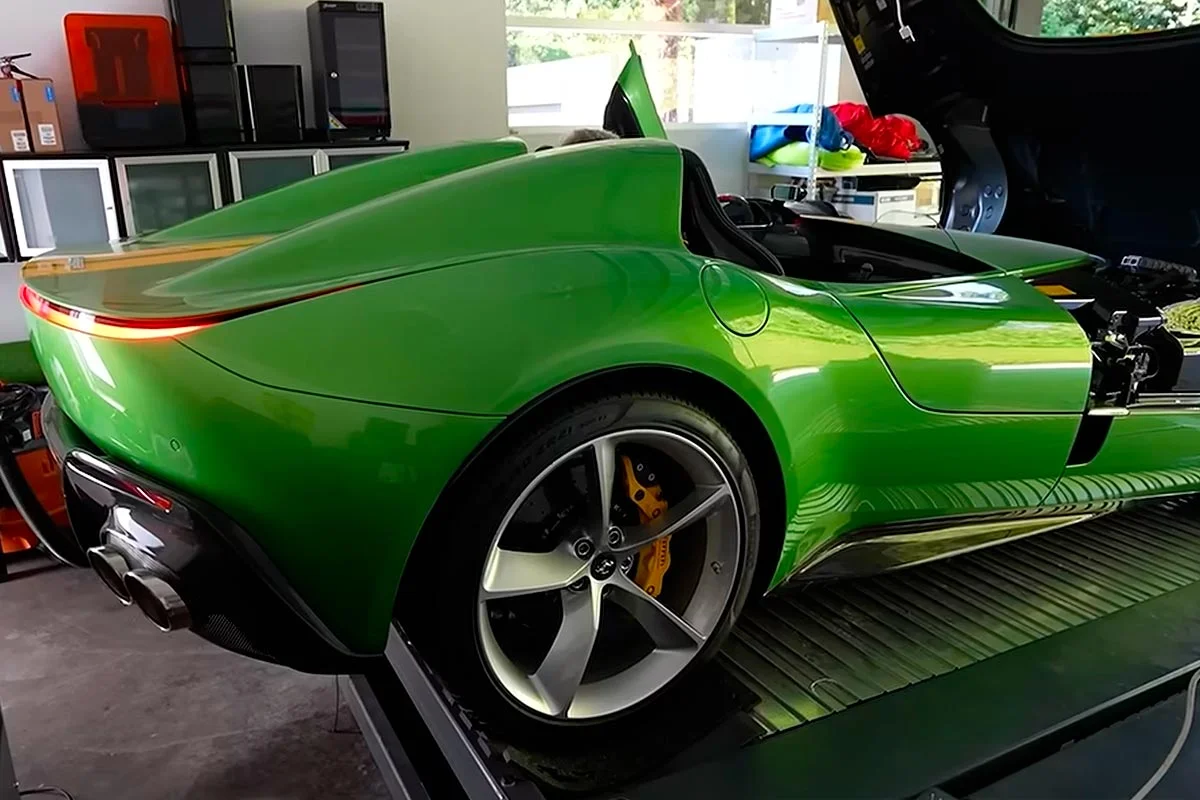
I primarily scrutinized the files. When I encountered a listing with multiple invoices, a well-documented maintenance history, and precise indicators of previous usage, I felt reassured. I also noted which questions were genuinely answered and which were avoided. I observed varying levels of detail across a Ferrari, a Porsche, and a Mercedes-Benz, but the best listings discussed usage, maintenance, and past model reviews with concrete references.
The trap, I ultimately realized, was in believing that a polished narrative could substitute for evidence. When I read a listing discussing leather, automatic or manual transmission, the presence of Alcantara, or the Rosso code, I primarily looked for consistency with the invoices. What I truly learned was that documentation speaks louder than marketing jargon. I also found cars with a clear year, clean registration, and well-defined color, which helped me filter quickly.
Consistency Between Photos and Actual Vehicle Condition
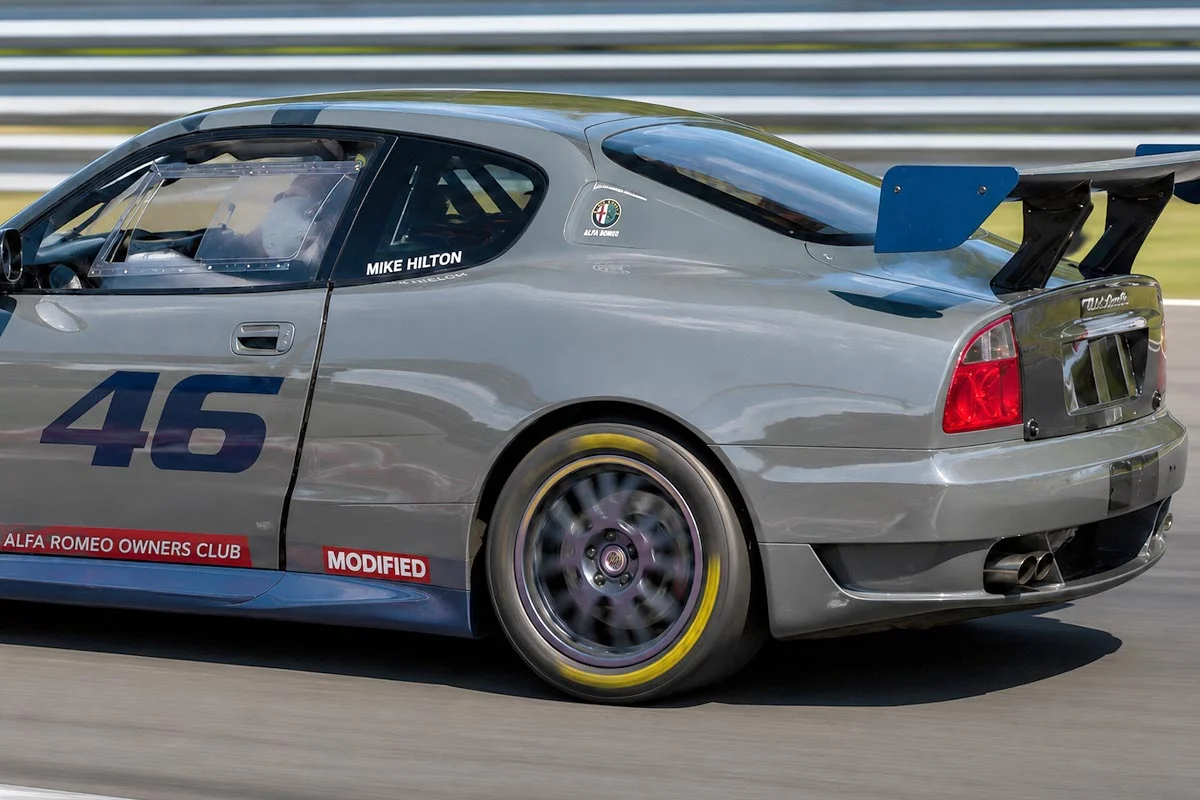
I noticed several flattering photos taken in soft lighting, which made the bodywork appear smoother. However, in natural light, I spotted a micro-scratch that altered my perception of the car, as well as a paint touch-up on another example. The true indicators were found on door edges, seat bolsters, rims, and sills. By examining these before my visits, I avoided creating unrealistic narratives.
Displayed Prices and Additional Fees
I quickly realized that the price could escalate significantly. A common complaint, which I also experienced, was about the fixed pricing and limited negotiation margin. An initial exchange might give the impression of a discussion, but the tone quickly settled into a tight framework. I observed this with luxury cars, as well as highly sought-after vintage models.
I also examined the final amount when available, particularly the commission and any services added to the listed price. While I didn't conduct extensive calculations, I noted that the total could rise unexpectedly. For a luxury vehicle, the displayed price is not the only factor to consider. I recorded the total, and it often exceeded my expectations.
Summary of Key Results
| Point Monitored | Result Observed | Personal Insight | |-----------------|-----------------|------------------| | Complete Files | Present on a good portion of vehicles | I filter better before moving forward | | Visits | Few but well-targeted | I waste less time | | Photo/Reality Gap | Micro-scratches, marked rims, touch-ups | I examine sensitive areas first | | Price | High positioning | Negotiation margin remains slim | | Responses to Questions | Quick when the file is solid | I trust well-structured listings |
Before and After Mecanicus: What Truly Changes
Prior to using Mecanicus, I spent my evenings bouncing between generic listings, vague messages, and inadequate files. I often found myself comparing car prices without a proper framework, with vehicles that strayed far from my target. After these six weeks, I returned with a more methodical yet calmer approach. I discovered that the platform significantly shortened the sorting phase, particularly when I needed to assess model availability, market value, and preparation levels.
| Criterion | Before Mecanicus | After Mecanicus | |-----------|------------------|-----------------| | Time Spent | Much empty sorting | Fewer useless listings | | Number of Visits | Several trips for nothing | Better-targeted visits | | Quality of Files | Uneven | More consistent for selected vehicles | | Negotiation | Uncertain discussions | Firmer prices, reduced margins |
Differences in the Quality of Listings and Files
I sensed the difference from the very first read. Traditional listings often left me with gaps, whereas Mecanicus provided more substance regarding vehicle evaluation, history, and finish. I noted details about interior color, leather, silverstone, verde scuro, or a british racing green that helped me visualize the car without falling for illusions. I also compared files for BMW, Aston Martin, Lotus, Alpine, Audi, and Saab to see if the platform maintained a consistent standard.
I found that the most useful files clearly discussed the car brand, maintenance, and engine power. When I read a clean file, I felt more at ease judging a PDK gearbox, a dual-clutch, or a well-maintained manual. I wasn't looking for the perfect listing; I just sought enough truth to avoid disappointment during visits.
Impact on Time and Energy Spent
I saved time on contacts, though not on curiosity. I became less scattered and avoided several empty exchanges. Conversely, I expended a bit more energy on two listings that appeared attractive but quickly fell short once the price remained locked. I became more direct with my questions, which helped me avoid unnecessary trips.
| Criterion | Before | After | |-----------|--------|-------| | Sorting Time | Long and scattered | Shorter and clearer | | Back-and-Forth | Multiple empty exchanges | Rarely unnecessary | | Questions Asked | Late | Early on | | Fatigue Level | I ended exhausted | I finished more clear-headed |
Errors, Limitations, and Surprises Encountered
I made the classic mistakes, which quickly cost time. I failed to request the complete file before one visit, resulting in a wasted trip due to a missing invoice. I also glanced too quickly at photos of another vehicle, only to discover marked rims and imperfect alignments in person. Since then, I've become less trusting of initial screen impressions.
- I neglected to ask for the complete file early on a listing, leading to a wasted trip.
- I focused too much on photos, later spotting a damaged rim and a touch-up in daylight.
- I overestimated the negotiation margin, and the price remained largely non-negotiable.
- I failed to compare a model with other listings before the visit, only to realize afterward that the price was too high.
Challenges Faced During the Test
I found the selection process tougher than expected. Not all cars made the cut, which was frustrating when searching for a specific model. I also noticed evasive responses whenever questions touched on visible defects. The conversation often quickly centered around pricing from the first contact, which dampened enthusiasm.
I also sensed that the displayed price could obscure additional fees. A commission or added service can quickly alter the budget's perception. With a luxury vehicle, the gap between desire and final cost becomes apparent immediately. I found myself recalculating several times, which became quite frustrating.
Unexpected Surprises During Visits or Exchanges
I encountered two surprises. The first, a pleasant one, was a more serious file than anticipated, complete with invoices and a clean history. The second, less favorable, was a car that looked stunning on screen but appeared more subdued in natural light. I noticed a micro-scratch that changed my interpretation of the listing. At that moment, I understood that photos do not tell the entire story.
My Recommendation Based on Your Buyer Profile
I maintain a nuanced opinion. Mecanicus seems robust for those seeking rare cars for sale, vintage models, or a well-curated selection of collectible vehicles. I found it more suitable for someone who already has a clear idea of what they want and is ready to engage with the platform's offerings.