
All-Season Tires: A Practical Guide for the Whole Year
All-season tires are a versatile solution for drivers who want to combine reliability, comfort, and easy maintenance. They blend the characteristics of summer and winter tires to deliver acceptable performance in various weather conditions.

All-season tires are a versatile solution for drivers who want to combine reliability, comfort, and easy maintenance. They blend the characteristics of summer and winter tires to deliver acceptable performance in various weather conditions.
In this guide, you will learn what to look for when purchasing, the advantages of all-season tires, and in which situations they are sensible.
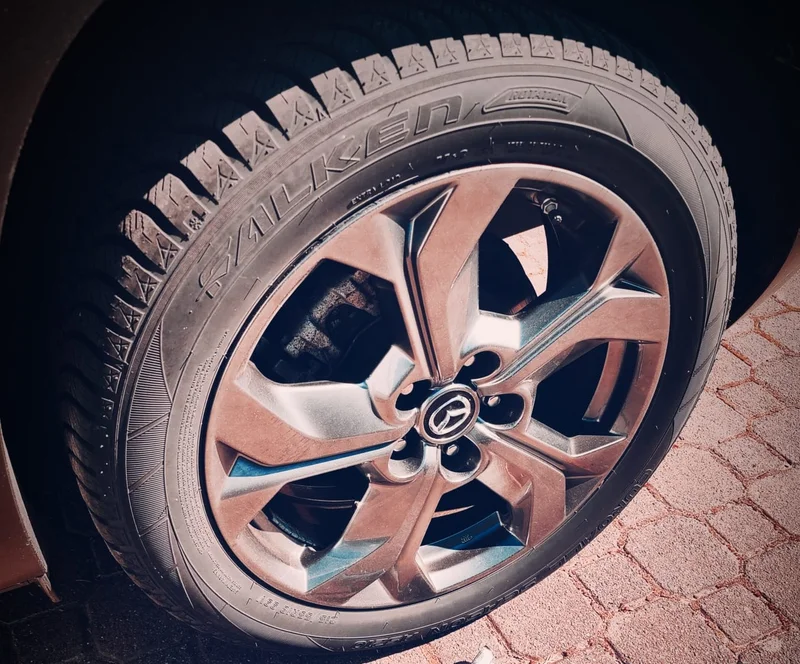
All-season tires an important guide for the right tire
Table of Contents
- What are all-season tires?
- Advantages of all-season tires
- Disadvantages and limitations
- Purchase and selection criteria
- Care and maintenance
- Application examples for all-season tires
- Similar experiences in the blog:
What are all-season tires?
All-season tires are designed to be used year-round. They feature a tread pattern with moderate grooves and sipes that provide good traction on wet roads as well as adequate grip in colder temperatures. Ideally, the tires remain durable at temperatures above freezing while also offering secure handling in snow and ice.
However, there are differences within the category: Some models emphasize dry and wet grip, while others focus on winter characteristics. Therefore, it is worthwhile to look into the specifications and take a test drive under realistic conditions.
Advantages of all-season tires
- Fewer tire changes: With all-season tires, the seasonal switch between summer and winter tires is eliminated. This saves time, money, and storage space.
- Long-term cost savings: Although the purchase price is often higher than that of a single tire category, costs can be reduced due to less effort for tire changes, alignment, and dismounting.
- Everyday comfort: The all-season tread is designed for a smooth, even driving style, contributing to a more comfortable driving experience.
- Space-saving solution: Those with limited storage space benefit from the reduction of seasonal tire sets around the vehicle.
Disadvantages and limitations
– Performance differences compared to specialized tires: In extreme winter conditions or at very high speeds, specialized winter or summer tires may perform better. All-season tires remain a compromise solution.
– Wear: Depending on climatic conditions and driving style, the lifespan can vary. Especially during frequent long drives in summer or heavy winter use, tread wear can occur more quickly.
– Regional suitability: In areas with harsh winters or frequent frost, adding a seasonal tire set is often recommended, as specialized tires offer advantages here.
Purchase and selection criteria
- Tread design: Look for a balanced tread with sufficient sipes for traction in snow, but also for dry and wet grip. A moderate to open tread design helps break water and oil films on the road.
- Rubber compound: Modern all-season tires use compounds that remain flexible at lower temperatures without becoming too hard in heat. A good balance ensures better grip in winter and stability in summer.
- Speed symbol: Check the speed or load index marking to ensure that the tire matches your vehicle and driving style.
- EU tire label: Safety and environmental aspects are often represented by the label with rolling resistance, wet grip, and noise emissions. Higher values in hazardous situations are helpful indicators, but ensure that the overall experience is satisfactory.
- Tire dimensions: Not all sizes are available as all-season tires. Make sure that the chosen dimension is recommended or at least permissible by the vehicle manufacturer.
- Wear indicators: Look for indicators that show when tire pressure drops too low or tread depth becomes dangerous. Regularly checking tread depth is essential.
Care and maintenance
– Tire pressure: Maintain the recommended tire pressure. Too low pressure increases rolling resistance, while too high pressure reduces the contact area and can impair grip.
– Check tread: Inspect the tread at least every 2–3 months. If the tread depth falls below 4 mm, consider replacing the tires.
– Tire rotation: Regular rotation between front and rear tires ensures even wear. This is particularly important if you have a front- or rear-wheel-drive system.
– Driving style: Hard braking, quick direction changes, or sporty driving put more stress on all-season tires. A gentle driving style extends their lifespan.
Application examples for all-season tires
- Urban traffic and commuting: Those who primarily drive short distances benefit from the convenient all-season solution without seasonal changes.
- Regions with moderate winters: In areas without extreme frost days or much snow, all-season tires offer a safe and practical option.
- Limited storage space or rare parking opportunities: Those without space for multiple tire sets find an attractive alternative here.
When is it worth switching to specialized tires?
- Harsh winter regions: In areas with regular snow and ice, high-quality winter tires are often the safer choice.
- Fast, sporty driving: Those who drive performance-oriented typically prefer specialized summer or winter tires, depending on the season.
- Long-distance summer driving: In very high temperatures, summer tires can offer better grip and efficiency.
Conclusion
All-season tires provide a pragmatic solution for drivers who value reliability, comfort, and uncomplicated maintenance. They are particularly sensible when driving needs are moderate, winter is not extremely harsh, or storage for multiple tire sets is limited.
Nevertheless, it remains important to consider individual conditions, driving behavior, and regional weather conditions. If unsure, taking a test drive with various models under real conditions can help find the right balance between safety, comfort, and cost-effectiveness.