China Ends Tax Exemption on Lithium-Ion and Solar Batteries
China ends a tax exemption on lithium-ion and solar batteries to regulate industrial competition and address overcapacity in the new energy sector.
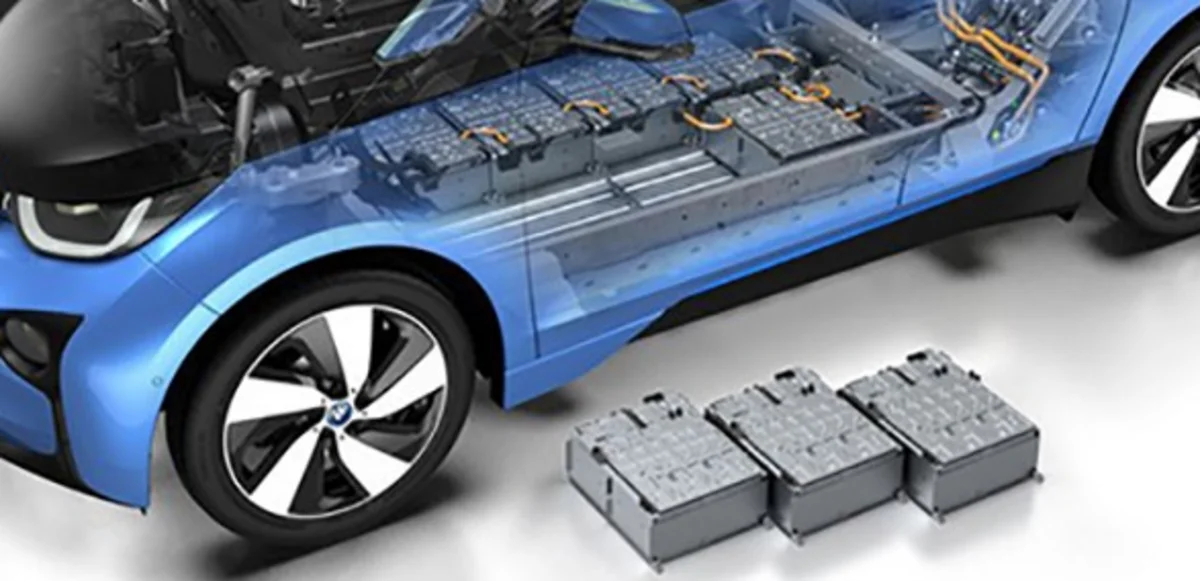
China is poised to implement significant changes to its tax policy concerning new energy sectors. The government plans to end a decade-long exemption on consumption taxes for solar and lithium-ion batteries, a move aimed at regulating industrial competition amid increasing rivalry among manufacturers.
According to an announcement from the Chinese Ministry of Finance, a consumption tax of 2% will be imposed on lithium-ion batteries starting in September. This tax will apply to batteries used in electric vehicles and energy storage systems, with solar batteries facing similar taxation beginning April 1, 2027.
The tax structure is set to evolve gradually, with the rate for lithium-ion batteries increasing to 4% by September 2027. For solar cells, this 4% tax will take effect from April 1, 2028.
This shift signifies a pivotal change in China's approach to renewable energy industries. Over the past several years, China has heavily invested in the development of electric vehicles, battery technology, and solar innovations to enhance its position in the global energy transition.
Gradual Withdrawal of Fiscal Support for Batteries
In 2015, China eliminated the consumption tax on solar panels and lithium-ion batteries, coinciding with a period of increased support for new energy sectors. This favorable tax policy facilitated rapid industrial expansion within China.
As a result, Chinese manufacturers of batteries and solar components have emerged as dominant players on the global stage, significantly contributing to the massive growth of electric vehicles and energy storage solutions.
However, this rapid growth has also led to challenges, including overcapacity in several industrial segments. Domestic manufacturers are now facing intense competition, characterized by significant price pressures.
The introduction of the new tax comes as authorities seek to better balance industrial development. Beijing aims to curb some excesses related to rapid expansion while maintaining the competitiveness of its companies in strategic technologies.
The automotive sector is particularly affected by this change, as lithium-ion batteries are crucial components of electric vehicles. Their cost, production, and availability are critical factors influencing the competitiveness of Chinese automakers specializing in electric vehicles.
Beijing Aims to Reduce Industrial Overcapacity
The tax decision follows several initiatives aimed at encouraging restructuring within the industry. Chinese authorities have already intensified efforts to promote consolidation among manufacturers and reduce the influence of less efficient players.
Earlier this year, officials met with major battery manufacturers to caution them against excessive production capacity and price wars that could jeopardize the sector as a whole.
This strategy reflects a desire to transition the industry towards a model focused more on efficiency and profitability. After a period of rapid growth supported by favorable policies, authorities are now looking to address imbalances created by overly intense competition.
For automotive manufacturers and energy technology companies, this shift could alter various economic parameters. Batteries constitute a significant portion of the electric vehicle value chain, and any changes to their taxation can impact production costs.
Nonetheless, China remains committed to advancing technologies related to the energy transition. The new tax policy does not undermine overall support for electric vehicles or renewable energies but aims to regulate a market that has become highly competitive.
Certain Emerging Technologies Remain Exempt
Despite the introduction of this new tax, some emerging technologies will be treated differently. Perovskite solar cells, sodium-ion batteries, and solid-state batteries will remain exempt from taxes.
This exemption will be in place from September this year until the end of 2028, aimed at fostering the development of technologies still in the evolution phase, which could play a pivotal role in future energy solutions.
Sodium-ion and solid-state batteries are particularly relevant to the automotive industry, which is keen on diversifying energy storage solutions and enhancing electric vehicle performance.
This distinction illustrates that China's policy is not solely focused on increasing tax revenues. It also seeks to guide market evolution by promoting specific innovations while mitigating the adverse effects of rapid industrial growth.
With this reform, Beijing is gradually modifying its approach to the battery and solar energy sectors. After a decade of exemptions designed to accelerate development, authorities are now introducing a new fiscal framework to support an industry that has become significant yet faces challenges related to competition and production capacity.
Conclusion
The implementation of a tax on lithium-ion and solar batteries marks a new phase in regulating China's industries linked to the energy transition. This decision comes as manufacturers contend with strong competition and overcapacity. Electric vehicles remain central to this evolution, as batteries are a strategic element in their development. The continued exemption for certain emerging technologies also reflects Beijing's commitment to fostering innovation.