Choosing and Installing the Right Automotive Clip
Replacing a broken automotive clip can be quick and cost-effective if you know how to measure and choose the right part. Learn about the essential dimensions and types of clips, and discover the best ways to install them.
A broken automotive clip can be replaced in under 10 minutes if you know its three key dimensions: head diameter, stem diameter, and overall height. A compatible set typically costs between €4 and €12 from specialized retailers, compared to €25 to €40 charged at dealerships for the same service. The real challenge lies not in the price but in ordering a visually similar clip with slightly different specifications, which won’t secure the trim properly. Here’s how to identify the correct model, compare it with alternatives, and install it without damaging adjacent parts.
🔑 Key Points
- ✓ A caliper is all you need to identify a clip: 3 measurements in mm will help you find a compatible set
- ✓ Universal kits with 400 pieces priced at €15 cover 70% of common needs, but often fall short for specific side trims
- ✓ A clip removal tool costing €8 prevents 90% of breakages when removing door trim
- ✓ A broken plastic clip should be replaced: reattaching it with epoxy glue rarely lasts more than a few weeks.
What is an Automotive Clip and What Is Its Purpose?
An automotive clip, also known as a body fastening clip, is a plastic or metal connector. Its purpose is to secure a removable part against the vehicle's body or structure. Unlike screws or rivets, it can be inserted by simple pressure and removed without drilling tools. This reversibility makes it essential wherever quick access is required: trims, bumpers, wheel wells, and moldings. A modern vehicle typically contains between 150 and 400 clips, distributed throughout the body and interior.
Parts Secured by Clips
The door panels are the most common application, with each front door containing 8 to 14 clips that hold the inner trim against the metal structure. Other applications include rocker panels, plastic wheel wells, front and rear bumpers, engine covers, trunk covers, and door sills. Inside, interior trim attachments also secure the headliner, A, B, and C pillars, as well as side panels in the trunk.
Why Do Clips Break So Often?
The ABS or polyamide plastic used in clips degrades due to UV exposure and temperature fluctuations. After 8 to 10 years, the tabs become brittle and can break during removal. Another common cause is improper technique: pulling straight rather than using a plastic lever to gradually disengage the tabs. Additionally, reinstalling a deformed clip guarantees breakage within months, often accompanied by rattling noises while driving.
Real-life example: Thomas, a 34-year-old technical manager from the Lyon region, removes the door trim of his Renault Mégane IV to access a faulty window regulator. He breaks 4 push-pin clips measuring 19 mm. After measuring the reference with a caliper, he orders a compatible pack of 50 clips for €6.90 from a specialized site and reinstalls the trim in 15 minutes without any noise.
Different Types of Automotive Clips
There are five main categories of clips, each designed for specific fastening types. Identifying them at first glance can help you avoid ordering an unsuitable model. Manufacturers generally adhere to OEM standards, but each brand has its own specifics: Peugeot and Citroën share most references, as do Renault and Dacia, while the Volkswagen group (Audi, Seat, Skoda) uses proprietary clips that are often more rigid and expensive.
Plastic Clips: Christmas Tree, Push-Pin, and Mushroom
The Christmas tree clip features multiple conical tabs that insert into a single hole, making it ideal for wheel wells and underbody protections. The push-pin clip consists of two parts: a hollow base and a central pin that, once pressed in, spreads the tabs of the base to secure the fastening. This type is commonly found on door panels and engine covers. The mushroom clip has a wide flat head and a single tabbed stem, used for door panel clips and trunk carpets.
Metal Clips and Welded Clips
Metal spring clips are primarily used in the side moldings of premium vehicles (BMW, Mercedes, Audi) and windshield trims. They last significantly longer than plastic but can rust if the galvanization is damaged. The welded clip technique, popularized on TikTok by body shop professionals, involves re-welding a small ribbed plate onto a part where the original tab has broken. This method is reliable for non-visible internal trims but should be avoided on external components subject to vibrations.
Universal Kits vs. Brand-Specific Clips
A universal kit containing 400 to 500 pieces priced at €15-25 covers the majority of common needs, such as wheel wells, engine covers, and standard trims. However, for specific molding clips, BMW bumper clips, or Audi trim attachments, only the original OEM model will hold securely, as confirmed by product listings in specialized clip catalogs.
| Clip Type | Main Use | Unit Price | Reusable? | |------------------|-----------------------------|-------------------|-------------------| | Plastic Tree | Wheel well, underbody | €0.10 to €0.40 | No | | Push-Pin | Door panel, engine cover | €0.15 to €0.50 | Yes, 2 to 3 times | | Mushroom | Interior trim, trunk | €0.20 to €0.60 | No | | Metal Spring | Side molding, trim | €0.80 to €2.50 | Yes | | Universal Kit | Common multi-uses | €15 to €25 per lot| Variable |
(Pricing observed on specialized sites, 2026)
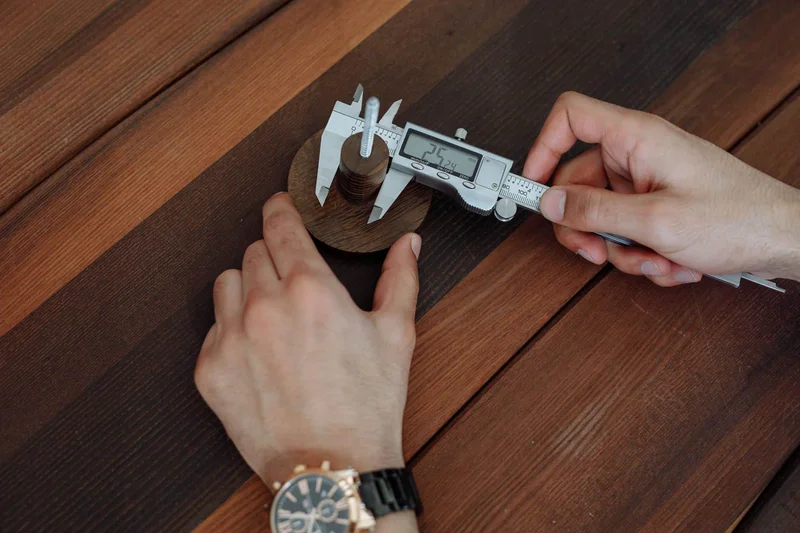
To find a clip, the most effective method is to measure the broken piece with a caliper, rather than comparing a photo online. A caliper priced at €8 is sufficient; the key is to take three measurements in millimeters and cross-reference them with a specialized retailer's catalog. This method works even with a broken piece. If you have the base and the head, you can reconstruct the dimensions. In practice, 90% of ordering errors stem from a neglected measurement, most commonly the height.
The 3 Dimensions to Measure
First measurement: the head diameter, taken at the widest part of the visible section. Second measurement: the stem diameter or body that inserts into the hole. Third measurement: the total height, from the base of the head to the tip. Note these three values in mm with a precision of 0.5 mm. A push-pin measuring 19 × 8 × 22 mm will not interchange with a model measuring 20 × 8 × 22 mm, even if they look identical.
Finding the OEM Reference via the Chassis Number
Every clip bears an OEM reference number, usually molded in very small characters on the base or head. On a Peugeot, look for a code like 6991 T2; on a Renault, 7703 077 421. Have your VIN number (17 characters) ready and consult electronic catalogs (ETKA for VAG, Dialogys for Renault, Service Box for PSA) accessible at certain professionals or on specialized forums.
Concrete example: On a Peugeot 308 II, a wheel well push-pin measures 20 mm head, 8 mm stem, 22 mm high. OEM reference 6991 T2. A set of 20 pieces costs €4.50 on a specialized site, compared to €1.80 each at the dealership, totaling €36 for the same quantity. Savings: 87%.
Removing a clip without breaking it requires a dedicated tool costing less than €10 and the right technique: lift gradually, never pull forcefully. Installing a new clip takes less than 30 seconds once the hole is aligned. The entire operation, including removing a door trim and reinstalling it, takes 15 to 25 minutes for a novice DIYer. Two advantages of doing it yourself: saving €30 to €60 in labor costs and having the correct reference on hand for next time.
Essential Tools
The basic trio fits in a small toolkit: a clip removal tool with curved jaws (€8 to €12), a plastic lever also known as a clip removal tool (pack of 5 for €5 to €8), and a caliper for measuring broken pieces (€8 to €15). Avoid using a flat screwdriver, as it can damage the paint and distort the fastening holes. A headlamp is also very helpful in hard-to-reach areas like wheel wells.
Steps for Safe Removal
Slide the plastic lever parallel to the trim, next to the visible clip. Gently push to create a gap of 2 to 3 mm, then position the clip removal tool around the body of the clip. Pull perpendicularly to the body, never at an angle. If the clip resists, apply pressure on the tool rather than forcing the trim. A push-pin is removed in two stages: first, lift the central pin 3-4 mm with the tip of the lever, then extract the entire assembly.
Installing the New Clip
Align the trim with the fastening hole, present the clip, and press it in firmly with the palm of your hand. A clear "click" indicates that the tabs are in position. Check the hold by pulling slightly: the trim should resist without any play. For a push-pin, press the central pin until it is flush with the base. This second step locks the fastening securely.
Concrete example: Complete toolkit for occasional DIYers: clip removal tool (€10), plastic lever set (€7), caliper (€9), 400-piece universal clip assortment (€18). Total: €44. This investment pays off after just two interventions avoided in the workshop (average €60). Based on observations from Voiture Média (independent automotive blog), the investment is amortized over 3 years, even with family use.
Where to Buy Automotive Clips at the Best Price
Three channels dominate the market: physical auto parts stores, specialized bodywork sites, and general marketplaces. The best choice depends on your priorities: speed (physical store), reference accuracy (specialist), or price per kilogram (marketplace). For a DIYer repairing a specific part, a specialized site remains the most reliable, as it offers searches by brand, model, and year. For stocking up on spares, a universal kit from Amazon or ManoMano works well.
Physical Stores and Specialized Sites
At Norauto, Feu Vert, or Carter-Cash, you will mainly find universal kits and a few common references available for immediate purchase. The advantage is leaving with the part the same day. The downside is limited choice and often a lack of specific references. Websites like LeCoinDuCarrossier, Berner, or PeinturVoiture offer thousands of references with vehicle-specific searches. Expect delivery times of 24 to 72 hours. For related tools, the fastener, clips, and rivets section at Norauto covers basic needs.
General Marketplaces
On Amazon and ManoMano, universal kits of 400 to 500 pieces priced at €12-25 are appealing, but quality can vary significantly between sellers. Always check recent reviews and prioritize lots that explicitly mention the OEM references covered. Be cautious of “all brands” lots priced at €5: the plastic is often too soft, and the tabs can break on the first reinstallation.