Citroën Berlingo XL (2026) Review: Is Diesel Still Worth It?
The Citroën Berlingo XL (2026) faces a declining diesel market share in Germany, now at 13%. With rising fuel prices and changing consumer preferences, is the diesel option still viable for this functional van?
As of the first half of 2026, diesel's market share in Germany has plummeted to just 13.0%, with a continued downward trend. This decline is attributed not only to the diminishing availability of diesel options but also to the soaring prices at fuel stations. Currently, the national average price for diesel hovers around €2.14 to €2.21 per liter.
In the past, a vehicle like the Citroën Berlingo would have been an automatic choice for diesel enthusiasts, touted as a reliable option for long-distance travel. However, as diesel becomes a more complex financial consideration, potential buyers must weigh their options carefully. Within Stellantis, diesel remains a popular choice, especially for commercial vehicles and those derived from them.
Quick Specifications
Citroën Berlingo XL Diesel 130 Max (2026)
- Engine: 1.5-liter four-cylinder turbo diesel
- Drive: Front-wheel drive
- Transmission: 6-speed manual
- Power/Torque: 96 kW (131 hp) / 300 Nm
- 0-100 km/h: 12.9 seconds
- Top Speed: 184 km/h
- Fuel Consumption (WLTP): 5.6 l/100 km / CO2 Emissions: 148 g/km
- Base Price: €31,570
The advantages of the diesel engine remain appealing: impressive range, low fuel consumption, and ample torque for towing. The 1.5-liter diesel engine produces 131 hp and 300 Nm of torque, achieving a fuel efficiency of just 5.6 liters per 100 kilometers. With a 50-liter fuel tank, the Berlingo can cover approximately 850 kilometers, making it a practical option for those in need of a functional vehicle.
Body/Design
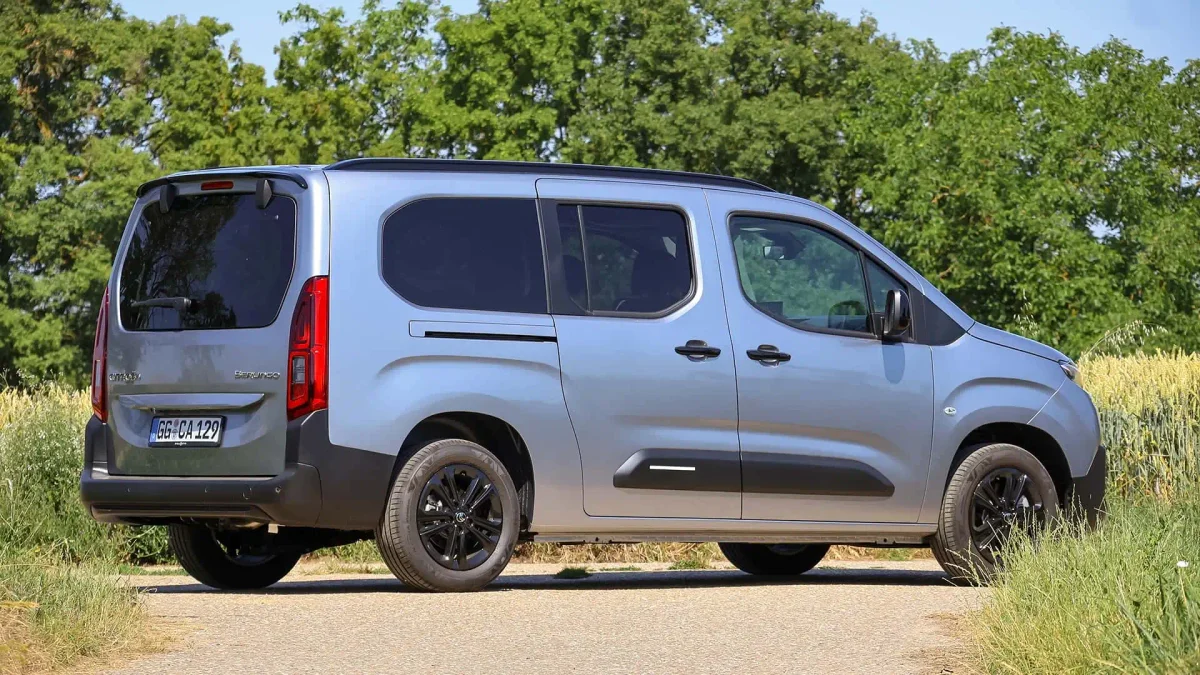
The Berlingo's design is characterized by its utilitarian nature, prioritizing practicality over aesthetics. The latest generation features a front-end design reminiscent of Citroën's C3, C4, and C5 models, with a prominent double chevron logo. While the vehicle's profile may not be striking, it remains a classic example of a functional van.
The XL version we tested measures 4.75 meters in length and includes two practical sliding side doors, though they can be somewhat difficult to operate. The long wheelbase of 2.98 meters contributes to its spacious interior while keeping the overhangs short, which is beneficial for maneuverability.
Interior
The interior of the Berlingo is designed for flexibility and utility. With a cargo space of 1,050 liters behind the second row of seats, it can easily accommodate various needs, from transporting children and strollers to camping gear. When all three individual seats are folded down, the total cargo capacity expands to an impressive 2,693 liters.
The seating comfort is comparable to that of an SUV, and the dashboard is designed for functionality rather than flair, primarily featuring hard plastics. While the infotainment system offers wireless Android Auto connectivity, we encountered occasional connectivity issues during our test.
Dimensions
Citroën Berlingo XL Diesel 130 Max (2026)
- Length x Width x Height: 4,753 x 1,848 x 1,844 mm
- Wheelbase: 2,975 mm
- Cargo Volume: 1,050 - 2,693 liters
- Curb Weight: 1,595 - 1,732 kg
- Max Payload: 483 - 620 kg
- Max Towing Capacity: 1,250 kg
- Max Towbar Load: 74 kg
Performance/Driving Impressions
The Berlingo offers a smooth ride, effectively absorbing minor bumps in the road. It is a comfortable option for long-distance travel, although it is best to navigate curves cautiously. The diesel engine, while audible, provides robust acceleration and good elasticity, allowing for relaxed driving even in challenging conditions. However, some vibrations from the engine can be felt in the cabin at lower RPMs.
The vehicle's driver assistance features are unobtrusive, and the lane-keeping assist is particularly useful on long journeys.
Fuel Consumption/Price
With a fuel efficiency of 5.6 liters per 100 kilometers, the Berlingo is well within acceptable limits for a vehicle of its size. Despite achieving the WLTP value, real-world conditions, especially on highways, may lead to higher consumption. Given the rising fuel prices, potential buyers need to consider whether a diesel engine remains financially viable compared to electric alternatives.
The base price for the diesel variant starts at €28,970, while the electric version is significantly more expensive at €38,620, although incentives can help bridge the gap. For those interested in smaller variants, the diesel starts at €26,770, with the petrol version slightly cheaper at €26,170.
Conclusion: 7/10
The Citroën Berlingo Diesel provides a solid performance with its powerful and efficient engine, combined with ample space and versatility. However, the economic advantages of diesel are diminishing, making it essential for buyers to evaluate their options carefully. The Berlingo remains a reliable family vehicle, but whether to opt for diesel is a personal decision.
-
Extensive space and flexibility
-
Efficient and powerful engine
-
Impressive range
-
Unreliable connectivity (Android Auto)
-
Difficult-to-operate sliding doors
-
Economic benefits are fading