Ford Prepares for the Arrival of Chinese Automakers in the U.S.
Ford anticipates the possible arrival of Chinese automakers in the U.S. and is accelerating its strategy in response to automotive competition.
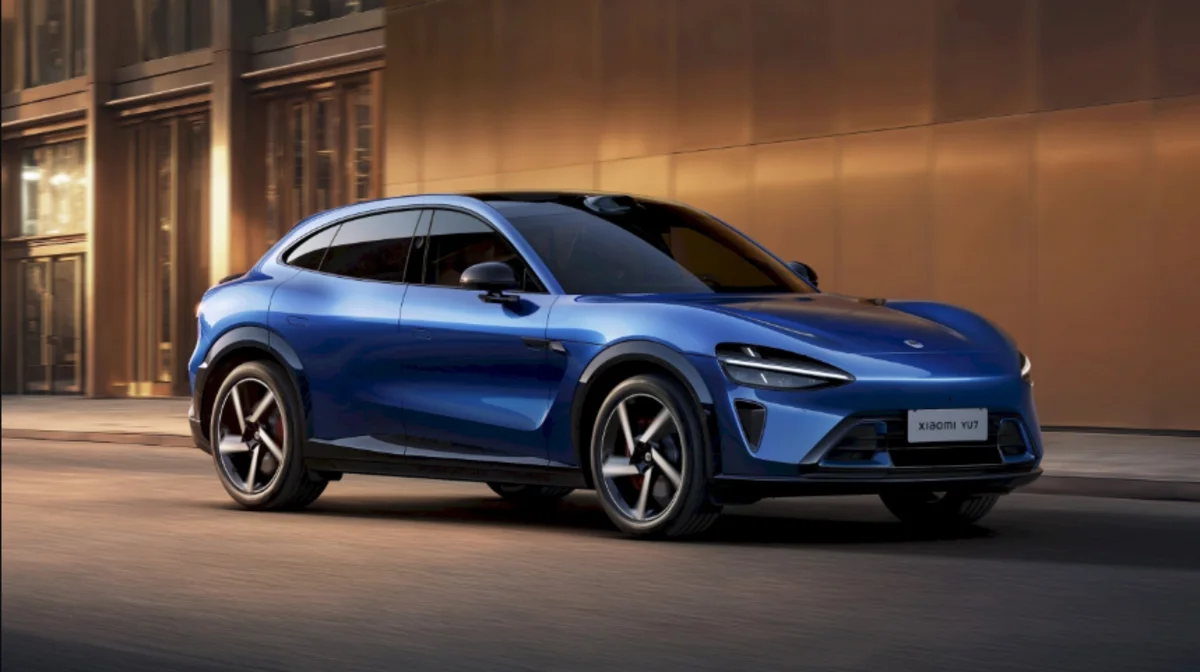
Ford is gearing up for the potential entry of Chinese automakers into the U.S. market and is accelerating its strategy in response to growing competition.
The American automotive market may soon see new competitors from China. Ford's CEO, Jim Farley, informed employees that the company is preparing for the possibility of Chinese automotive brands entering the U.S. within the next five to ten years. According to individuals present at an internal meeting, Ford executives believe that this entry is more likely to occur toward the end of this timeframe.
This perspective comes as Chinese manufacturers, particularly in the electric vehicle sector, are strengthening their global presence and gaining market share in various regions. Ford views this development as a significant strategic challenge for the American automotive industry and is formulating a response focused on more affordable electric vehicles designed to compete with the cost and efficiency standards of Chinese companies.
Anticipating the Rise of Chinese Brands
Jim Farley is among the American automotive leaders who frequently warn about the advancements of Chinese manufacturers like BYD. He believes that the competitive edge of the Chinese automotive industry poses a major challenge for traditional manufacturers, especially in the electric vehicle segment where production costs and supply chain management are critical.
During a Q&A session with employees, Ford executives discussed the company's preparations for a scenario in which Chinese brands could access the American market despite existing trade barriers. Ford has not commented publicly on the discussions held during this private meeting.
Bill Ford, the executive chairman of Ford, has previously addressed this competitive pressure. He stated that the American automotive industry must be capable of competing with China rather than merely trying to block its entry. According to him, the ability to confront Chinese manufacturers on their own turf is essential for remaining competitive.
Electric vehicles are central to this industrial battle. Ford is developing a new range of affordable electric models created entirely by its teams to meet the price and efficiency criteria that have allowed Chinese manufacturers to advance rapidly.
U.S. Barriers Slowing Market Access
Currently, the United States has several measures in place to limit the influx of Chinese vehicles. Electric vehicles imported from China are subject to tariffs of approximately 100%, and American regulations also pertain to the software and components from China used in connected vehicles.
These restrictions were implemented due to concerns related to national security and data protection. Regulations concerning certain Chinese software are set to take effect in 2027, while those regarding hardware are expected to be enforced by 2030.
Despite these challenges, Chinese manufacturers are expanding their presence around the American market. In neighboring Mexico, several Chinese brands have captured market share. In Canada, a trade agreement also allows for the sale of a limited number of Chinese electric vehicles. Some experts view Canada as a testing ground for Chinese manufacturers looking to gauge their potential with North American consumers.
Surveys of American drivers indicate a growing interest in these models, particularly due to the lack of affordable electric options in the domestic market. This situation could intensify pressure on traditional manufacturers to offer more competitive electric vehicles.
Ford Already Facing Chinese Competition Internationally
While Ford has not yet confronted Chinese brands directly on American soil, the company is already experiencing this competition in other markets. In Europe, where Chinese electric vehicle manufacturers are making strides, Ford is seeking to bolster its industrial competitiveness.
As part of this strategy, Ford recently announced a joint venture with Chinese manufacturer Geely. This partnership has drawn criticism from some American political figures, but Ford believes that Chinese competition is prompting all automotive players to enhance their efficiency and innovation capacity.
For the American automaker, the stakes extend beyond merely protecting a domestic market. It is also about adapting its industrial model to a new phase of automotive transformation characterized by electrification, cost reduction, and rapid advancements in onboard technologies.
The potential arrival of Chinese manufacturers in the United States remains uncertain, but Ford is already considering this scenario as a strategic factor. The company aims to strengthen its electric vehicle lineup and improve its competitiveness to meet intensifying global competition.
Conclusion
Ford perceives the rise of Chinese manufacturers as a significant industrial challenge, particularly in the realm of affordable electric vehicles. The company’s strategy focuses on developing models that can compete in terms of cost and energy efficiency. While U.S. trade barriers currently limit direct access for Chinese brands, their international progress is pushing traditional manufacturers to accelerate their adaptation. Ford's partnership with Geely exemplifies its commitment to remaining competitive in a rapidly evolving global automotive landscape.