Saxony Pushes for Stronger Automotive Alliances with China
Germany is considering higher tariffs on Chinese cars to encourage partnerships with Volkswagen and Europe, as Saxony's economy minister advocates for local contributions from Chinese manufacturers.
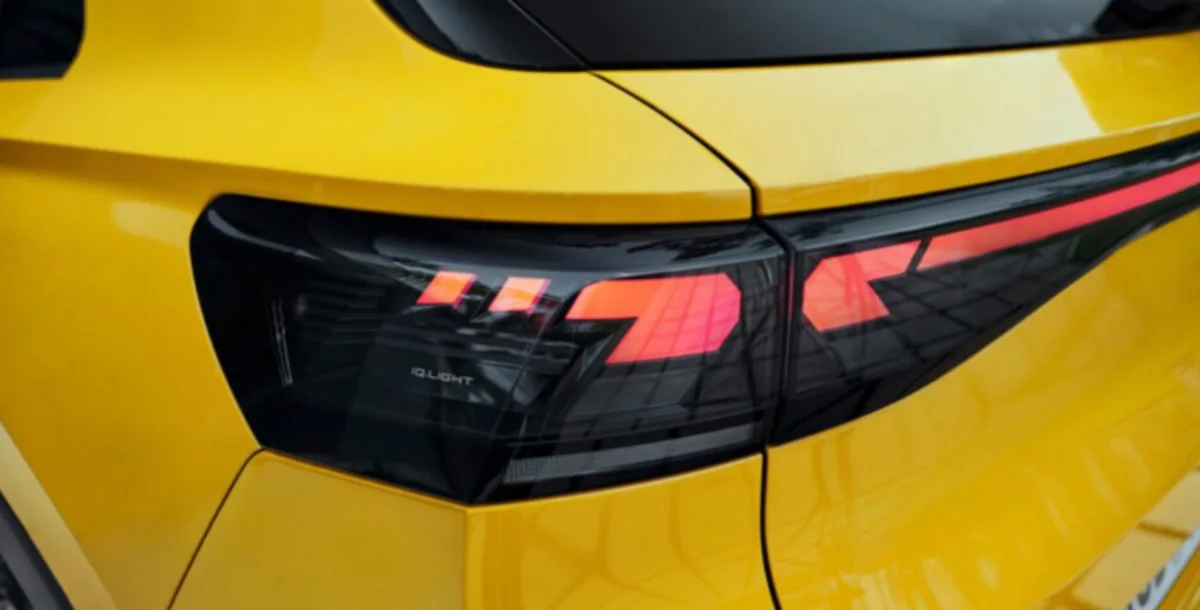
Germany is considering higher tariffs on cars manufactured in China to encourage partnerships between Chinese automakers and European manufacturers, particularly Volkswagen. This initiative is being championed by Dirk Panter, the Minister of Economy for the German state of Saxony, which is home to a Volkswagen factory and plays a crucial role in discussions about the future of the German automotive industry.
In an interview with the German newspaper Bild, Panter emphasized the need for the European Union to contemplate increased customs duties on vehicles produced in China. He believes that such measures could motivate Chinese automotive manufacturers to collaborate more closely with European companies like Volkswagen.
This proposal arises as Volkswagen faces significant industrial challenges in Germany. The automaker has warned that four of its factories could be at risk of closure in the coming years unless alternative solutions are identified. Among the affected sites is the Zwickau plant in Saxony, which specializes in electric vehicle production.
The current landscape places the relationship between European and Chinese automakers at the forefront of discussions regarding the automotive industry's future. As Chinese brands gain traction in the European market, some political leaders are advocating for trade policies that promote local production and protect industrial jobs.
Panter argues that while the entry of Chinese manufacturers into Europe should not be obstructed, it must come with a commitment to local economic contributions. He insists that companies seeking access to the European market should also be involved in creating value and maintaining jobs on the continent.
Volkswagen Considers Producing Chinese Models in Europe
Volkswagen's situation is tied to a profound transformation within the global automotive market. The German group must adapt its industrial organization in response to the rise of electric vehicles, international competition, and changing production costs.
Volkswagen's CEO, Oliver Blume, has outlined several strategies to address these challenges, including the potential for producing certain models developed in China at European facilities. This approach would leverage European industrial capabilities while utilizing designs tailored to evolving market demands.
Blume has also mentioned the possibility of forming partnerships with Chinese automakers. According to Panter, establishing industrial cooperation in Saxony could provide a strategic advantage by mitigating some of the impacts associated with European tariffs.
The German minister believes that a joint venture in the region could enhance Volkswagen's negotiating position and that of other European players. Such collaboration could combine Chinese technological and industrial capabilities with European production infrastructure.
These discussions come as Volkswagen seeks to enhance its competitiveness while maintaining a significant industrial presence in Germany. The future of the group's production sites is a critical issue for both employees and the regions involved.
The Zwickau plant holds a special significance in this context. Having transitioned to electric vehicle production, it symbolizes Volkswagen's industrial shift. However, current economic challenges are prompting the group to explore various solutions for adapting its production network.
Chinese Brands Gaining Ground in Europe
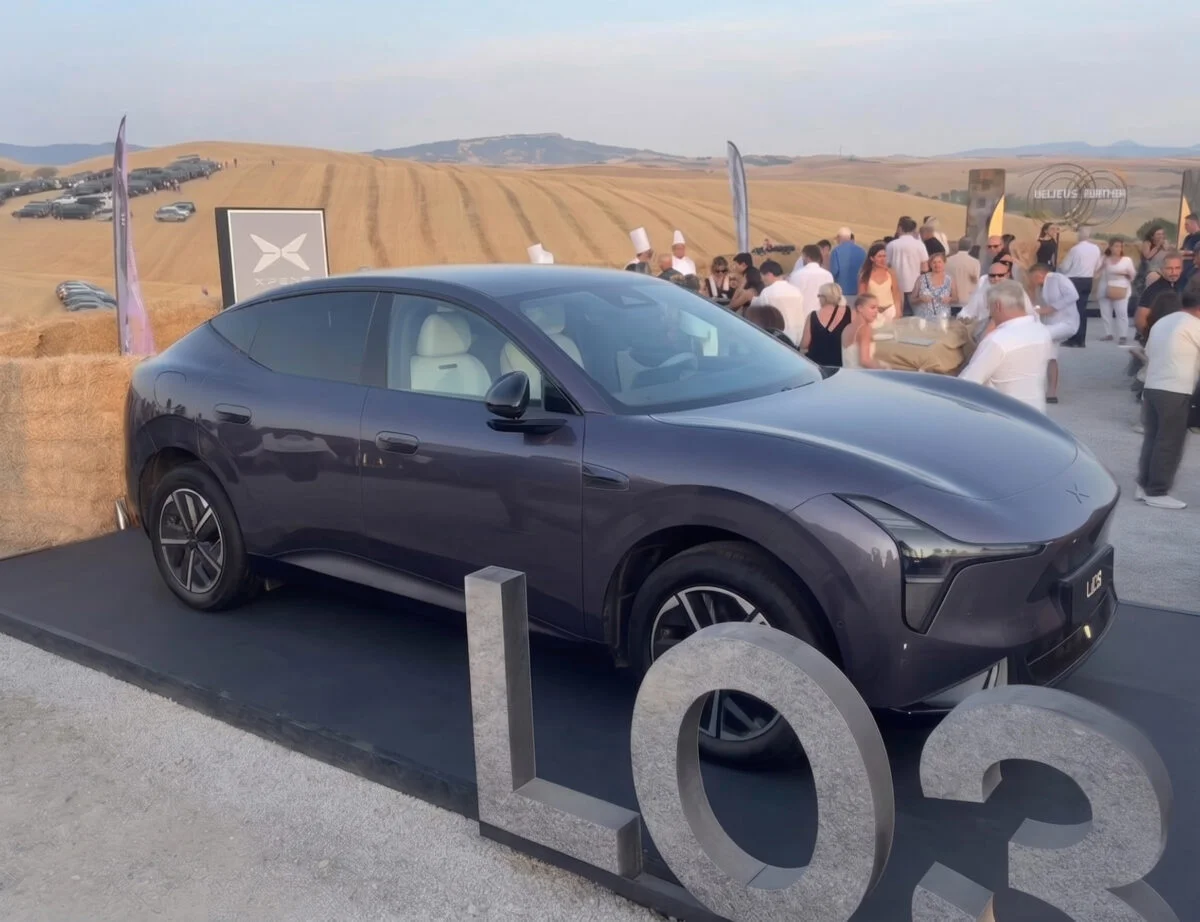
Chinese automakers are steadily increasing their presence in the European market. Companies like BYD have expanded their market share, particularly with plug-in hybrid models that are not subject to the current EU tariffs imposed on fully electric vehicles made in China.
This growth fuels ongoing debates regarding international competition within the automotive sector. European manufacturers are striving to maintain their competitiveness while expanding their electric vehicle offerings and managing production costs.
For Panter, the goal is not to exclude Chinese manufacturers from the European market. Instead, he believes their establishment should be accompanied by investments and local economic benefits.
This perspective aligns with a broader discussion about the future of the European automotive industry. Manufacturers must navigate the rise of Chinese brands, which possess considerable experience in electric vehicles and offer competitive models.
Consequently, the issue of customs duties emerges as a potential tool for industrial policy. An increase in tariffs could alter the strategies of Chinese manufacturers aiming to enter the European market and encourage forms of cooperation with existing automotive groups in Europe.
As of now, no definitive decision has been made regarding the increase of customs duties. Discussions continue to focus on how to safeguard European automotive production while integrating the shifts in the global market.
Conclusion
The Saxony proposal highlights the current tensions surrounding competition between European and Chinese automakers. Volkswagen is actively seeking solutions to sustain its German industrial base while adapting to a changing automotive landscape. Partnerships with Chinese players could emerge as a strategic avenue, particularly in the electric vehicle sector. The evolution of European customs policies may also significantly influence industrial decisions in the coming years.