
How to Choose the Right Watch for Your Lifestyle and Style
Discover how to choose the perfect watch that complements your lifestyle and style, balancing functionality and aesthetics for a lasting purchase.
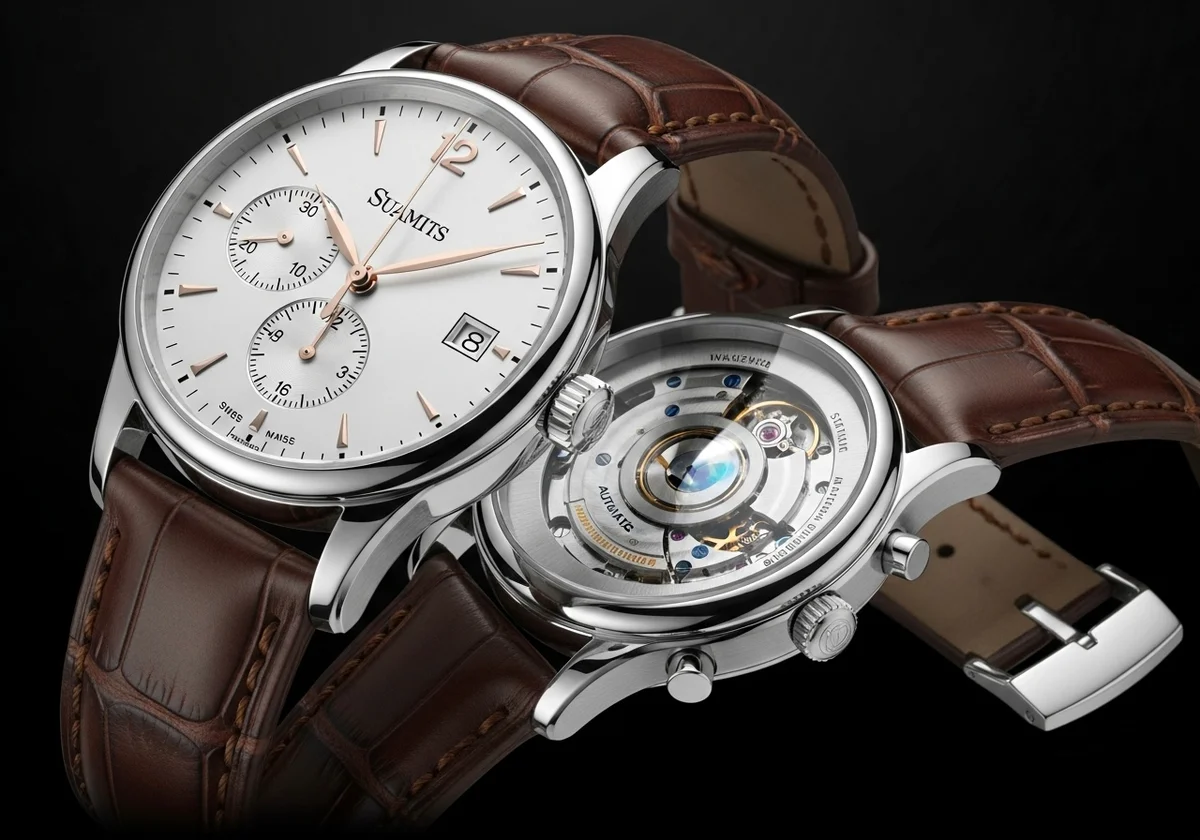
A watch is more than just an accessory; it accompanies you throughout your daily life, punctuating your actions and reflecting your personality while serving a practical function. However, with the vast array of options available today, finding the model that truly complements your wrist, lifestyle, and wardrobe can be a daunting task. The key to a successful choice lies in balancing daily use, wearing comfort, immediate readability, and material quality. Here’s how to navigate the essential criteria for a purchase that will endure.
Start with Your Real Needs
Clarify the Primary Use
The first question to consider is: in what context will you wear this watch? Is it intended as an everyday companion for work and travel, or is it a piece reserved for formal events and special occasions? A wise choice begins with this reflection on the wearing context, well before aesthetic considerations come into play. Some versatile watches can adapt to various situations, while others excel in specific scenarios.
Identify Your Wardrobe Style
Your watch should integrate seamlessly with your overall look, without creating a visual dissonance. If your daily attire leans towards casual, a simple and understated model will work wonders. Conversely, a professional style typically calls for a more classic watch, often enhanced with a leather strap and a light-colored dial. The goal is to create a global harmony between your timepiece and the clothes you wear most frequently.
Beware of Impulsive Choices
Starting from a concrete need rather than a fleeting impulse will save you from future regrets. For example, if you primarily wear dress shirts, it’s wiser to choose a watch that is simple and well-proportioned rather than an oversized model that disrupts the balance of your outfit.
Technical Aspects Not to Overlook
The Movement: The Heart of Your Watch
The movement is the very soul of your timepiece and significantly influences your daily experience. Quartz movements stand out for their remarkable accuracy and minimal maintenance, while automatic and mechanical movements appeal with their artisanal craftsmanship and the unique feel they provide on the wrist. Each type has its own advantages regarding autonomy, precision, and upkeep.
Case Diameter: A Matter of Balance
The size of the case should harmonize with your physique. An oversized or undersized dial will create an unflattering visual imbalance. Before making a decision, take the time to measure your wrist circumference and observe how the watch looks in real situations. This simple step can spare you from disappointment.
Bracelet and Materials: Style Meets Practicality
The bracelet significantly impacts the final appearance and comfort of use. Stainless steel combines durability and versatility, while leather adds elegance and flexibility. Rubber is ideal for sports activities. Beyond aesthetics, consider durability and maintenance: a leather strap requires different care than a metal one.
Readability: The Essence of a Watch
A successful watch must be easy to read at first glance. Assess the clarity of the dial, the size of the indices, and the visibility of the hands. Additional functions—date, chronograph, power reserve—should serve a practical purpose without cluttering the dial unnecessarily.
Balancing Personal Style and Versatility
A simple model with a clean dial and interchangeable strap can transition seamlessly from the office to an evening out or weekend activities. This versatility maximizes the potential for pairing with various outfits. In contrast, a more distinctive design can express your individuality, provided the rest of your attire remains relatively neutral. Be cautious of overly intricate watches if you seek versatility; a trendy piece may become outdated more quickly than a timelessly designed watch.
Tailoring Your Choice to Occasions and Formality Levels
For everyday use, prioritize durability, comfort, and ease of maintenance. A watch worn daily must withstand wear and tear from movement and activity variations. In formal contexts, focus on finesse, subtlety, and discretion. For more active use, criteria such as resistance, water resistance, and enhanced readability take precedence.
Refining Your Selection Methodically
It is wise to compare several models using the above criteria before making a commitment. To explore different styles and refine your choice, consider browsing collections from reputable retailers, ensuring the models align with your expectations. Always review the product specifications, including materials, movement type, and dimensions, before making a final decision.
Essential Tips for a Flawless Purchase
Always check the case size, glass type, movement, and bracelet material. Ensure that the announced features form a coherent whole. Also, consider maintenance: regular cleaning and proper storage can significantly extend the life of your watch. Finally, keep your actual usage in mind by selecting a model suited to your frequency of wear and living environment. A well-chosen watch is primarily one that fits your wrist and daily life, not just a passing desire.