
How to Contest a Fine Without Evidence
Navigating the complexities of contesting a traffic fine without evidence can be daunting. Learn the essential steps and common pitfalls to avoid to effectively challenge an unjust fine.
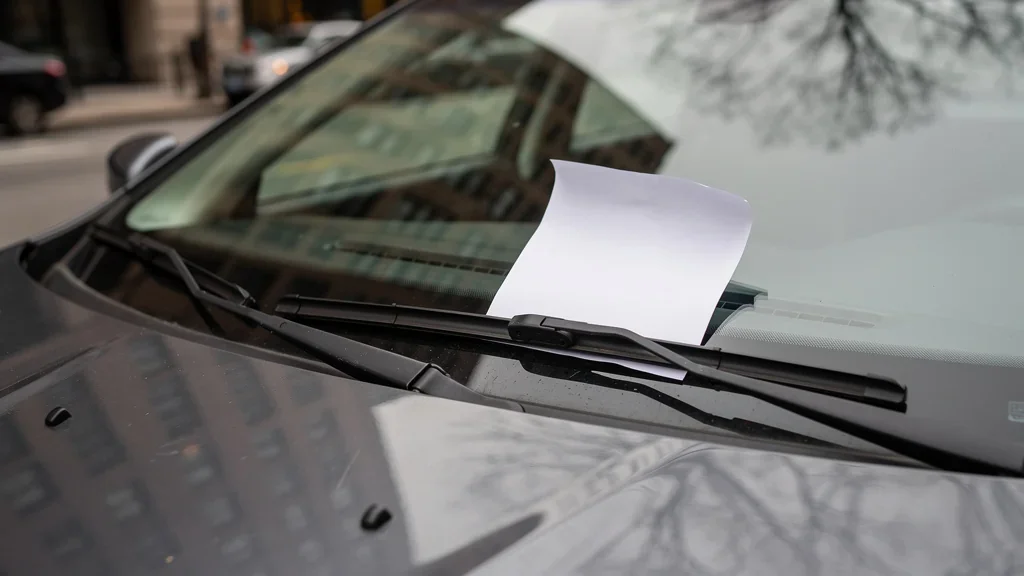
Receiving a traffic fine can be a frustrating experience, especially when there are discrepancies such as a misread license plate or an incorrect time. This scenario recently unfolded for me in the Poitiers region, where I quickly sensed that the situation might be a trap. Contesting a fine without evidence initially seemed straightforward, but the reality of a €68 deposit and the stern tone of the correspondence made me reconsider. As an automotive writer for CarBling magazine, I was struck by the stark contrast between my confidence and the bureaucratic paperwork. My conclusion was clear: without solid proof, it was wiser to tread carefully.
With the idea of filing a challenge against an unjust fine swirling in my mind, I soon realized that the lack of formal evidence was significant. Living with my partner, I had neither the time to waste nor the desire to embark on a haphazard legal journey. I had been too quick to assume that a simple error in the license plate would suffice. Instead, I discovered a polished administrative wall, with the deadline for contesting fines passing more swiftly than expected.
The Complexity of Contesting a Fine Without Evidence
My first instinct was to reread the notice of violation as if it were a receipt. Unlike a verbal ticket recounted at a counter, this was a well-structured infraction notification. The license plate contained a misprinted letter, and the time appeared to correspond to a different journey. I felt a rush of anxiety that disrupted my calm. I wanted to exercise my right to defend myself, yet I sensed the procedural flaws in the ticket as a door slamming shut.
I approached the document as an amateur rather than a legal expert, quickly realizing my limitations. I struggled to differentiate between a simple complaint and a formal fine contestation procedure. The paperwork mentioned terms like request for exemption, public prosecutor, and legal deadlines. I was reading this over a cold coffee with my partner, without children to worry about. My experience as an automotive writer had taught me that seemingly mundane documents can conceal genuine traps.
My Background and Initial Constraints
At 31 years old, living with my partner and without dependents, my budget was tight. I also had a tendency to prefer handling matters online, swiftly and neatly, avoiding in-person visits. However, the contest period was not going to wait for me. The 45-day limit was noted on the back of the notice, and I realized I had looked at it too late. I felt the pressure rise when I understood that a fixed fine could proceed without my input.
Initial Surprises in the Evidence-Free Case
I discovered something simple yet crucial: an absence of photographic evidence does not equate to a weak case. The prosecutor could respond with a terse three-line letter, without addressing the core issue. I encountered intimidating terminology that was unfamiliar, such as exemption request form and mandatory prior administrative appeal. The most frustrating aspect was the tone of the correspondence in light of the lack of usable evidence.
Common Mistakes to Avoid When Contesting a Fine
I quickly identified several pitfalls that could derail a challenge against an unjust fine. I was eager to act quickly, mixing up substance with form. The case seemed straightforward, but the administrative procedure allowed no room for error. I also underestimated the financial responsibility looming over the situation. When I received a rejection, I realized that even a minor mistake could be costly.
- Sending an incomplete contestation without a signed exemption request, leading to a rejection for an inadmissible case.
- Mistaking the case reference or telepayment number, causing the request to be sent to the wrong place.
- Providing the context without attaching the parking ticket or a photo of the sign, only to receive a standard response.
- Missing the 45-day window, then discovering the increased fine contestation already in effect.
- Confusing a written contestation with a simple complaint email, where documentation matters as much as substance.
What I Missed (and You Probably Will Too)
I found myself trying to defend the general idea rather than focusing on the critical details that would support my case. I believed that my word and common sense would be sufficient, which turned out to be a misconception. I overlooked the cold mechanics of the case and the exculpatory elements that needed to be kept at hand. I also ignored the deadline on the back of the notice as if it were mere decoration.
- Failing to include the signed exemption request.
- Sending the contestation after the deadline.
- Forgetting to verify the accuracy of the references, especially the license plate number.
- Not providing minimal indirect proof, like a ticket, a photo, or a witness statement.
- Confusing a contestation with a mere oral complaint or informal email.
Warning Signs to Identify Early
The small defects became apparent to me too late. An inverted letter, a strange time, or an imprecise location did not immediately raise alarm bells. Eventually, I realized that these details could be pivotal. In the case of a notification of violation, even a minor detail can outweigh pages of explanation.
- License plate with an inverted or illegible letter.
- Inconsistent time or location on the notice of violation.
- Absence of photo or material proof, but presence of a sworn officer.
- Missing the 45-day deadline before sending the contestation.
Checklist Before Launching a Contestation Without Evidence
I eventually treated the case like a poorly assembled mechanical part. If a component is missing, everything shifts. It was the same with the ANTAI online procedure and the necessary documents to attach. I realized that sending a clean submission, with a registered letter with acknowledgment of receipt when needed, would at least leave me with a clear record. Without this, I was left with a bad memory and no receipt.
- Check the contestation deadline, 45 days maximum in my case.
- Prepare a clear and signed exemption request.
- Gather supporting documents, even modest ones, like a ticket or a screenshot of a sign.
- Note the location, time, and license plate number before sending anything.
- Choose the right channel, whether the ANTAI online procedure or a registered letter with acknowledgment of receipt.
- Avoid paying the fine before the end of the procedure if I want to preserve my rights.
Essential Points to Validate
Upon reflection, I understood that the argument for contesting hinged on three factors: the date, the form, and the useful document. I didn’t need an essay; I needed a readable case. The rest could be dismissed by the prosecutor in a single sentence. The right reflex was also to double-check the license plate number as if the survival of the case depended on it, because it almost did.
Alternatives to Strengthen Your Contestation
When I lacked official photographic evidence, I considered indirect proofs that could still salvage the situation. A parking ticket, a screenshot of the sign, a dated message, or a witness statement for the contestation could help. I also thought about seeking a personalized lawyer's appeal when the case started to spiral, especially with a consignment obligation already locking away €68. Legal support for the contestation isn’t magical, but it helps avoid missteps.
Insights Gained During the Contestation Process
I eventually saw the case as an imbalanced exchange. On one side was the officer's word; on the other was my version lacking photos, witnesses, and with poorly structured correspondence. The fine contestation procedure does not weigh the same depending on what you present. That’s when I recognized the impact of vehicle identification errors and the procedural flaws in the fine when they genuinely exist.
What I Thought vs. What I Learned
| What I Thought | Reality | What It Cost Me | |------------------------------------|--------------------------------------------------|-----------------------------------| | No photo = weak case | Lack of material proof doesn’t nullify the notice. | Time and a terse rejection. | | An email is enough | The exemption request had to be clean and signed. | A case salvaged too late. | | I had time | The 45 days pass quickly, then the increase arrives. | A significant frustration and €68 blocked. |
The Officer's Word Carries More Weight Than I Realized
I had underestimated how much an officer’s sworn testimony holds up against a contestation that lacks supporting documents. Without documentary evidence, the case rests on shaky ground. The prosecutor first examines the form, then the content. When the response arrives, it can be succinct, without delving into the details of the infraction report. This power dynamic was a bit of a wake-up call for me.
The Importance of Indirect Evidence
When the case started to unravel, I preferred to seek advice from a lawyer rather than insist on my own. With a consignment obligation already tying up €68, this approach helped me avoid compounding mistakes. A simple piece of advice is often more valuable than an overly ambitious text.
Recommendations Based on Your Profile and Situation
I don’t believe in a one-size-fits-all approach. An occasional driver has a different relationship with time than a professional who is constantly on the road. A case without material proof is not treated the same as a simple speeding ticket. When the increase kicks in, the perception shifts. The mental framework I developed helped me sort through cases that were worth the effort.
Options Based on Profile
If I had faced a more complicated case, I would have quickly sought a gracious appeal or consulted a lawyer, rather than stubbornly persisting. For a driver just looking to preserve their rights, the ANTAI online procedure with a well-structured argument still holds merit. For questionable traffic violations, I wouldn’t play the hero; I’d stick to the simple, dated, and clear.
How to Avoid Administrative Pitfalls and Save Time
I wasted time due to lukewarm responses and stretched deadlines. The public prosecutor's response times left me in limbo for several weeks, sometimes stretching to two to four months. In the meantime, the correspondence felt like a wall. I also struggled with the consignment, which seemed to occur before the merits of the case were even examined. Not ideal. Really not ideal.
The most frustrating part was the feeling of speaking into a void when the contest was incomplete. I learned how a miscopied number, a poorly transcribed address, or the wrong channel could ruin everything. The process becomes cleaner when I keep copies of everything. Even online tracking of contestations proved more manageable than chasing a response over the phone.
Errors, Limits, and Surprises That Cost Me Time
I approached the case like a cluttered garage. I took one piece for another and had to pull everything out again. The rejection of the contestation reminded me that a poorly assembled letter doesn’t hold up. I also found that the prosecutor’s response could resemble a mandatory prior administrative appeal.
In conclusion, navigating the complexities of contesting a fine without evidence requires meticulous attention to detail, an understanding of administrative language, and the ability to prepare a solid case. The stakes can be high, but with the right approach, it's possible to challenge and potentially overturn an unjust fine.