Hyundai Ioniq 3: Price, Range, Design, Everything You Need to Know About the New Electric Compact
Hyundai accelerates its electric transition with the Ioniq 3, a new compact that combines efficiency, modernity, and accessibility, targeting the European market.
Hyundai is further accelerating its electric transition with the Hyundai Ioniq 3, a brand-new compact that aims to combine efficiency, modernity, and accessibility. With this model, the Korean brand is directly targeting the heart of the European market, dominated by well-established references.
In line with the recent launches from the group, such as the Kia EV2, this newcomer could quickly establish itself as a credible alternative. Its compact format, combined with a design optimized for range, makes it a particularly relevant proposition. All of this comes with a competitive pricing strategy that is likely to attract a wide audience.
A Shape Optimized for Efficiency
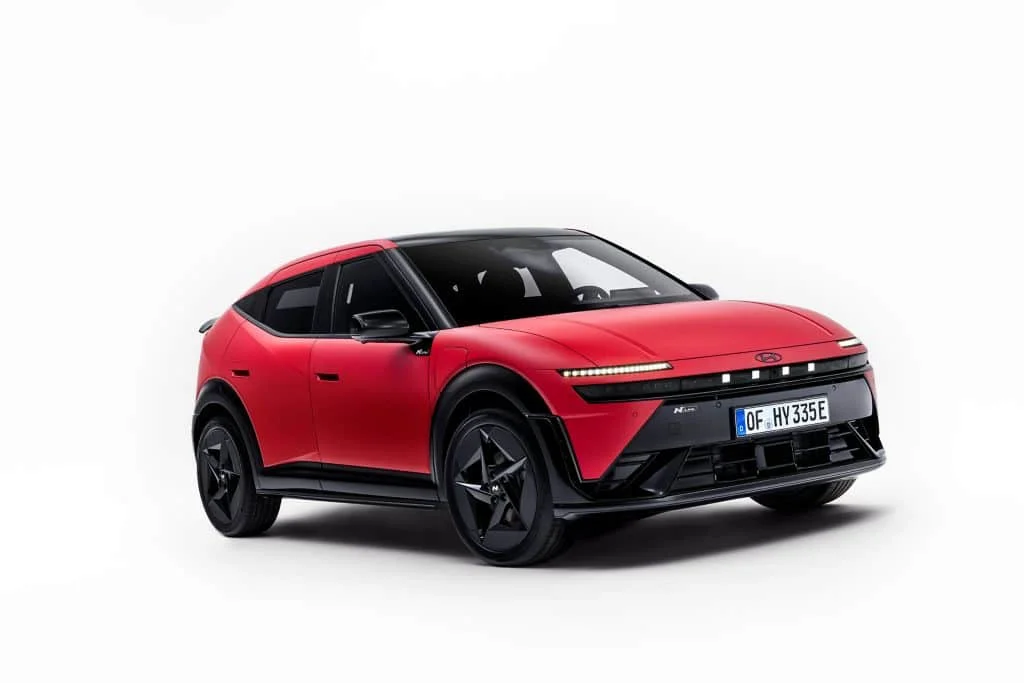
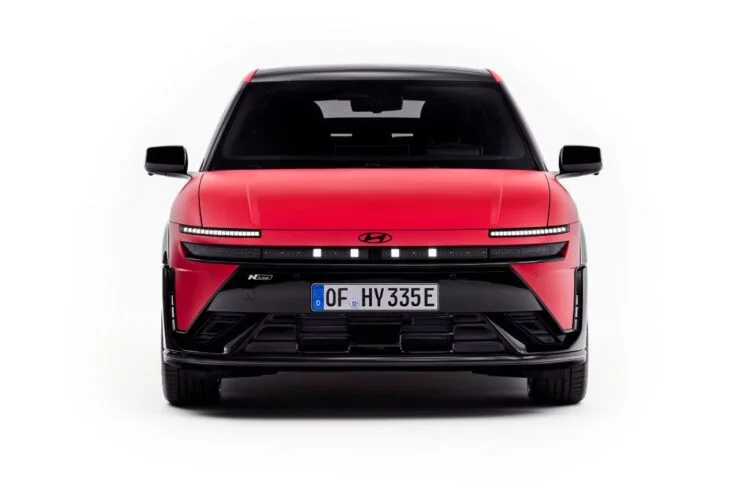
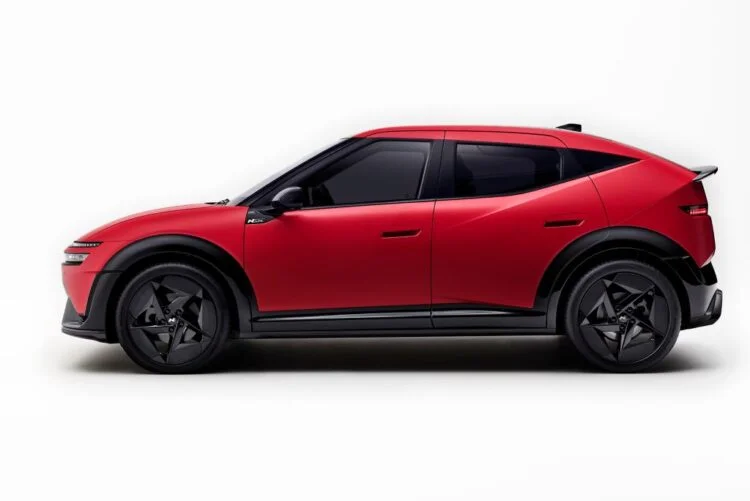
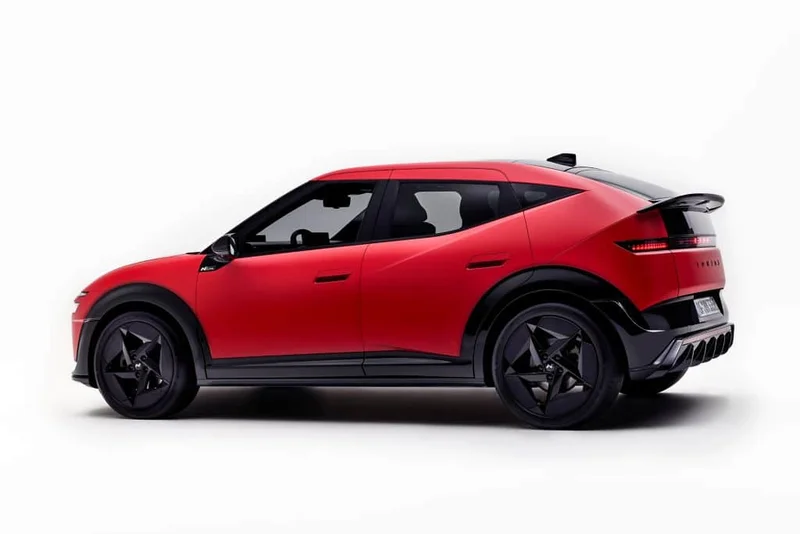
The Ioniq 3 immediately stands out with its atypical profile. Its sloping roofline and rear structured around a prominent spoiler contribute to a strong visual signature. Hyundai claims an approach focused on aerodynamics, with a drag coefficient kept at 0.263.
 wid 1024 bfc off")
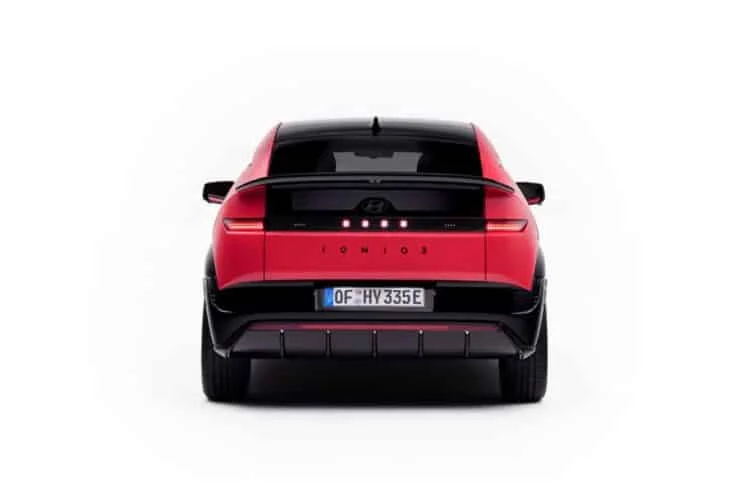
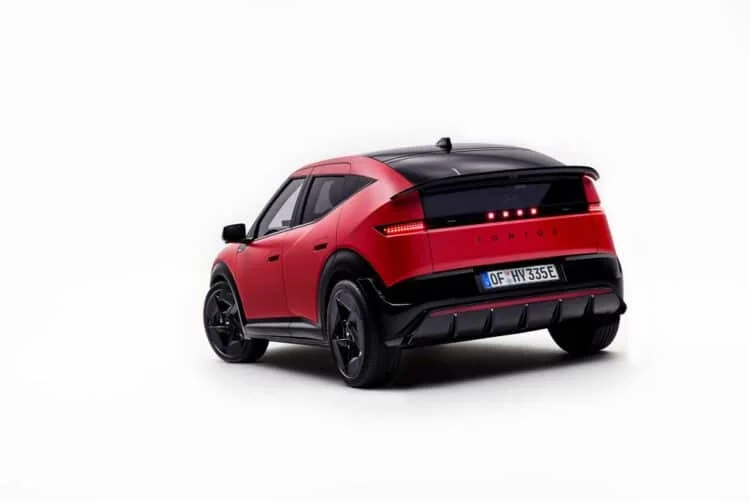
Lighting also plays a key role in its identity. The pixelated light signatures, already seen on the Hyundai Ioniq 5 N, enhance the technological aspect of the model. Design elements such as flush door handles, contrasting body protections, and wheels ranging from 16 to 19 inches complete a coherent and dynamic ensemble.
A Modern Interior
The cabin adopts a clean and decidedly contemporary presentation. The digital instrumentation is positioned high, while the central screen, which can reach 14.9 inches, runs on Android Automotive OS to manage all vehicle functions.
The interior organization prioritizes practicality, with a suspended center console that frees up space and multiplies storage options. Depending on the trim levels, the equipment is generous: heated and ventilated seats, relaxation function, Bose audio system, and customizable ambient lighting.
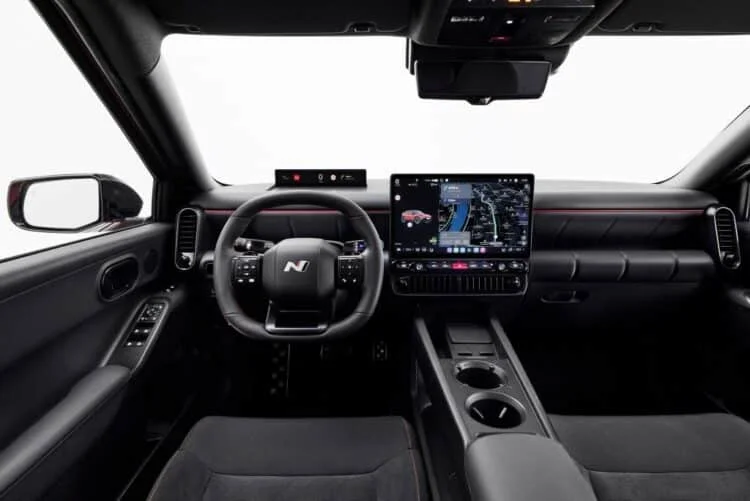
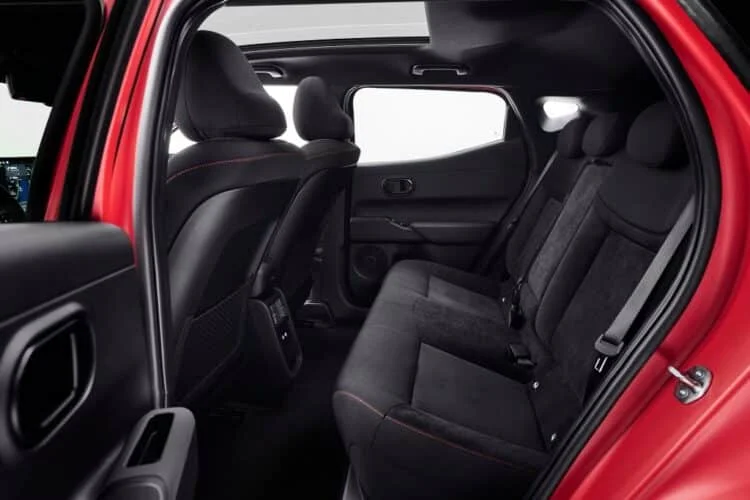
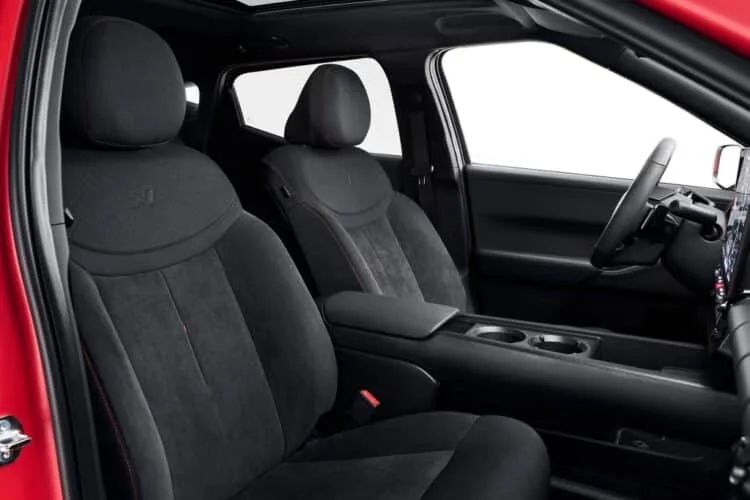
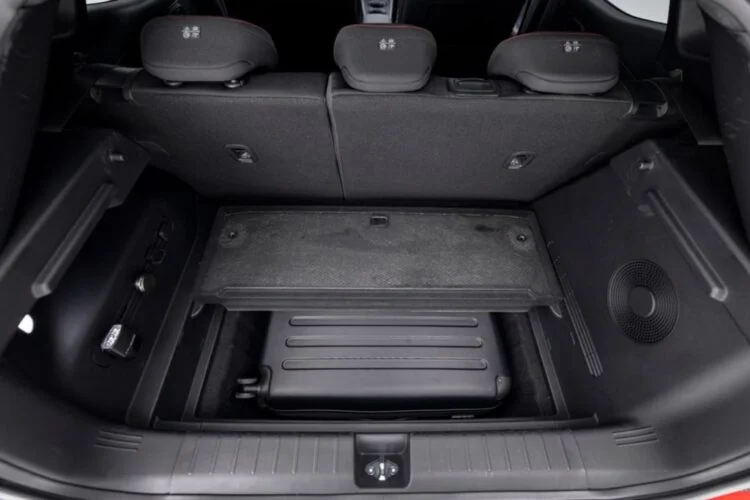
Despite its compact dimensions, the vehicle's architecture allows for convincing passenger space. The long wheelbase and flat floor directly benefit rear passengers, while the trunk offers a total volume of 441 liters, including a modular space under the floor.
Two Batteries to Cover Different Uses
The Ioniq 3 lineup is based on two technical configurations. The first version features a 42.2 kWh battery paired with a 147-horsepower motor. The second variant, equipped with a 61 kWh battery, develops 136 horsepower. An unusual choice, as the more enduring variant is not the most powerful.
In terms of range, the announced figures reach up to 344 km for the entry-level version and 496 km for the Long Range version, according to the WLTP cycle. These performances place the Korean compact at the top of its category, alongside models like the Suzuki eVitara.
Fast charging allows for a 10 to 80% charge in about thirty minutes. On alternating current, the maximum power of 22 kW ensures good versatility for daily use.
While Hyundai has not yet officially announced prices, the entry price could be around 29,000 euros. This strategic positioning, reinforced by planned production in Turkey, could allow the Ioniq 3 to benefit from the ecological bonus.