Le Mans Classic Embraces Modern Era with New Format
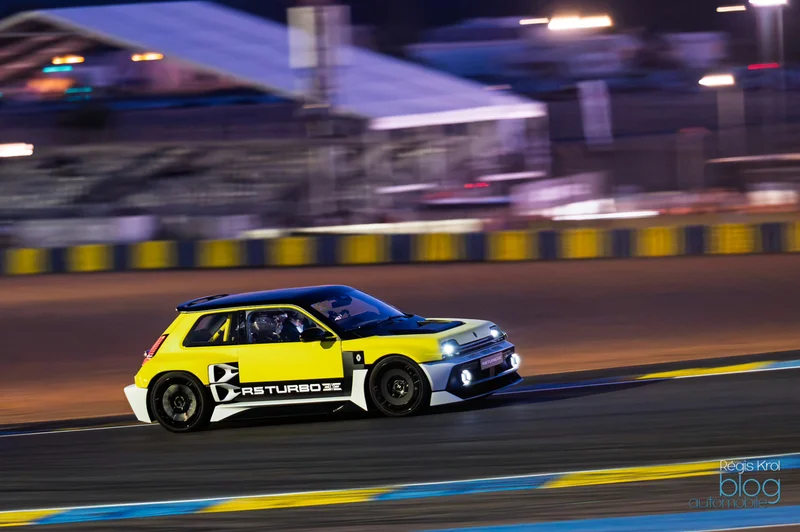
Le Mans Classic has evolved by introducing _Le Mans Classic Legend_, showcasing cars from 1970 to 2020, while maintaining its historical roots. The event's new format aims to attract a broader audience and enhance the racing experience.
Since its inception in 2002, Le Mans Classic has become a must-attend event for classic car enthusiasts. This year, the event took a significant step forward by introducing a new format: Le Mans Classic Legend, which focuses on vehicles that participated between 1970 and 2020. This initiative complements the traditional offerings, which had previously centered around cars manufactured before 1979, thereby expanding the event's scope to include a time period that has been underrepresented in historical meetings. The organizers drew inspiration from the success of support races, such as the Group C and Endurance Racing Legends, transforming them into fully-fledged categories to attract a renewed audience. Peter Auto and the ACO have established a rotation with the Heritage version, scheduled for 2027, which will feature the iconic groups from previous editions.
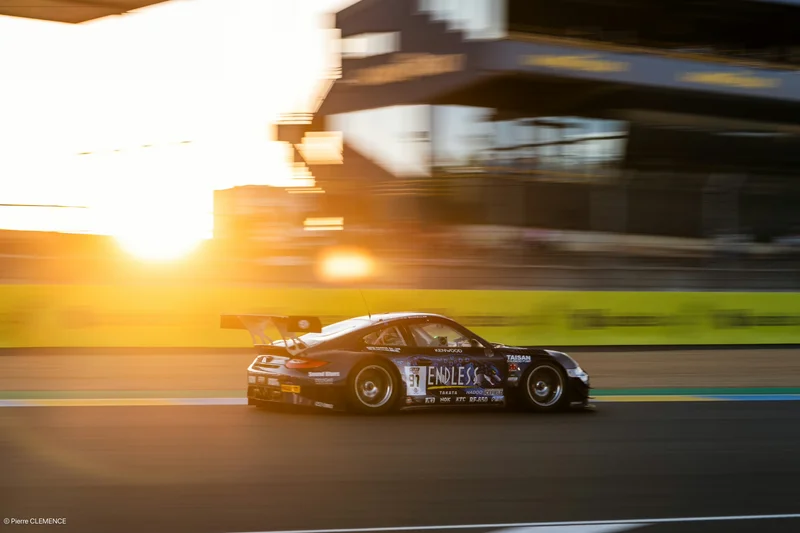
Categories: A Journey Through 50 Years of Racing
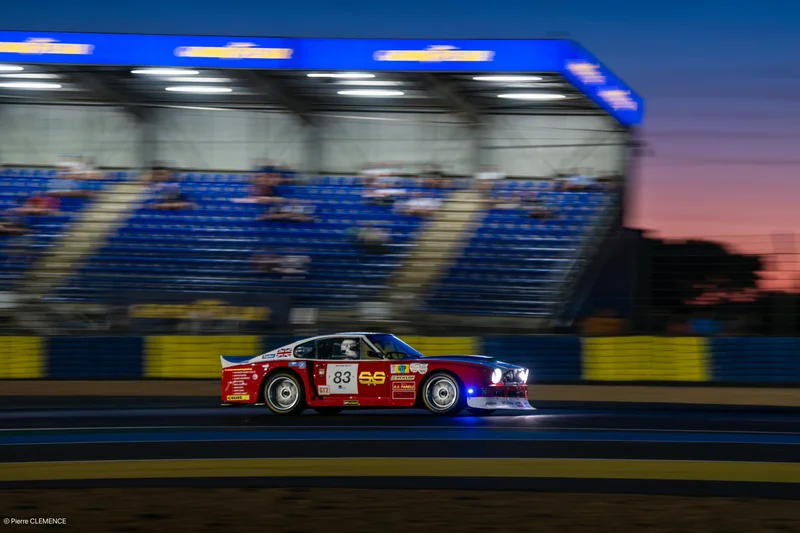
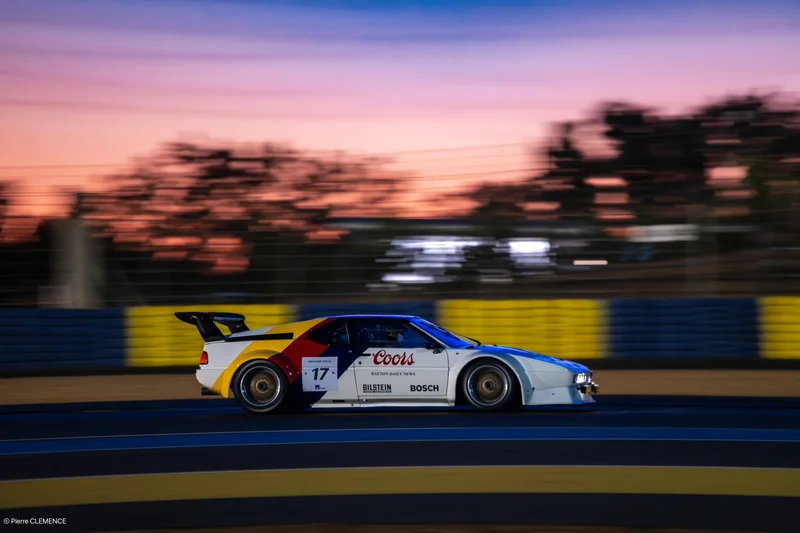
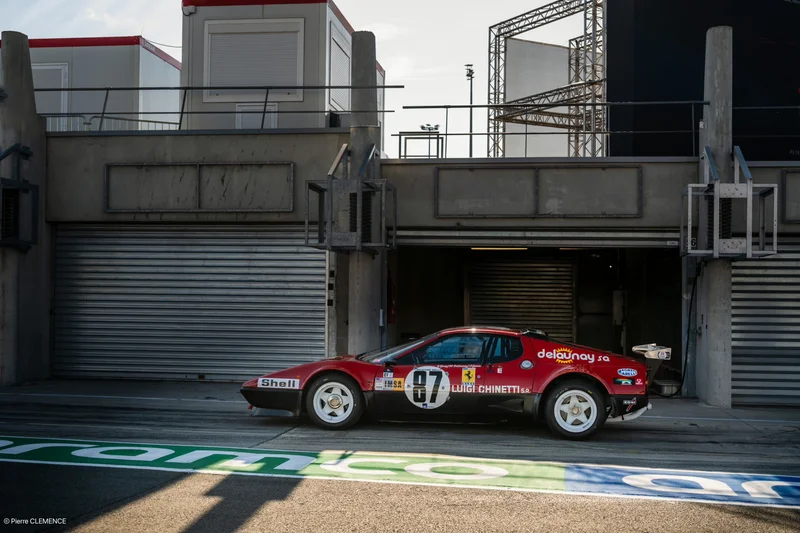
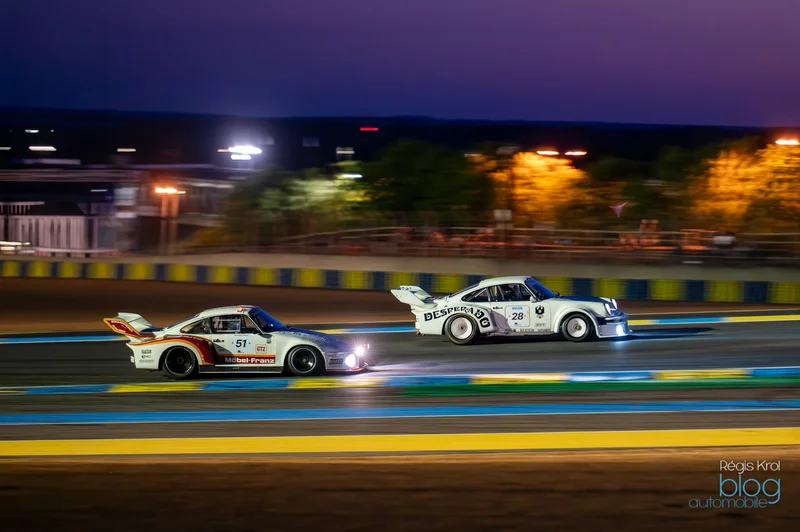
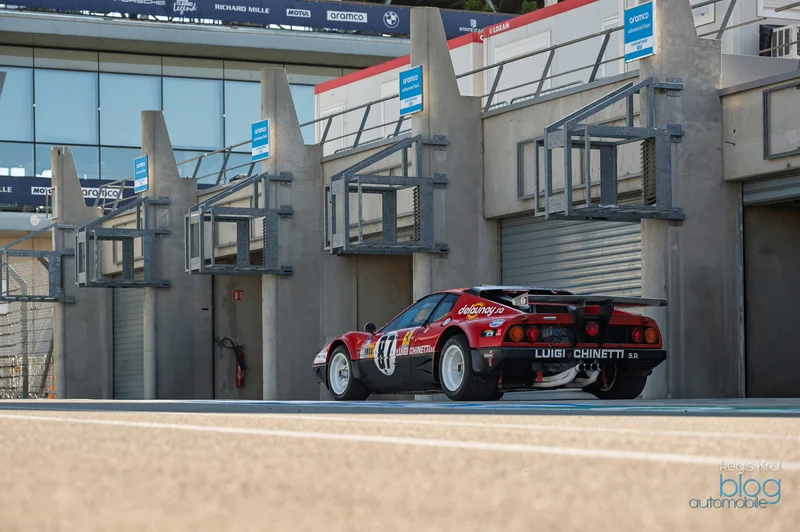
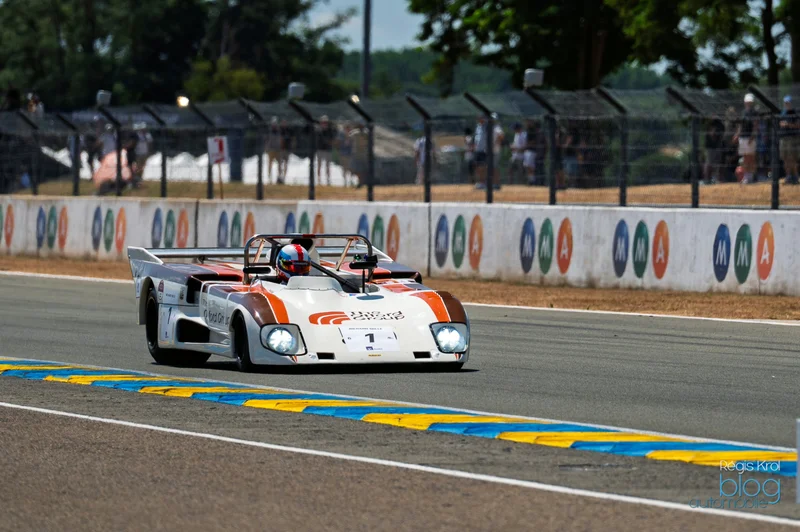
Category 6 (1972–1984): The Era of Prototypes and Iconic GTs
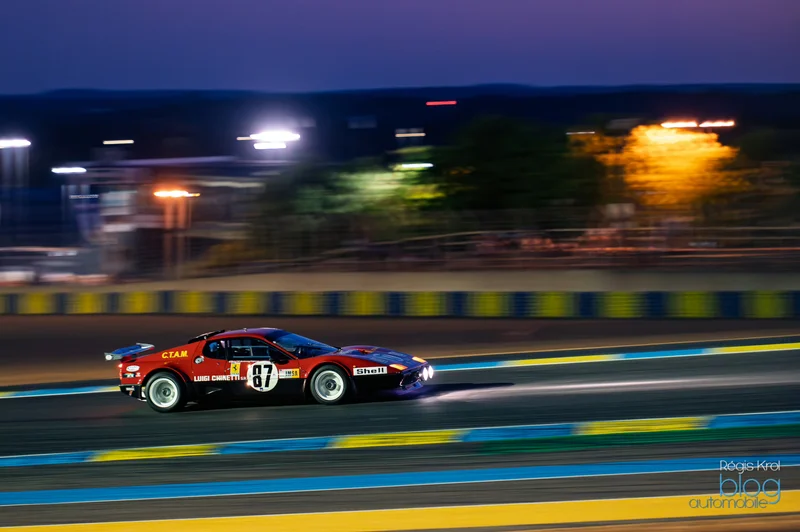
This category kicked off with legendary models such as the Porsche 935, Ferrari 512 BB Competizione, and BMW M1, along with rarities like the Porsche 924 GTP. Maxime Guenat, driving his Lola T286 (1976), dominated the field, capitalizing on a competitor's misstep to secure a decisive victory in the first race. This category, familiar to regular attendees, had previously been the most "modern" segment of Le Mans Classic.
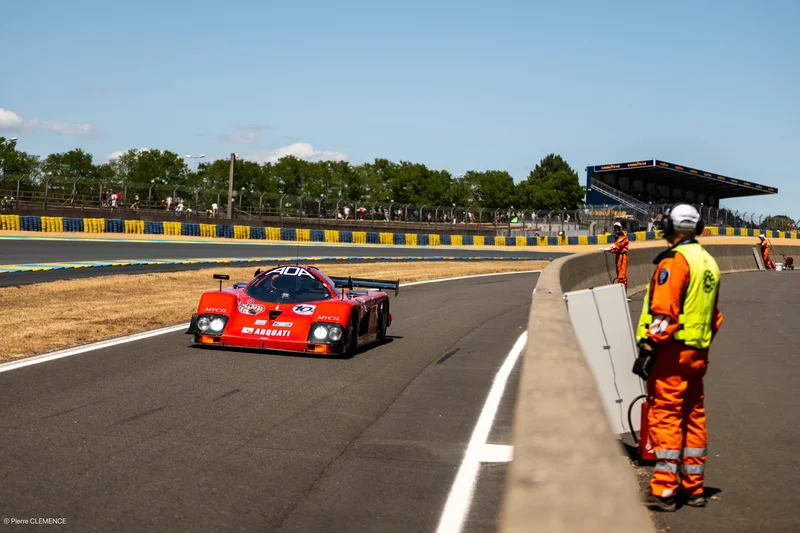
Category 7 (1982–1993): The Golden Age of Group C
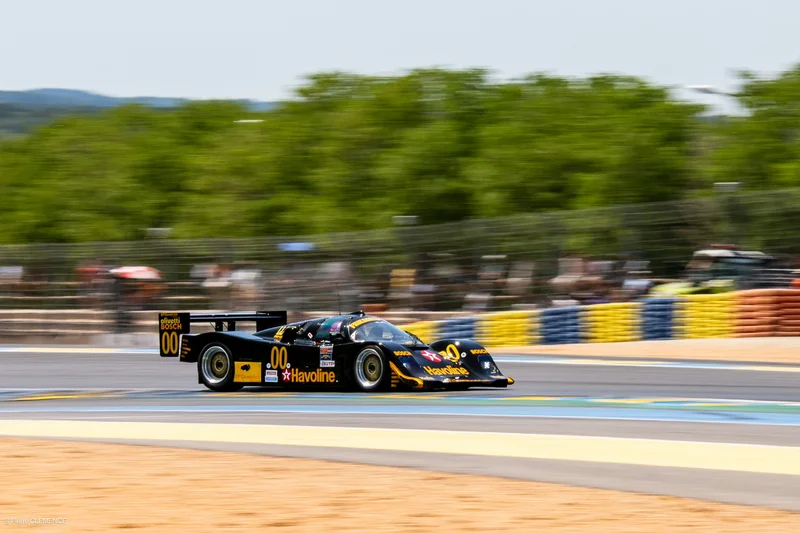
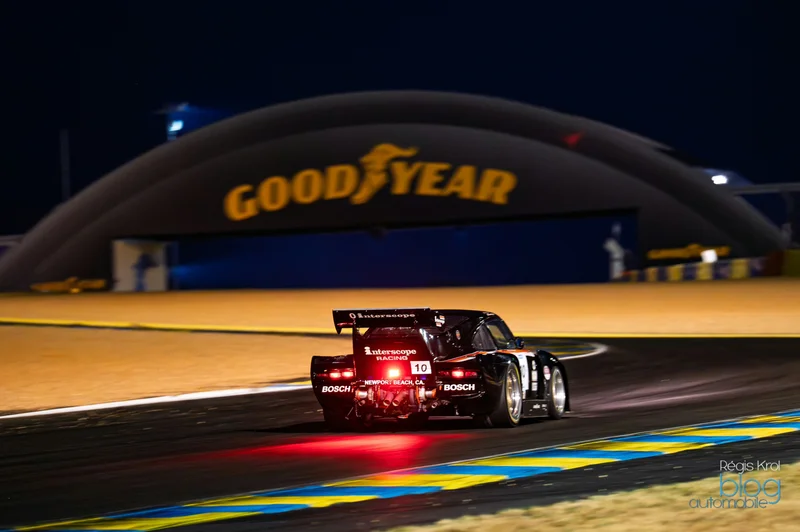
The Porsche 962 and Nissan R90CK thrilled the crowds. Olivier Galant, at the wheel of the 1990 Nissan, shone in the first race, though a mechanical issue marred his performance in the second heat. This category, once a support race, fell short with a disappointing number of entries and the absence of iconic models like the Peugeot 905, Sauber C9, or Jaguar in Silk Cut livery. This was seen as a notable shortcoming.
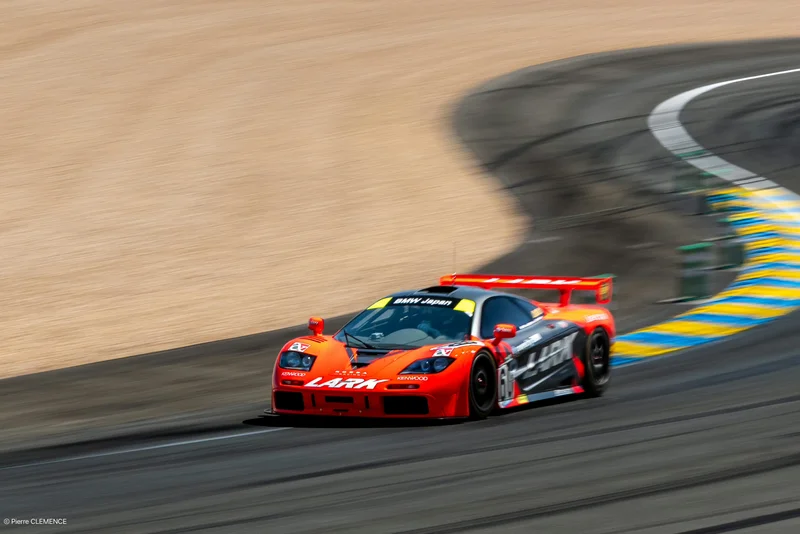
Category 8 (1994–1999): The Revival of GTs
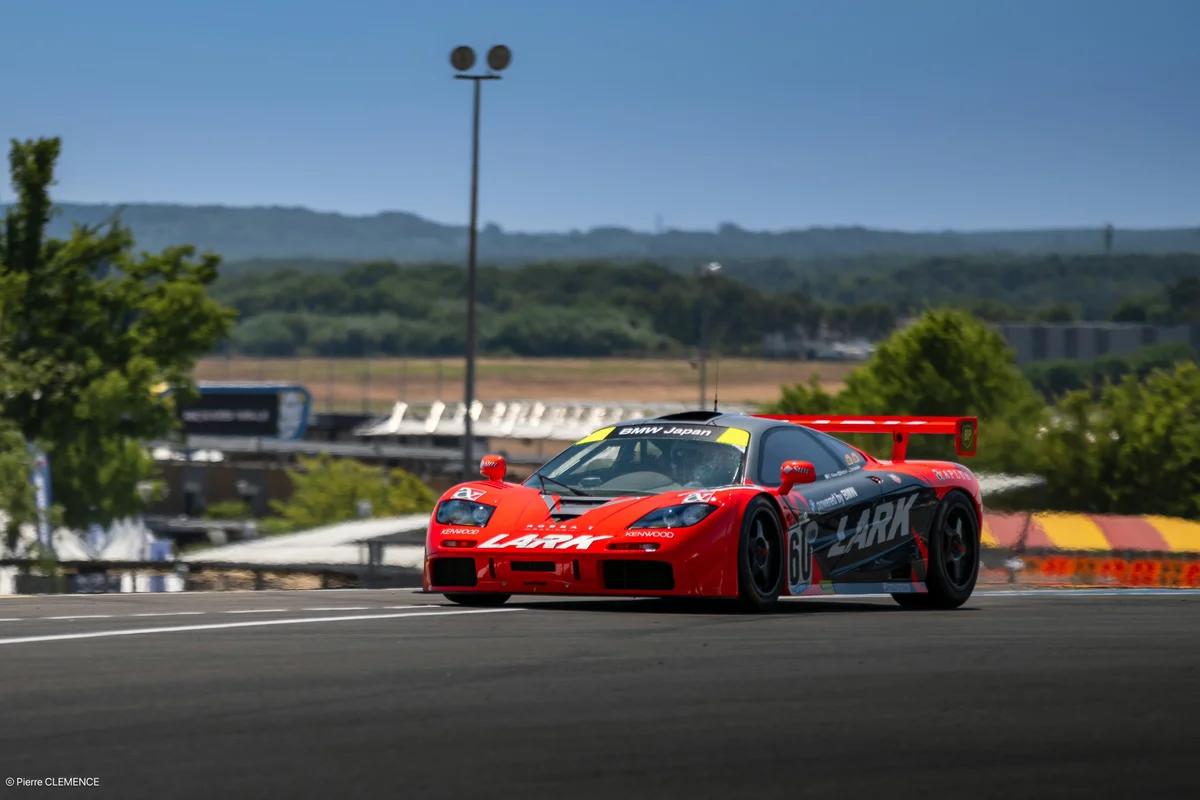
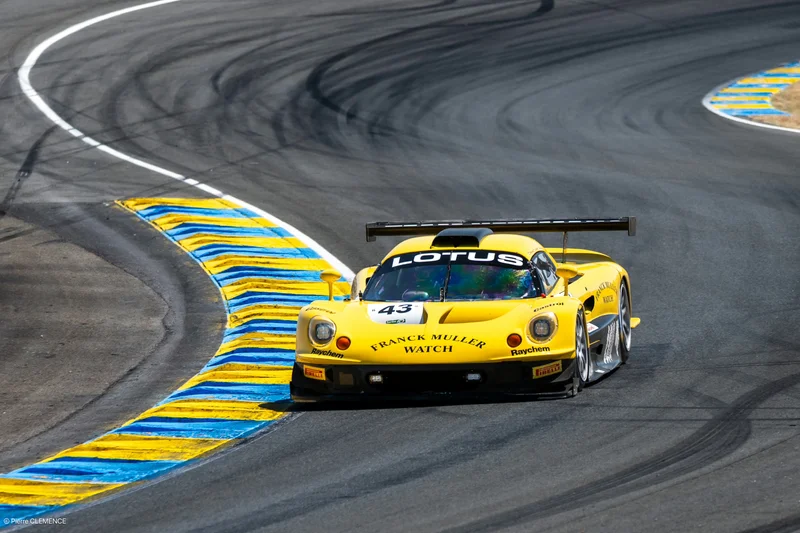
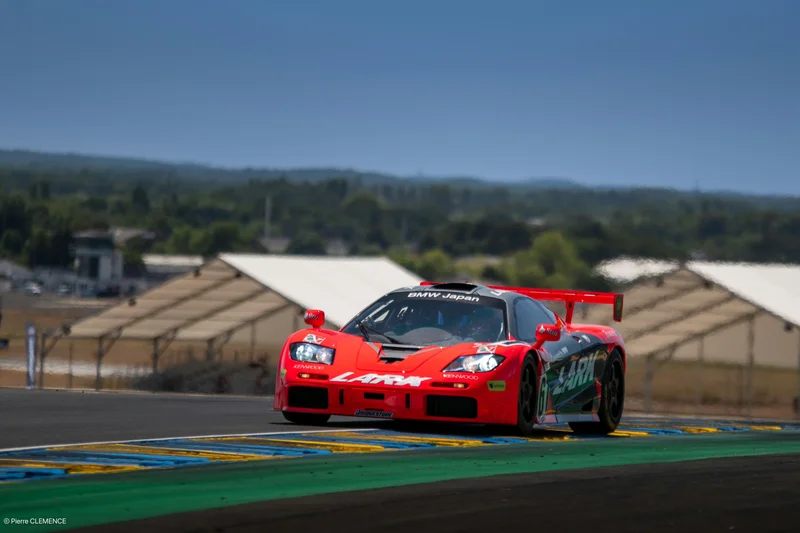
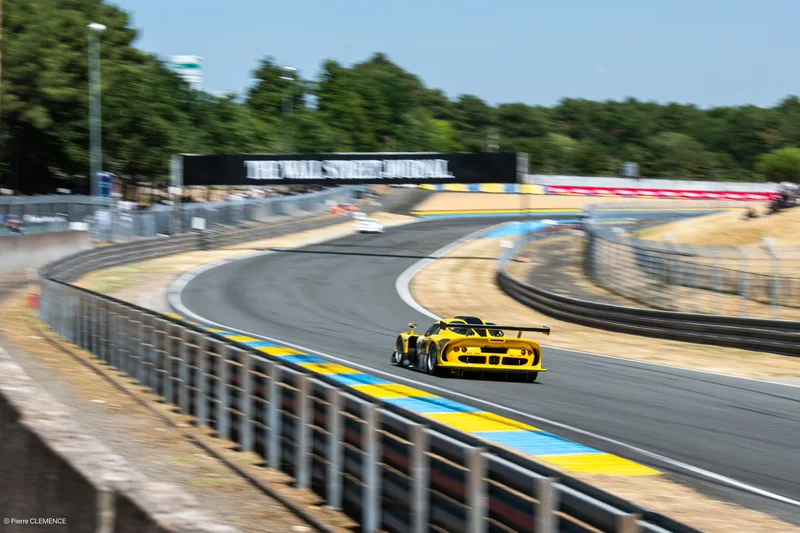
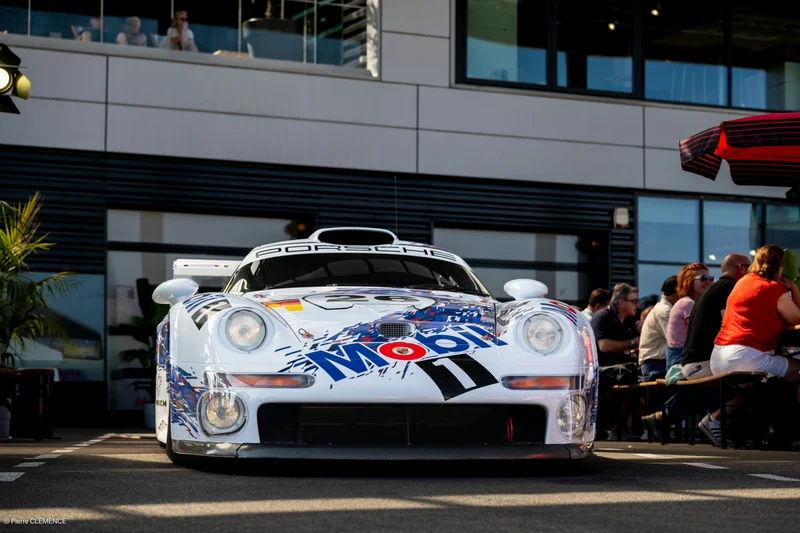
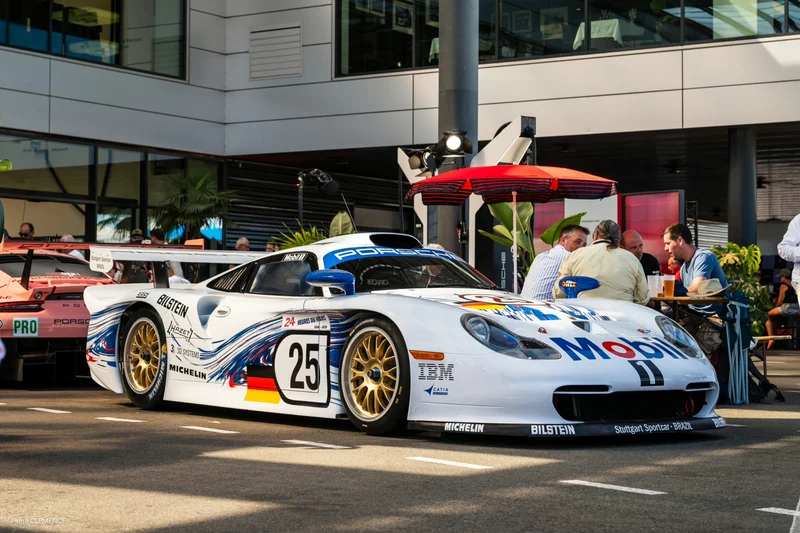
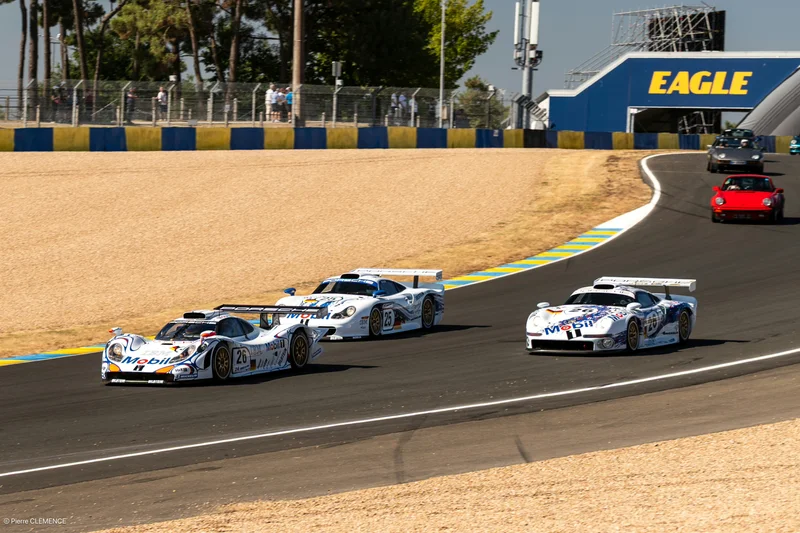
Much anticipated by fans, this category celebrated a prosperous period at Le Mans in the late 1990s. The McLaren F1 GTR (including the famous 1995 winner), Porsche 911 GT1, and Mercedes CLK LM provided unforgettable spectacles during memorable editions. Two McLaren F1 GTRs were present, including chassis 04R, driven by Emmanuel Collard, and 13R, which returned after participating in the 2018 Endurance Racing Legends support race. A rare Lotus Elise GT1 also joined this category alongside numerous 993 GT2s. Olivier Galant continued his winning streak with his Panoz, an atypical prototype featuring a front-mounted engine and large V8.
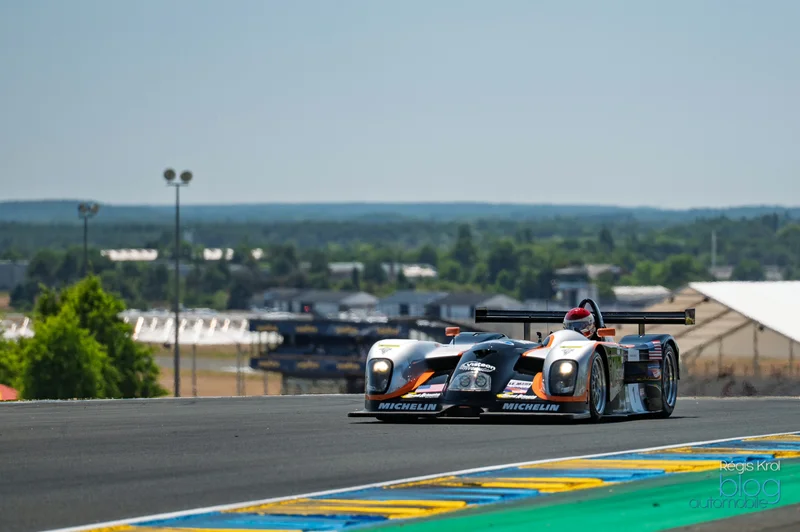
Category 9 (2000–2010): The Era of Modern Prototypes
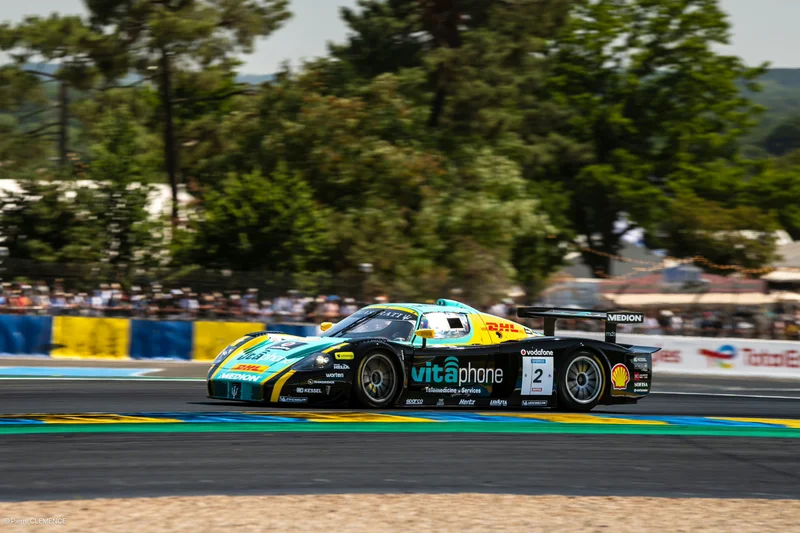
Featuring Audi R8 LMPs, Ascari KZR-1s, Lolas, Aston Martin DBR9s, and the rare Spyker C8 Double 12, this category highlighted vehicles often overshadowed by Audi's dominance. Sam Hancock and Oliver Hart, driving their Ascari KZR-1 (2002), led the pack, including during the night race. Two Maserati MC12 GT1s were showcased as honorary guests, although this model never raced at Le Mans, despite its early 2000s dominance in the GT World Championship.
Category 10 (2006–2020): Modern LMP1 and GTE
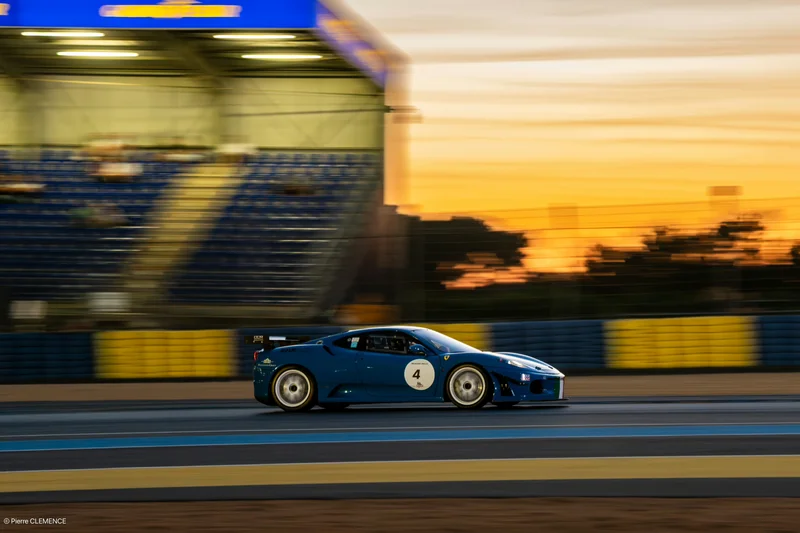
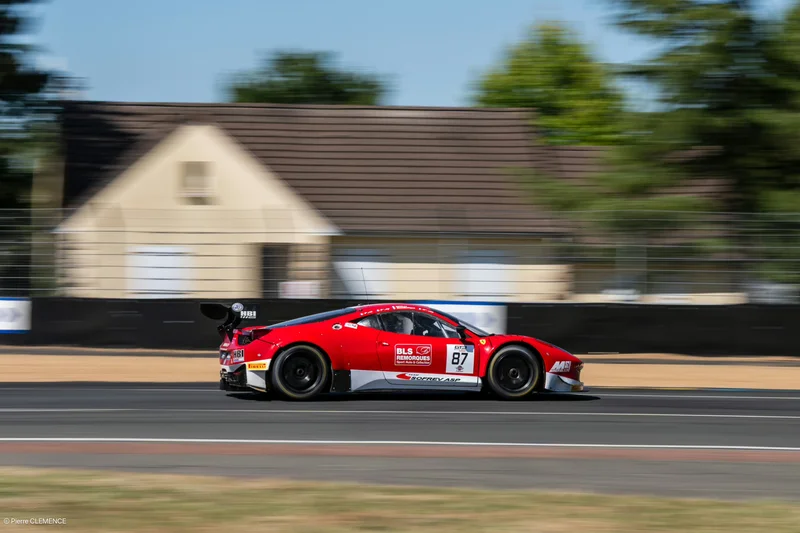
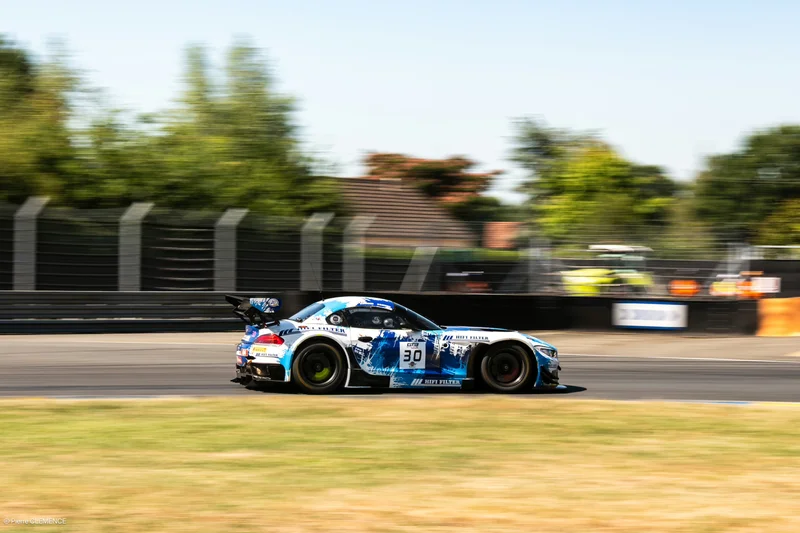
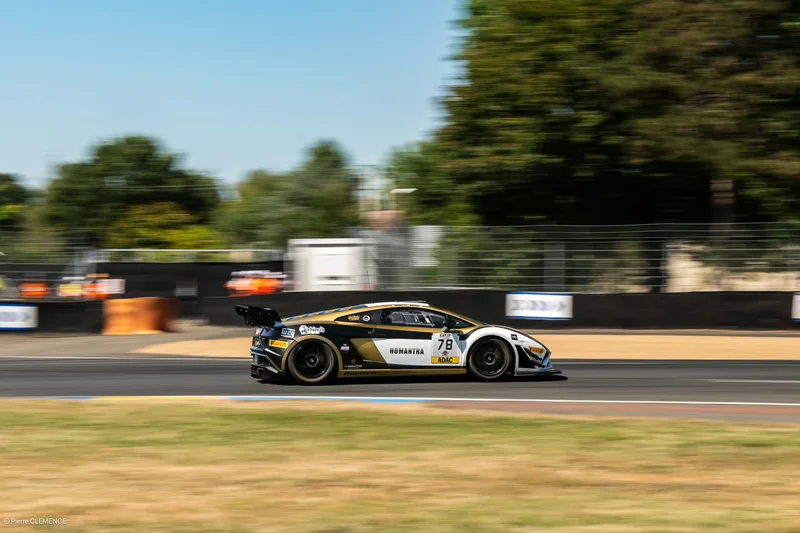
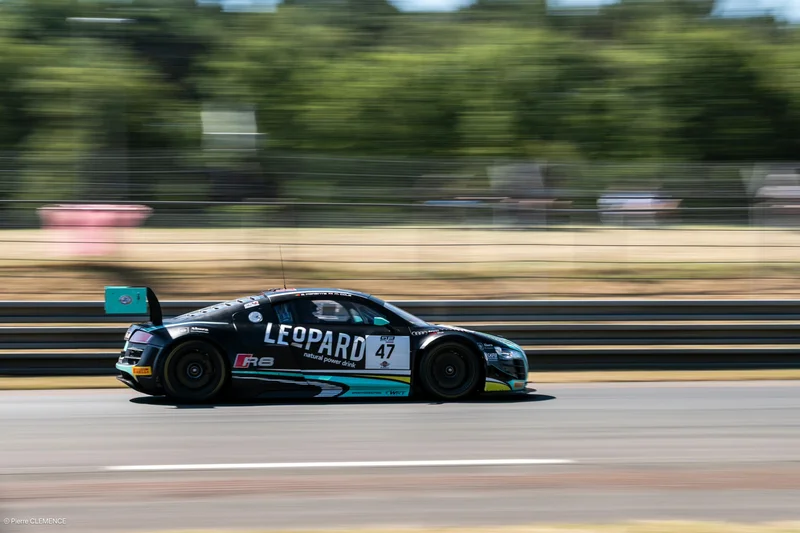
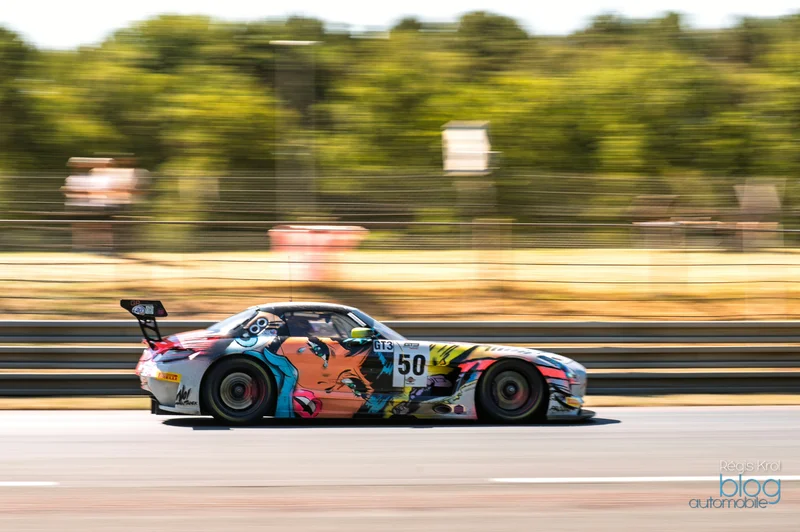
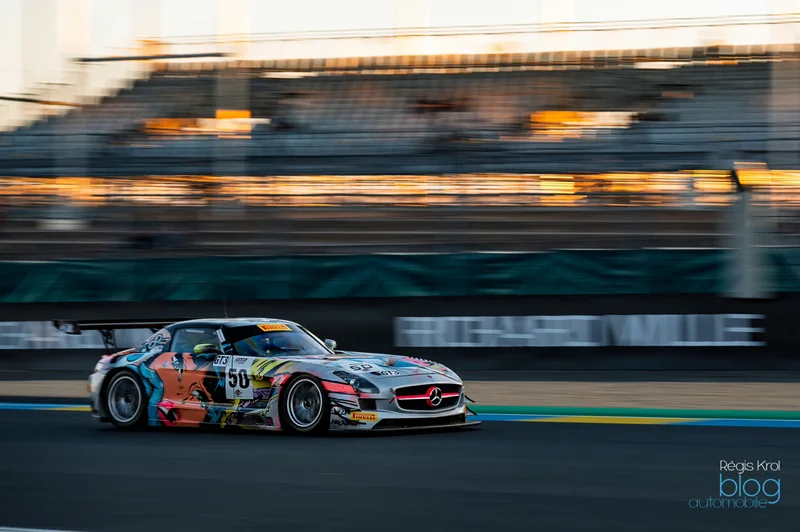
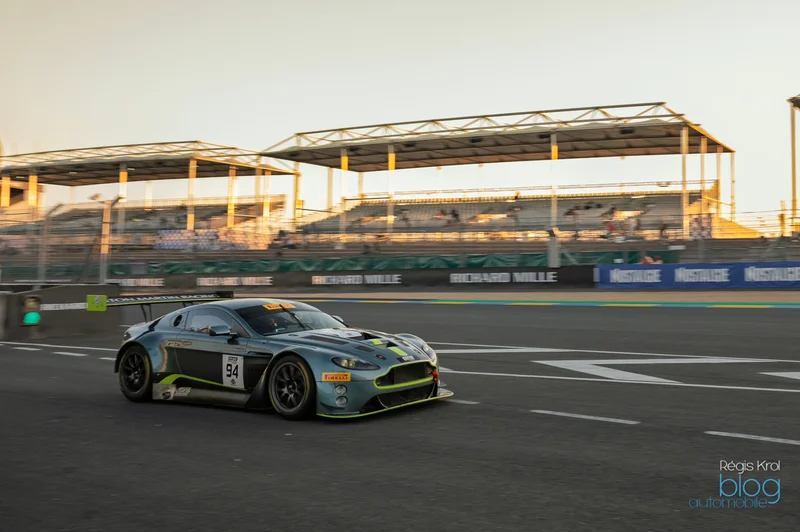
This final category featured LMP1 (2006–2012), LMP2 (2006–2015), and GTE (2011–2020) vehicles, including Lola Aston Martin, Peugeot 908, and Ferrari 488 GTE. These cars, too old for current competitions yet too recent for classic historical races, finally found their place. All race results are available on the Le Mans Classic Legend website.
The NASCAR Category: A Weekend Surprise
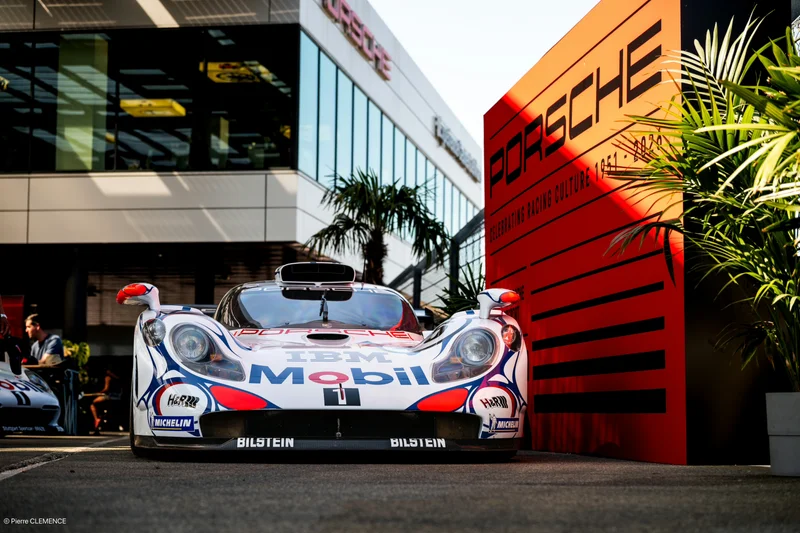
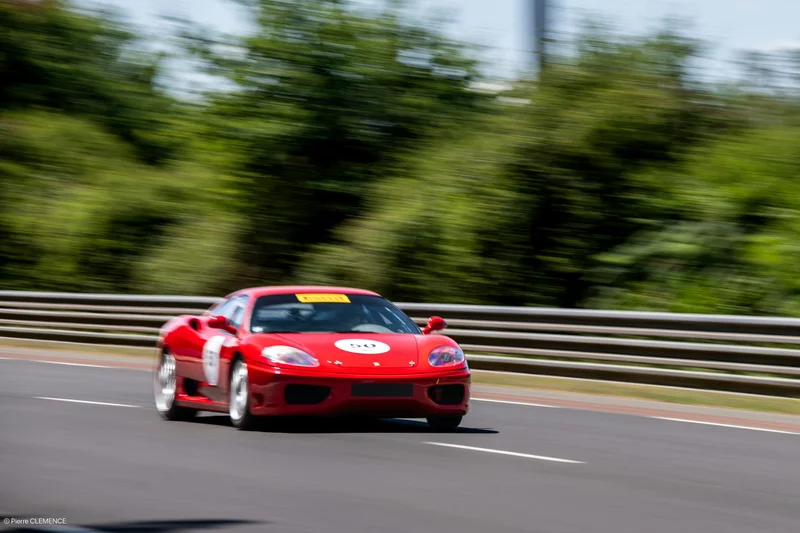
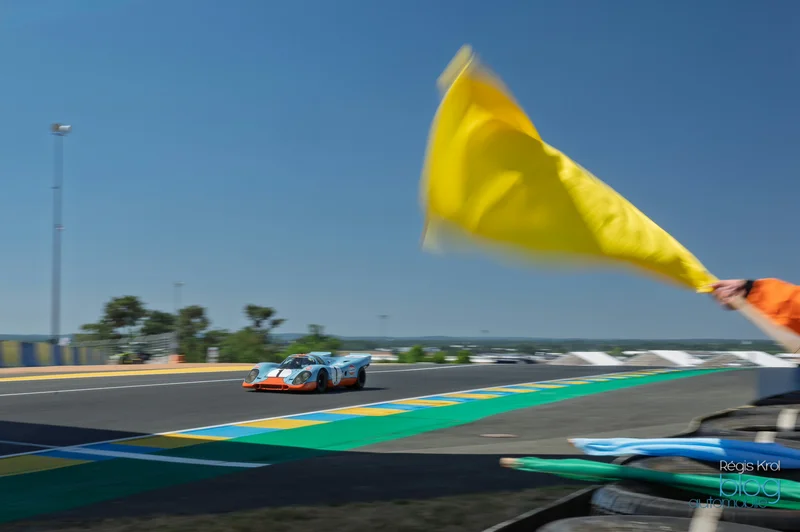
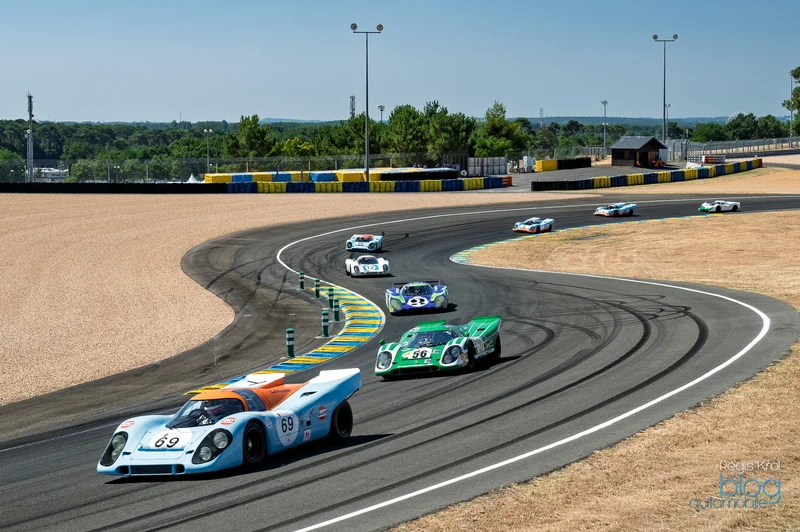
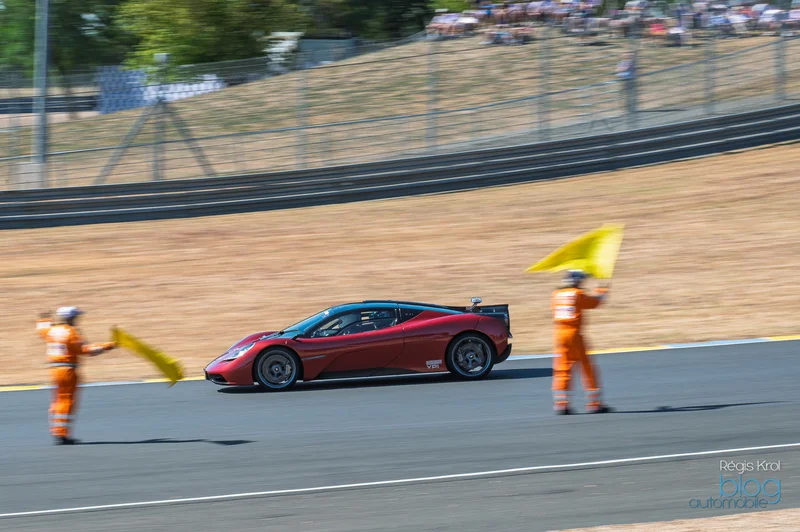
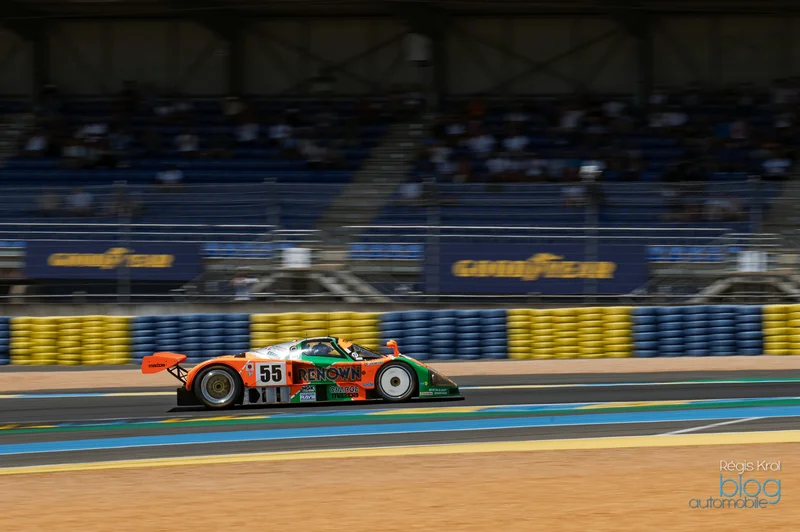
A major novelty this year was the introduction of the HSR NASCAR Classic by Goodyear category, marking its first appearance in Europe. The roar of Ford Gran Torinos, Chevrolet Camaros, and Dodge Chargers with their distinctive V8 engines provided an electrifying spectacle. This unexpected success caught many by surprise, but the audience clearly embraced it, making it the most captivating support race of the event. Conversely, the Berlinetta Ferrari category disappointed with only 15 cars, while the Porsche category, almost exclusively featuring 911 RS models, lacked diversity. The parades, however, were impressive, showcasing the Mazda 787B, Porsche 911 GT1, Porsche 917, and a well-deserved tribute to Gordon Murray.
Atmosphere and Entertainment
Le Mans Classic Legend offered a comprehensive entertainment experience. Between the stands, exhibitions, concerts, clubs, and various activities, there was something for everyone. The village served as a traditional meeting point, bustling with shops for enthusiasts and evening concerts.
Assessment: A Promising Yet Imperfect Evolution
It is always challenging to draw conclusions about an event that disrupts established norms. As I write these words, I am still trying to discern the prevailing sentiment.
Le Mans Classic embodies several strong markers: homage to the greatest race in the world, the 24-hour circuit, premium categories, a plethora of clubs, a lively village, and a biennial rhythm. While Le Mans Classic Legend ticks many boxes, criticisms abound: high ticket prices, absent clubs, a too-modern spirit, gaps in the schedule, lackluster categories, and an uninspiring village atmosphere.
To be fair, some of these criticisms seem exaggerated (the village, concerts, and track breaks were already part of Le Mans Classic), while others raise pertinent questions. I am not part of Peter Auto or the ACO's decision-making board, but it appears that this restructuring was decided for two main reasons: Le Mans Classic had become overwhelming, and the annual format opens up greater revenue potential.
Has the Public Turned Away from Le Mans Classic Legend?
Despite these changes, attendance figures tell a different story: with 159,853 spectators, the drop in numbers is stark—a decline of one-third! Clubs, whose attendance was ensured by friend Maurice, experienced an even steeper decline, losing over 50% of their presence. While I am not privy to Peter Auto's financials, this represents a significant drop in two revenue sources, while the third—entrants—likely remained relatively stable. This situation arises against a backdrop of fixed costs that probably haven't changed much under the new format.
In terms of managing the overflow that had become Le Mans Classic, the division into two 50-year periods is, in my opinion, a sound idea for several reasons. It allows a larger number of participants to join the festivities and take to the grand circuit. Additionally, it prevents the concept of historic racing from becoming stagnant: as time passes, seeing cars from 10 or 15 years ago on the track is not an aberration; it's quite logical.
When Le Mans Classic was created, the newest cars were 20 years old. Now, 25 years later, the same logic applies. Of course, there are detractors who argue that "this isn't historic," "this isn't what Le Mans Classic is about," or that "Ferraris post-1995 are irrelevant," but those are simply complaints. Moreover, they will have their chance to enjoy the "Heritage" version next year.
This division also offers a distinct advantage: each audience will have "their" Le Mans Classic. For those who attended for the Endurance Racing Legends, the version we just experienced was tailored for them. For those who only resonate with the 1930s, the Heritage version will cater to their tastes. Finally, all automotive enthusiasts who appreciate the full spectrum of automotive history will now have the opportunity to attend annually, provided they are willing to make the journey.
One lingering critique is that an annual rhythm may dilute the event's exclusivity and rarity. Waiting two years to experience the 24 Hours circuit to its fullest is a valuable pause. Just as one anticipates the Chantilly Concours every two years, creating enough desire to make attendance essential. This, in my view, is why attendance was lower: when there are too many events, people tend to prioritize. Additionally, the direct competition from the Silverstone Grand Prix, which consistently attracts a large British audience to Le Mans, cannot be overlooked.
What Lies Ahead?
In 2027, Le Mans Classic will return with Le Mans Classic Heritage, focusing on the pioneers of motorsport, from its origins to the 1970s. In the meantime, Le Mans Classic Legends 2026 remains a remarkable event, a rare chance to see numerous cars on the track where they belong. However, we hope that this annual format does not strip away the essence of France's most beautiful automotive celebration. Change always elicits reactions, often exaggerated. Only time will tell if this organizational shift is beneficial or detrimental.