Le Mans Classic Legend 2026: Highlights and Observations
The Le Mans Classic Legend 2026 saw a decrease in attendance and participants compared to previous editions. Explore the highlights and changes of this iconic automotive event.
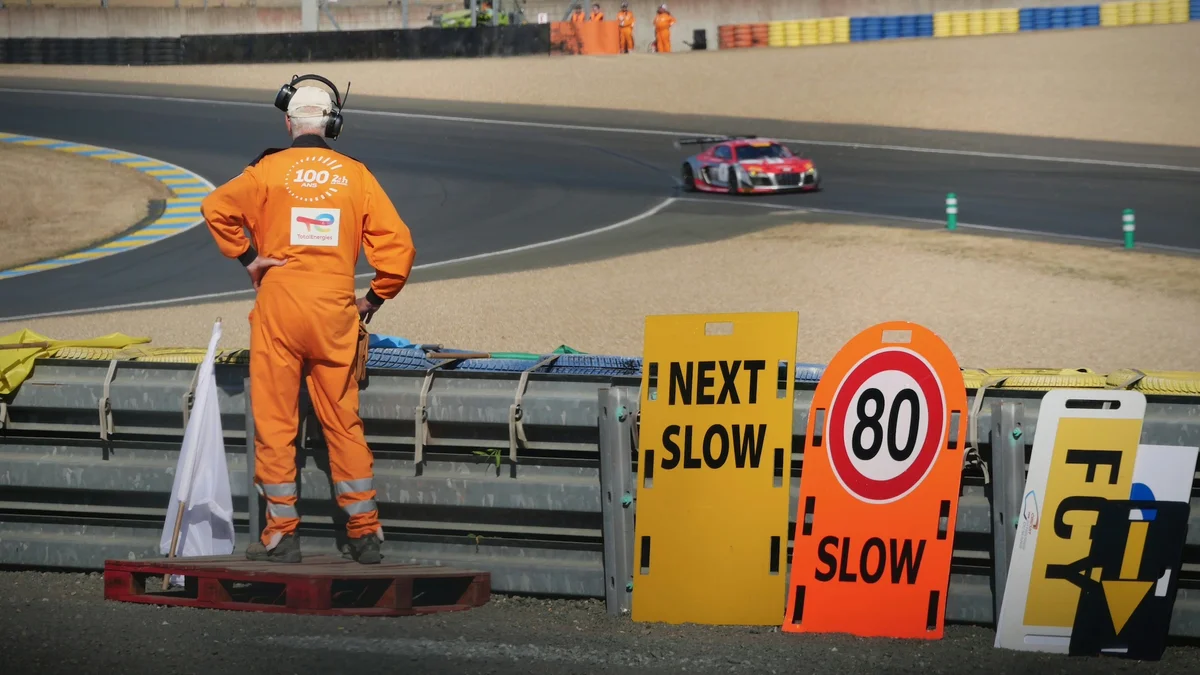
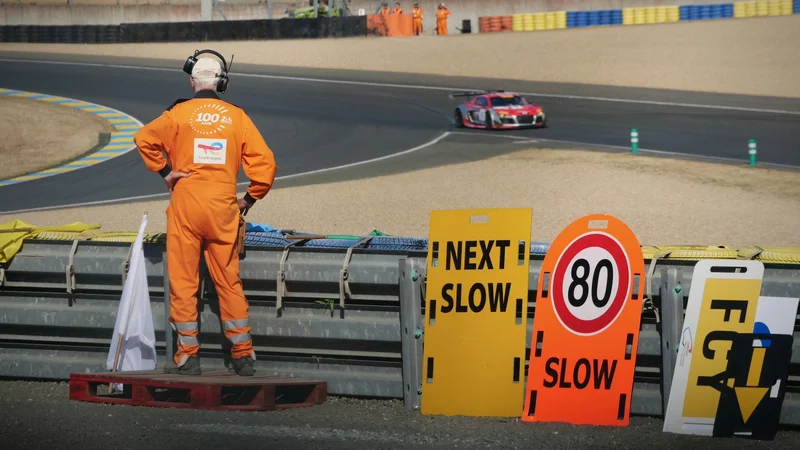
The Le Mans Classic Legend 2026 saw a significant drop in attendance, attracting just under 160,000 spectators compared to the 238,000 who attended its last traditional format in 2025. This inaugural annual edition of the event has not met expectations in terms of visitor turnout and participant numbers. Here’s a look at what stood out, both positively and negatively, during the event at the Sarthe circuit in early July 2026.
New Format
As previously announced in 2025, Peter Auto and the ACO revamped their flagship event, shifting the Le Mans Classic from a biennial to an annual format. The new structure alternates between the “Legend” edition, which celebrates competition cars from 1976 to 2010, and the “Heritage” edition, set to feature vehicles from 1923 to 1975 next year.
Despite the record-breaking attendance of the 2025 edition, the first iteration of the “Legend” format struggled to win over the crowd, with a nearly 33% drop in attendance. The number of represented clubs also fell sharply, from 220 in 2025 to just 104, and the number of cars on display decreased from 9,200 to 3,200. This decline in participation was evident in the reduced range of activities, even as ticket prices continued to rise.
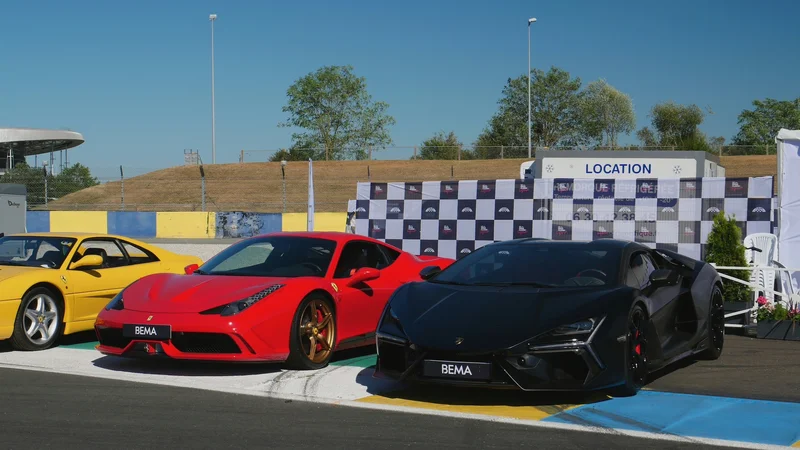
Nonetheless, the event retained its allure. Witnessing historic race cars compete on the famous 24 Hours of Le Mans circuit remains a unique experience that every car enthusiast should have at least once.
Additionally, the new “Legend” program aimed to attract a younger audience, featuring activities tailored for these new spectators.
Parades
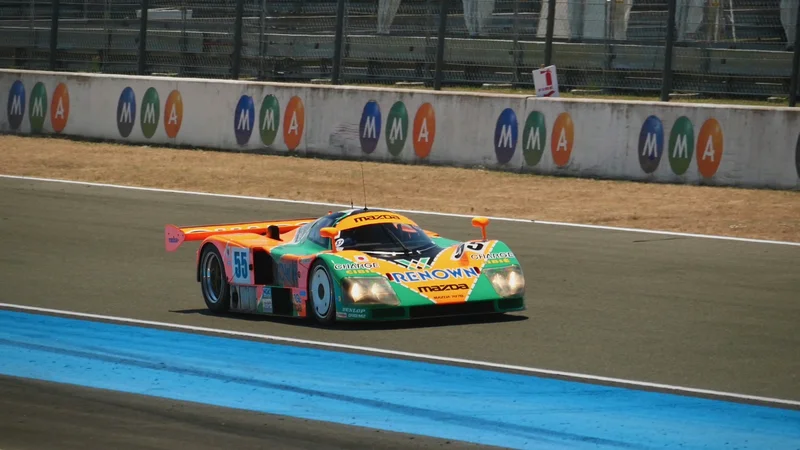
In addition to track sessions for clubs, which provide members with a rare opportunity to drive their beloved vehicles on the legendary circuit, numerous parades took place from Friday to Sunday, adding variety to the weekend’s activities. The iconic Mazda 787B and its rotary engine could be heard roaring across the circuit, a treat for those who missed its participation and victory at the 1991 24 Hours of Le Mans.
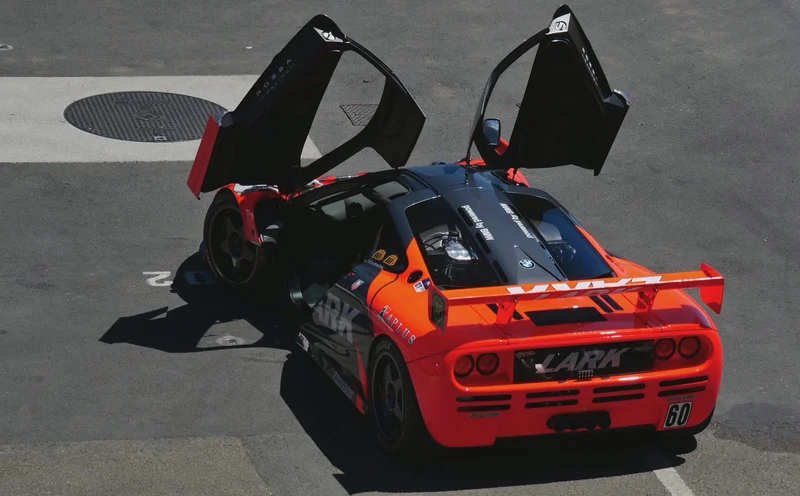
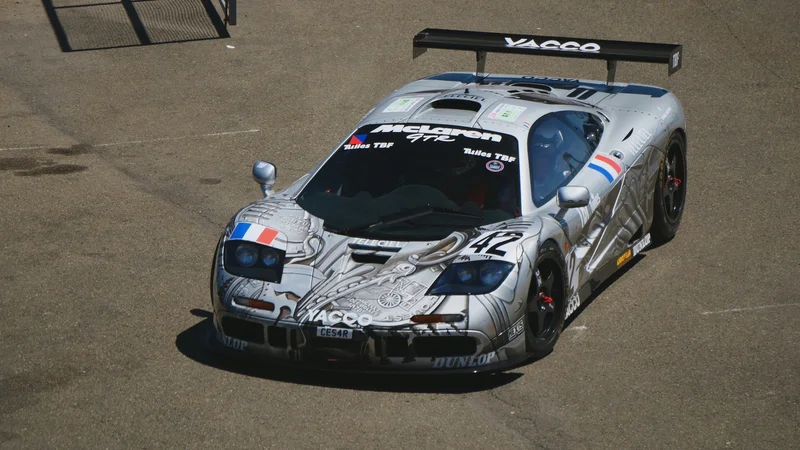
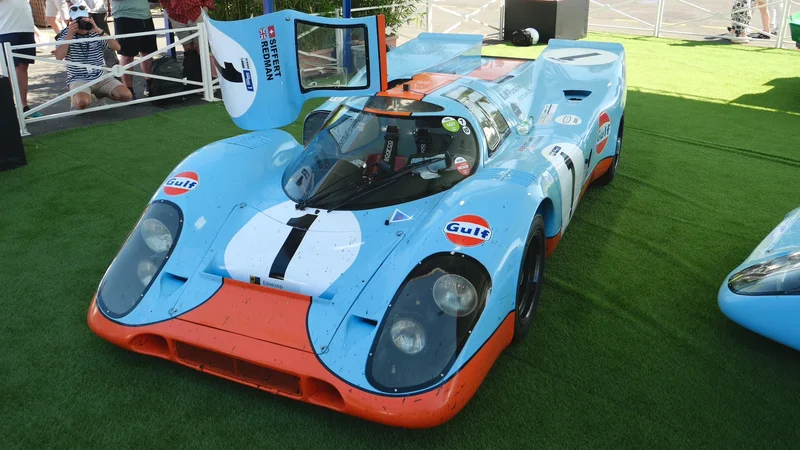
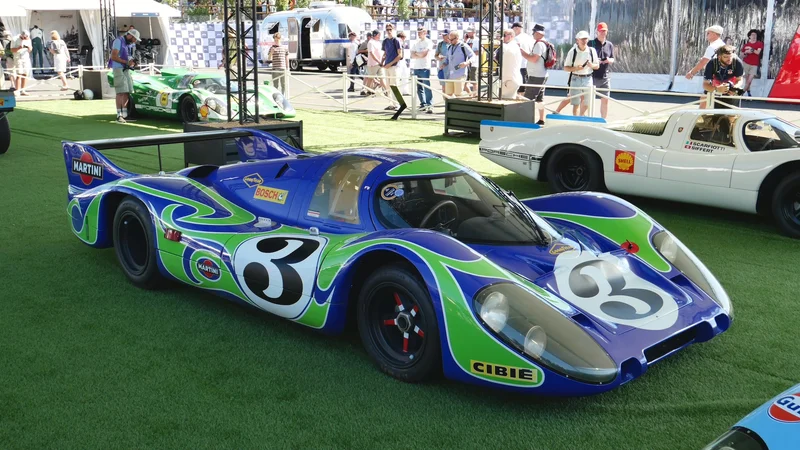
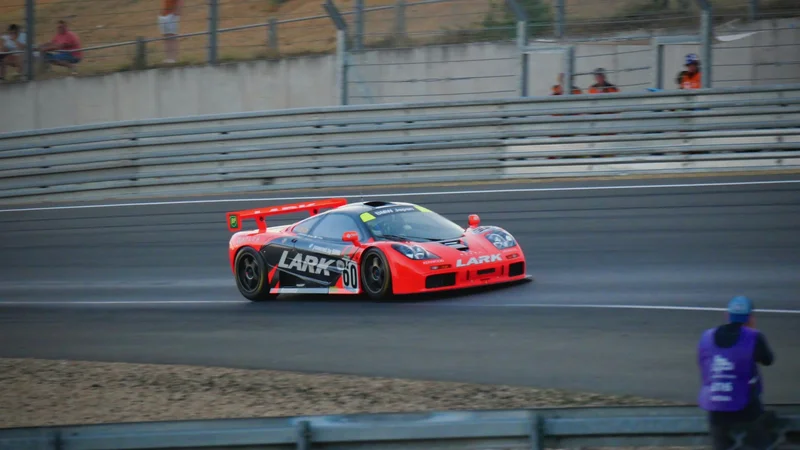
Temporary exhibitions were also set up in the paddocks (access to which required an additional fee beyond the general admission ticket). Attendees could admire several examples of the legendary Porsche 917, as well as cars paying tribute to the genius of Gordon Murray, who was present at the event. A road-legal version of the McLaren F1, designed by Murray, remained in the paddocks while two F1 GTRs (Cesar & FINA) took to the track, alongside a third (LARK #60) competing in Group 8.
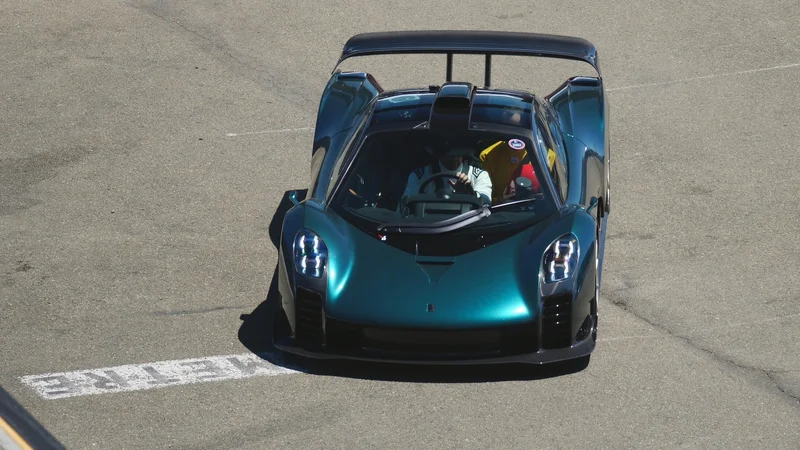
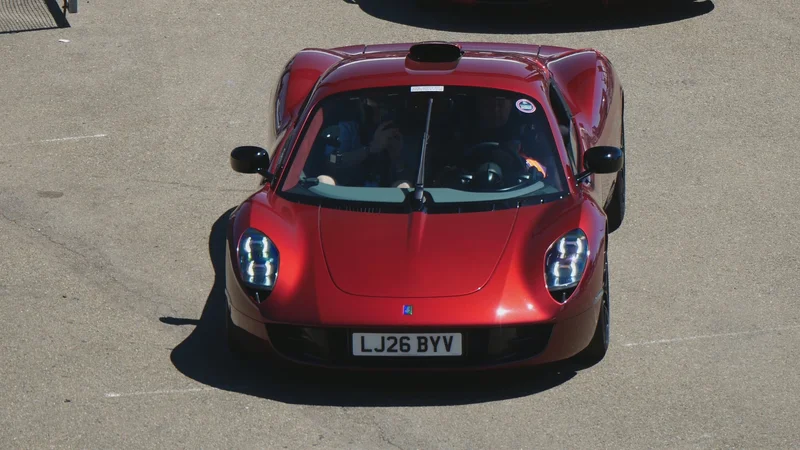
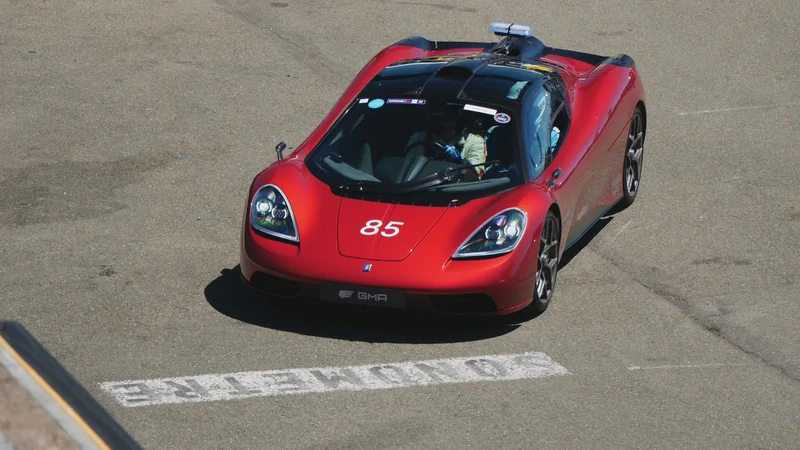
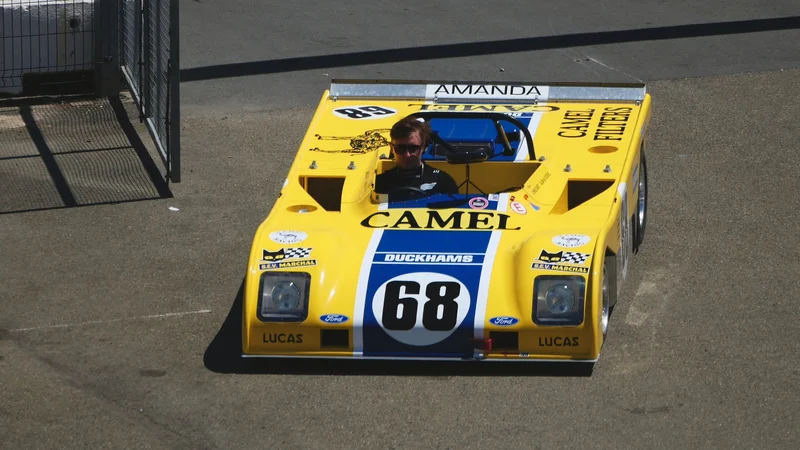
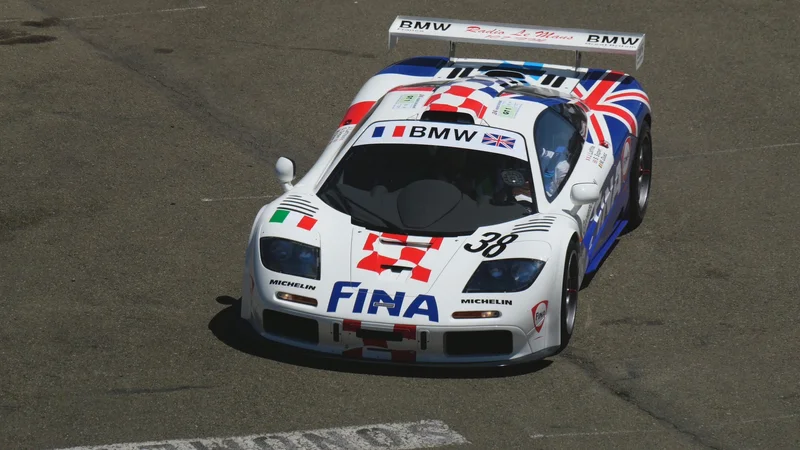
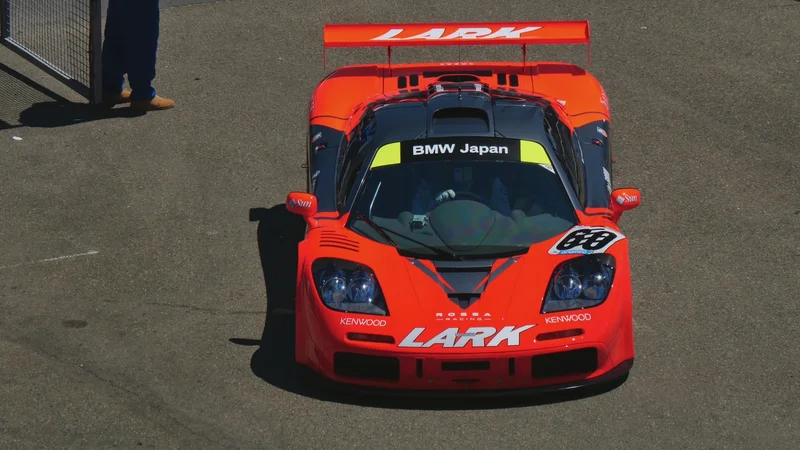
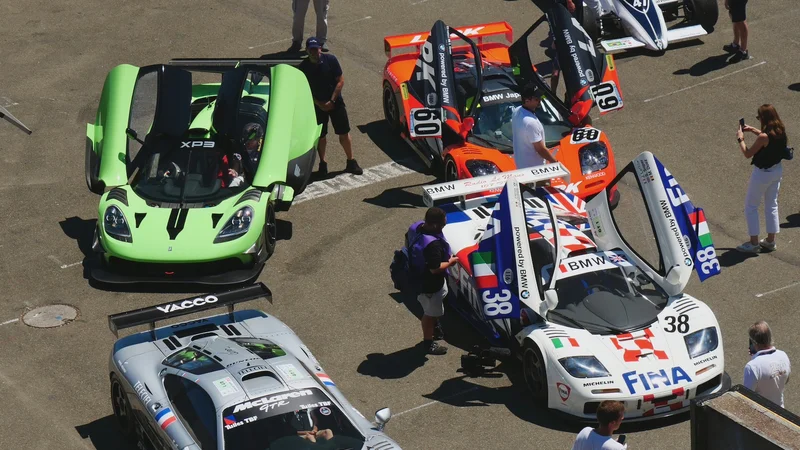
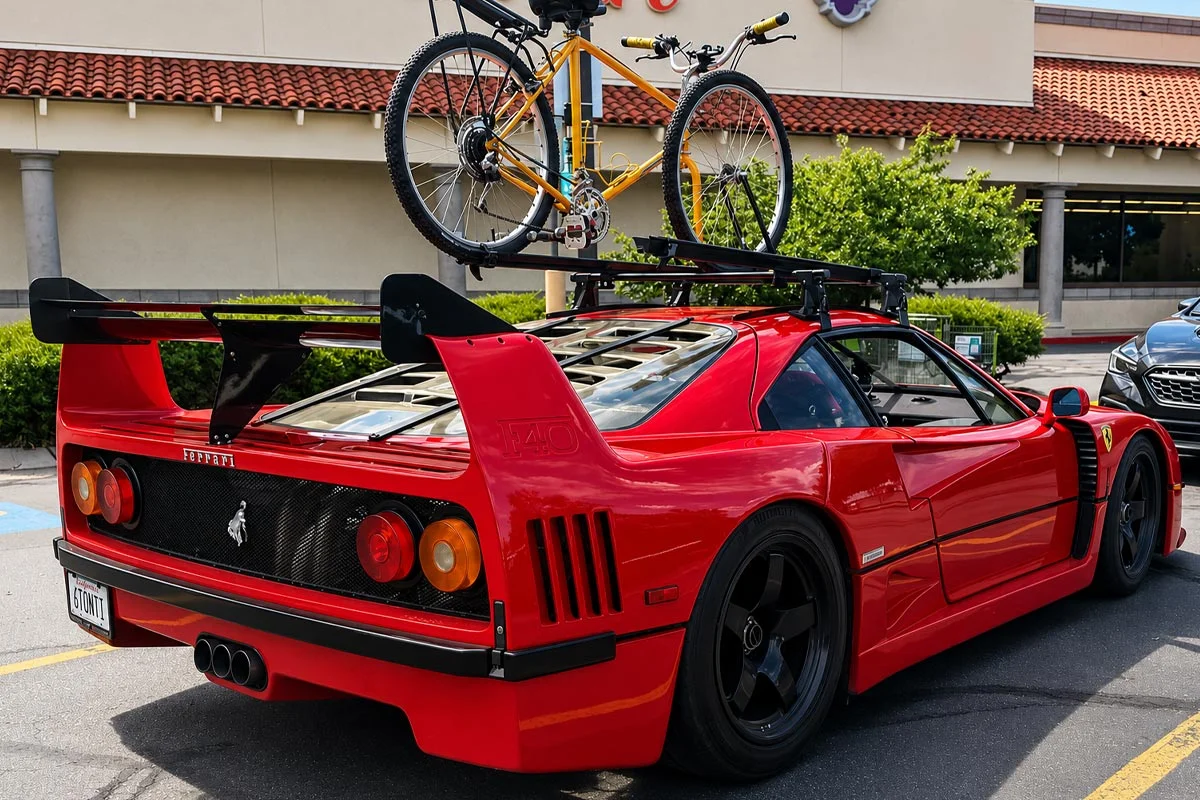
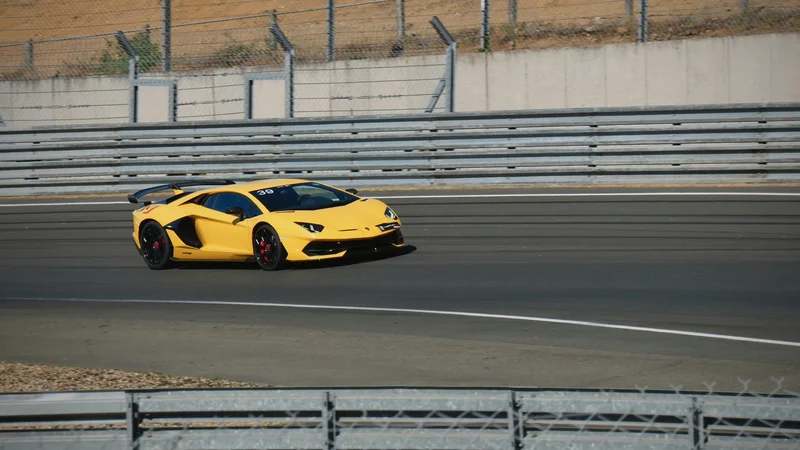
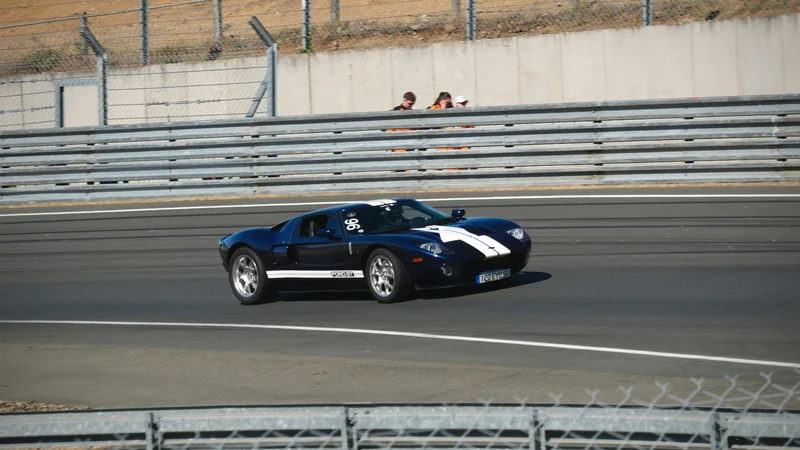
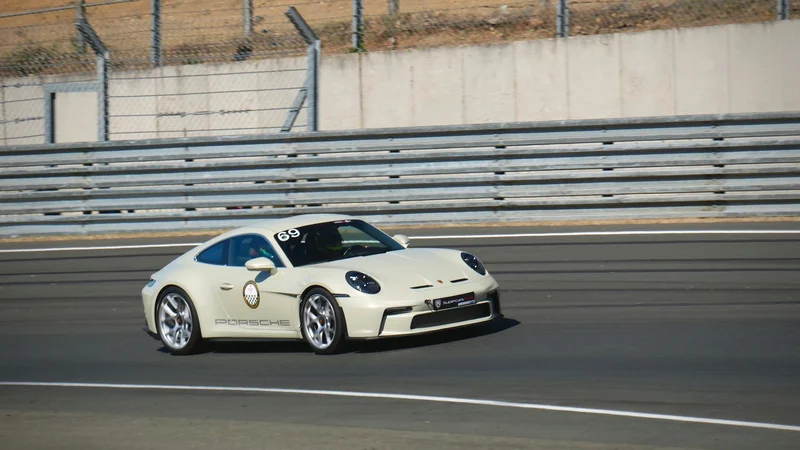
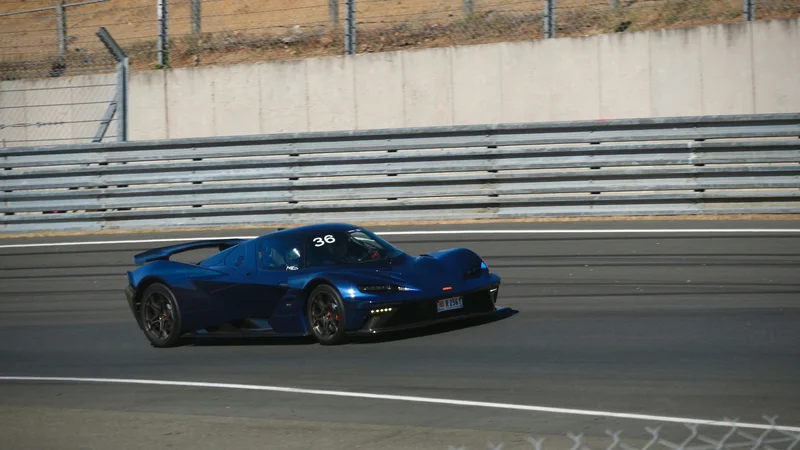
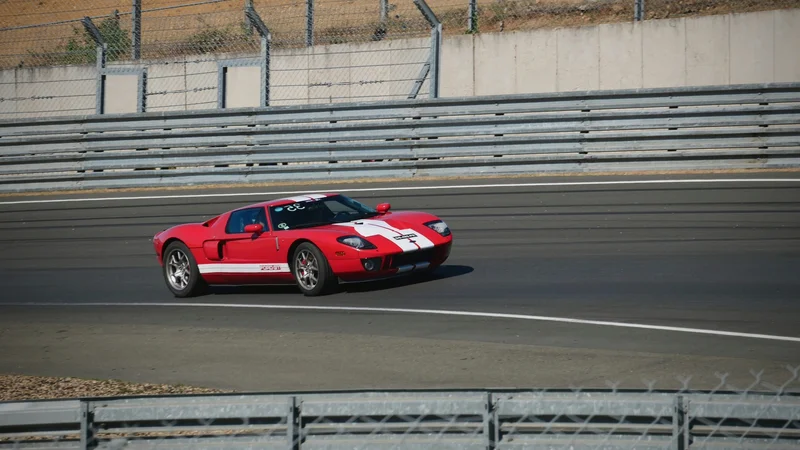
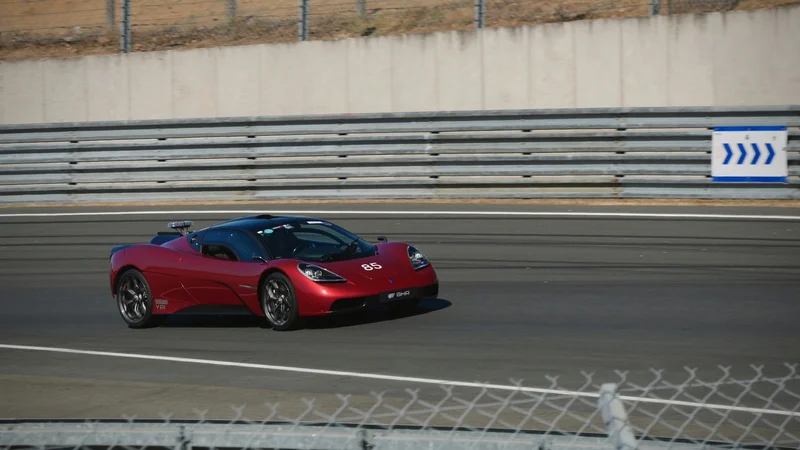
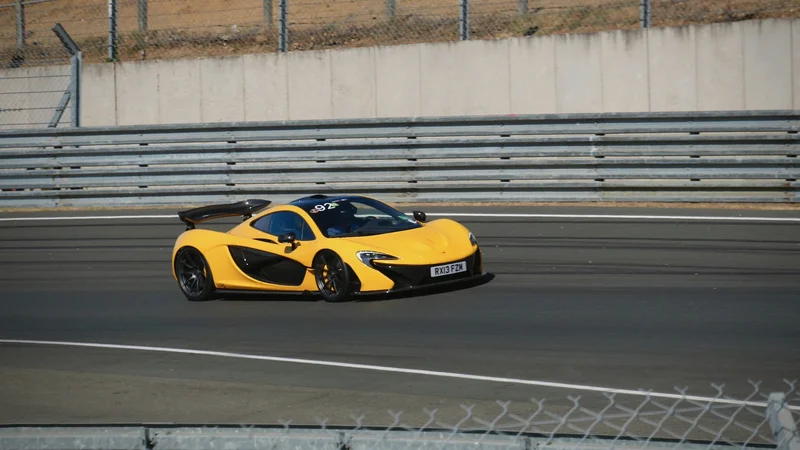
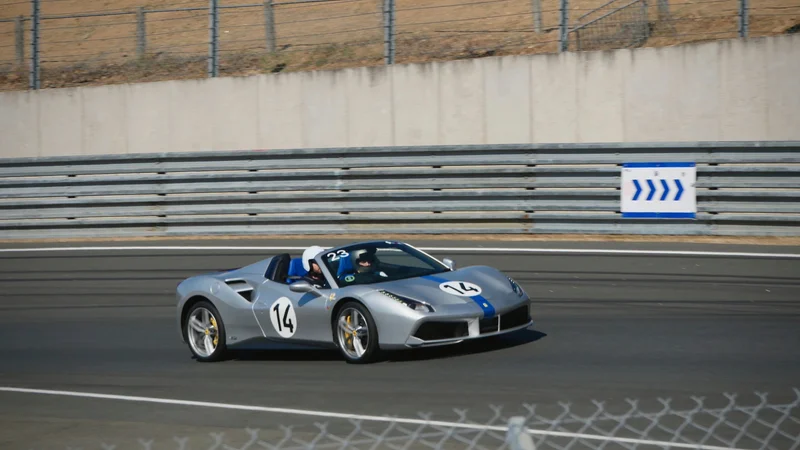
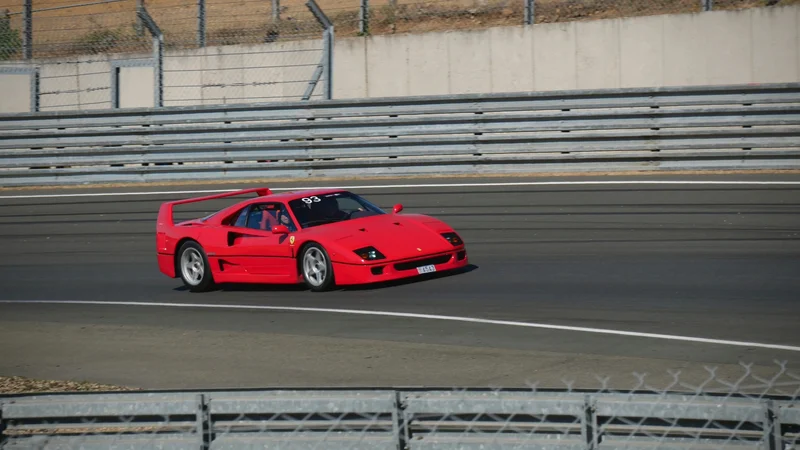
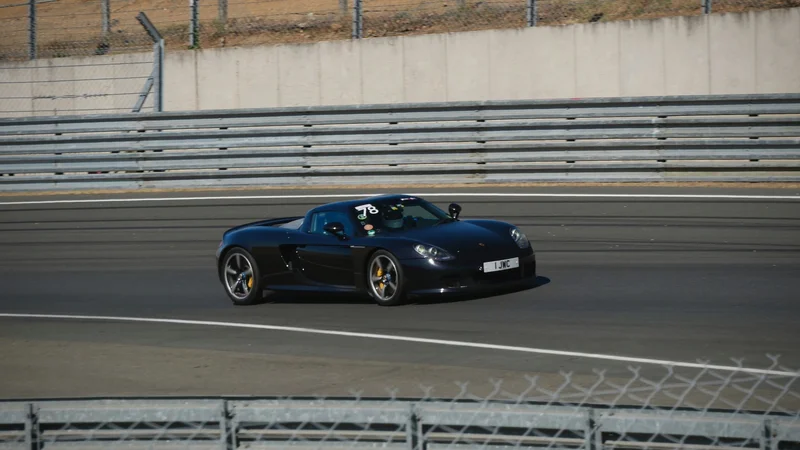
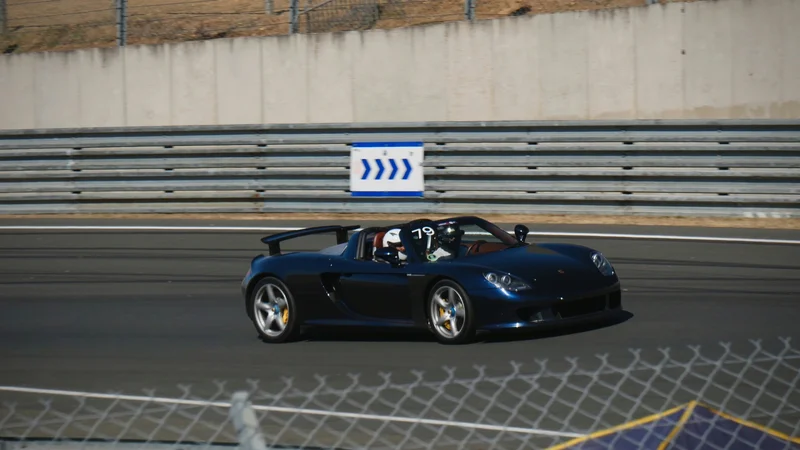
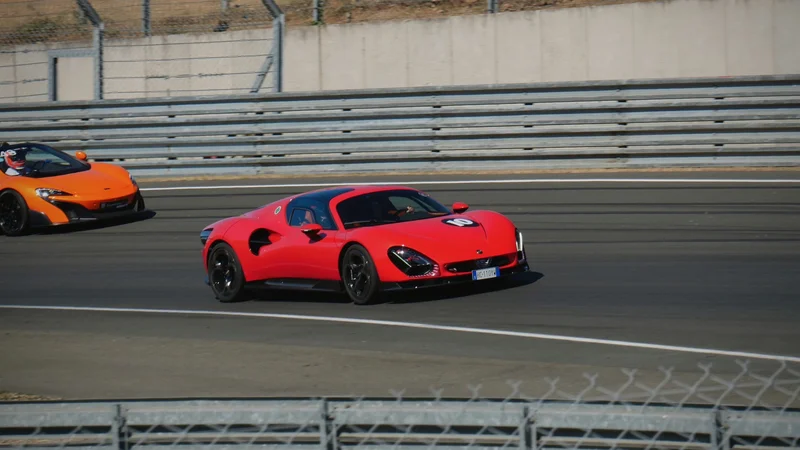
Several other parades were organized, including those for Porsche, BMW, and the newly reopened M24 museum, as well as the famous “Supercars Run,” allowing fortunate (and wealthy) owners of recent sports cars to unleash their machines on the Hunaudières straight. Spectators were treated to a visual feast featuring models like the Ferrari F40, Porsche Carrera GT, McLaren P1, Ford GT, and Alfa Romeo 33 Stradale, much to the delight of younger “car spotting” enthusiasts.
The Paddocks
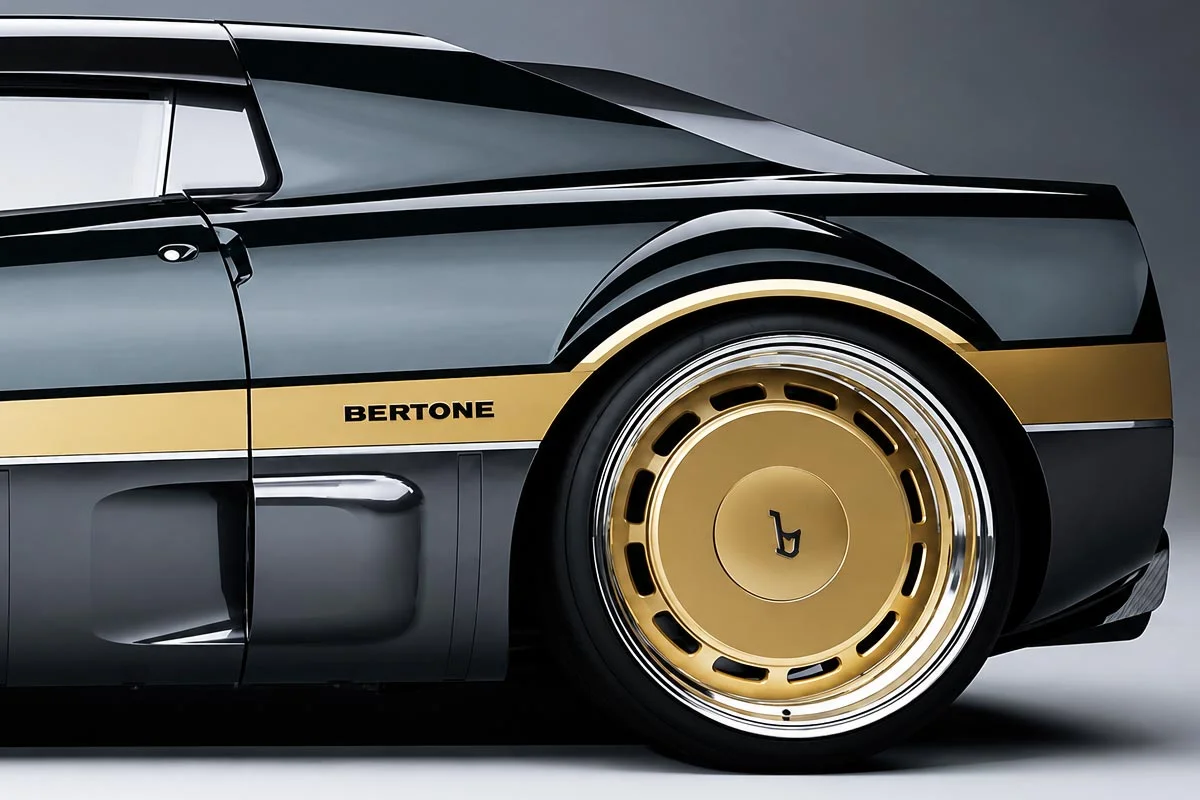
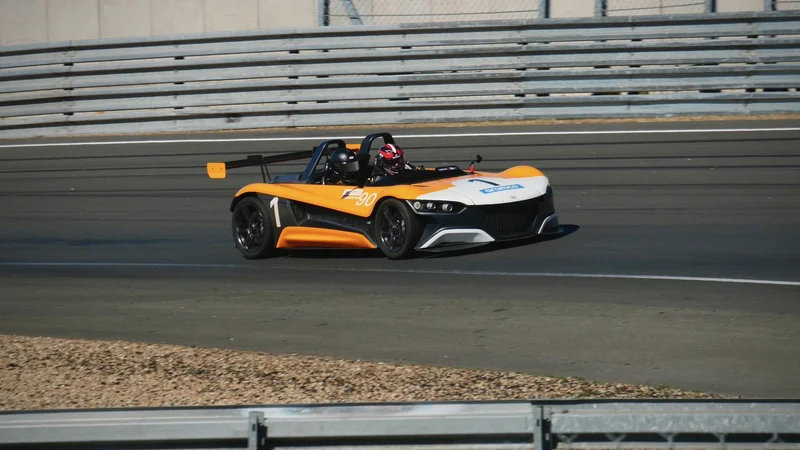
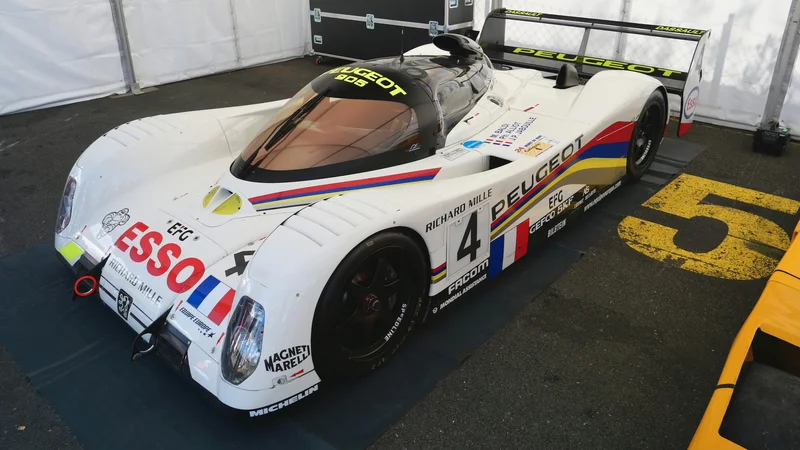
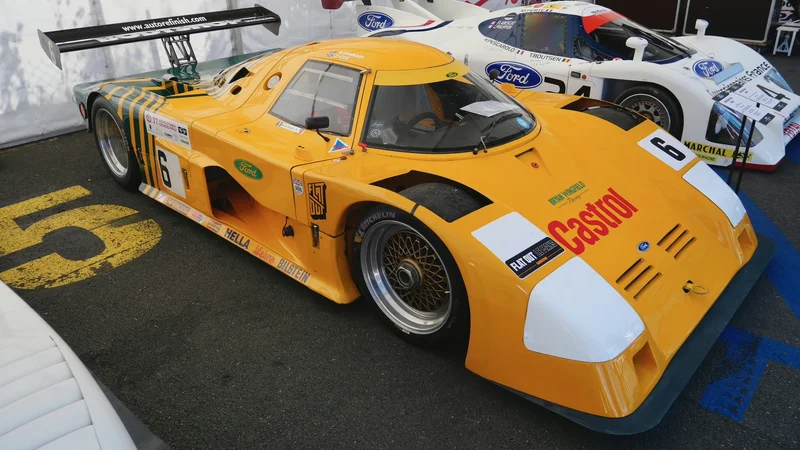
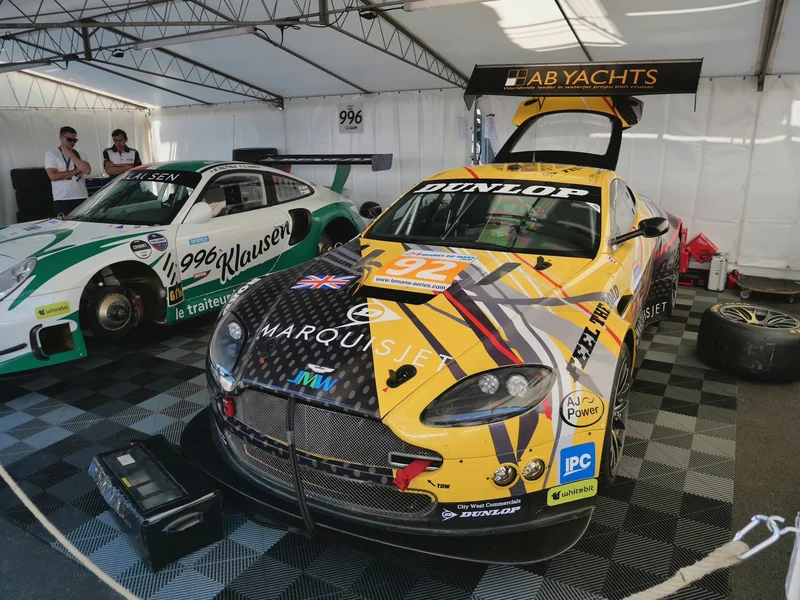
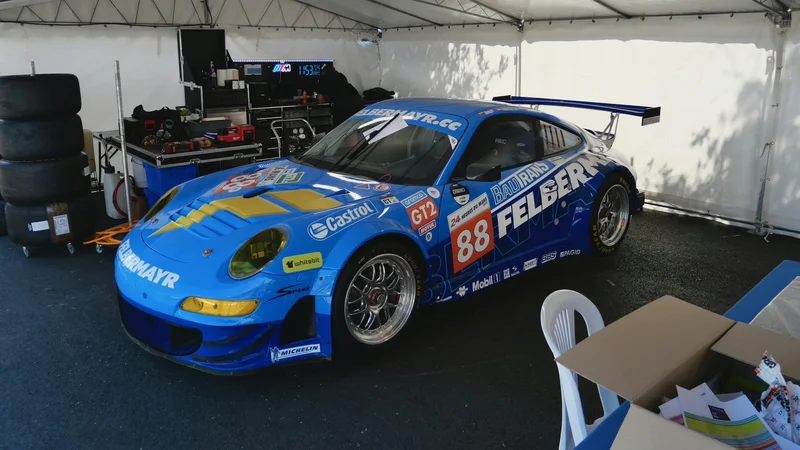
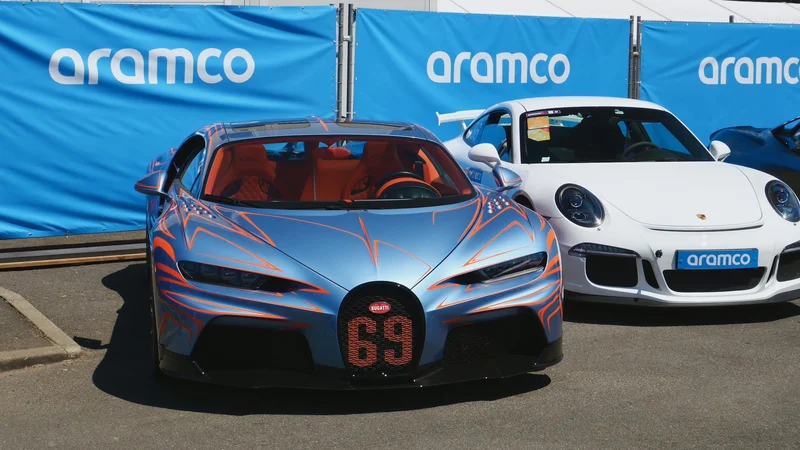
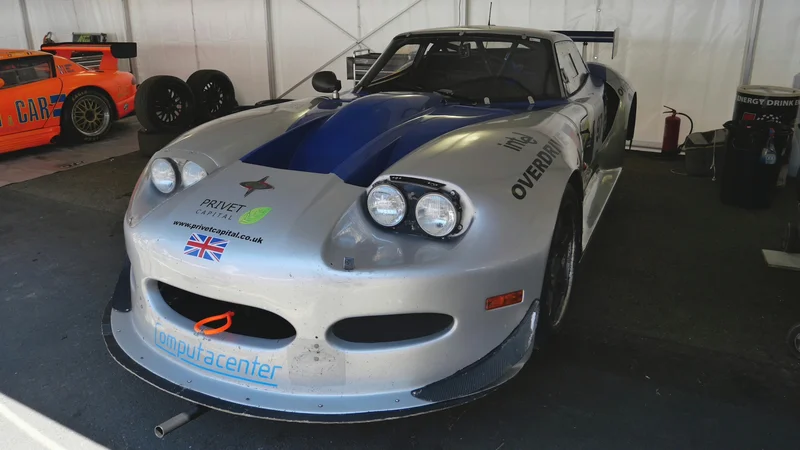
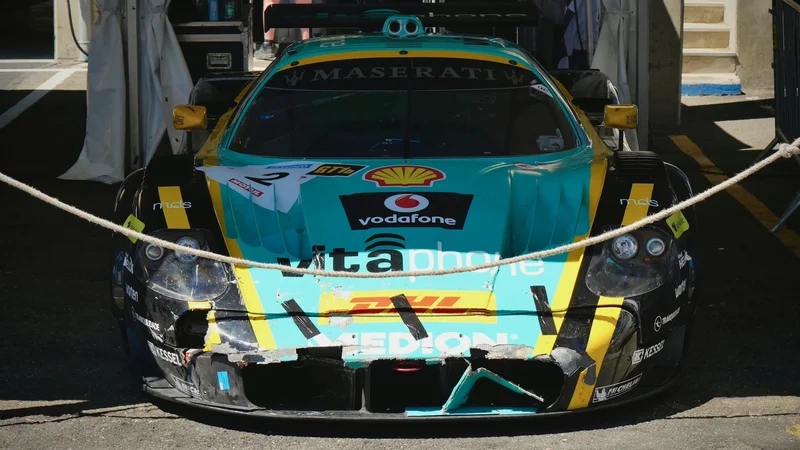
While the paddocks may not always provide the best photographic opportunities, the atmosphere remains a unique experience at Le Mans Classic, and this was no different for the “Legend” format. Getting up close to legendary endurance cars, watching mechanics work between races to repair vehicles, and discovering the inner workings of these iconic race cars is something special. I focused my photography on cars that, to my disappointment, did not take to the track: the Nissan R390 GT1, Porsche 911 GT1 Evo, and two stunning Venturis. It was also a surprise to spot the Bugatti Chiron Super Sport “Waves of Light” among the crowd, which many wished could have participated in the “Supercars Run” parade.
On Track: Groups 6 to 10
Groups 6 to 10 represented the following eras: “1972-1984”, “1982-1993”, “1994-1999”, “2000-2010”, and “2006-2015”. While Groups 6 and 7 (formerly the Support Race Group C) were well-known, Groups 8 to 10 introduced some new participants, including several cars seen in the 2023 and 2025 editions of Le Mans Classic, under the moniker “Endurance Racing Legends.” This raises the question of whether the new name “Le Mans Classic Legend” was inspired by this.
Photo opportunities outside the grandstands are quite limited. To capture shots without protective fencing, one must walk past the GoodYear bridge (formerly the Dunlop bridge) or head to the Arnage and Mulsanne corners, accessible with a general admission ticket. Unfortunately, due to the low attendance, Peter Auto did not open the grandstands during the weekend, likely to avoid complaints from those who paid premium prices.
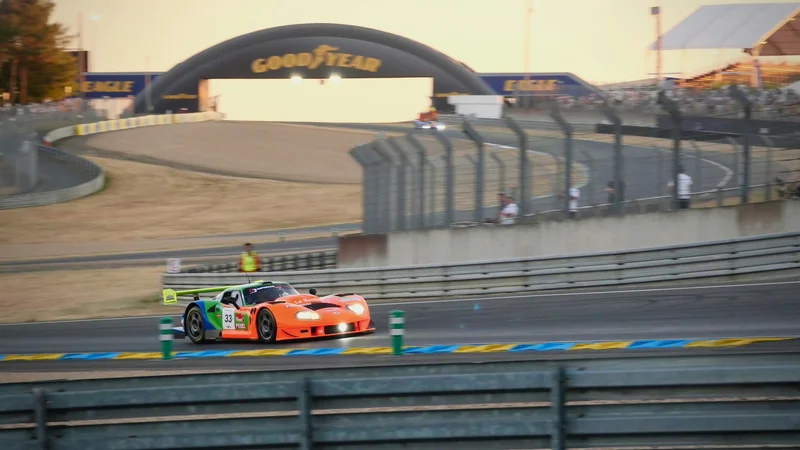
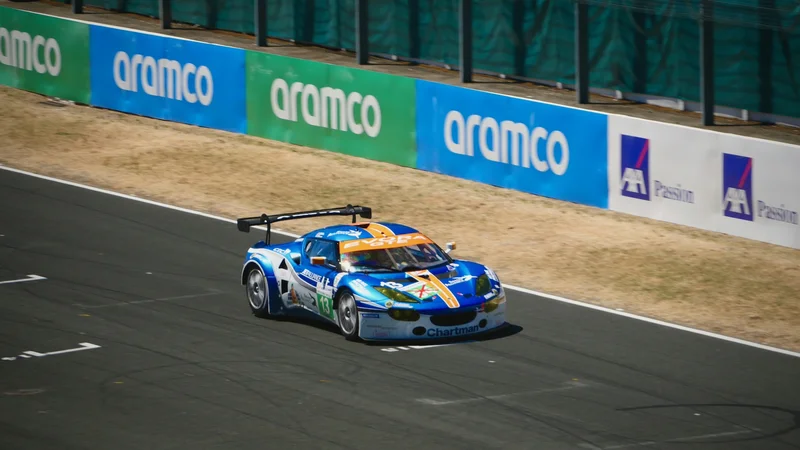
This year, I focused on Groups 8 to 10, as I have had the chance to observe many participants from Group 6 since 2012, while Group 7, which hosted Group C, was somewhat disappointing due to a reduced number of entries. Group 8 was a highlight of the weekend, featuring several cars from the former GT1 category, including two McLaren F1 GTRs in LARK colors, a Lotus Elise GT1, and a personal favorite from the weekend: the Marcos Mantara LM600.
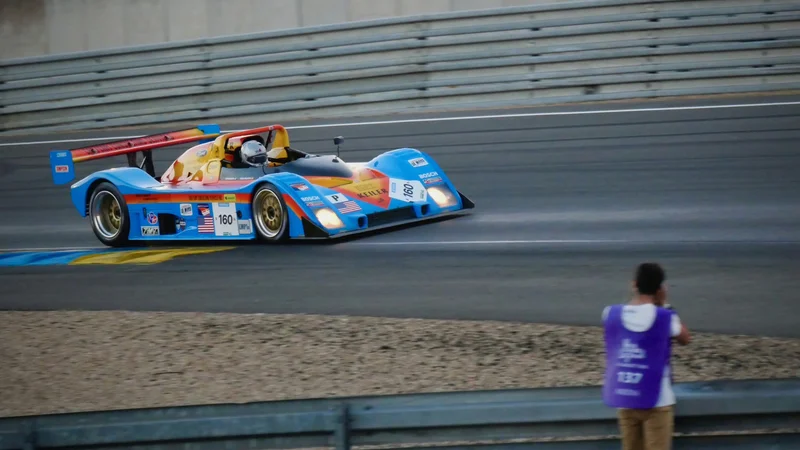
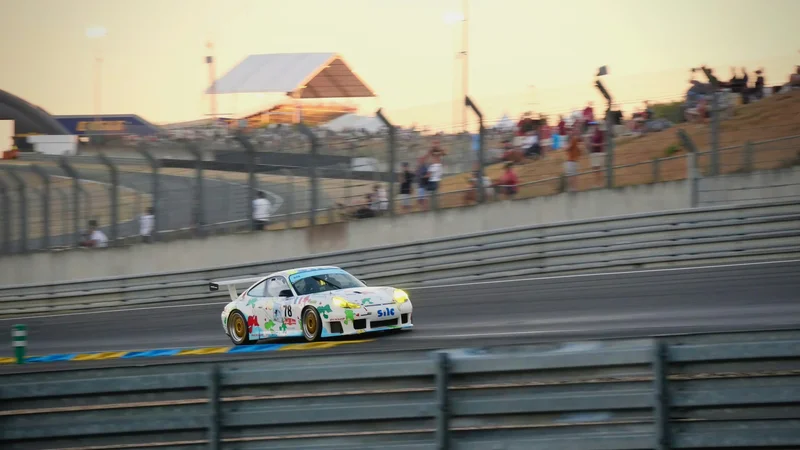
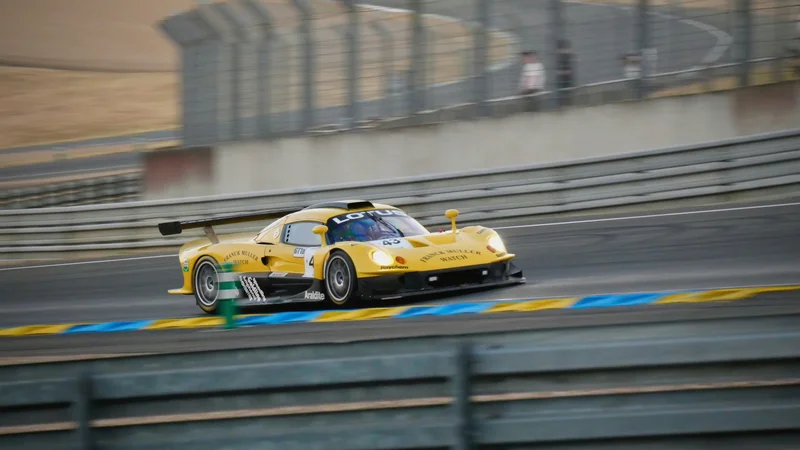
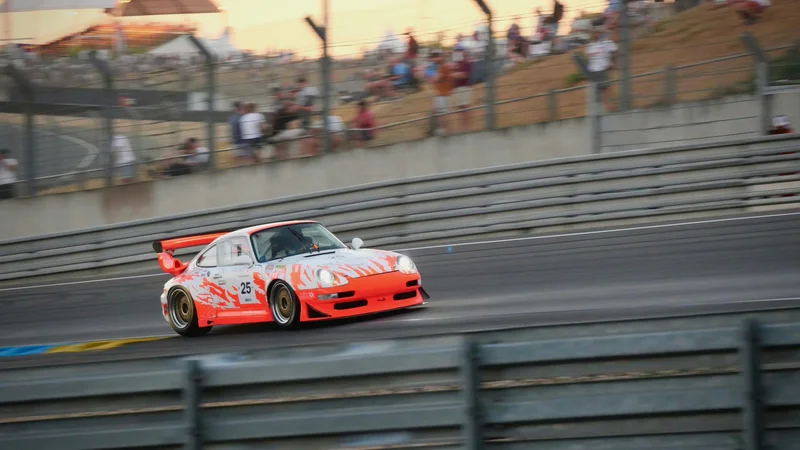
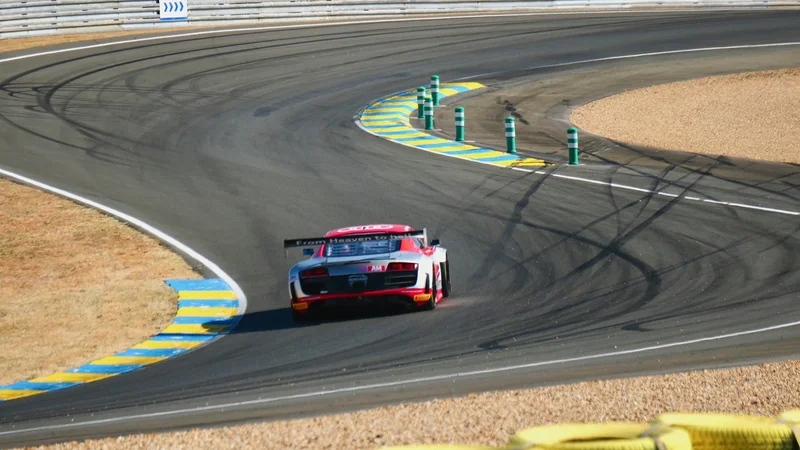
In Group 9, several representatives from the GT3 category were present, creating some confusion with the corresponding support race. Fortunately, the inclusion of prototype sports cars like the Courage C65 and Audi R8 LMP greatly enhanced the diversity of this group.
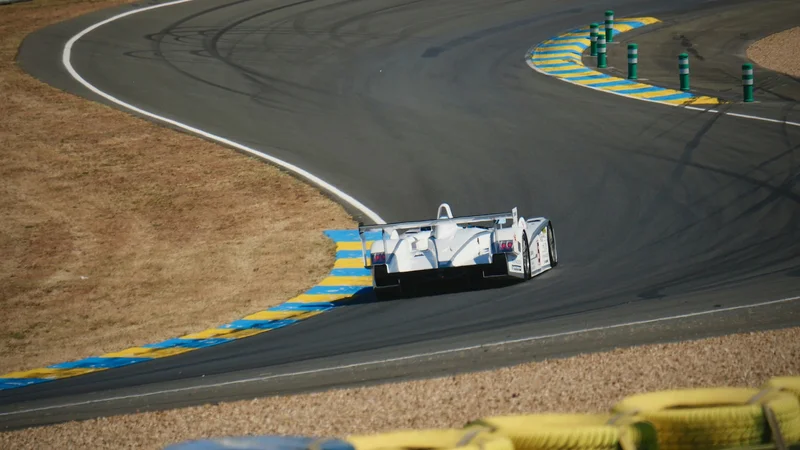
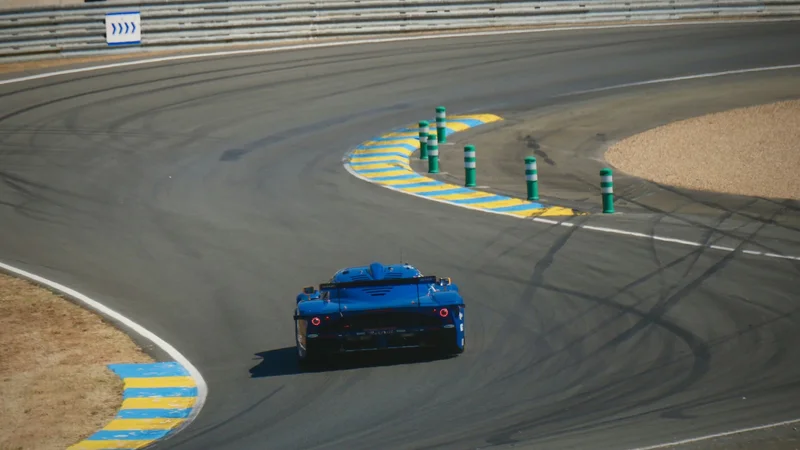
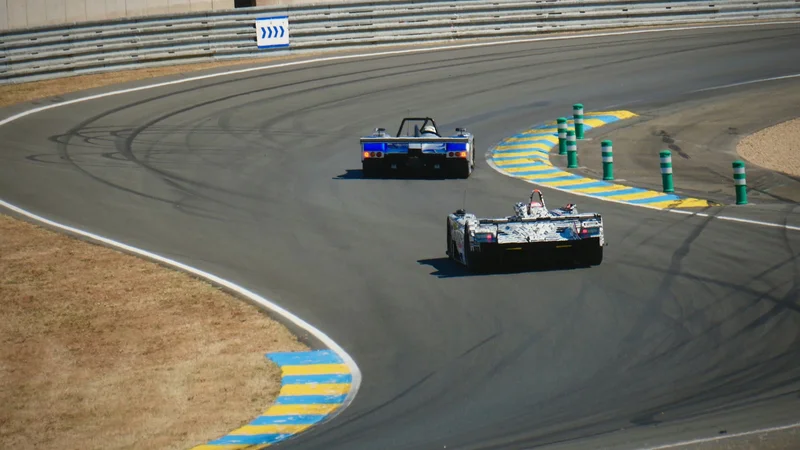
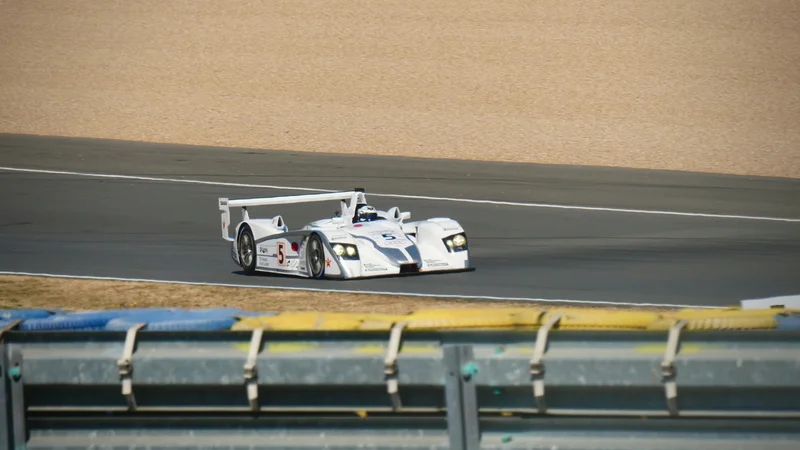
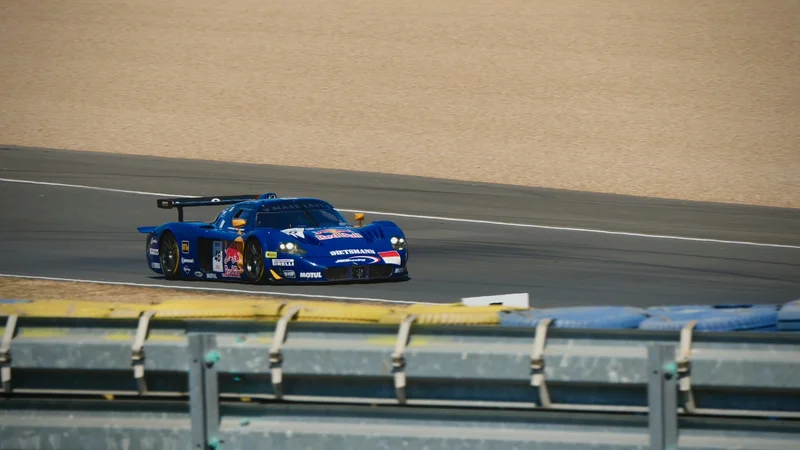
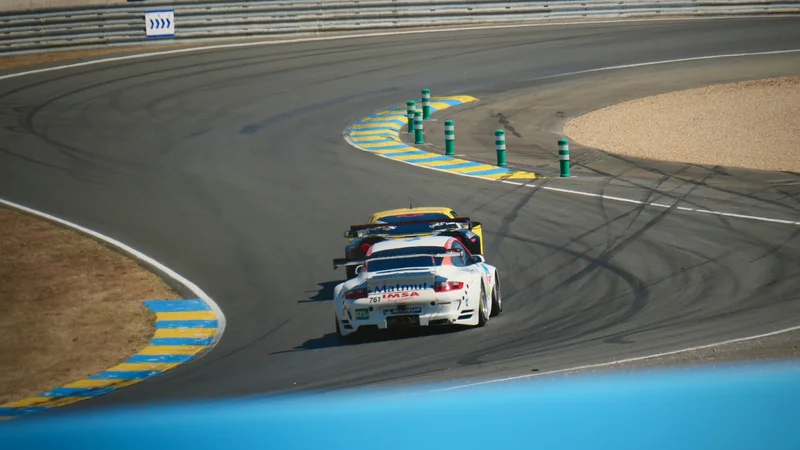
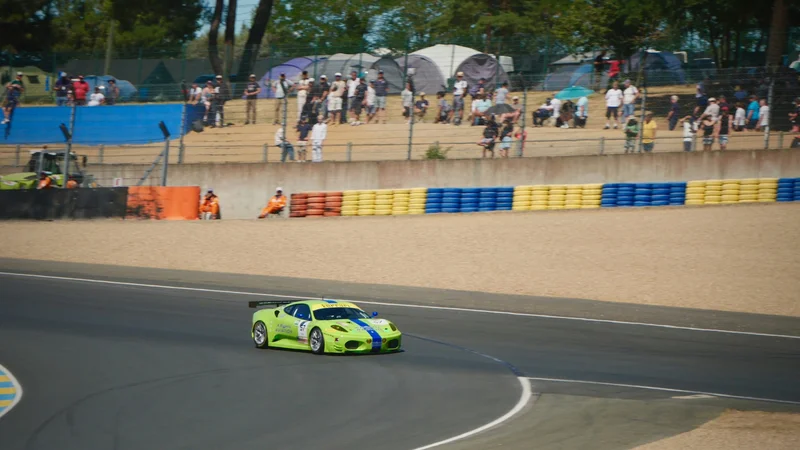
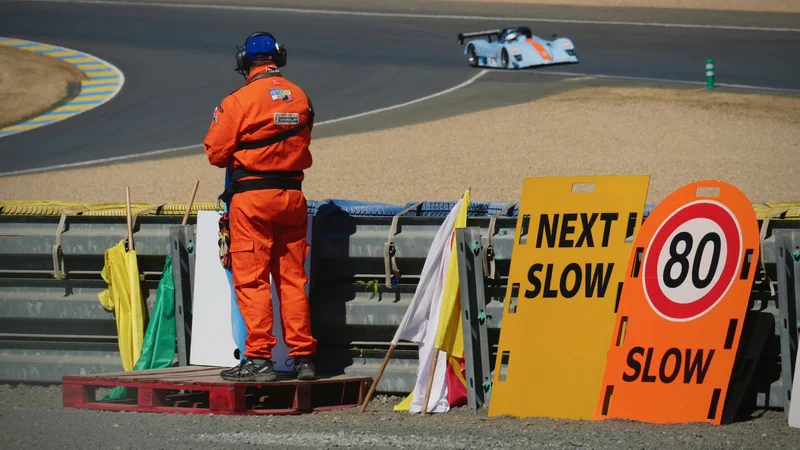
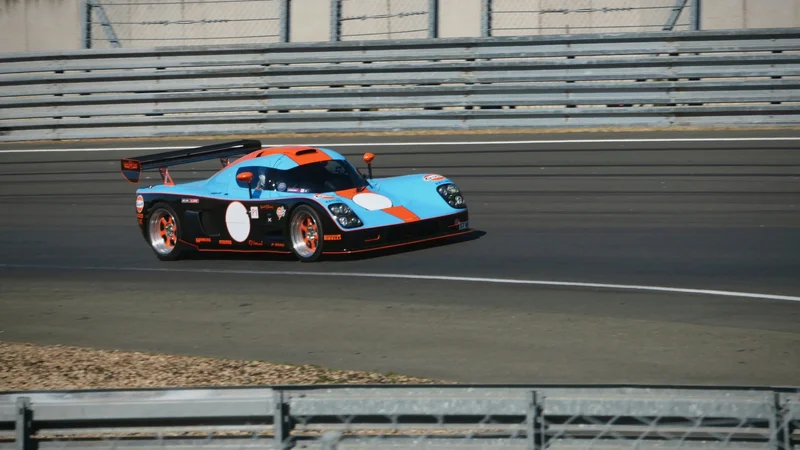
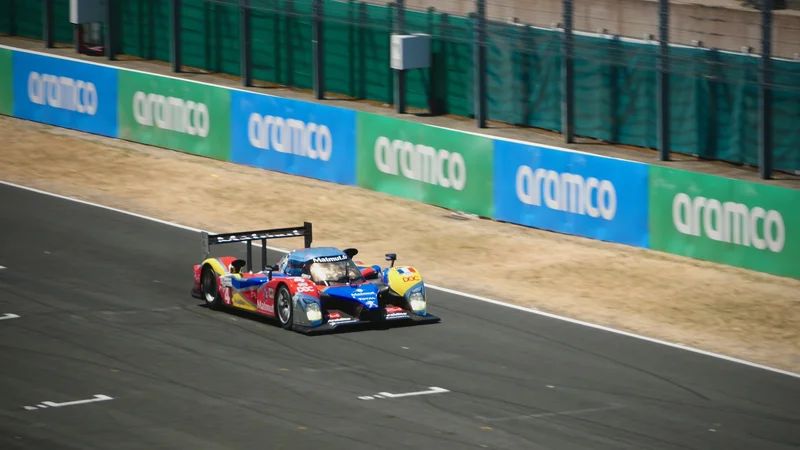
Group 10 held a special significance, as I grew up during the mid-90s when the cars in this group raced on the 24-hour circuit. I relished the chance to see the Peugeot 908 HDI and enjoyed the high-pitched melody of the V12s from the Gulf-liveried Lola Aston Martins, which delighted spectators on the pit straight.
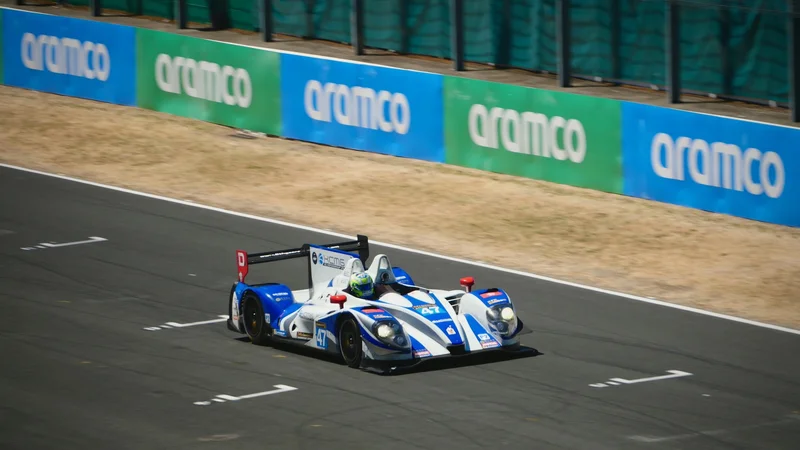
On Track: Support Races
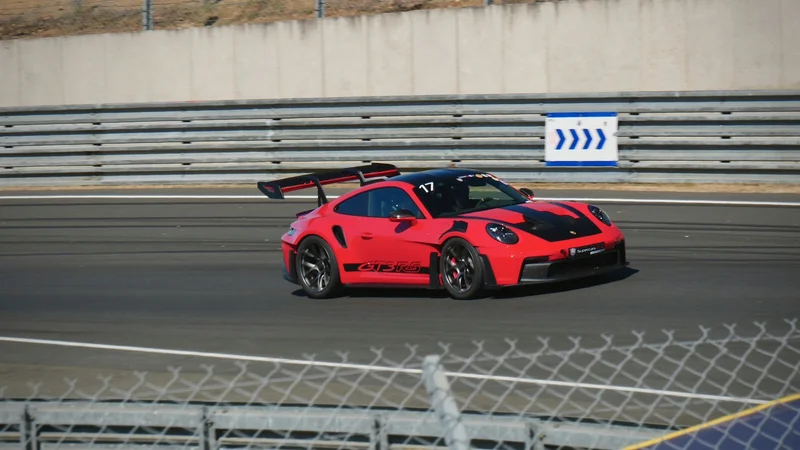
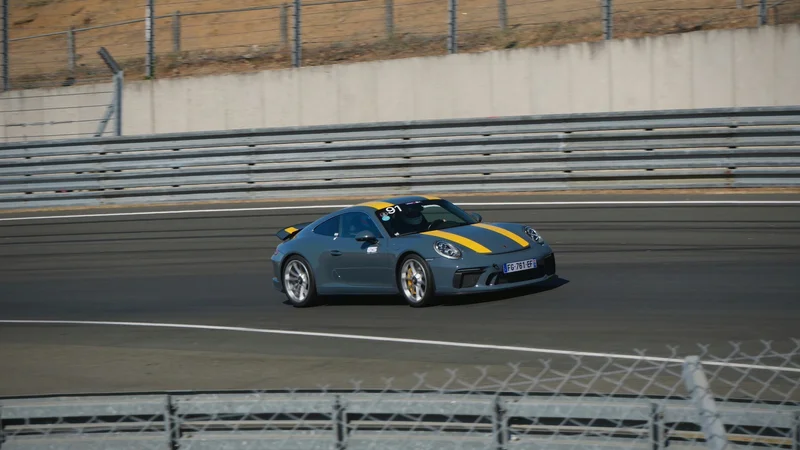
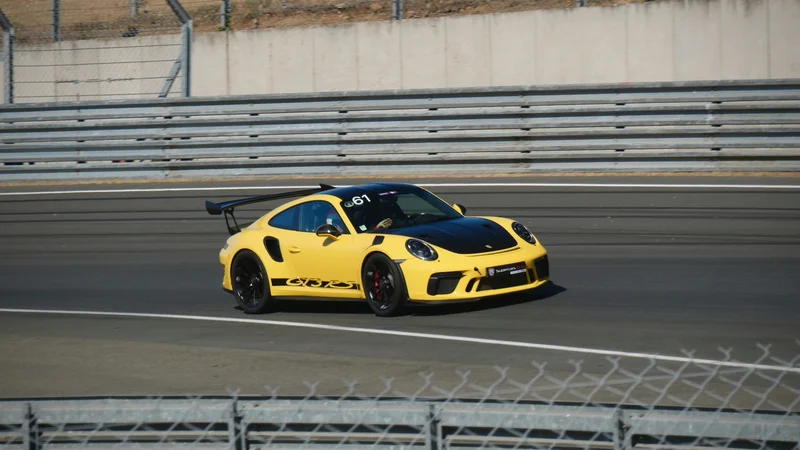
Despite the reorganization of the groups, four support races were held, featuring the “Porsche Classic Cup” and “Berlinetta Challenge,” which showcased Ferrari models with mid-mounted V8 engines (348, F355, 360, F430, 458). These two groups were complemented by the “GT3 Revival Series,” which appears at various historical events throughout the year and holds its own championship. However, it was challenging to distinguish the participants in these support races from those in Groups 8 and 9, as many entries were eligible for both.
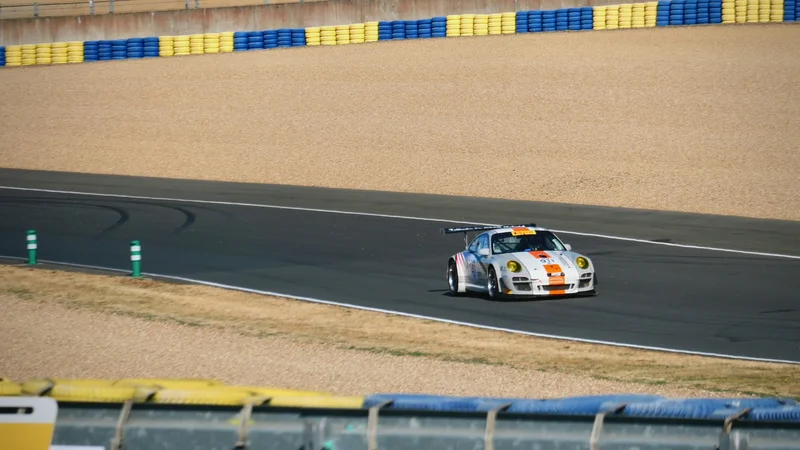
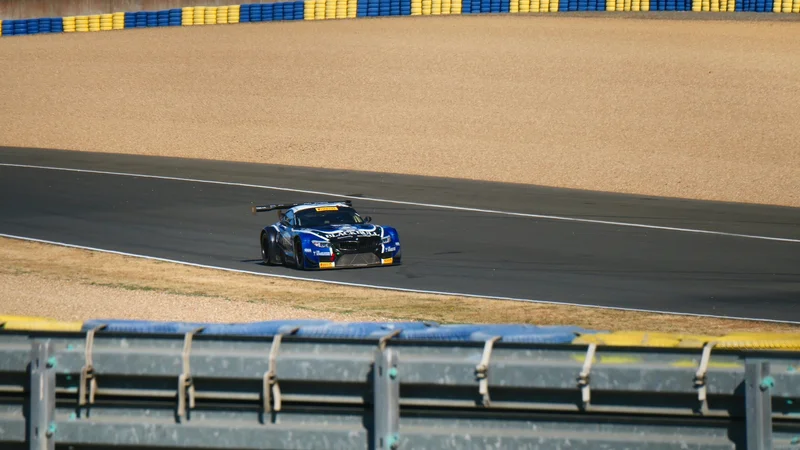
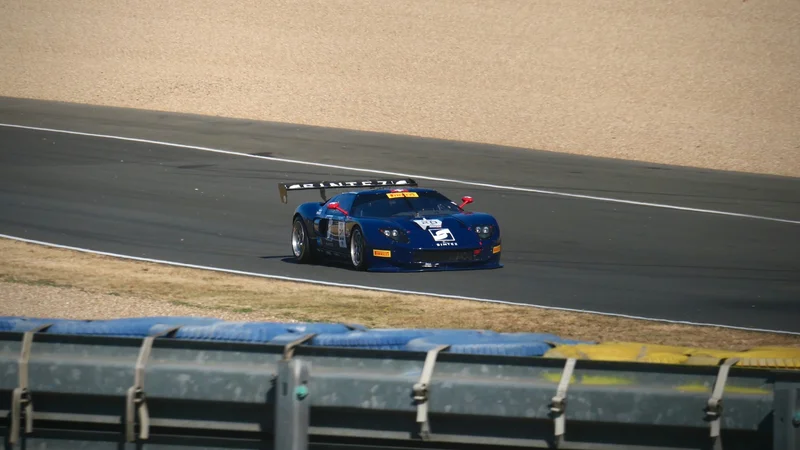
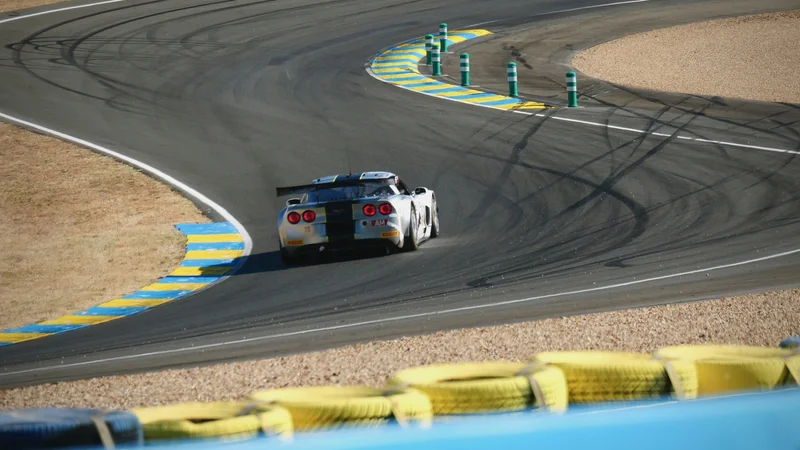
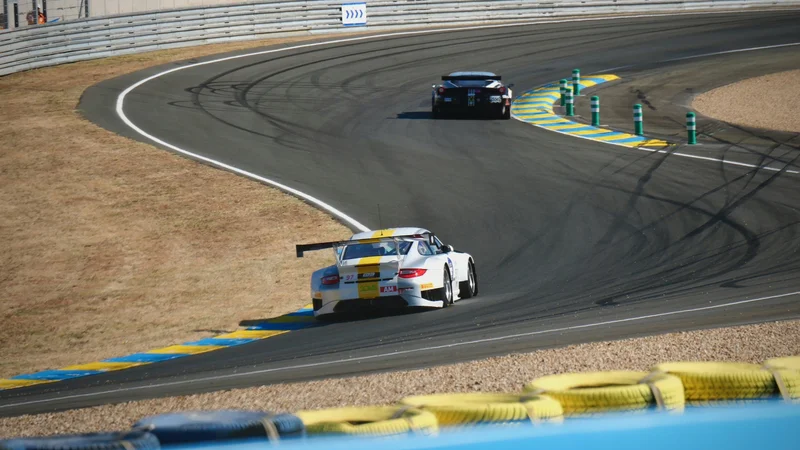
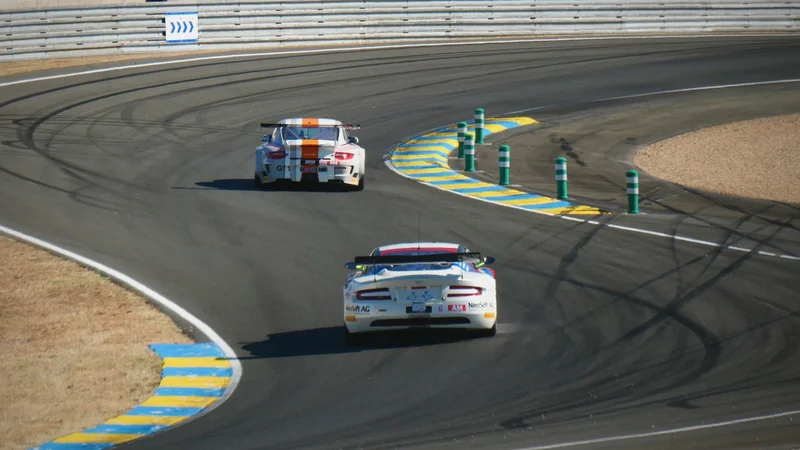
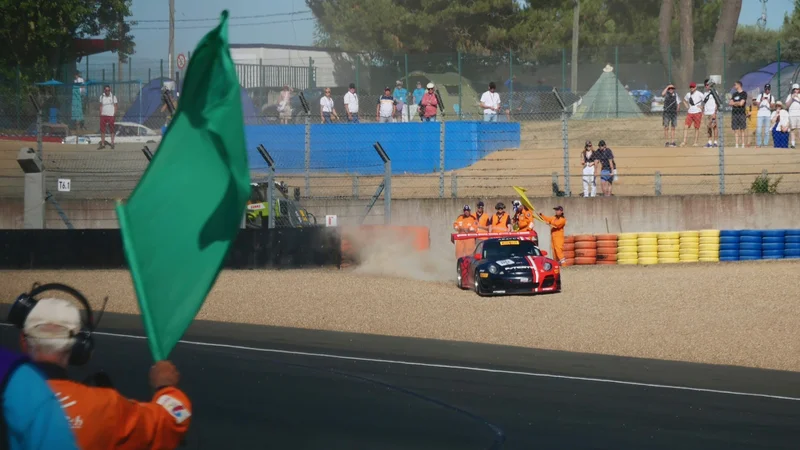
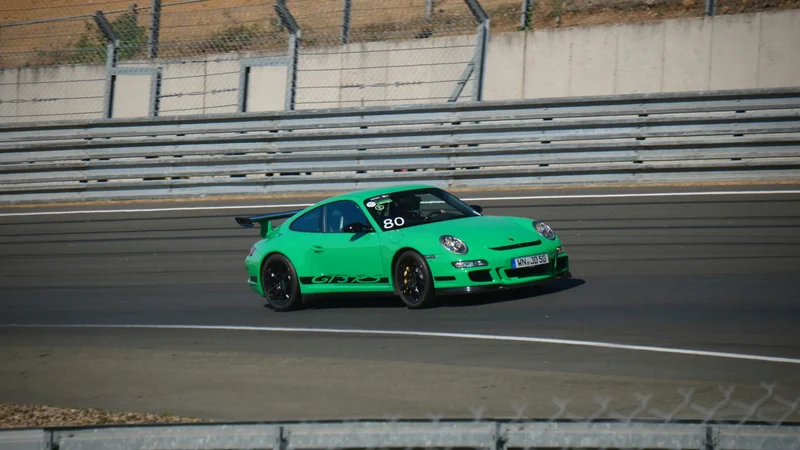
Despite the challenges, the variety of models on track was a delight, showcasing some that had never raced at Le Mans. The action was palpable, as evidenced by the moment a 911 went off track and into the sand trap after the Goodyear bridge.
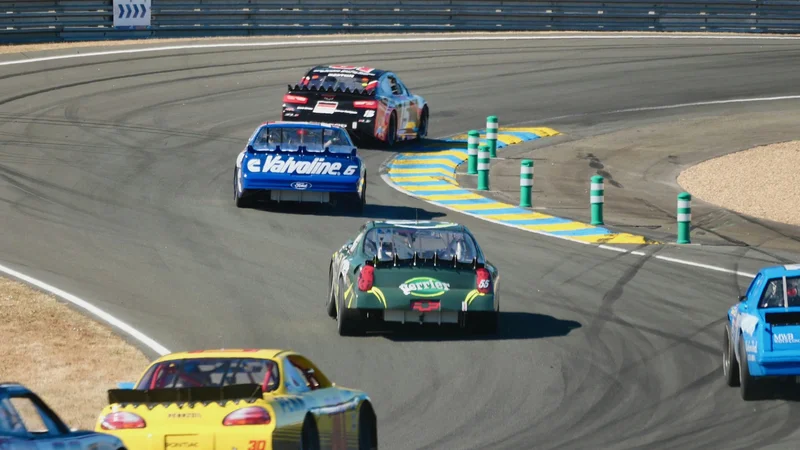
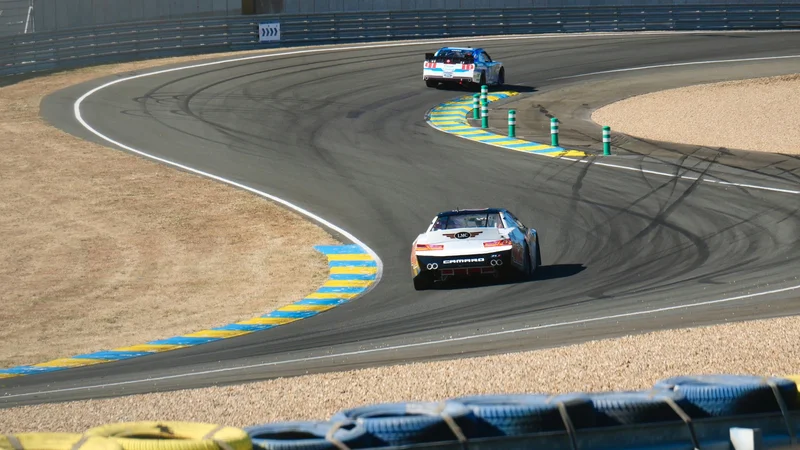
One of the weekend’s highlights was the appearance of NASCAR vehicles in one of the support races. The “HSR NASCAR Classic by Goodyear” provided a spectacle with American V8s roaring as they navigated the circuit. The racing dynamics were unique, as many participants struggled to handle their powerful machines in the turns, despite the long straights. There were also incidents, with nearly half the field suffering damage over the weekend, which may deter some from participating again.
Camping Costs: A Growing Concern
This section allows me to express some frustrations. As mentioned in the introduction, ticket prices for this new Le Mans Classic format have continued to rise, even though the offerings did not match previous editions. The costs for camping spots also increased, with the authenticity of the facilities (including restrooms) being questionable. This year, I decided enough was enough. For €150, we received a 3m x 3m camping spot with burnt grass, dust, and no shade, alongside a single vehicle access point and overcrowded portable restrooms. Meanwhile, for just €200 per person, my friends and I secured the comforts of a country house just five minutes from Arnage city center. The spectacle remained impressive, particularly at the Camping du Houx, which hosted drivers, VIPs, clubs, and media, along with their...