Magnesium in Automotive: Role, Alloys, and Applications 2026
Magnesium is the lightest structural metal used in automotive manufacturing, crucial for reducing vehicle weight and enhancing efficiency. Discover its properties, alloys, and applications in modern cars.
Magnesium stands out as the lightest structural metal utilized in the automotive industry, boasting a density of 1.74 g/cm³, which is 33% lighter than aluminum and 78% lighter than steel. Currently, it is employed in critical components such as transmission housings, seat frames, steering columns, and certain dashboards. As CO2 regulations tighten and the weight of electric vehicles rises, magnesium is re-emerging as a significant weight-saving material, provided that its alloys, corrosion resistance, and supply chain—largely dominated by 85% from China—are effectively managed.
🔑 Key Points
- ✓Density of magnesium: 1.74 g/cm³, compared to 2.70 for aluminum and 7.85 for steel
- ✓A magnesium alloy transmission housing weighs 2.5 to 3 kg versus 7 to 9 kg for aluminum
- ✓Over 90% of magnesium parts are produced via high-pressure die casting
- ✓China accounts for 85% of global production, a critical factor for European manufacturers
Why is Magnesium Used in Automotive Manufacturing?
Magnesium is favored in the automotive sector primarily due to its ability to reduce the mass of a component by 25 to 35% compared to aluminum and up to 75% compared to steel, for equivalent geometries. Every kilogram saved on a conventional vehicle translates to approximately 0.08 g of CO2 per kilometer less, which is vital for the ecological penalty calculations for 2026. In electric vehicles, reducing weight can lead to increased range without adding battery weight. Magnesium offers not only this lightweight advantage but also good vibration damping capabilities, excellent pressure die casting properties, and a competitive stiffness-to-weight ratio, contributing to its resurgence over the past decade.
Key Physical Properties Making Magnesium a Strategic Material
Beyond its low density, magnesium features good thermal conductivity (156 W/m·K) and excellent machinability, making it suitable for complex mechanical parts. Its elastic limit, ranging from 160 to 240 MPa depending on the alloy, is lower than that of high-strength steels, which restricts its use to components not subject to the highest structural stresses. Additionally, it is non-magnetic, beneficial for certain embedded sensors and controllers. However, magnesium can ignite in chip form at high temperatures, necessitating strict machining precautions in workshops.
Density Comparison: Magnesium vs. Aluminum vs. Steel
| Material | Density (g/cm³) | Tensile Strength (MPa) | Typical Use | |-----------------------|------------------|------------------------|------------------------------| | Magnesium AZ91 | 1.74 | 230 | Transmission housing, wheel, seat | | Aluminum A380 | 2.70 | 315 | Engine block, wheels, cylinder head | | Mild Steel | 7.85 | 400 | Body, chassis, safety components |
(Sources: manufacturer data and material data 2026)
Concrete Case: Benoît, a 41-year-old body shop manager near Lille, encountered a damaged Porsche 911 with a cracked seat frame. He discovered it was made from AM60 magnesium alloy, which could not be welded using standard TIG equipment. He redirected the repair to the manufacturer’s network, which was authorized to handle such repairs, avoiding a potentially dangerous fix.
Common Magnesium Alloys Used in Automotive
Automotive magnesium alloys are classified into three families: Mg-Al (the most common, such as AZ91 and AM60), Mg-Zn-Zr (for high-strength applications), and Mg-rare earth (for high-temperature applications exceeding 150 °C). The alloy selection is based on three factors: the mechanical stress applied, service temperature, and corrosion sensitivity. Alloys AZ91D and AM60B alone account for over 80% of the volumes used in series production, primarily for interior or under-the-hood parts that are less exposed to direct moisture.
Magnesium-Aluminum Alloys: The Most Common in Series Production
The AZ91D alloy (9% aluminum, 1% zinc) serves as the standard for pressure die casting due to its good flowability, adequate mechanical strength, and cost-effectiveness. The AM60B alloy, which contains less aluminum, offers better ductility and energy absorption in the event of a crash, making it ideal for seat frames and dashboards. The AE44 alloys (with rare earths) are used in high-temperature engine mounts, particularly in some American V8s and premium European blocks.
The Corrosion Challenge: Current Research Status
A significant drawback of magnesium is its susceptibility to galvanic corrosion in the presence of saltwater and nobler metals (steel, copper). Technical studies on magnesium in bodywork and coatings detail current surface treatments: chemical conversion with fluoride, Keronite anodization, and multi-layer epoxy coatings. These treatments can withstand salt fog for over 720 hours, meeting manufacturer specifications.
More than 90% of automotive magnesium parts are produced through high-pressure die casting (HPDC). Molten metal, heated to 680 to 720 °C, is injected rapidly into a cooled metal mold under pressures ranging from 500 to 1,200 bars. This method allows for industrial production rates of 60 to 120 parts per hour and complex geometries in a single operation, minimizing the need for significant secondary machining. Alternative processes (extrusion, forging, rolling) are less common but are advancing for structural applications where mechanical strength must exceed that of cast parts.
Dominance of High-Pressure Die Casting: Over 90% of Production
High-pressure magnesium die casting offers a key economic advantage: the lifespan of molds can reach 250,000 to 400,000 cycles, which is double that of aluminum molds due to lower injection temperatures. The average scrap rate hovers around 3 to 5% in stabilized production. Specialized European foundries (Georg Fischer, Meridian, DGS) manufacture parts weighing up to 20 kg, including some integrated front frames of premium electric vehicles.
Stamping and Extrusion: Developing Shaping Methods
Hot stamping of magnesium, performed between 250 and 400 °C, enables the production of sheets for doors, hoods, or floor elements. Published research in the Engineering Techniques Journal on critical magnesium indicates successful trials by several German manufacturers, although volumes remain limited. Extrusion produces profiles used for bumper reinforcements and secondary longitudinal beams.
Concrete Example: A transmission housing made from AZ91D weighs on average 2.5 to 3 kg compared to 7 to 9 kg for its aluminum counterpart, resulting in a weight reduction of over 60% for this single part. When multiplied by the 15 to 25 magnesium components in a premium sedan, the total weight savings can reach 20 to 45 kg, a crucial factor in meeting the 95 g CO2/km target imposed on manufacturers' fleets.
Where is Magnesium Found in a Vehicle?
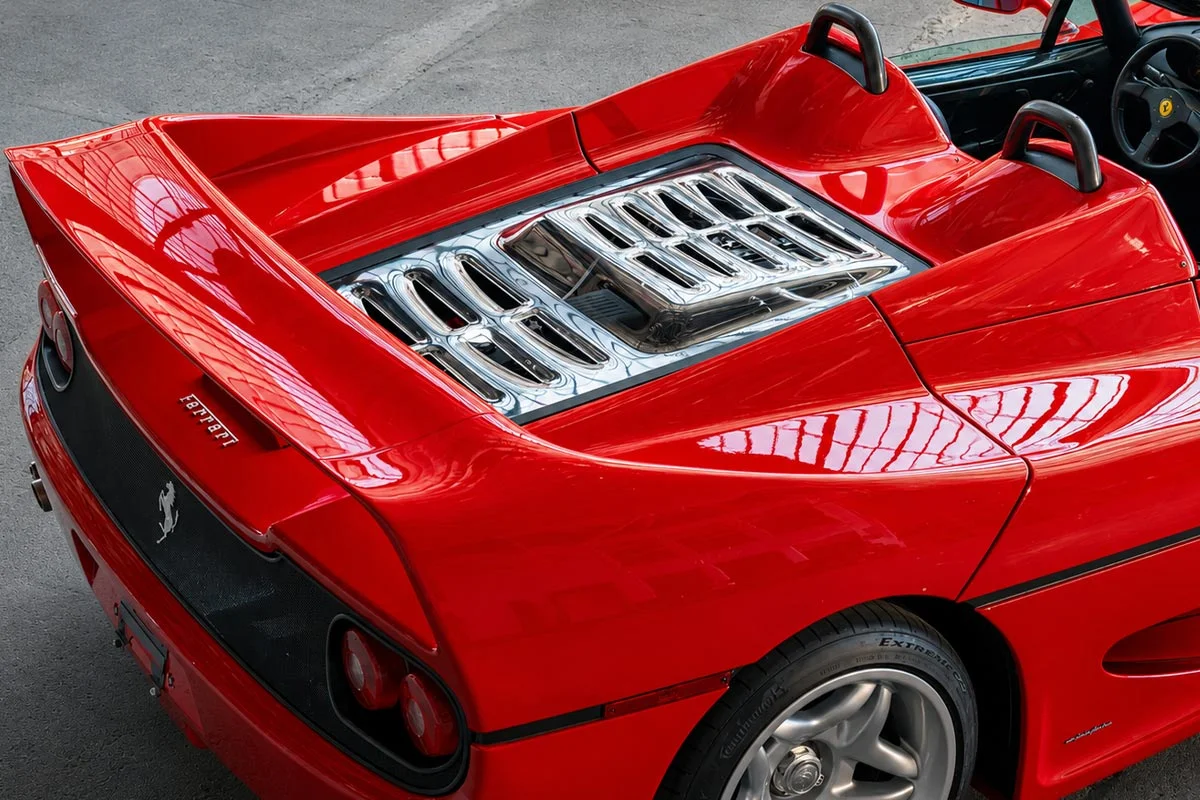
Today, magnesium is present in about fifteen areas within modern vehicles, primarily in the powertrain and passenger compartment. In a premium sedan like the BMW 5 Series, Audi A6, or Mercedes E-Class, it can be found in the transmission housing, steering column, dashboard frame, front seat frames, steering wheel, and sometimes the control unit support. Some manufacturers have taken it a step further: Porsche uses a magnesium roof on the 911 GT3 RS, Ford has produced V6 engine blocks partially made from magnesium, and several Chinese manufacturers are experimenting with complete doors made from cast alloys.
Powertrain and Transmission
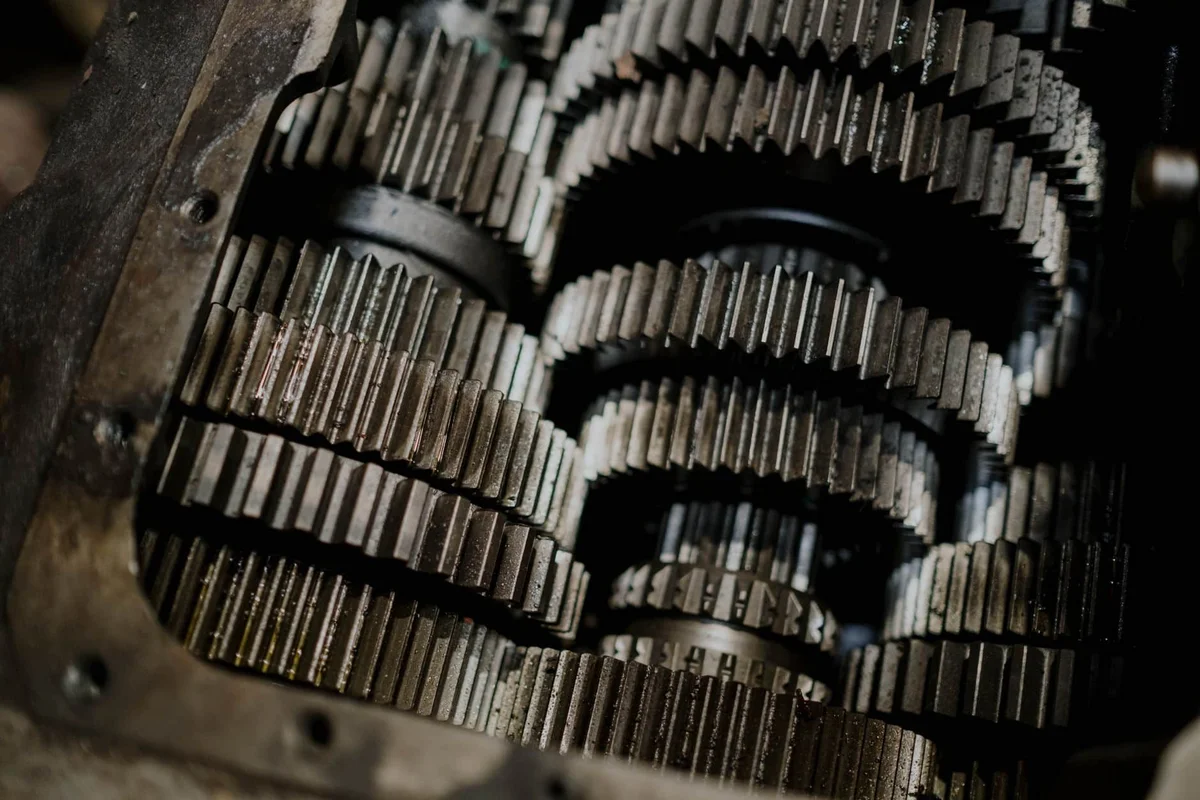
The transmission housing is the historical and most voluminous application: Volkswagen has equipped its DSG7 transmissions with a magnesium housing since 2003, saving about 4 to 5 kg per vehicle. In hybrid models, the transmission housing for hybrid drivetrains also utilizes this material to limit the added weight from the electric machine. High-temperature engine mounts use AE44 or WE43 alloys.
Passenger Compartment, Dashboard, and Steering Column
The dashboard frame made from molded magnesium (cross-car beam) is a structural piece that spans the entire passenger compartment, supporting the steering wheel, column, airbags, and climate control system. It weighs 4 to 6 kg compared to 9 to 12 kg for welded steel. The steering wheel and front seat frame, made from AM60B, provide the necessary ductility for energy absorption in the event of a frontal or side crash.
Body and Chassis: Applications Under Development
Body components made from magnesium remain rare in mass production due to material costs and corrosion issues. A few premium models integrate magnesium hoods, tailgates, or reinforcement parts. Prototypes of mixed aluminum-magnesium gigacasting, being tested by several electric manufacturers in 2026, pave the way for unique parts weighing between 30 to 60 kg, replacing over 70 welded subassemblies.
Magnesium and Electric Vehicles: A Future Material Under Pressure
Electric vehicles typically weigh 300 to 500 kg more than their conventional counterparts, primarily due to battery weight. Reducing this mass has become a direct challenge for range: every 100 kg saved equates to an additional 7 to 10 km WLTP. Therefore, magnesium emerges as a strong candidate for chassis, battery trays, electric motor housings, and interior components. The actual weight of batteries, depending on type, illustrates the magnitude of the issue that lightweight alloys must help address.
Weight Reduction in EVs: A Challenge Magnesium Can Address
In a 2.3-ton electric SUV, replacing 30 kg of aluminum with magnesium saves about 10 kg and adds 0.7 to 1 km of WLTP range. When scaled across the European fleet, the impact becomes significant for meeting the zero-emission targets by 2035. Manufacturers are also exploring hybrid aluminum-magnesium battery trays, featuring an extruded magnesium peripheral frame and an aluminum base that is more resistant to impacts.
Critical Magnesium: Supply Tensions and Dependence on China
China produces 85% of the world’s primary magnesium, with Shaanxi province as its hub. The Chinese energy crisis at the end of 2021 caused prices to surge from $2,000 to $10,000/ton within three months, halting several European production lines. The European Union has classified magnesium as a critical raw material since 2020. Mining projects in France, Norway, and Canada are attempting to re-establish a supply chain, but their commissioning is not expected before 2028 to 2030.
Frequently Asked Questions About Magnesium in Automotive
What is Magnesium Used for in Cars?
Magnesium is primarily used to lighten the vehicle while maintaining structural rigidity. It is found in the transmission housing, dashboard frame, steering column, seat frames, and some steering wheels. The goal is to reduce CO2 emissions in conventional vehicles and gain range in electric ones. A modern vehicle typically incorporates 10 to 30 kg of magnesium parts depending on its segment, with this figure rising to 40 kg in premium sedans.
Is Magnesium Conductive?
Yes, magnesium is a conductor, making it suitable for various electrical applications within vehicles.