Review of the BYD Seal 6 DM-i: Is the Super Hybrid Truly Exceptional?
A detailed review of the BYD Seal 6 DM-i, exploring its design, interior, technology, hybrid capabilities, and driving experience to determine if it lives up to the 'Super Hybrid' label.
Before getting behind the wheel of the BYD Seal 6 DM-i, I had previously tested a fully electric BYD model, the Seal U. This vehicle showcased the technological prowess of the Chinese automaker, but this time, the focus shifted to a plug-in hybrid sedan, promising the much-touted "Super Hybrid" experience from BYD.
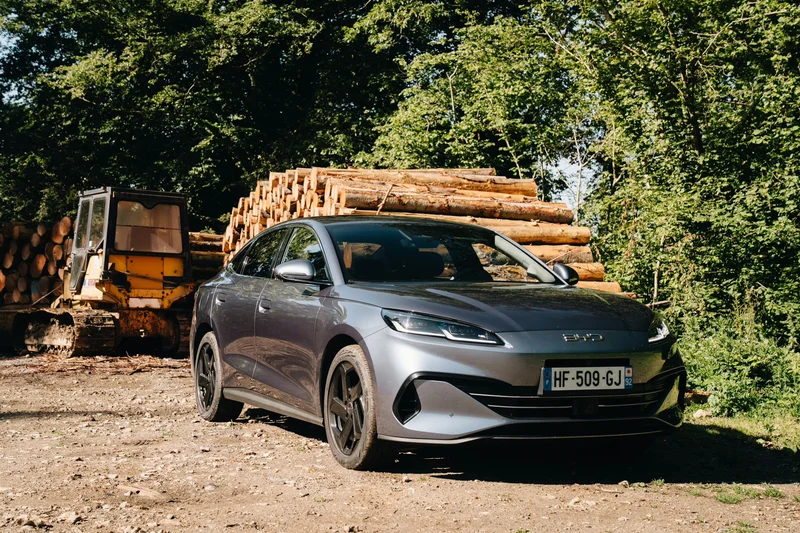
The term "Super Hybrid" raises questions. Is it merely a marketing gimmick, or has BYD genuinely developed a more sophisticated vehicle than a conventional PHEV? This was the central inquiry as I approached the Seal 6 DM-i. While Chinese electric vehicles are gaining attention, plug-in hybrids from the region have not received as much focus.
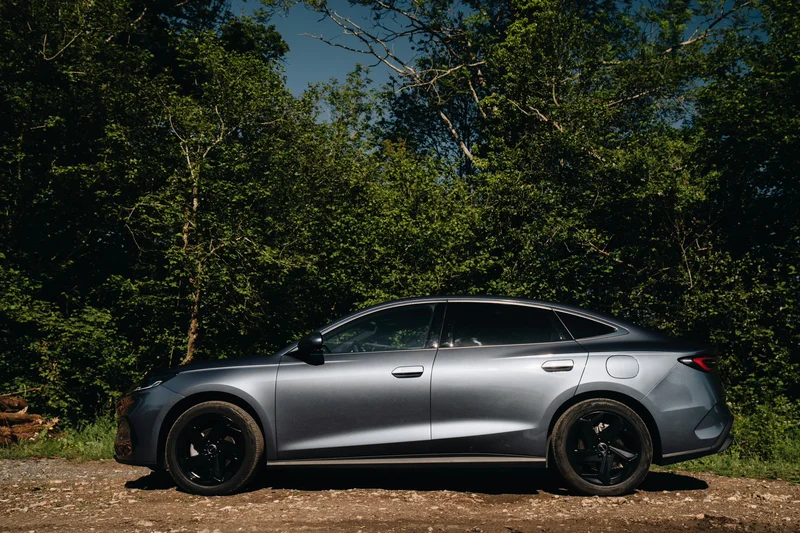
What sets this car apart is its distinct approach compared to European manufacturers. Many brands tend to reduce tank sizes when adding a battery, but BYD has opted for a larger battery and a substantial 65-liter fuel tank. With an electric range exceeding 100 km and a total range surpassing 1,300 km, the question remains: is this practical in real-world use, or just impressive on paper?
A Design That Is Unremarkable Yet Functional
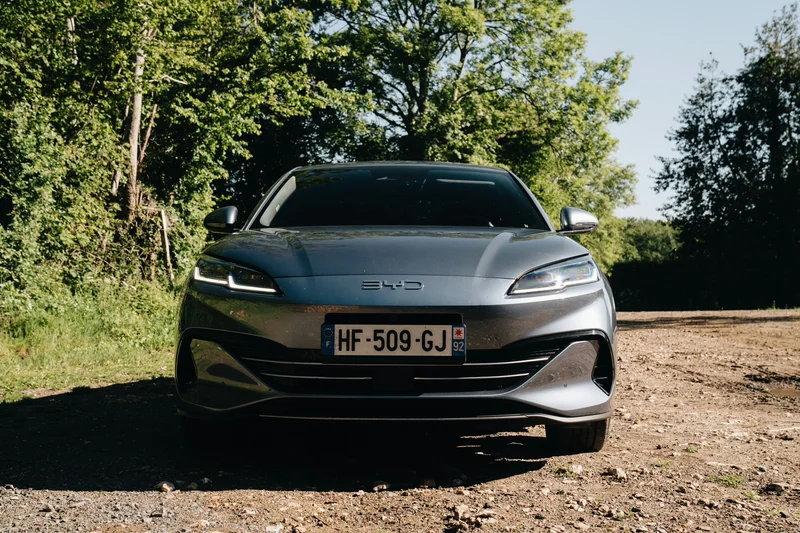
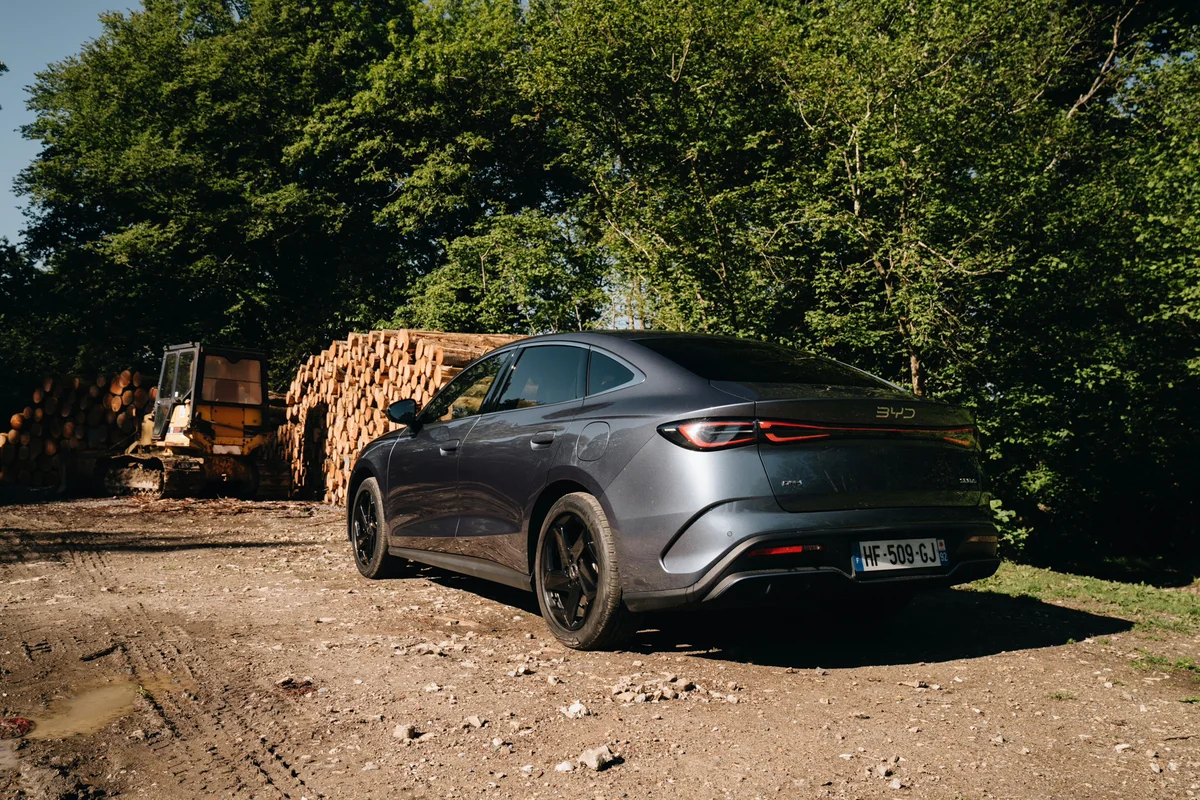
I must be candid: the BYD Seal 6 DM-i is not the most visually striking car on the market. If I were to draw an analogy, I would liken it to a background character in a video game. The sedan features a very generic design that does not particularly aim to evoke strong emotions. This isn’t necessarily a negative, but it’s clear that BYD did not prioritize aesthetics in this model.
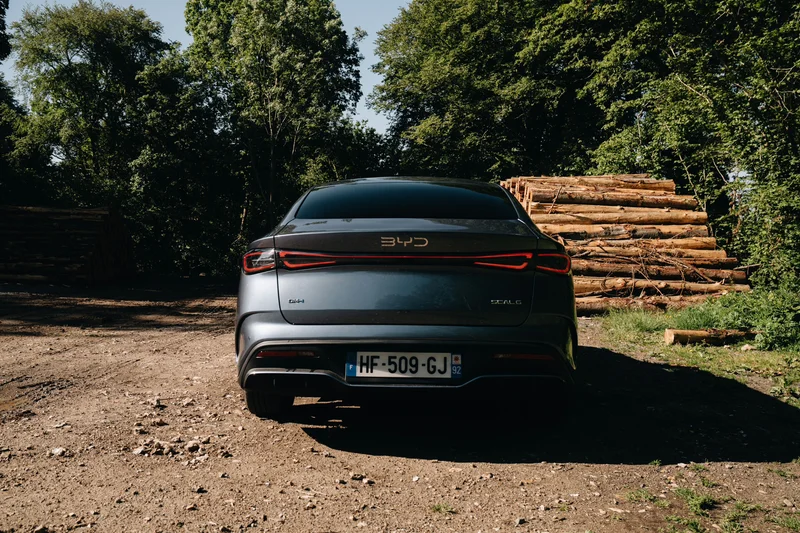
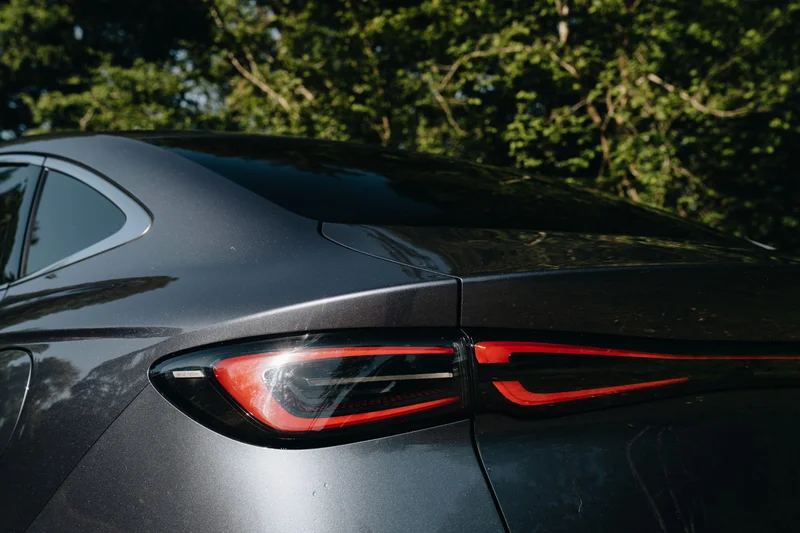
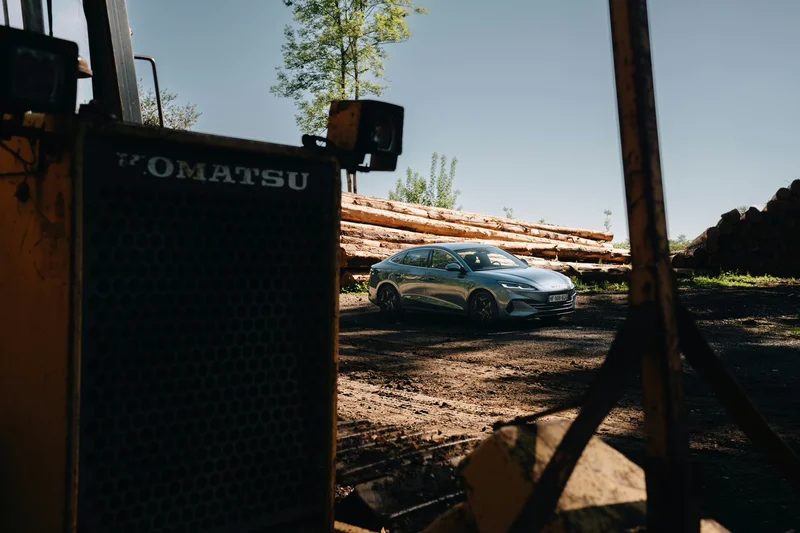
The test vehicle was finished in Atlantis Blue, a metallic hue costing €1,100. This bluish-gray shade adds a touch of elegance, yet the overall design remains quite ordinary. While the front and rear have some detailing, the rest of the car feels very conventional. It neither stands out as beautiful nor is it unattractive; it simply lacks distinction.
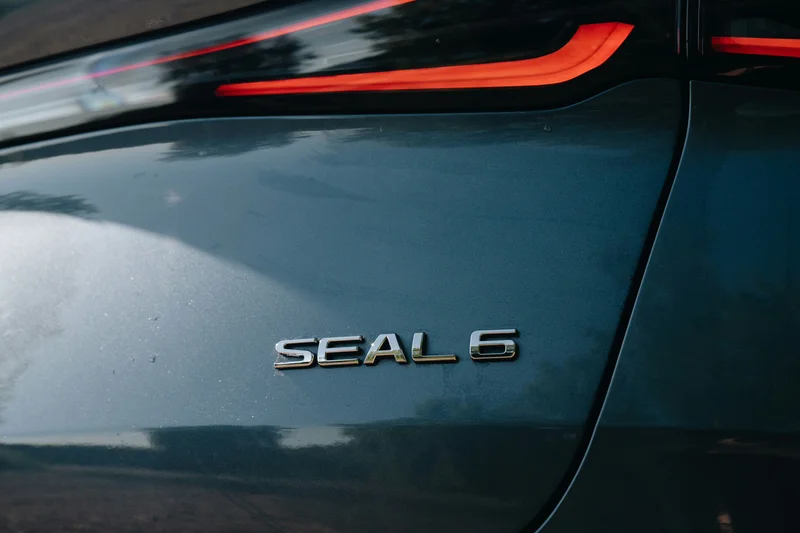
Measuring 4.84 m in length, 1.875 m in width, and 1.495 m in height, with a wheelbase of 2.79 m, the Seal 6 DM-i is indeed a sizeable family sedan. It has the dimensions to make an impression, but its design does not attract attention. It lacks a premium feel and does not compete visually with the likes of the Tesla Model 3 or other more prestigious European sedans. This aligns well with the vehicle's overall philosophy: BYD appears to have invested its efforts into technology, efficiency, and practicality rather than emotional design.
A More Convincing Interior
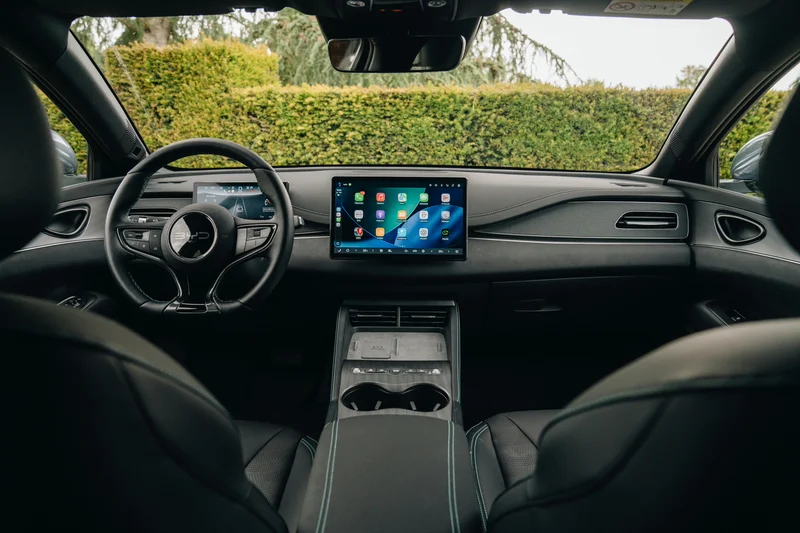
The real appeal of the Seal 6 emerges within its interior. While the exterior may seem generic, the cabin impresses with its quality and serious construction. BYD has utilized good materials, with well-executed stitching that reflects a commitment to craftsmanship. It’s evident that the Chinese manufacturer is rapidly advancing and understands the expectations of European consumers better.
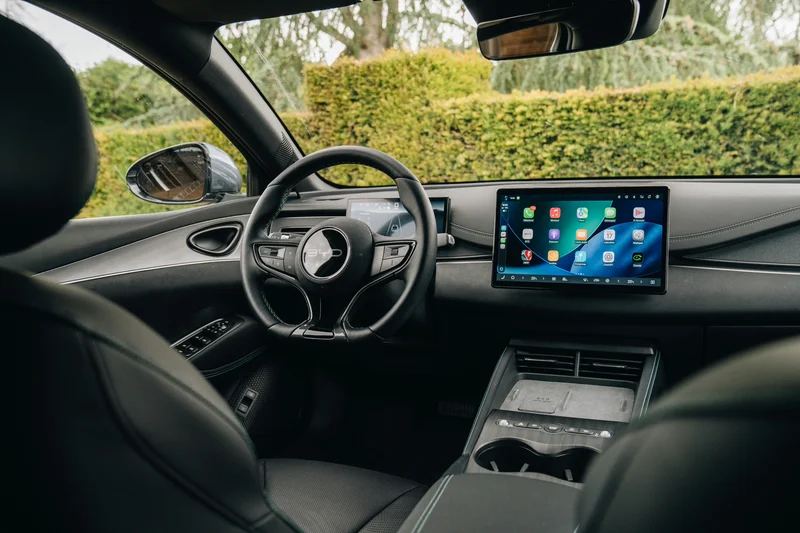
The central display no longer pivots as seen in some earlier BYD models, which is a welcome change. The fixed screen is well-integrated, responsive, and user-friendly. The instrumentation behind the steering wheel is also simpler and clearer than that of the electric Seal U, enhancing the everyday driving experience. While not overly flashy, the interior is clean, serious, and efficient.
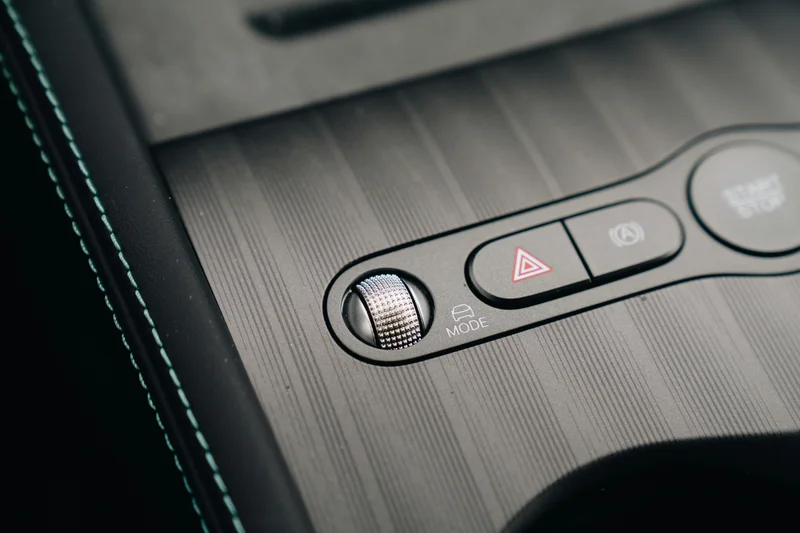
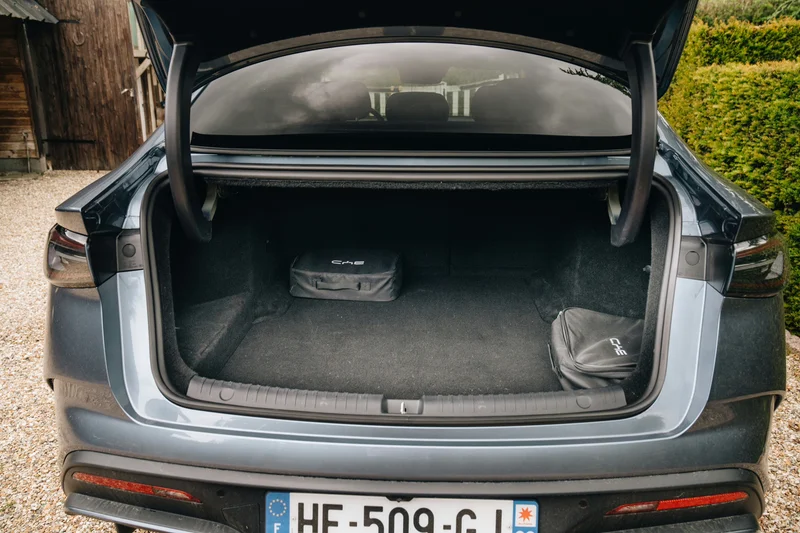
Space inside is ample, both in the front and rear, contributing to the family-friendly nature of the Seal 6. The trunk offers a respectable 491 liters of capacity, expandable to 1,370 liters with the rear seats folded down. While it may not be a station wagon, it provides significant usability for a plug-in hybrid sedan, making it practical for daily use.
The panoramic sunroof adds brightness to the cabin, enhancing the overall atmosphere. The driving position is decent, though I expected to sit slightly lower. The seats are comfortable, and the equipment is generous, giving the impression of a vehicle designed for simple, effective family use. It may not be an inspiring interior, but it certainly feels substantial.
Advanced Technology
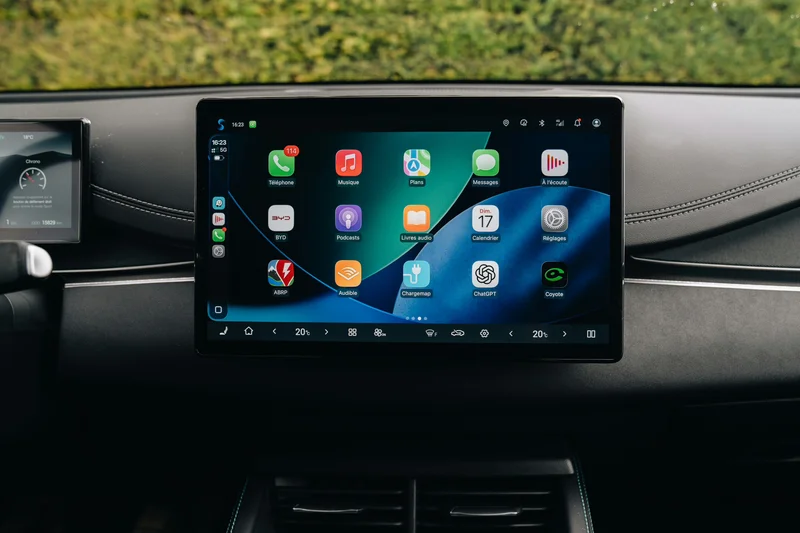
In terms of technology, BYD clearly demonstrates its expertise. The multimedia system operates smoothly, is responsive, and easy to navigate. Apple CarPlay integrates seamlessly, the audio quality is impressive, and the mobile app functions well for monitoring vehicle charging—a crucial detail for a plug-in hybrid.
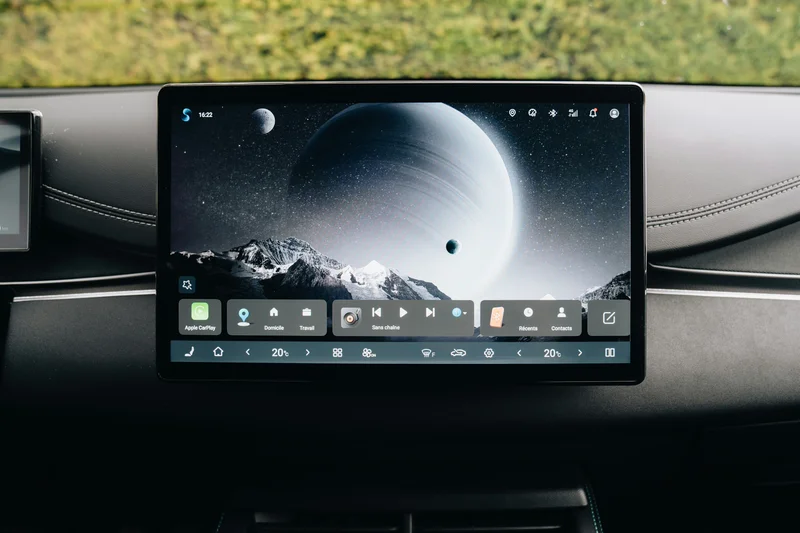
However, I encountered a minor software flaw: it is not possible to schedule multiple charging time slots. At home, I have two off-peak periods during the day, but the app only allows selection of one. This is unfortunate, as it’s a software issue that could be easily rectified with an update.
The heads-up display (HUD) works effectively, the instrumentation is clear, and the cameras provide excellent visibility. A 360° panoramic view, alongside side, front, and rear perspectives, includes a feature that makes the car appear "transparent" to help visualize the wheels and nearby obstacles. This is particularly useful in urban environments. The driving aids are generally good, though the driver attention monitoring system can be overly sensitive, triggering alerts unnecessarily and requiring multiple menu navigations to disable.
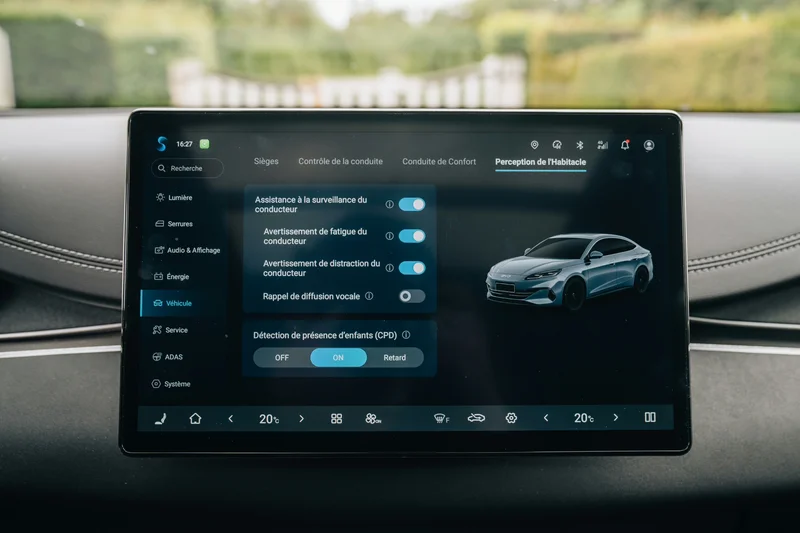
On a positive note, once all alerts are turned off, the semi-autonomous driving feature remains active, which is a smart design choice, as not all manufacturers allow this. On the highway, this feature enhances the driving experience, provided you take a few minutes to disable the more intrusive alerts.
The “Super Hybrid”: Cohesive Rather Than Revolutionary
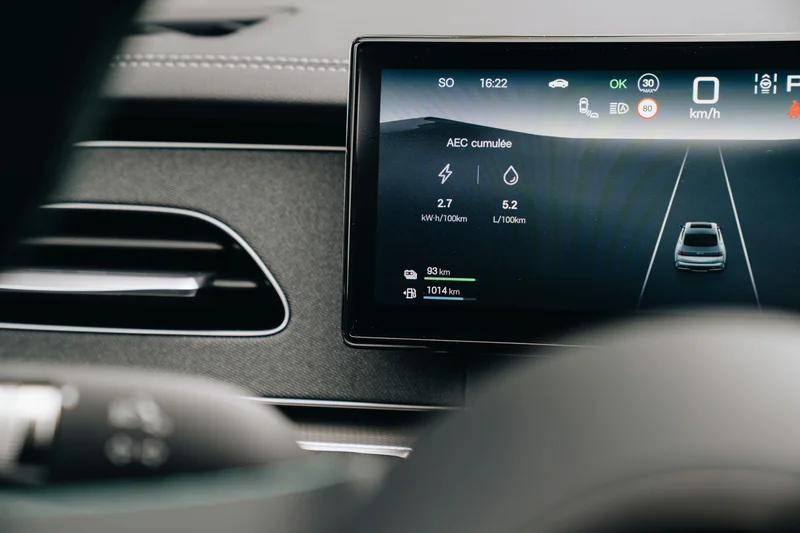
The most significant aspect of this vehicle is undoubtedly its hybrid capabilities. Upon starting, the impressive electric range is immediately noticeable, exceeding 100 km, and the total range surpasses 1,300 km thanks to a 65-liter fuel tank paired with a 19 kWh Blade LFP battery in this Comfort Lite version. This is where the essence of BYD's "Super Hybrid" philosophy becomes clear.
This is not a groundbreaking technological marvel; BYD has not invented a wholly new method for plug-in hybrids. Instead, the brand has intelligently designed a vehicle centered around its system: a large battery, a substantial fuel tank, effective energy management, and a clear intention to operate the car as much as possible in electric mode.
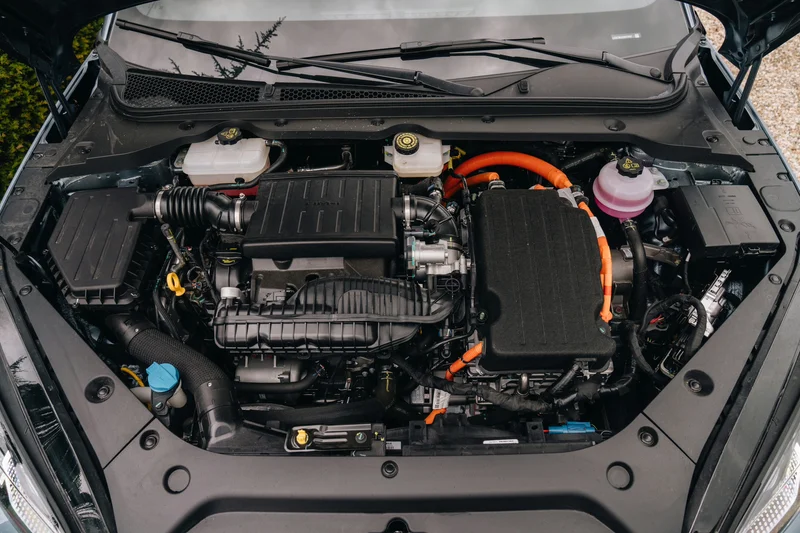
And indeed, it performs remarkably well. The Seal 6 often feels like an electric vehicle. The 1.5-liter naturally aspirated engine remains mostly quiet, although it can produce a continuous variable transmission-like sensation with RPM increases when more power is required. While this can be unpleasant to hear at times, it is well-managed and not a significant issue in everyday driving.
With 212 hp, the power is sufficient. It may not be a powerhouse, but it has enough capability for highway merging and overtaking without frustration. This isn't a sporty vehicle, nor does it aim to deliver a thrilling mechanical feel, but it fulfills its purpose effectively. It drives smoothly most of the time, allowing for a relaxed driving experience, which is exactly what one expects from a sedan of this type.
Charging, Range, and Efficiency: BYD's Strong Points
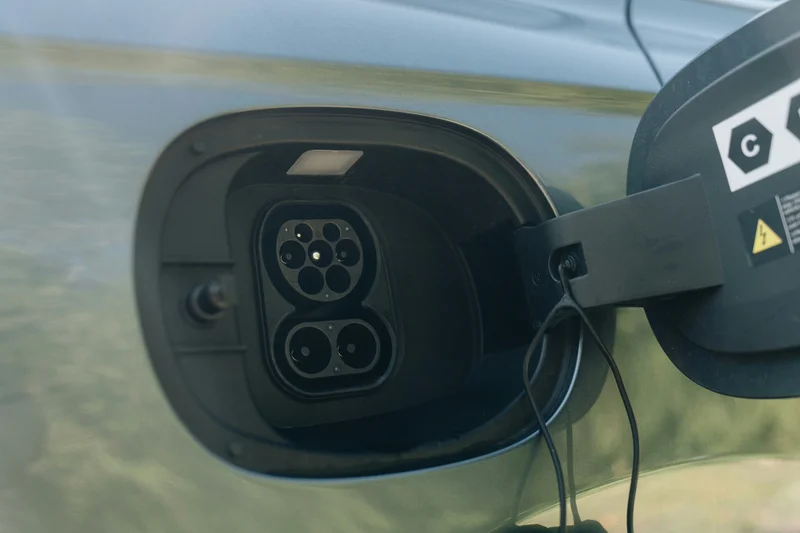
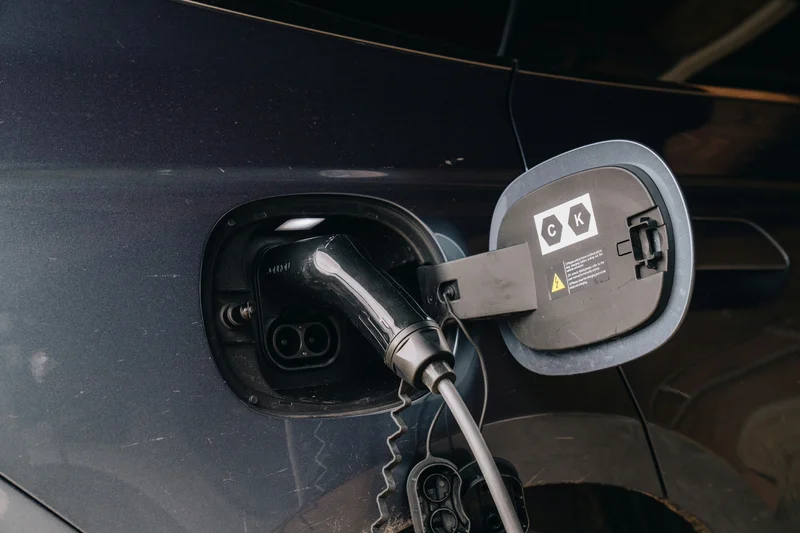
Home charging on a standard 2 kW outlet allows for a full battery recharge overnight without issues. A standout feature is the Seal 6’s acceptance of DC fast charging up to 26 kW, which is quite rare for a plug-in hybrid. During a quick charge of about 30 minutes at a supermarket station, I regained over 75% of the battery—impressive for a PHEV.
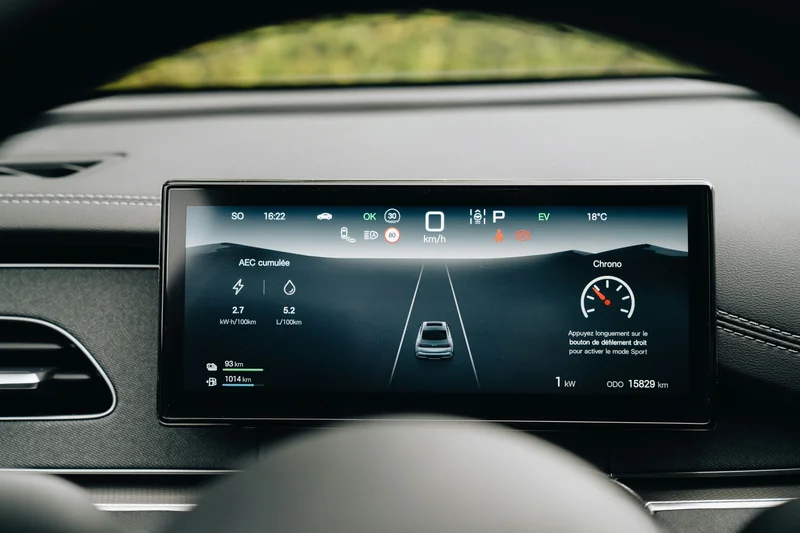
In practical use, I achieved approximately 80 km of electric driving without difficulty. While this is less than the 109 km stated in the model specifications, it remains commendable and very usable for daily routines. When the battery runs low, the car remains enjoyable to drive, as BYD retains an energy reserve to maintain optimal hybrid operation. Thus, fuel consumption does not spike dramatically, which is a common issue with some plug-in hybrids.
Throughout my test, which included about 400 km on the highway and 200 km on secondary roads and city driving, I consumed only 26 liters of fuel over a week, recharging the vehicle nightly for a total of four full charges. This equates to approximately 4.3 l/100 km, which is quite impressive for a sedan of this size. This, perhaps, is the true strength of the "Super Hybrid": it may not be revolutionary, but it is exceptionally coherent.
A Chassis That Still Reflects Its Asian Roots
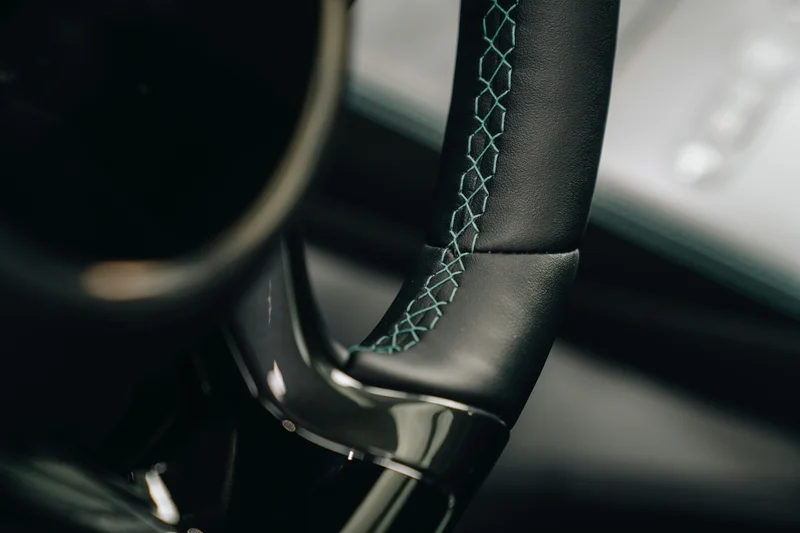
Here, the Seal 6 reveals its Chinese origins most clearly. The steering is adequate for everyday driving, being slightly stiff and somewhat artificial, but it gets the job done. It lacks precision and feedback, yet remains consistent with the car’s philosophy. The weight is not overly burdensome, making daily driving quite natural.
The primary concern lies with the chassis. The suspension is too soft for the European market, leading to noticeable body roll and a sensation akin to floating over uneven roads. This is not dangerous, but it is evident that the vehicle has not been developed with European tuning in mind. Compared to market benchmarks, the Seal 6 feels more generic, less rigorous, and far less engaging to drive.
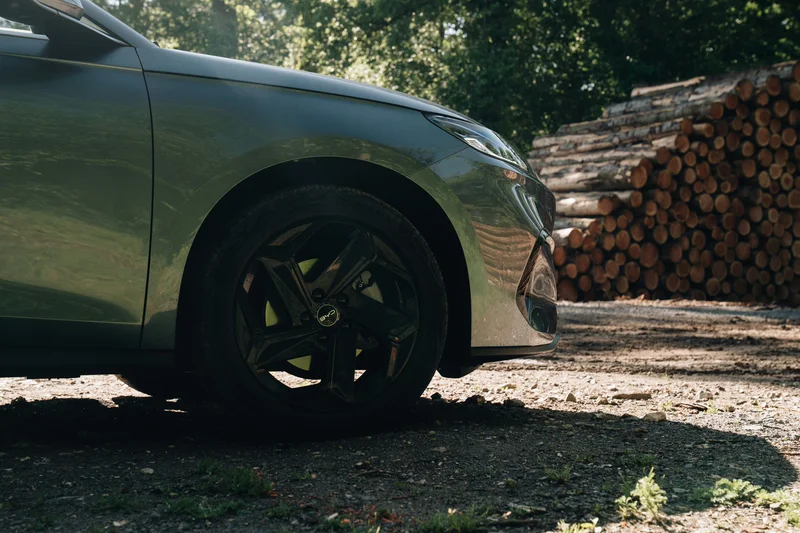
Additionally, noise insulation is average. On the highway, wind noise is quite noticeable at the windows, and while it does not detract from safety, it does affect overall comfort during longer journeys.