
Rye Bread: 6 Lesser-Known Health Benefits to Discover
Rye bread is packed with health benefits: improved digestion, cardiovascular protection, blood sugar regulation... Discover its 6 lesser-known advantages today!

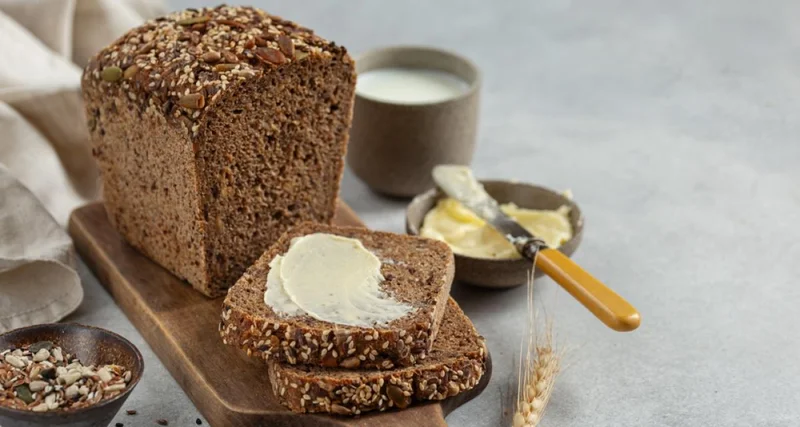
Rye bread is packed with health benefits, including improved digestion, cardiovascular protection, and blood sugar regulation. Here are six lesser-known advantages to consider today!
Rye bread stands out as more than just an alternative to white bread, thanks to its rich flavor and dense crumb. Loaded with essential nutrients and gaining popularity among health-conscious individuals, this traditional bread can be a valuable ally for those looking to enhance their well-being. Whether you're interested in better digestion, heart health, or blood sugar control, rye bread is especially beneficial for seniors seeking to improve their health.
What is Rye Bread?
Rye bread is made from rye flour, a hardy grain that has been cultivated for millennia. Its darker color and slightly tangy flavor set it apart from other types of bread. The nutritional composition varies based on the type of flour used (whole or semi-whole), which in turn affects its health benefits.
#1 Improved Digestion
Rich in dietary fiber, rye bread promotes regular intestinal transit. The fiber increases stool bulk and eases its passage, thereby reducing the risk of constipation, a common issue among seniors. Nutrition experts emphasize that consuming fiber-rich foods like rye bread is crucial for maintaining digestive health. These fibers not only improve stool frequency but also help prevent long-term gastrointestinal disorders. Notably, dietary fibers are often preferred over regular laxatives, as they support natural and sustainable intestinal function.
#2 Blood Sugar Regulation
Rye bread has a lower glycemic index compared to white bread, meaning it leads to a more moderate rise in blood sugar levels after consumption. This characteristic is particularly advantageous for individuals with type 2 diabetes or those at risk, as it aids in stabilizing blood sugar levels.
Furthermore, the European Food Information Council (EUFIC) notes that certain whole grains, including rye, exhibit a low glycemic index, allowing for a slower release of carbohydrates into the bloodstream and contributing to a more stable glycemic response. Multiple studies have shown that consuming rye-based products results in lower glycemic and insulin responses compared to refined wheat products.
#3 Cardiovascular Health
The soluble fibers found in rye bread help to lower LDL cholesterol levels, often referred to as “bad” cholesterol. Reducing this level decreases the risk of cardiovascular diseases such as hypertension and strokes. Additionally, rye contains antioxidant compounds that protect the heart by neutralizing free radicals.
#4 Source of Essential Nutrients
Rye bread is an excellent source of minerals like magnesium, phosphorus, and iron, which are vital for the body's proper functioning. It also provides B vitamins, including B1, B2, and B3, which play crucial roles in energy metabolism and brain health.
#5 Weight Control
Thanks to its high fiber content, rye bread offers a lasting feeling of fullness. This can help curb snacking between meals, making it easier to maintain or lose weight. A Swedish study revealed that rye bread is more satiating than wheat bread, which can be beneficial for those aiming to manage their caloric intake.
#6 Cancer Prevention
The dietary fibers in rye play a protective role against certain types of cancers, particularly colorectal cancer. They aid in eliminating potentially carcinogenic substances from the digestive tract. Moreover, rye contains phytochemical compounds with antioxidant properties that contribute to breast cancer prevention.
How to Choose and Consume Rye Bread
To fully enjoy the benefits of rye bread, it’s essential to select quality products:
- Choose breads made from whole or semi-whole rye flour, preferably from organic sources, to limit pesticide exposure.
- Carefully read labels to avoid unnecessary additives and opt for naturally leavened breads, which enhance digestibility.
Incorporating rye bread into your diet is straightforward. It pairs wonderfully with butter, honey, or jam for breakfast, and complements soups, salads, or cheese platters for lunch or dinner. You can also use it to create nutritious sandwiches.
Precautions and Contraindications
Despite its numerous advantages, rye bread contains gluten and is therefore unsuitable for individuals with celiac disease or gluten sensitivity. Additionally, excessive fiber consumption can lead to digestive discomfort, such as bloating. It is advisable to gradually introduce rye bread into your diet and consult a healthcare professional if you have any concerns.
So why not embrace rye bread and its many benefits? Whether it's to enhance your digestion, strengthen your heart, or feel fuller for longer, this authentic bread can add a delicious and healthy touch to your daily routine. By choosing quality products and incorporating them into your meals, you take a significant step toward a balanced and healthful diet. Now is the time to try and savor the difference!
In Summary
Rye bread, with its wealth of fiber and nutrients, offers numerous health benefits. This article highlights its effects on digestion, blood sugar levels, cardiovascular health, weight control, and cancer prevention. You will also learn how to choose and integrate this bread into your daily diet.