Scania Introduces Bidirectional Charging in the Megawatt Charging System
Scania has showcased the operation of Vehicle-to-Grid (V2G) technology for heavy electric trucks using the Megawatt Charging System (MCS).
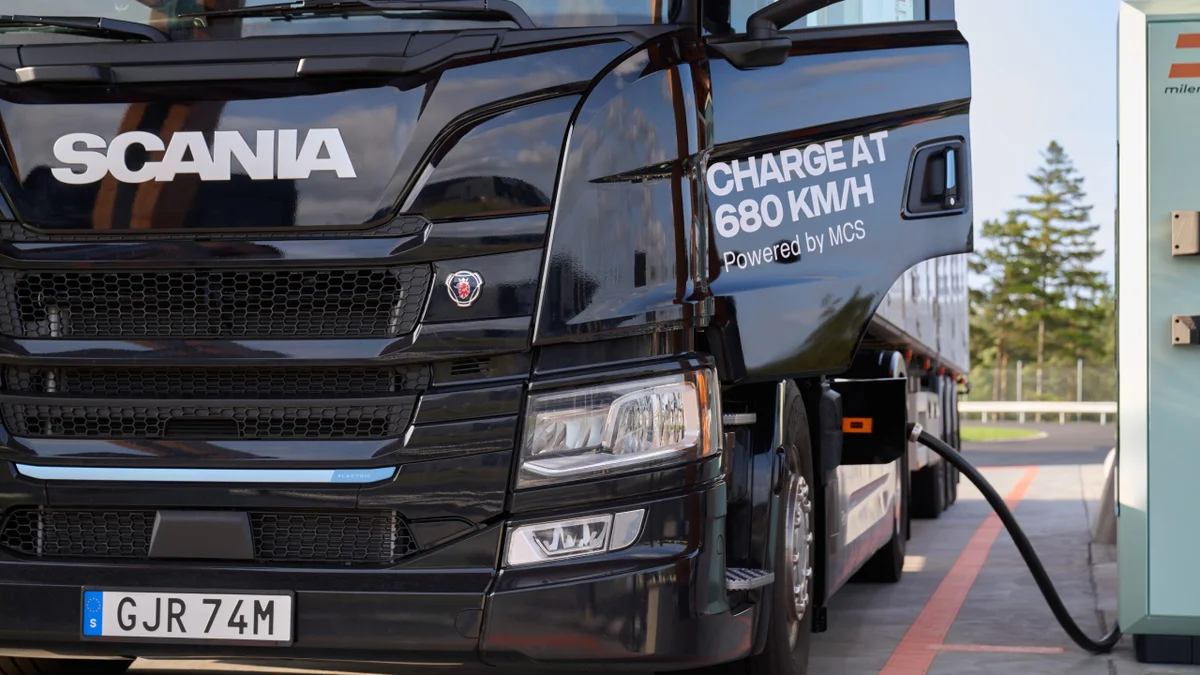
Scania has showcased the operation of Vehicle-to-Grid (V2G) technology for heavy electric trucks using the Megawatt Charging System (MCS).
.jpg)
Vehicle-to-Grid allows for bidirectional battery operation: the vehicle can not only charge from the grid but also return electricity back. This way, electric trucks become mobile energy storage units capable of smoothing peak loads and supporting the stability of the energy system.
Large Batteries as an Energy Resource
In the heavy truck segment, the effect of V2G is particularly noticeable due to the significant capacity of the batteries. During long downtimes in depots, these vehicles can either charge or deliver energy back to the grid depending on the energy system's needs.
This provides fleet operators with additional opportunities: reducing electricity costs, avoiding peak tariffs, and potentially earning income by providing grid services.
Combining V2G and Megawatt Charging
Scania emphasizes that the demonstration is important not only for the fact of bidirectional energy flow but also for the combination of V2G with the Megawatt Charging System (MCS). According to company representatives, this is one of the first demonstrations of V2G for heavy trucks using such powerful charging infrastructure.
The system can operate with a current of up to 1,000 A and a power output of up to 750 kW. An important feature is that the charging station and the energy system can exchange data in real-time, allowing for dynamic management of both charging and discharging of the batteries.
Role in the Energy System
Scania notes that electric trucks can play a role not only as vehicles but also as elements of the energy infrastructure. This is particularly relevant for the integration of renewable energy sources.
Stored solar or wind energy can be temporarily held in the fleet's batteries when there is no immediate demand on the grid.
The company also points out that the development of V2G is changing the role of transport company operators. They are gradually transitioning from being solely carriers to participants in the energy market who can provide load balancing services.
Scania believes that the combination of fast charging and intelligent energy consumption management can enhance the economic efficiency of electric trucks and reduce overall operating costs.