
The Cork Stopper Trick: An Unexpected Ally Against Heat in Cars
Discover how a simple cork stopper can help protect your car from heat and maintain interior comfort during summer months.
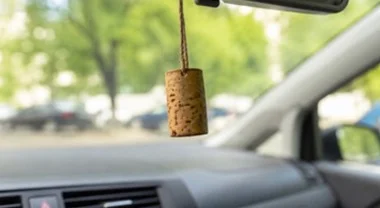
As summer brings the joy of vacations and outdoor activities, driving in high temperatures poses a daily challenge for many. When a vehicle is parked under the blazing sun, the interior can quickly turn into an oven, making entry and initial driving conditions unbearable. To combat this phenomenon and protect their vehicles, savvy drivers are rediscovering a simple yet effective DIY trick: using a common cork stopper in the door lock hole.
A Barrier Against Dust and Heat
The effectiveness of cork in this context lies in its natural properties; it is lightweight, porous, and an excellent insulator. Inserting a cork into the door lock hole serves primarily as a physical shield against the entry of dust, dirt, and small insects that could settle in the crevices during prolonged stops.
However, the most significant advantage pertains to the protection of mechanical components. The intense summer heat can cause slight but annoying deformations in rubber elements of seals and gaskets. The cork stopper helps keep the lock area protected, preventing foreign bodies from interfering with the mechanism and ensuring that the door operates smoothly.
Maintaining Interior Freshness and Protection
Beyond mechanical protection, this simple measure contributes to maintaining the internal microclimate. Cork acts as a small seal that helps limit the loss of cool air generated by the air conditioning system while simultaneously preventing hot outside air from infiltrating the most delicate and hidden areas of the cabin.
When combined with traditional sunshades or windshield covers, this small gesture creates an integrated defense system that reduces the perceived internal temperature. A cooler environment not only enhances passenger comfort but also extends the lifespan of materials by preventing premature drying and discoloration of plastics and interior upholstery.
Proper Application of the Trick
Applying this method takes only a few seconds but should be done carefully. The cork must be gently inserted into the lock hole, ensuring not to force the seals excessively or damage the internal mechanism. It is unnecessary to use overly large or rigid stoppers; the flexible nature of cork allows it to fit snugly without creating dangerous pressure.
It is crucial to remember that this is a temporary measure intended for parked situations. The cork must be removed before closing the door to drive or before performing any maintenance work to avoid hindering the locking mechanisms.
In conclusion, using a cork stopper represents a smart and cost-free way to care for one’s vehicle during the hotter months. It demonstrates how sometimes the most effective solutions for enhancing driving comfort and preserving car materials do not require expensive technologies but rather a touch of ingenuity and traditional craftsmanship.