The Versatile Van Trailer: A Practical Transport Solution for Individuals and Businesses
Explore the benefits and versatility of van trailers for transporting goods, suitable for both personal and professional use. Learn how to choose the right one for your needs.
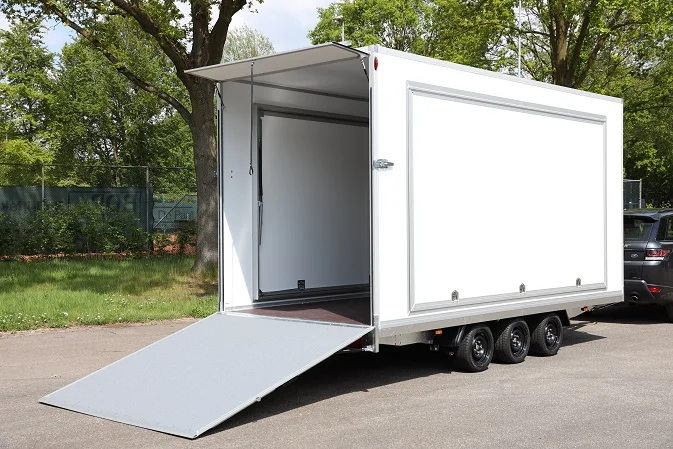
Transporting items such as furniture, construction materials, recreational equipment, or even food requires more than just a car's trunk. The van trailer emerges as a reliable and versatile closed transport solution, beneficial for both private users and professionals. Unlike open trailers, the van trailer features a rigid structure that safeguards its contents during transit.
In addition to its loading capacity, a van trailer offers a cleaner, more discreet, and safer way to transport goods. It shields the cargo from rain, wind, road debris, and prying eyes, providing genuine comfort for both businesses and individuals alike.
Why Opt for a Van Trailer Over an Open Trailer?
While open trailers serve well for simple tasks—like transporting green waste, debris, or oversized items without special considerations—the van trailer becomes essential when the load is valuable, needs to stay clean, or is susceptible to inclement weather.
The primary advantage of a van trailer lies in its enclosed design. It protects the materials being transported, even during rainy conditions or long journeys. This is particularly significant for tradespeople transporting tools, musicians moving stage equipment, athletes traveling with expensive gear, or families embarking on trips with numerous bags.
Moreover, van trailers enhance security. Since the contents are not visible at first glance, they reduce risks associated with parking lot stops, highway breaks, or temporary storage. When equipped with suitable locks, these trailers offer a reassuring transport space for sensitive items.
A Valuable Tool for Individuals
For private users, a van trailer can quickly become an invaluable asset. It is ideal for moving, transporting furniture, taking extra gear on vacation, or relocating sports equipment. Additionally, it can accommodate motorcycle, quad, bicycle, and vintage car owners.
The enclosed nature of the trailer eliminates the need to cover loads with tarps for every trip. Items are better secured, protected from the elements, and less exposed to damage. This added convenience is especially beneficial during long journeys, alleviating concerns about soggy boxes, poorly secured bags, or fragile items exposed to wind.
Certain models are designed specifically for leisure and travel, capable of carrying camping gear, surfboards, motorcycles, competition equipment, or bulky items. For those lacking space in their vehicles, a van trailer offers a more flexible solution than a utility vehicle, particularly for non-daily needs.
A Work Tool for Professionals
For professionals, van trailers cater to a wide array of uses. Craftsmen can store their tools, landscapers can transport machinery, mobile vendors can create sales spaces, and restaurateurs can establish food trucks or mobile shops.
For businesses, the challenge extends beyond merely moving items. Time efficiency, equipment protection, maintaining a professional image, and minimizing losses due to damage or theft are critical considerations. A well-designed van trailer can serve as an extension of a work vehicle, helping to organize routes effectively, keep equipment ready for use, and tailor transport to specific business activities.
Food industry professionals may opt for specialized trailers, such as refrigerated or insulated models for transporting fresh goods. In contrast, those in motorsports might choose a closed trailer to transport motorcycles, go-karts, quads, or even cars. Landscapers typically seek trailers that offer volume, durability, and easy access to equipment.
Choosing Between Single and Double Axle Trailers
Deciding between a single axle and a double axle trailer primarily depends on the weight being transported, usage frequency, and desired comfort level.
Single axle trailers are generally lighter, easier to maneuver, and well-suited for everyday needs. They are ideal for individuals or occasional use with moderate loads, as they are easier to park and require less effort for manual handling.
On the other hand, double axle trailers are better for heavy loads, professional use, or regular trips. They provide greater stability, especially on the road, and can handle larger volumes. For tradespeople, mobile vendors, or any activity requiring substantial equipment, a double axle trailer may offer a more comfortable, long-term solution.
Customization: A Key Advantage for Specific Uses
Different activities come with varying requirements. A restaurateur's needs differ significantly from those of a landscaper, just as an individual transporting a motorcycle has different expectations than a professional moving perishable goods. This is why customization holds significant value in the realm of van trailers.
Factors such as dimensions, usable height, load capacity, type of opening, tailgate, ramps, interior layout, insulation, securing equipment, ventilation, and storage can all impact daily operations. A trailer that is too small may necessitate multiple trips, while a poorly equipped one can lead to wasted time. An ill-suited trailer can even damage the transported items.
Customization allows for a tailored approach based on real needs. Questions like what needs to be transported, how often, over what distances, and with which towing vehicle can guide the selection process towards a truly useful trailer instead of one chosen solely from a catalog.
A Sustainable Solution for Better Transport Management
Investing in a van trailer also enhances autonomy. For individuals, it eliminates the need to rent a vehicle for every transport task. For businesses, it reduces reliance on additional utility vehicles while increasing available loading capacity.
A trailer can be utilized only when necessary, keeping the primary vehicle lighter, easier to park, and less expensive to operate than a large utility vehicle. This approach is particularly appealing for companies that do not require substantial volume daily but want to respond quickly to jobs, events, or deliveries.
The quality of construction plays a crucial role here. A well-built trailer lasts longer, withstands repeated use better, and maintains its value over time. For professional use, this aspect is as important as the purchase price. A dependable trailer minimizes downtime, frequent repairs, and unexpected issues on the road.
Key Considerations Before Purchasing
Before selecting a van trailer, several factors need careful consideration. The first is the useful dimensions: length, width, and interior height. It is essential to consider current loads as well as future needs. Allowing for extra volume can prevent the need to replace the trailer too soon.
The total authorized weight is another critical factor. It must align with the type of goods being transported, as well as the towing vehicle's capabilities and the driver's license requirements. It is essential to look beyond just available volume: a trailer can be large but may not accept any load.
Access points are also important. A standard rear door, a tailgate, a ramp, or a side opening serve different purposes. A ramp is nearly essential for loading a motorcycle, while a side opening may be far more practical for a mobile business. For craftsmen, well-thought-out internal storage can save considerable time.
Finally, the overall finish, chassis quality, locks, safety features, and customization options should be compared meticulously. A van trailer is not merely a box on wheels; it is a transport tool that must remain reliable over time.
Conclusion: A Trailer Designed for Better Transport
The van trailer meets a straightforward need: to transport more, better, and with increased safety. It protects cargo, adapts to various professions, supports leisure activities, and provides genuine flexibility in daily life. For individuals, it alleviates the limitations of a small vehicle. For professionals, it transforms into a practical and enhancing work tool.
However, selecting the right trailer requires careful thought. Dimensions, load capacity, axle type, access points, layout, and build quality must align with actual usage. This is particularly true for specific needs, such as mobile catering, landscaping, vehicle transport, sports activities, or sensitive goods transport.
When chosen wisely, a van trailer is not just a transport device; it is a sustainable solution that simplifies journeys, safeguards what matters, and adapts to evolving needs, both personally and professionally.