
Understanding Shingles: Symptoms, Complications, and Prevention
Learn to recognize shingles symptoms, act quickly to limit complications, and discover the effectiveness of vaccination.
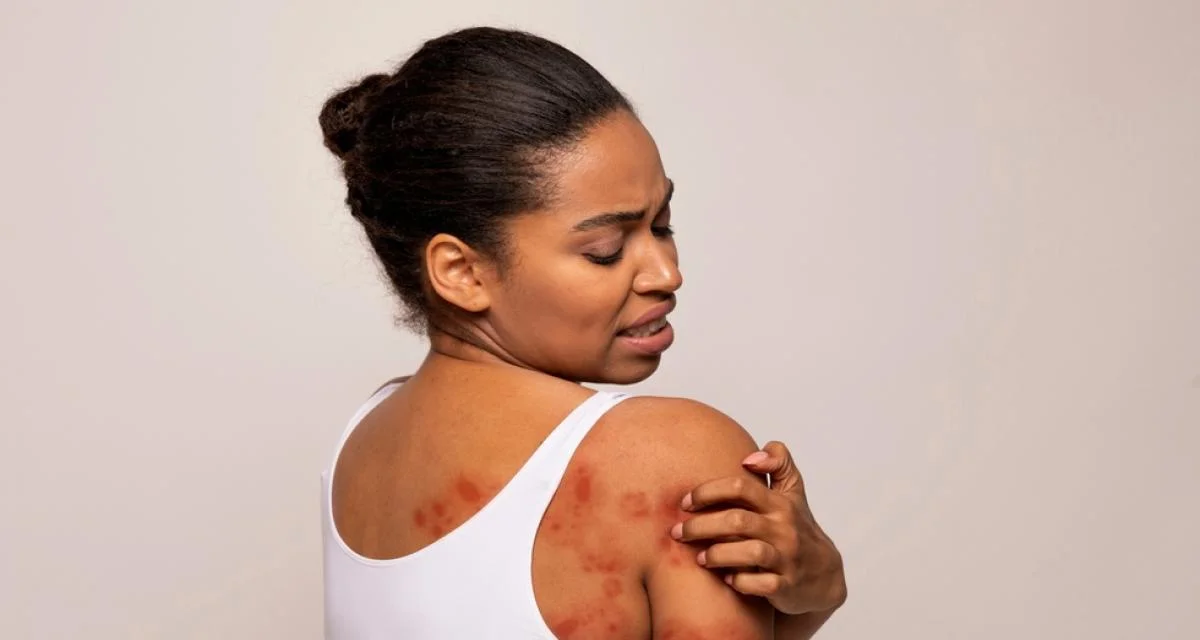
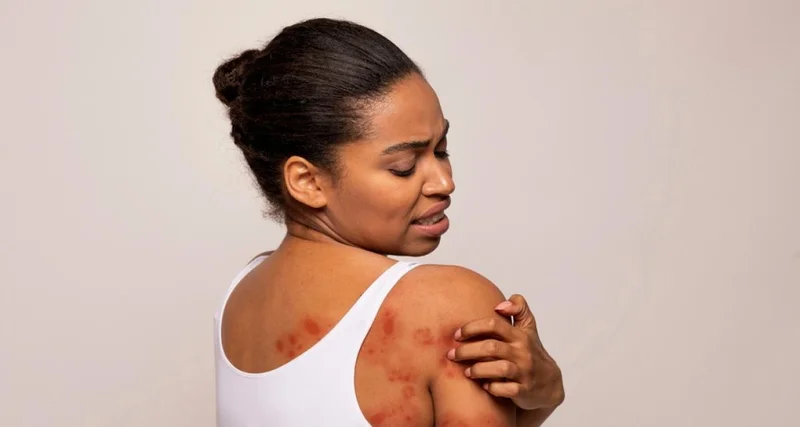
Shingles is a viral infection that can affect anyone, but it is particularly prevalent among older adults. Recognizing its symptoms early is crucial for receiving prompt treatment and avoiding complications. This article delves into what shingles is, its typical symptoms, and how to manage the condition effectively.
What is Shingles?
Definition of Shingles
Shingles is caused by the reactivation of the varicella-zoster virus (VZV), the same virus responsible for chickenpox. After the initial infection, which often occurs during childhood, the virus remains dormant in the body, residing in nerve ganglia. As individuals age or if their immune system weakens, the virus can reactivate, leading to shingles.
Who Can Be Affected?
While shingles can occur at any age, it is more common in seniors, especially those over 50. Individuals with weakened immune systems—due to stress, chronic illness, or medical treatments such as chemotherapy—are also at a higher risk. Estimates suggest that approximately 30% of people will develop shingles at some point in their lives, with the risk increasing as one ages.
Recognizing Shingles Symptoms
Early Signs of Shingles
Before the characteristic rashes appear, subtle signs may indicate the onset of shingles. These early symptoms can include:
- Itching
- Tingling
- A burning sensation in a localized area of the body
Some patients also report unusual skin sensitivity accompanied by mild to moderate pain. These warning signs typically emerge a few days prior to the appearance of visible rashes.
Characteristic Rashes
The most recognizable symptom of shingles is the emergence of rashes in the form of small, fluid-filled vesicles. These vesicles cluster together and often follow the path of a nerve, explaining their band-like distribution on a specific part of the body. The trunk, back, or one side of the face are the most commonly affected areas. These rashes can be painful, cause intense itching, and may be accompanied by redness.
Associated Pain and Sensations
Pain is one of the most prominent symptoms of shingles. It may be described as burning, electric shock-like, or cutting pain and can be very severe. In some individuals, this pain persists even after the skin lesions have healed, resulting in a complication known as postherpetic neuralgia.
Other Possible Symptoms
While shingles is primarily known for its rashes and pain, additional symptoms may occur, including mild fever, fatigue, or headaches. In rare cases, shingles affecting the face can lead to complications involving the eyes (ophthalmic shingles), which require immediate medical attention to prevent long-term damage.
Potential Complications of Shingles
Postherpetic Neuralgia
This complication is one of the most common among seniors. It involves persistent nerve pain in the area affected by shingles, which can last for weeks or even months after the skin lesions have disappeared. This pain can be debilitating and significantly impact quality of life.
Rare but Serious Complications
In some instances, shingles can lead to secondary bacterial infections if the vesicles are irritated or scratched. Infected skin lesions may become red, swollen, and painful. Ophthalmic shingles can cause severe inflammation of the eye, leading to vision problems. Additionally, although very rare, neurological complications such as meningitis or encephalitis can also occur.
What to Do If You Experience Shingles Symptoms
Consult Your Doctor Promptly
At the first signs of shingles, it is essential to schedule an appointment with your healthcare provider. Early intervention allows for confirmation of the diagnosis and the initiation of appropriate treatment. If necessary, antiviral medication may be prescribed to reduce the duration and severity of symptoms, especially if started within 72 hours of the rash's appearance.
Measures to Alleviate Symptoms and Promote Healing
Skin Hygiene
Take lukewarm showers or baths twice daily using a moisturizing soap. After washing, gently pat the skin dry with a clean towel.
Care for Lesions
If possible, apply simple dressings to the affected areas to protect the lesions. Keep the rash area as clean as possible, and if needed, apply an antiseptic like chlorhexidine in aqueous solution to prevent secondary infections. However, be cautious of potential allergic reactions to chlorhexidine. If you have previously experienced an allergic reaction to this product, avoid using it and inform your doctor.
Products to Avoid
Do not use talcum powder, creams, ointments (including those containing corticosteroids), gels, or local anesthetics without medical advice, as they may delay healing or cause adverse reactions.
Clothing
Wear loose-fitting clothing to reduce friction and irritation on the skin lesions, which may help lessen pain.
Itch Prevention
Keep your nails short and avoid scratching to prevent secondary infections and scarring. If itching is severe, discuss it with your doctor, who may prescribe an antihistamine.
Pain and Fever Management
- Pain Relief: To alleviate pain, take paracetamol according to the recommended dosage and in the absence of contraindications. Avoid non-steroidal anti-inflammatory drugs (NSAIDs) and aspirin, as they are contraindicated due to the risk of severe skin infection complications.
- Rest: If you feel fatigued or have a fever, allow yourself to rest until these symptoms resolve.
Preventing Virus Transmission
Shingles is contagious to individuals who have never had chickenpox. To prevent transmitting the virus:
- Cover the lesions with clothing or dressings to avoid direct contact.
- Avoid close contact with at-risk individuals, such as pregnant women, newborns, infants under six months, and immunocompromised individuals.
- Wash your hands regularly, especially after touching the affected areas.
- Do not share towels or other personal items.
By following these recommendations and consulting your doctor promptly, you can enhance your chances of a quick recovery while minimizing the risk of complications and virus transmission to others.
Why Get Vaccinated Against Shingles?
Official Recommendations from the Haute Autorité de santé (HAS)
The Haute Autorité de santé (HAS) recommends the use of the Shingrix® vaccine in the following cases:
- For all immunocompetent individuals aged 65 and older: This includes those who have previously experienced one or more episodes of shingles, due to the frequency of postherpetic pain that often persists after the rash.
- For adults aged 18 and older at increased risk of shingles: This particularly concerns patients with chronic illnesses or those undergoing immunosuppressive treatments. The Shingrix® vaccine is especially recommended in these cases as it is not a live vaccine, making it safe for immunocompromised individuals.
Vaccine Effectiveness
The Shingrix® vaccine is a non-live recombinant vaccine. Unlike live attenuated vaccines, such as Zostavax® (no longer marketed), it can be safely administered even to immunocompromised individuals. It is given as an intramuscular injection in two doses spaced at least two months apart.
Clinical studies show that the Shingrix® vaccine provides very high protection against shingles and its complications. Its effectiveness exceeds 90%, even among individuals over 70, and significantly reduces the risk of postherpetic pain, a common debilitating complication among seniors.
Conditions for Coverage
Vaccination with Shingrix® requires a medical prescription. Once obtained, it can be administered in various settings:
- By your primary care physician.
- By a nurse, depending on local regulations.
- In a pharmacy, if permitted by local laws.
The Shingrix® vaccine is reimbursed at 65% by the Assurance Maladie for the aforementioned indications. If you are affected, be sure to discuss vaccination with your doctor, who can provide a prescription.
Special Cases: Waiting Period Before Vaccination
Certain situations necessitate a waiting period before receiving the Shingrix® doses:
- If you have previously received the Zostavax® vaccine (live attenuated vaccine, no longer available), a one-year wait is required before starting Shingrix® vaccination.
- If you have had a shingles episode, it is also recommended to wait one year before beginning vaccination.
Why Choose Vaccination?
Vaccination against shingles offers several benefits:
- Reduction in the risk of shingles: With high effectiveness, you decrease your chances of developing the disease.
- Prevention of complications: In addition to reducing the risk of shingles, vaccination drastically lowers the incidence of postherpetic pain, which can last for months or even years.
- Safety for vulnerable populations: With Shingrix®, even immunocompromised individuals can receive vaccination safely.
Shingles is a condition that can significantly impact quality of life, particularly in seniors. Recognizing symptoms early is essential for prompt and effective management. If you experience unusual pain or observe characteristic rashes, do not hesitate to consult a physician. Additionally, consider inquiring about vaccination, which serves as an effective preventive measure.