
Warning: Child Left in Car! ADAC Evaluates Child Detection Systems
ADAC evaluates child detection systems in cars, highlighting their effectiveness and limitations, particularly with sleeping infants.
11.08.2026 – 00:05
ADAC
Warning: Child Left in Car!
ADAC Evaluates Child Detection Systems Many Warning Systems Fail with Sleeping Infants
Munich (ots)
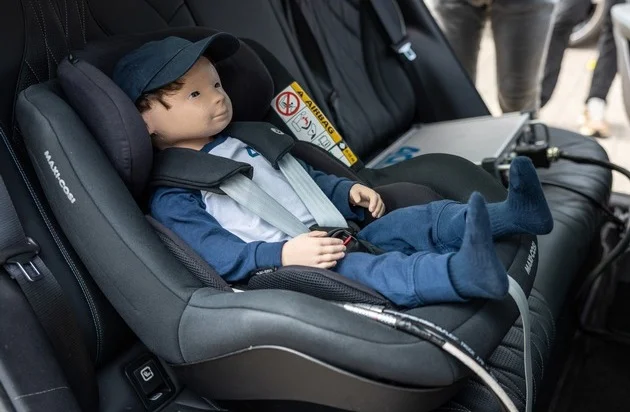
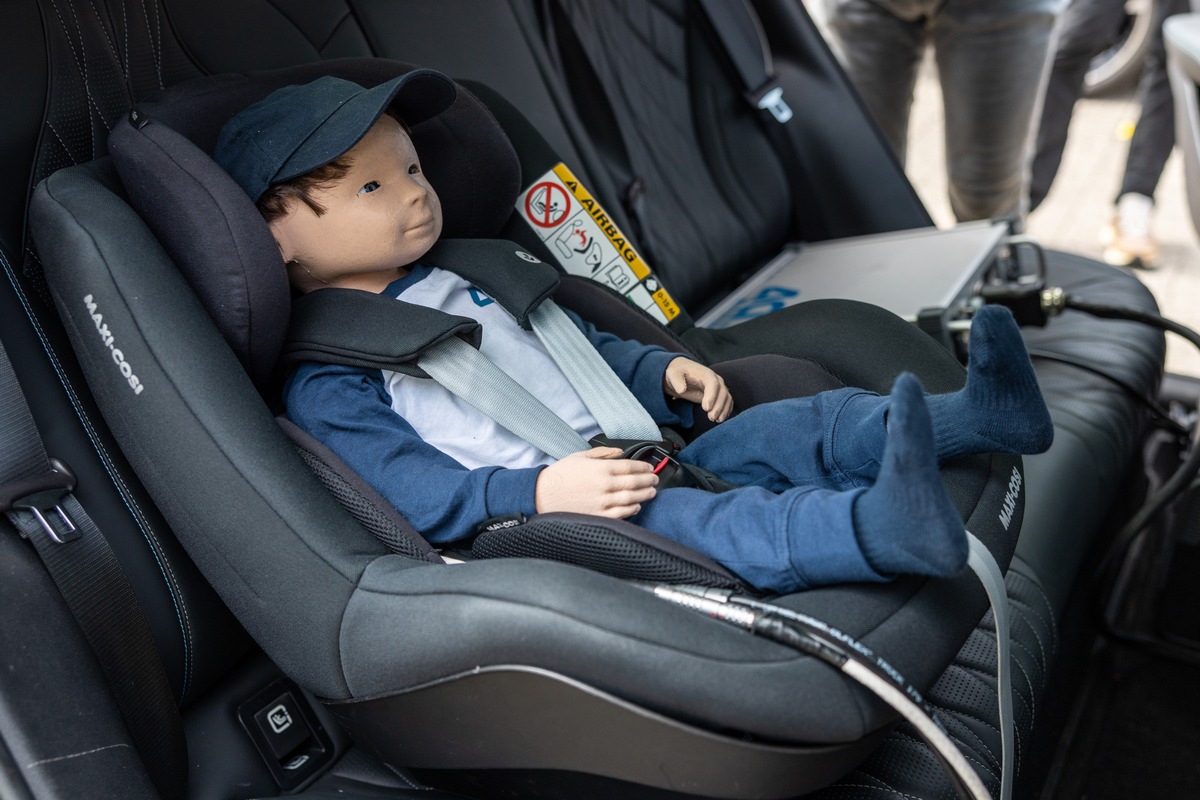
Every year, children are forgotten in cars across Germany, and when vehicles are parked in the sun, the situation can quickly turn life-threatening. The ADAC has conducted a study evaluating four vehicles equipped with systems designed to detect whether children or pets remain inside after the vehicle is parked. Ideally, these vehicles should trigger a multi-tiered warning cascade to alert the driver or bystanders about the situation. The study examined various scenarios, including an infant in an Isofix car seat and a one-year-old child in a strapped child seat, as well as testing the systems' ability to detect a dog left in the back seat.
Currently, there are two main types of systems for detecting living beings inside a vehicle. Indirect systems assess a combination of seatbelt status, seat occupancy, and door openings. In this study, only the Mercedes-Benz CLA was equipped with such a system. Direct systems, on the other hand, utilize radar to detect movements, such as breathing. This technology was evaluated in the Zeekr 001, BMW iX3, and BYD Seal.
Among the vehicles tested, only the Mercedes-Benz was able to issue warnings in all scenarios, though it could not definitively determine if a child was present in the back seat. The vehicle's warnings were limited to the central display, lacking additional visual or auditory alerts. The direct systems generally performed well in identifying most scenarios but shared a common drawback: none of the vehicles recognized the newborn in the Isofix car seat, despite the dummy used simulating breathing movements.
The manner in which vehicles provide warnings varied significantly. All direct systems activated the hazard lights after a child was left in the vehicle for a certain period. Both the BYD Seal and Zeekr 001 additionally issued an audible warning through the horn or alarm system. Depending on the configuration, alerts via a smartphone app were also possible. Notably, the BMW iX3 stood out for its approach: in addition to activating the hazard lights, it displayed a clear message on the central screen to inform bystanders of the potential danger.
While the indirect system in the Mercedes exhibited the highest detection rate in the examined scenarios, the ADAC sees greater potential in direct measurement systems. These systems can accurately confirm the presence of a child and do not rely on indirect indicators such as door contacts, seat occupancy, or seatbelt statuses. A low false alarm rate is also crucial, as high rates can diminish public acceptance of such systems.
The ADAC supports Child Presence Detection systems as an additional safety measure to protect children but emphasizes that these should not replace the responsibility of parents and caregivers. The fundamental rule remains: infants, children, and pets should never be left alone in a car during warm weather, even for seemingly brief moments. Interior temperatures can reach dangerous levels within minutes.
Technical systems can play a vital role in preventing tragic incidents. Relevant guidelines should be based on a reasonable balance of safety benefits, costs, and technical feasibility.
More information about the study can be found at adac.de.