What Your Insurance Doesn't Cover During a Road Trip
As summer travel peaks, many cars are hitting the road heavily loaded. However, while the risk associated with packing is significant, the coverage provided by insurance policies often remains unchanged.
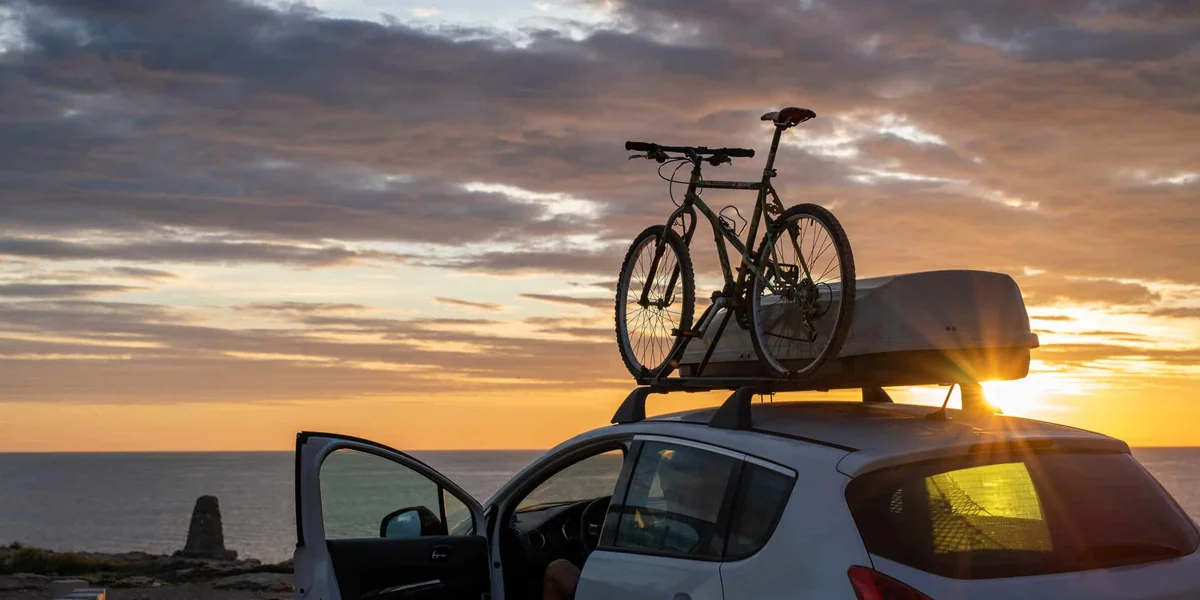
As summer travel peaks, with Saturday, August 1st marked as a particularly busy day for departures according to Bison Futé, many cars are hitting the road heavily loaded. Roof boxes, bike racks, and stacked luggage are common sights as families embark on their vacations. However, while the risk associated with packing is significant, the coverage provided by insurance policies often remains unchanged. Many drivers discover the gaps in their coverage only when they face a claim.
Are Your Luggage Covered if Your Car is Broken Into at a Rest Stop?
Typically, auto insurance covers the vehicle itself, not the belongings inside it. The coverage for personal effects is often an optional add-on in most policies, including comprehensive plans. Without explicit coverage, a suitcase stolen from a rest area will not be compensated.
When this coverage is in place, it often comes with limitations. The maximum payout can vary widely, from a few hundred euros to 3,000 euros, with deductibles frequently exceeding 150 euros. High-value items, such as cameras, laptops, jewelry, cash, and precious metals, are usually excluded from coverage. This option is generally added via an endorsement, and it can be arranged without waiting for the policy renewal.
One condition that often goes unnoticed is the requirement for evidence of forced entry. Most policies require clear physical signs of a break-in, such as a broken window or damaged lock. If a vehicle is left unlocked or opened without visible damage, it typically falls outside the coverage. It is advisable to review the details of your auto insurance before loading your vehicle to understand what is actually covered and to what extent.
Who is Responsible if Your Roof Box Falls on the Highway?
If a roof box falls off while driving, two types of coverage come into play. Damage caused to other road users falls under liability insurance, which is mandatory in all contracts. Damage to the vehicle itself depends on comprehensive accident coverage, which is not included in third-party policies. If the roof box is stolen from a hotel parking lot, it will be addressed under the theft coverage applicable to accessories.
However, the equipment must be reported to the insurer. A roof box and its bars are not considered part of the original vehicle; they are classified as non-standard accessories, which must be declared to be covered. If not declared, compensation is often limited to a modest accessories allowance. Once declared, the roof box is treated under the same terms as the vehicle.
Are Your Bicycles Covered During Travel?
Bicycles are neither considered accessories of the vehicle nor personal belongings in the traditional sense. When a policy does cover them, it typically comes with conditions: the bike must be locked and securely attached to the vehicle. A bike simply strapped down would not be covered. This issue becomes more critical with electric bikes, which often exceed the personal effects coverage limit of standard auto policies. A dedicated contract or specific extension is usually more appropriate for such cases.
Additionally, there are regulatory issues to consider. The Highway Code mandates that a license plate must be visible and legible at all times. If a bike rack obscures the rear plate, a third plate replicating the vehicle's number must be installed. An improvised cardboard plate is not valid under the law. A concealed plate can result in a Class 4 fine, which amounts to 135 euros. The same logic applies to signal lights, which require an auxiliary ramp if they are obscured.
What Happens if Your Car is Overloaded in an Accident?
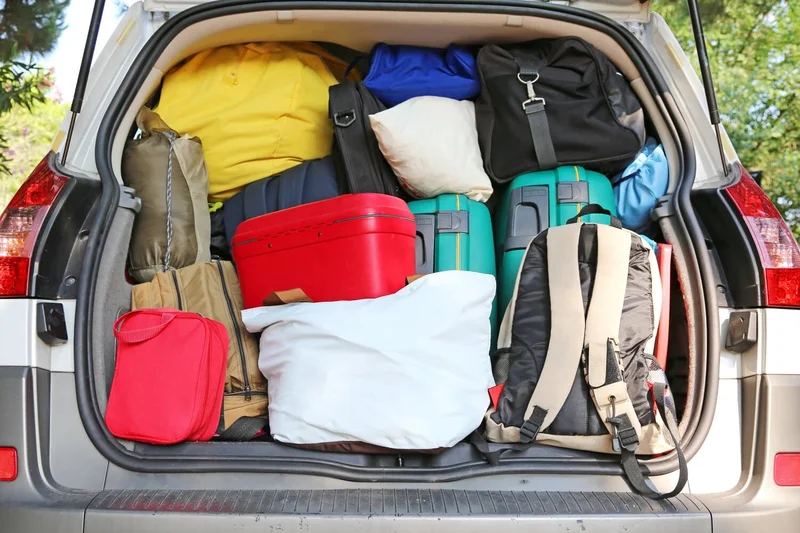
An insurer may invoke non-compliance with loading regulations to contest the amount of compensation. The authorized total weight (PTAC), listed on the registration certificate, encompasses the vehicle, passengers, interior luggage, and roof load. Exceeding this limit can lead to a Class 4 fine for every 0.5 tons over the limit in vehicles under 3.5 tons.
The lesser-known limit pertains to the roof. Manufacturers specify a maximum dynamic load, which typically ranges from about 50 to 100 kilograms depending on the model. This includes the weight of the bars, the empty roof box, and its contents. A compact car often has a limit around 50 kilograms, while an SUV may allow for more. This information is detailed in the vehicle's manual.
Five Checks to Make Before Loading Your Vehicle
Each of these limits has contractual implications that should be addressed prior to loading.
- Ensure that permanent accessories are declared, including bars, roof boxes, and towing equipment. A declaration is sufficient to include them in the insurable perimeter;
- Check for the personal effects option, and adjust its limit based on the actual value being transported;
- Review the theft clause to understand what the insurer requires in case of theft, and adjust parking accordingly;
- Compare the value of bicycles against the policy's limit; an extension or dedicated contract is advisable for higher values;
- Note the maximum roof load specified in the vehicle manual and weigh the load accordingly.
Key Takeaways Before Hitting the Road
The vehicle itself is covered, but its load is only insured upon request. All the limits described here have contractual responses, provided they are addressed before closing the trunk. Declared accessories, properly set personal effects options, and weighed loads can ensure peace of mind for summer travels. Once a theft occurs, it’s too late to make these adjustments.