What Robots Will Still Not Be Able to Do in 2046
As discussions around AI and robotics evolve, we explore the human experiences that machines will likely never replicate by 2046.
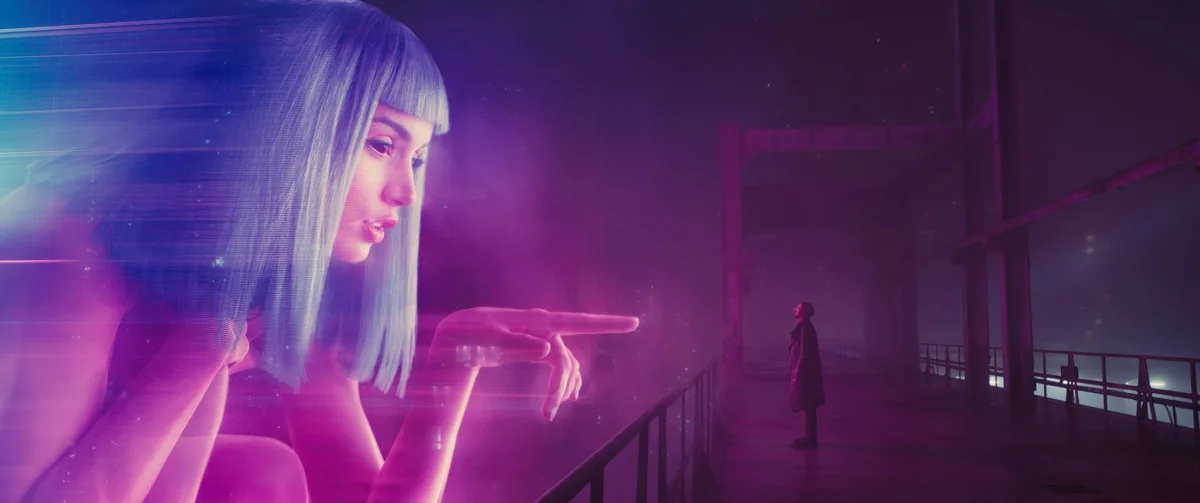
Recent discussions have suggested that within two years, robots could potentially match all human capabilities. Sam Altman, co-founder of OpenAI, even claims that we may reach a point of singularity, where artificial intelligence becomes self-sufficient and no longer relies on humans. This raises questions about the future role of machines in our society.
However, there are several aspects of human experience that robots will likely still be unable to replicate, even two decades from now. Here are some things to keep in mind for the year 2046.
Robots will struggle to master the art of perfecting a ragù alla bolognese, and they certainly won’t be able to share the joy of enjoying it with good friends.
They won’t be able to comfort a child who has lost their favorite stuffed animal, nor will they be able to hold the hand of an elderly person mourning the loss of a dear friend in a church pew. The emotional depth of fervent prayer or the ability to sing a hymn off-key, expressing both faith and doubt, will remain beyond their reach.
Flirting on a tram, falling in love, and marveling at oneself are experiences that robots cannot authentically engage in. They will not know the desire to have children with a partner or the challenge of holding onto love amidst life's complexities.
Sitting under an apple tree, watching the clouds drift by, and contemplating the universe are uniquely human contemplations that robots will not experience. The passion to work on an idea for years, even when the time isn’t right, is another distinctly human trait.
When faced with difficult decisions, humans often rely on their gut feelings, a capability that machines are unlikely to emulate. Motivating a team or engaging in playful banter that leads to hearty laughter—until one’s diaphragm aches—is also something robots will not achieve.
Humans possess convictions, struggle with their nature, and experience the emotional turmoil of reconciliation. They can forgive and overcome their own reluctance, choosing to assist those deemed hopeless. The fear of failure and the courage to act in spite of it are hallmarks of the human experience.
Ultimately, being human involves a depth of feeling and authenticity that robots, no matter how advanced, will not be able to simulate fully.