Why the Electric Vehicle Market Stimulates More Frequent Car Changes Among Drivers
The automotive market is entering a phase where the approach to vehicle ownership among drivers varies significantly depending on the type of powertrain.
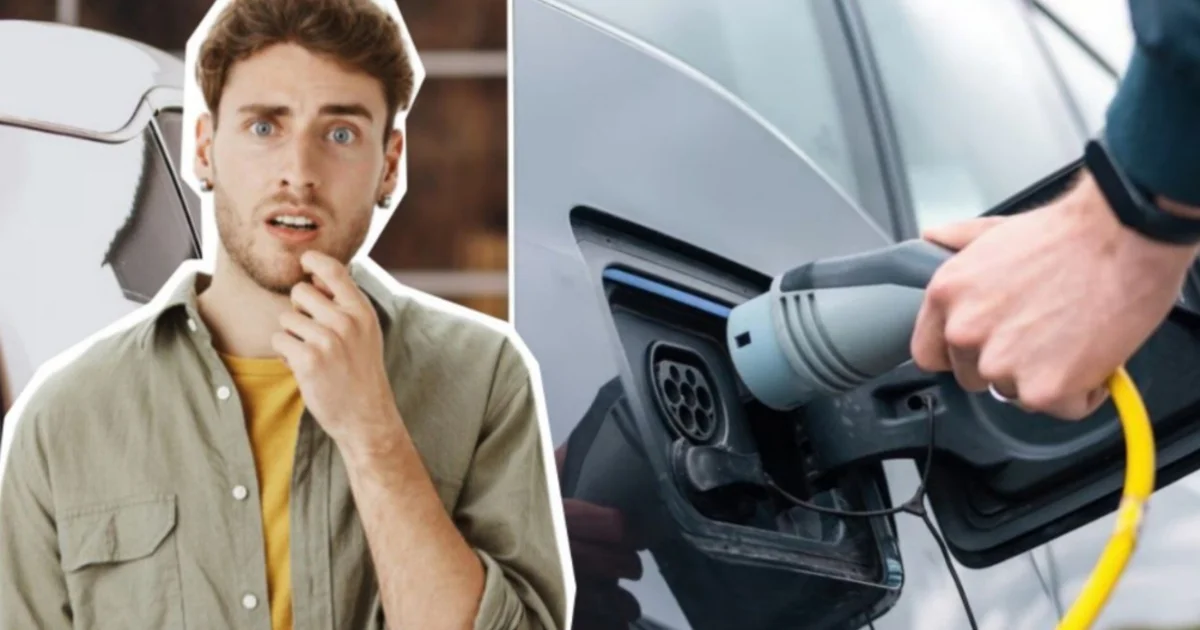
The automotive market is entering a phase where the approach to vehicle ownership among drivers varies significantly depending on the type of powertrain.
Analysts are noting an increasingly noticeable difference between how long people use traditional internal combustion engine (ICE) vehicles and electric vehicles (EVs).
This is reported by L’Automobiliste.
Long Lifespan of ICE Vehicles
According to estimates from S&P Global Mobility, gasoline and diesel vehicles typically remain with one owner for about 12 years. This long cycle is explained by several factors: a time-tested design, the availability of repairs, and a well-developed service infrastructure.
As a result, traditional cars are perceived as a long-term investment, which are rarely changed without a compelling reason.
EVs: Replacement Cycle of a Few Years
In the electric vehicle segment, the situation looks entirely different. The average usage period of a single EV often does not exceed three years, after which owners switch to new models.
According to analysis from Recurrent, about half of new electric vehicles are sold through leasing programs. This fosters a habit of shorter usage cycles and regular vehicle replacement.
Why EVs Are Changed More Frequently
The main reason for this behavior is the rapid technological progress. Improvements in range, updates to battery systems, and software occur so quickly that drivers often do not want to "fall behind" the new models.
In fact, for many consumers, an electric vehicle has turned into a technological product that is updated just like a smartphone.
At the same time, it is important to note that the batteries themselves have proven to be much more reliable than previously expected—complete battery replacement is only required for a small fraction of vehicles over their entire lifespan.
Used Market Gaining Momentum
The rapid rotation of electric vehicles has led to the active development of the used car market. Relatively "fresh" three-year-old electric vehicles are increasingly appearing on it, making the technology more accessible to a broader range of buyers.
What’s Next
Experts from the International Energy Agency predict that in the future, the pace of electric vehicle updates will slow down. Technologies will become more stable, and sharp leaps in development will become rarer.
This will lead to owners keeping electric vehicles longer, similar to what is currently happening with ICE vehicles. Ultimately, the market may reach a balance where electric vehicles are not seen as "quick-change gadgets" but rather as full-fledged long-term transportation.