A Comprehensive Guide to Technical Inspections for New Cars
Understanding the initial technical inspection for new vehicles is essential for compliance and safety. This guide covers requirements, timelines, exemptions, and preparation tips.
The initial technical inspection of a new vehicle often raises questions among car owners. This comprehensive guide aims to clarify the requirements for technical inspections, the timelines involved, specific regulations based on engine types, and the steps necessary for a successful visit. Understanding the rules related to registration and the registration document is crucial to avoid surprises during your appointment.
Regulatory Framework for Technical Inspections of New Cars
Knowing when and how to conduct a technical inspection of a new vehicle is essential for ensuring road safety and compliance with regulations. The legal framework clearly outlines the schedule and procedures, particularly in relation to the date of registration noted on the registration document. This regulation is based on official texts that also define exemptions and the categories of vehicles affected.
- The first technical inspection of a new vehicle must be conducted within the six months leading up to the fourth anniversary of its registration.
- Following this, a periodic technical inspection is required every two years.
- The requirement for technical inspections primarily applies to M1 category vehicles, which are passenger cars with a maximum authorized weight of 3.5 tons.
- Certain vehicles are exempt, including classic cars registered before 1960, two-wheeled vehicles, caravans, and diplomatic vehicles.
- Inspections must be performed at an approved technical inspection center recognized by the authorities.
- Failure to meet these deadlines can result in penalties for technical inspections, including fines and possible penalties during roadside checks.
Mandatory Schedule and Frequency
The regulations impose a strict schedule for technical inspections designed to ensure the safety verification of vehicles over time. The first inspection must occur within a specific timeframe: six months before the fourth anniversary of the vehicle’s initial registration stated on the registration document. After this, a periodic technical inspection is required every two years to monitor the vehicle's condition.
- First technical inspection: between 3 years and 6 months and 4 years after the vehicle's registration.
- Periodic inspection: every 2 years following the first inspection.
- Adhering to the technical inspection timeline is crucial to avoid penalties for technical inspections.
- The owner must schedule the technical inspection appointment themselves, as no official notification is sent.
Essential Legal References
Article R323-22 of the Highway Code establishes the basis for the requirement for technical inspections for new vehicles. This text specifies the inspection timeline, evaluation criteria, and exemption conditions. The regulations mandate that inspections occur at an approved center and outline the consequences of non-compliance, including penalties for technical inspections that may lead to the suspension of the vehicle's operation.
Categories of Affected Vehicles and Exemptions
All M1 category vehicles, which include passenger cars with a total authorized weight (PTAC) of 3.5 tons or less, are subject to technical inspections. However, various exemptions apply, altering the obligations based on vehicle type.
- Classic vehicles registered before 1960.
- Motorcycles, which are not subject to regular technical inspections.
- Caravans and light trailers.
- Diplomatic vehicles that enjoy specific exemptions.
Process and Execution of the Technical Inspection
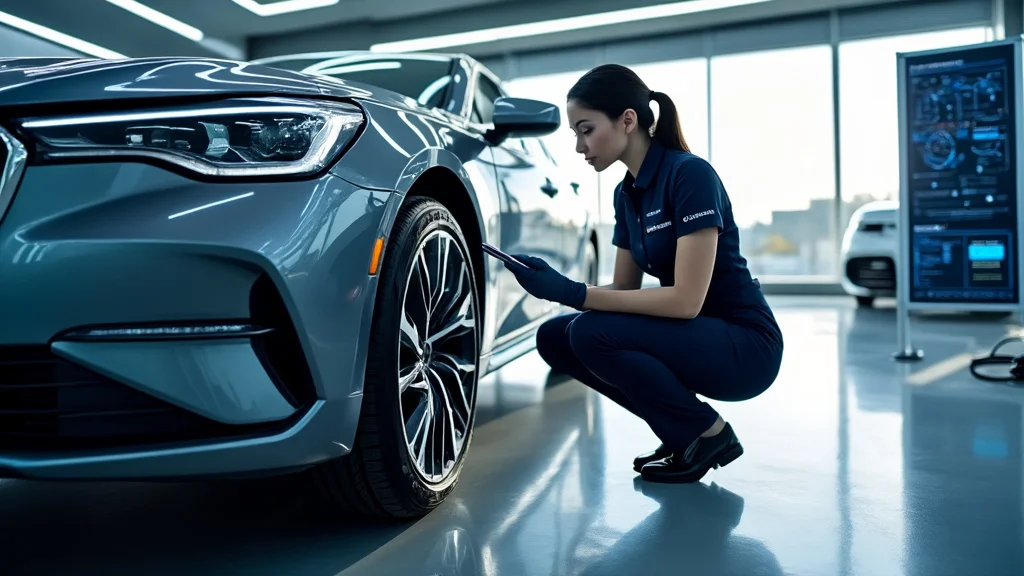
The technical inspection is a rigorous process that assesses various systems within the vehicle to identify any anomalies that could jeopardize safety or the environment. The points checked during the technical inspection are numerous and varied, ranging from the braking system to atmospheric pollution levels. At the end of the inspection, a technical inspection report is provided to the owner, along with a technical inspection sticker affixed to the vehicle. Should any failures be identified, a re-inspection may be required within a specified timeframe.
Inspection Points and Evaluation Criteria
The inspection encompasses several critical categories that ensure both road safety and environmental compliance of the vehicle. Here’s an overview of the main inspection points:
Documents Issued and Validity of the Inspection
Upon completion of the inspection, the owner receives a technical inspection report confirming the results. This document indicates the validity of the inspection and details any failures detected. A technical inspection sticker is also affixed to the vehicle, showing the expiration date. The validity period is generally two years, unless a major failure necessitates a prompt re-inspection.
Re-inspection and Penalties for Non-compliance
If anomalies are found, they are categorized as either major or critical failures. A major failure requires a re-inspection usually within two months, while a critical failure prohibits the vehicle from being driven until repairs are made. Failure to comply with these requirements may lead to penalties for technical inspections, including fines and risks of penalties during roadside checks.
- Minor failure: no immediate impact, but should be monitored.
- Major failure: mandatory re-inspection within the specified timeframe.
- Critical failure: prohibition of driving without prior repair.
- Non-compliance with deadlines: risk of fines and increased penalties.
Practical Aspects of Technical Inspections for New Vehicles

Organizing a technical inspection can be stressful, particularly for a new vehicle. Knowing how to choose a center, anticipate costs, understand the specifics related to engine types, and prepare the vehicle are key steps to avoid unpleasant surprises.
Choosing the Inspection Center and Owner's Freedom
Owners have complete freedom in selecting an approved technical inspection center. There are over 6,000 accredited centers across France, independent of dealerships or garages. This variety allows for service and price comparisons while scheduling a technical inspection appointment that fits their availability. It is advisable to select a center known for its reliability to avoid unpleasant surprises during the inspection.
Pricing and Factors Affecting Costs
The costs of technical inspections can vary significantly based on several factors. The type of vehicle, engine type, and location of the center all influence the technical inspection prices. Prices are not fixed, encouraging comparison for the best value.
Specifics Based on Engine Type
The technical inspection for electric vehicles includes unique considerations compared to traditional vehicles. Fully electric cars are exempt from the annual pollution inspection, thereby reducing both the duration and cost of the visit. For hybrid vehicles, the inspection covers both standard mechanical components and specific checks related to the engine type. All vehicles, however, must comply with current standards.
Tips for Effective Preparation for the Technical Inspection
To approach the inspection calmly, several practical tips can help avoid negative assessments and re-inspections.
- Do not present the vehicle too early to respect the official calendar and maximize validity.
- Ensure that automobile maintenance is up to date, including oil levels and tire conditions.
- Check the functionality of safety equipment before taking back the vehicle (brakes, lighting, seat belts).
- Conduct a quick visual inspection to identify any visible damage or anomalies.
- Book a technical inspection appointment at a trusted approved center.
Responsibilities and Stakes Related to Technical Inspections for New Vehicles
Understanding the responsibilities of a new vehicle owner is fundamental. The technical inspection is more than just an administrative formality; it is a crucial step for road safety and environmental protection. Ignoring deadlines or neglecting vehicle condition poses serious risks, both legally and financially.
Owner's Responsibility in Meeting Deadlines
Owners must be proactive in scheduling their technical inspection. No official notification is sent, so it is up to them to monitor the date related to the initial registration of the vehicle on the registration document. Failing to meet the technical inspection deadline engages their responsibility, especially in the event of an accident or roadside check. Vigilance in managing appointments helps avoid penalties and ensures vehicle compliance.
Impact on Road Safety and the Environment
The safety verification conducted during the technical inspection helps identify failures that could compromise driving safety. It contributes to reducing vehicle dangerousness by ensuring that the braking system, lighting, suspensions, and other components function correctly. Additionally, monitoring pollutant emissions aids in the fight against air pollution, particularly through adherence to pollution standards.
Legal and Financial Consequences of Non-compliance
Failing to conduct the inspection on time exposes the owner to penalties for technical inspections, which can include fines reaching several hundred euros. In the event of a roadside check, a non-compliant vehicle may be immobilized. Moreover, some insurance companies may refuse to cover claims if the technical inspection is not current, leading to significant financial repercussions.
FAQ
When should the first technical inspection for a new car be performed?
The first technical inspection of a new vehicle must be conducted within six months prior to the fourth anniversary of its registration. This date is indicated at point B of the registration document. Adhering to this deadline is crucial for ensuring the validity of the inspection and avoiding penalties for technical inspections.
Which vehicles are exempt from technical inspections?
Certain vehicle categories are eligible for exemptions. These include classic vehicles registered before 1960, motorcycles, caravans, and some diplomatic vehicles. These exemptions are defined by regulations and should be verified based on the type of vehicle.
Can the inspection center be chosen freely?
Yes, owners have the freedom to select their approved technical inspection center from over 6,000 centers in France. These centers operate independently of dealerships or garages, ensuring impartial inspections. This freedom also allows for comparison of technical inspection prices and services offered.