
Autonomous Vehicles Under Pressure to Enhance Emergency Response
The NHTSA urges autonomous vehicle developers to improve their emergency response capabilities amid rising concerns over interactions with emergency services.
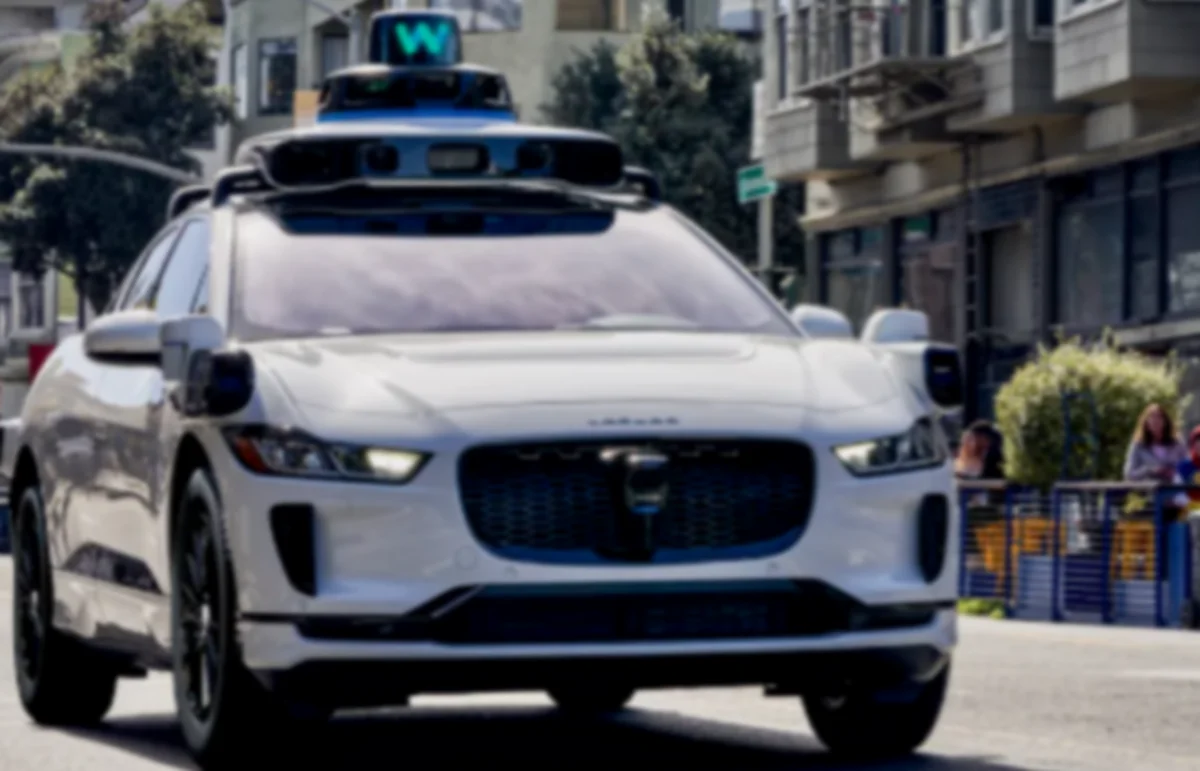
The National Highway Traffic Safety Administration (NHTSA) is urging companies developing autonomous vehicles to swiftly address issues related to their interactions with emergency vehicles. Jonathan Morrison, a representative from the NHTSA, has raised alarms about a "clear pattern" of problematic behaviors exhibited by self-driving cars during emergency situations involving law enforcement, firefighters, or ambulances.
In a letter directed at industry stakeholders, the NHTSA detailed several instances where autonomous vehicles entered active emergency zones or obstructed the movement of emergency services. The agency emphasized that autonomous driving systems must be capable of detecting and appropriately responding to complex environments where public safety is at risk.
The NHTSA has identified cases where certain autonomous vehicles blocked the paths of ambulances or fire trucks, or failed to adequately respond to critical signals indicating an emergency. These signals include flashing lights, flares, smoke, fires, and traffic cones.
For Morrison, the inability of an autonomous vehicle to recognize these situations and adjust its behavior represents a significant functional deficiency. The NHTSA asserts that a self-driving car must be able to interact safely with first responders before it can be widely deployed.
NHTSA Seeks Responses from Autonomous Developers
In light of these concerns, the NHTSA plans to hold meetings with companies involved in autonomous vehicle technology by the end of the month. The aim is to gather technical proposals and identify solutions that will enhance emergency situation management.
The agency has called on developers and operators of autonomous systems to focus their efforts on this critical issue. In its correspondence, the NHTSA reminded the industry that an autonomous vehicle that cannot communicate effectively with emergency services poses a risk to the public.
However, the NHTSA has not disclosed specific incidents that prompted this initiative, nor has it named the companies that received the letter.
Currently, autonomous vehicles rely on a combination of sensors, cameras, artificial intelligence software, and location technologies to analyze their surroundings. The challenge lies in their ability to understand unusual situations, such as emergency interventions or areas temporarily altered by law enforcement.
Manufacturers and companies specializing in autonomous driving must demonstrate that their systems can handle not only normal traffic conditions but also unexpected events that require rapid behavioral adjustments.
As several companies continue to develop commercial services using self-driving vehicles, the reliability of advanced driver assistance systems and autonomous driving remains a central factor for the acceptance of these new mobility solutions.
Incidents Involving Autonomous Vehicles Reported in Texas
The NHTSA's concerns come amid reports of several incidents involving autonomous vehicles in the United States. Local media in Texas recently noted that a Waymo autonomous vehicle partially obstructed a road used by fire trucks responding to a fire in Dallas at the end of May.
Waymo did not immediately respond to requests for comments regarding these reports. Other videos have also surfaced showing the company’s vehicles blocking an ambulance or crossing an active police intervention scene.
These situations fuel the ongoing debate about the ability of autonomous vehicles to prioritize emergency interventions. In a complex urban environment, vehicles must quickly identify unusual signals and yield to the relevant services.
American authorities are closely monitoring these developments. Both the NHTSA and the National Transportation Safety Board (NTSB) are currently investigating several separate incidents involving Waymo's autonomous vehicles.
One investigation concerns autonomous vehicles that allegedly passed stopped school buses with their lights activated, which would violate Texas regulations.
Another case involves an incident that occurred on January 23 in Santa Monica, California, where a Waymo autonomous car struck a nine-year-old girl in a school zone as she ran across the street behind a double-parked SUV near the school.
Safety Becomes a Major Concern for Autonomous Driving
The NHTSA's requests illustrate the challenges the automotive industry faces in developing autonomous vehicles. Beyond the ability to follow a trajectory or adhere to standard traffic rules, these systems must also interpret exceptional situations.
Interactions with firefighters, ambulances, and law enforcement present a unique case, as they require a rapid understanding of sometimes unusual elements on the road. Autonomous vehicles must be able to recognize temporary signals and adjust their behavior to avoid hindering emergency operations.
For companies in the sector, enhancing these capabilities is both a technical and regulatory challenge. Public trust in autonomous driving largely hinges on the vehicles' ability to operate safely in varied environments.
The NHTSA aims to encourage market players to strengthen their technologies before a broader rollout of autonomous services. Upcoming discussions between the agency and developers will assess the measures being considered to address these concerns.
As autonomous vehicles continue to evolve in the United States, managing emergency situations emerges as a critical factor for their future development. The performance of these technologies must now be evaluated not only in everyday travel but also in unforeseen scenarios where collective safety is at stake.
Our Opinion
The NHTSA's demand highlights a significant challenge for autonomous vehicles: managing exceptional situations. Systems must master not only regular driving but also comprehend emergency service interventions. Ongoing investigations indicate that safety remains a central focus in the development of this technology. Future improvements will depend on companies' abilities to enhance detection and reaction to unexpected events.
Crédit illustration : Waymo.