BMW Accelerates Restructuring Amidst Profit Decline
BMW initiates a major restructuring following a 35% profit drop, amid a downturn in China and rising competition.
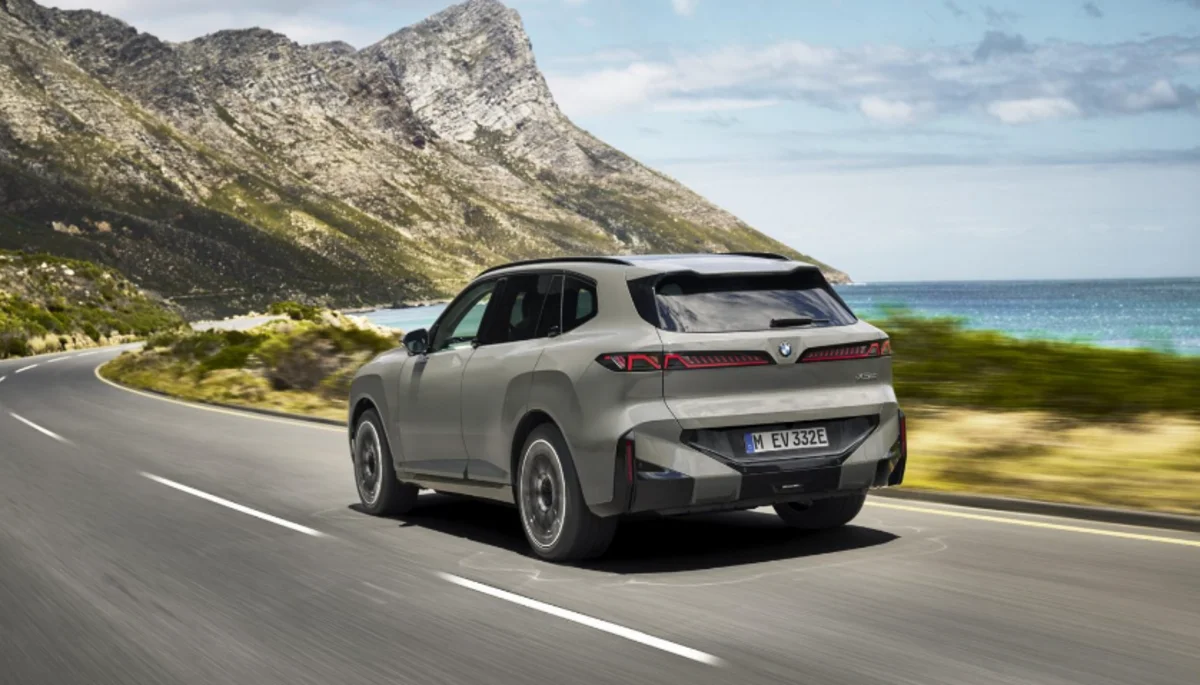
BMW is undergoing a significant restructuring in response to a 35% drop in its profits, driven by a slowdown in the Chinese market and increasing competition.
BMW is currently navigating turbulent times. The German automaker has announced plans to reevaluate operational methods that were previously deemed "untouchable," following a steep decline in financial results for the second quarter. This decision comes against the backdrop of a slowing automotive market in China, geopolitical tensions in the Middle East, and intensifying international competition, particularly in the electric vehicle sector.
The premium brand, known for its sedans, SUVs, and sports models, reported a 35% decrease in pre-tax profit for the second quarter, amounting to €1.7 billion. Meanwhile, the operating margin in its automotive division fell to 2.3%, down from 5.4% the previous year. Although this performance slightly exceeded analyst expectations, it highlights the challenges facing the entire German automotive industry.
Milan Nedeljkovic, BMW's new CEO, expressed disappointment regarding these results, labeling them as "unsatisfactory." This sentiment reflects a broader trend among major German automakers grappling with a much more complex economic environment.
Comprehensive Organizational Review
In light of declining performance, BMW plans to reassess its internal operations to enhance competitiveness. The company will examine historical processes and structures that have been considered sacrosanct until now.
While details remain sparse, Nedeljkovic indicated that this review would encompass all areas of the company. Sales, procurement, production, and the development of future models will be reorganized to improve industrial efficiency and profitability.
Additionally, the automaker intends to streamline its vehicle lineup. BMW aims to reduce certain model variants based on market demands, recognizing that the development of electric vehicles is not uniform across different regions. In China, electric vehicle adoption is surging, while in the United States, combustion-engine models remain particularly popular.
According to sources, BMW may also eliminate 8,000 jobs through a voluntary departure program, although the CEO did not confirm this figure during the financial results presentation.
Concerns Over the Chinese Market
The Chinese market remains a primary concern for BMW. In the second quarter, the company's global sales fell by approximately 5%, largely due to a 30% decline in deliveries in China.
This downturn comes as the world's largest automotive market rapidly evolves, driven by local manufacturers specializing in electric vehicles. Industry observers suggest that BMW's next generation of electric models may arrive too late to regain a strong foothold in an increasingly competitive landscape.
Chinese automakers are quickly advancing their technologies, mastering battery production, and maintaining competitive manufacturing costs. This dynamic adds pressure on European manufacturers who must simultaneously pursue their electric transition, safeguard profit margins, and invest in new embedded technologies.
BMW acknowledges that challenges in China will continue to impact its performance. However, Nedeljkovic believes that the influence of Chinese manufacturers on the company's European sales is not yet reflected in current figures. The automaker asserts its commitment to maintaining an attractive offering to remain competitive against growing competition.
Pressure on the German Automotive Industry
The difficulties faced by BMW are not isolated; the entire German automotive sector is undergoing profound transformation.
Persistent weak demand in certain markets, regulatory changes, the shift towards electric vehicles, and the repercussions of geopolitical tensions are fundamentally altering the operational landscape for major manufacturers.
BMW specifically cites declining consumer confidence linked to the conflict in the Middle East as a factor affecting its results. The company also emphasizes that regional regulatory requirements, combined with escalating global competition, will reshape its business model in the years to come.
Despite the challenging environment, the automaker maintains its annual forecasts. BMW is still targeting an operating margin of between 1% and 3% for its automotive segment. This affirmation follows a profit warning issued in June, which had already initiated discussions with employee representatives regarding cost-reduction measures.
The current goal is to make the group more agile and competitive, capable of adapting to significant disparities in global automotive markets. This strategy will involve revising its model portfolio, optimizing industrial processes, and more precisely tailoring its offerings to consumer preferences across different regions.
Conclusion
The results released by BMW underscore the challenges faced by European premium automakers in a rapidly evolving automotive market. The sharp decline in sales in China appears to be the primary driver behind the group's profitability downturn. The intention to reassess historical practices and streamline the vehicle lineup confirms that BMW is preparing for a structural transformation. Nevertheless, the affirmation of annual objectives indicates that the automaker intends to continue its adaptation while maintaining its strategic trajectory.