BMW Expands Lead Over Mercedes in the U.S. Market
BMW solidifies its lead over Mercedes in the U.S. in the first half of 2026 with increased sales and a diverse lineup.
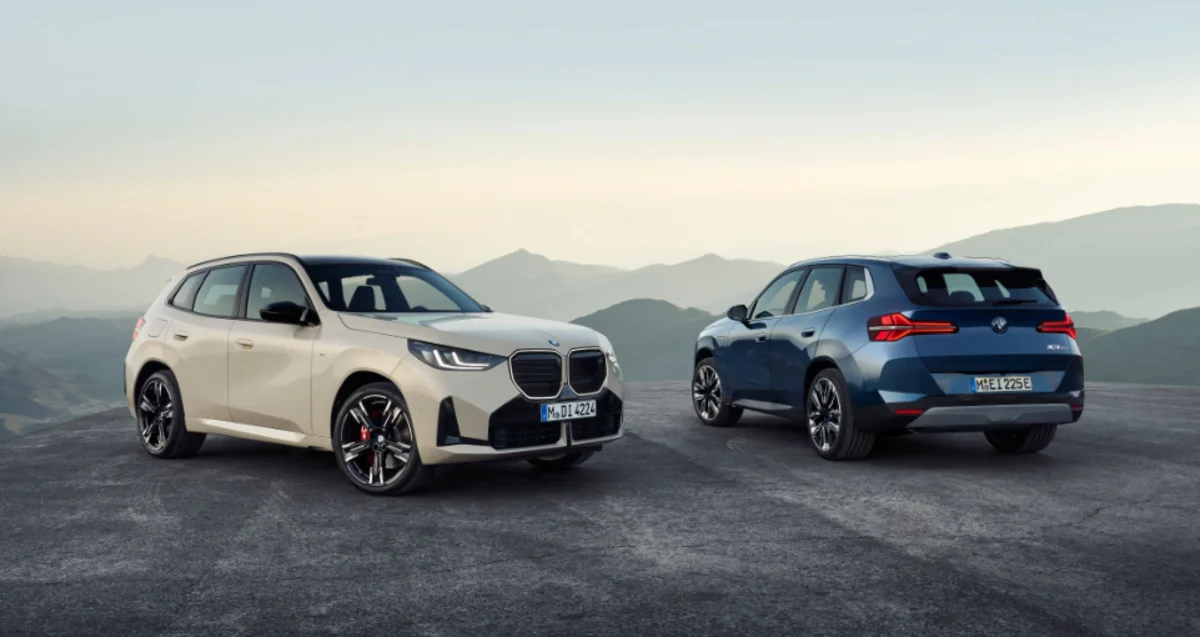
In the first half of 2026, BMW has solidified its position as the leader in the premium automotive segment in the United States, showcasing an increase in sales and a diverse vehicle lineup that has widened the gap between it and its historical rival, Mercedes-Benz. Recent figures reveal a favorable trend for the Munich-based brand, which is benefiting from a multi-energy strategy while Mercedes faces challenges amid several transitions in its catalog.
According to the latest data, BMW delivered 186,944 vehicles under its main brand in the U.S. from January to June 2026, marking a 4.7% increase compared to the same period last year. In contrast, Mercedes-Benz USA reported 145,000 deliveries of passenger cars, reflecting a 3.5% decline year-over-year. Including utility vehicles, Stuttgart's manufacturer totaled 160,700 units, still falling short of BMW's performance in this crucial market.
These results highlight a trend observed in recent years: BMW maintains its commercial leadership in the U.S. premium vehicle market, while Mercedes-Benz navigates a less favorable environment.
BMW's Diverse Lineup Fuels Growth
The second quarter of 2026 further bolstered BMW's positive trajectory. During this period alone, the automaker delivered 102,713 vehicles to American customers, achieving a remarkable 13% increase compared to the same timeframe last year.
One of the key takeaways from this commercial performance is the variety of powertrains offered by BMW. The brand employs a "multi-energy" strategy that includes combustion engine vehicles, hybrids, and electric cars, which has allowed it to mitigate the impact of market fluctuations by distributing sales across multiple technologies.
Interestingly, despite the current SUV trend, the BMW 3 Series emerged as the brand's best-selling model in both the first half and the second quarter, totaling 18,731 registrations—a significant 32.3% increase over the first half of 2025.
Other models also saw positive growth. The BMW Z4 roadster's sales rose to 1,577 units compared to 1,067 a year earlier, although its overall volume remains modest. Among SUVs and crossovers, only the BMW X2 showed notable improvement, albeit with relatively limited sales figures.
These results enable BMW to sustain overall growth, even amidst specific challenges faced by certain models.
Mercedes-Benz Faces a Transition Period
In contrast, Mercedes-Benz experienced a more challenging first half of the year. Sales of passenger cars decreased by 3.5% during the first six months and by 3.7% in the second quarter.
However, some models performed well. The GLE SUV saw a nearly 30% increase, while the GLC rose by about 40%. The Maybach lineup also enjoyed a nearly 25% boost. Yet, these successes were insufficient to offset difficulties in other segments of the brand's offerings.
The report notes that sedans and electric vehicles faced less favorable market conditions, significantly impacting the overall results for the brand.
Several factors contribute to this situation. Mercedes-Benz is currently in a significant phase of renewing its lineup. The upcoming facelifts for many models are already known to the public, potentially leading some customers to postpone their purchases in anticipation of new versions.
Meanwhile, the automaker continues to launch several new models, including refreshed GLE and GLS variants, a new GLC featuring EQ technology, and an updated S-Class. The report also mentions insufficient availability of the new CLA within the distribution network.
Looking Ahead to the Second Half
Inventory shortages for certain strategic models are cited as a factor that may have limited Mercedes-Benz's sales during a traditionally strong period for new vehicle purchases. This situation has reportedly deprived dealers of competitive models, even as demand remained robust.
Conversely, BMW appears to have navigated this period more effectively, thanks to the diversity of its offerings. The only significant decline noted was in the sales of the electric BMW iX, which fell by 46.8% in the second quarter. However, this downturn was counterbalanced by strong performances from the automaker's combustion and hybrid vehicles.
The first-half figures indicate that BMW's strategy relies on a balanced portfolio capable of absorbing demand fluctuations across different segments and powertrains. Sedans, SUVs, roadsters, hybrids, and combustion engine models all contribute to maintaining high sales levels in the U.S. market.
On the other hand, Mercedes-Benz is adopting a more optimistic outlook for the latter half of 2026. The automaker believes that its commercial lag is primarily linked to a transitional period in its lineup renewal rather than a lasting weakness. Upcoming launches and the increased availability of new models will be crucial in determining Mercedes-Benz's ability to close the gap with BMW in the American market.
Conclusion
The first half of 2026 underscores BMW's lead over Mercedes-Benz in the U.S. market. The Bavarian manufacturer’s diverse range of vehicles and powertrains has enabled it to sustain growth despite the decline of the electric iX SUV. In contrast, Mercedes-Benz is navigating a transitional phase characterized by the renewal of several models and limited availability within its network. The coming months will be pivotal in assessing whether these challenges are indeed temporary.