
Car Insurance: Mistakes to Avoid for Proper Coverage
Insuring your car is mandatory. But understanding what you are really signing? That's a different story. Avoid common mistakes in car insurance.
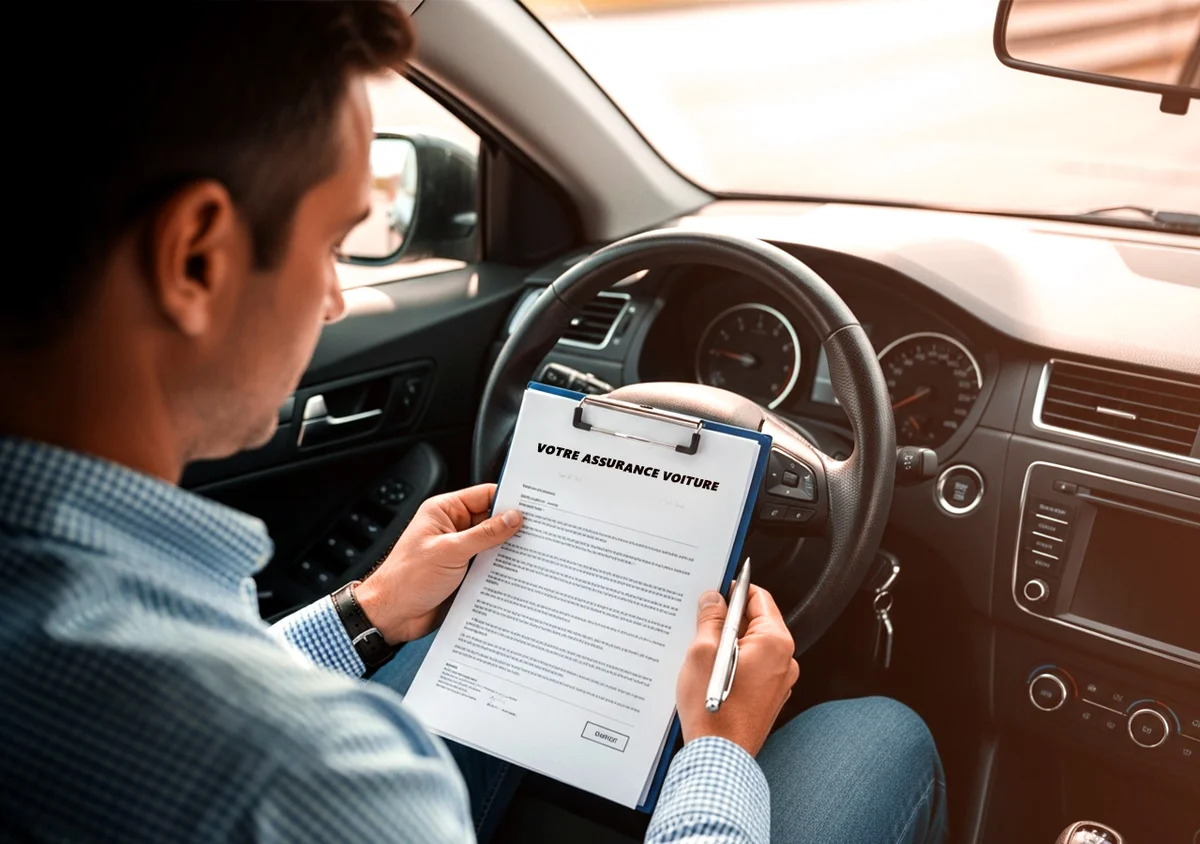
Insuring your car is mandatory. But understanding what you are really signing? That's a different story. Too many drivers discover the flaws in their contract at the worst moment: after an accident, when the insurer refuses to cover certain damages or applies an astronomical deductible. The result? An out-of-pocket expense that hurts the wallet and a lingering bitterness.
Understanding What Your Contract Covers (and Doesn’t)
The first mistake, and not the least: not knowing exactly what is covered. Many drivers think they are covered when they are not. Liability insurance is the legal minimum. It compensates for damages you cause to others, but it does not protect your own car. If you crash into a tree by yourself, you will get nothing.
Intermediate policies generally add coverage for theft, fire, and glass breakage. Useful, but insufficient if you are looking for complete protection. A comprehensive policy also covers damages to your vehicle, even when you are at fault. But beware, comprehensive does not mean "everything without exception".
You need to dig a little deeper: deductibles, compensation limits, and especially coverage exclusions. Driving after drinking, driving without a valid license, or severely neglecting the maintenance of your vehicle can void your coverage. Before choosing car insurance, take the time to check in black and white the situations that are actually covered.
Let’s take a concrete example. You think you are protected against vandalism because "it makes sense". Except that if you only have third-party coverage, intentional scratches on your bodywork will be at your expense. A careful reading of the general conditions would have avoided this disappointment.
Optimizing Your Contract Without Sacrificing Protection
Mastering the cost of your insurance without cutting corners on essentials is possible. You can adjust the deductibles according to what you are willing to bear in case of a mishap, remove options that are really useless to you, or review your coverage when you change vehicles or situations.
Remember to review your contract regularly. Your needs evolve over time. If your car is aging, you can lighten some coverage while keeping the essentials: liability insurance, defense-recourse, and driver’s guarantee. Also, keep an eye on your no-claims bonus, as each at-fault claim increases your premium.
Three simple rules to remember: review your contract once a year, adapt your coverage to life changes, and don’t just look at the price. Saving a few euros now can cost you dearly when you really need to be covered.
Conclusion
Avoiding common mistakes in car insurance is primarily a matter of common sense and vigilance. Four pillars to remember: understand precisely what is covered, adapt coverage to your actual situation, declare accurate information, and follow best practices in case of a claim.
Your insurance contract is not just an administrative obligation. It is a true financial safety net against the uncertainties of the road. So take the time to reread yours, note the gray areas to clarify with your insurer, and ensure that everything corresponds well to the actual use of your vehicle. By staying informed about the basics of car insurance, you will make better decisions throughout your driving life. And you will drive with peace of mind.