
Record Highs for Car Ownership Certificates in Singapore
In Singapore, the cost of car ownership certificates has surged to nearly $100,000, significantly impacting vehicle purchase costs.
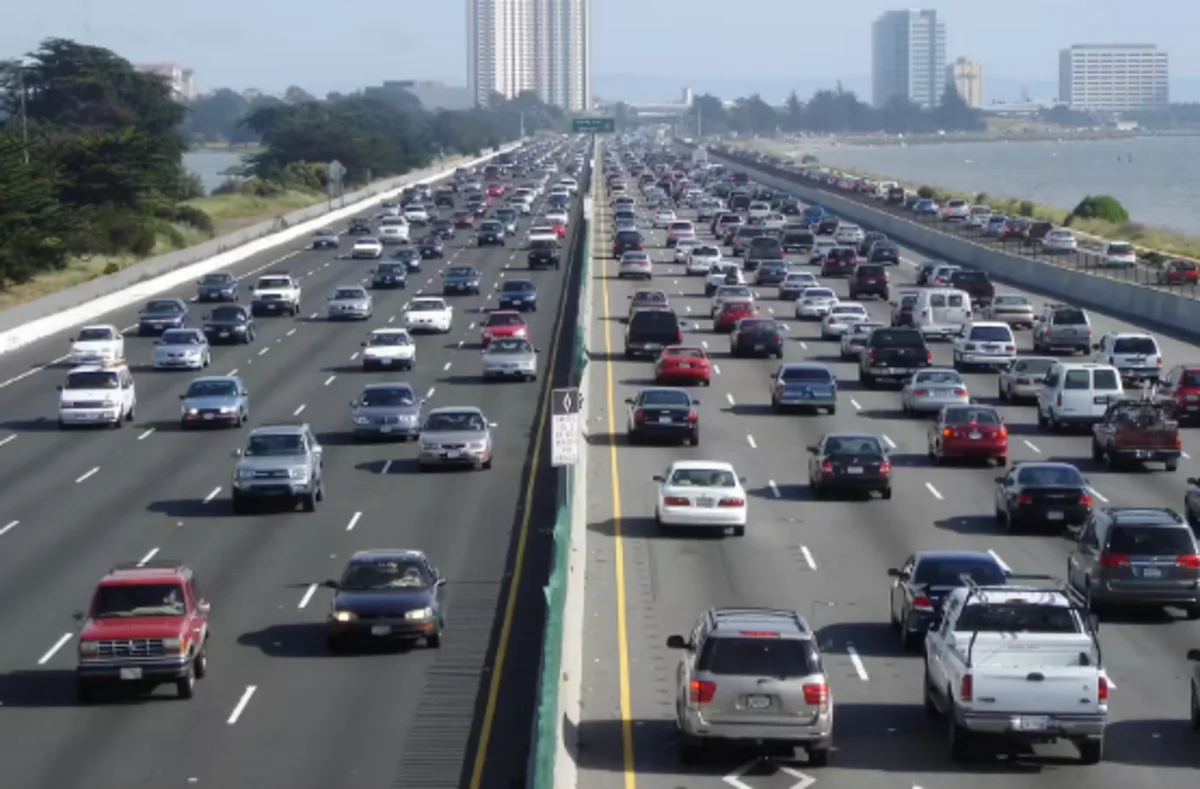
In Singapore, acquiring a car has reached unprecedented financial heights, with the cost of ownership certificates nearing $100,000. This surge significantly impacts the overall expenses associated with vehicle purchases.
The city-state employs a unique quota system aimed at regulating the number of vehicles on its roads, which continues to drive up the prices of these essential certificates required for vehicle registration. In the latest auction, the certificate for small cars hit a record close to $100,000, marking a new peak for this category.
This distinctive mechanism plays a vital role in Singapore's traffic management policy. Prospective car owners must secure a certificate granting them the right to own a vehicle for ten years before even selecting a model, whether it's a compact car, sedan, SUV, or electric vehicle. This regulation has a direct impact on the automotive market, influencing registrations, vehicle prices, and manufacturers' strategies.
Quota System Inflates Vehicle Purchase Costs
Regularly held auctions allocate a limited number of ownership certificates, a strategy designed to control the car population, which numbers around one million vehicles amidst a population of 6.1 million. Given Singapore's small land area, this policy is crucial; one can traverse the entire city-state in under an hour.
In this environment, each certificate is a highly coveted asset. During the most recent auction, the price for certificates for cars with engines under 1.6 liters reached nearly $100,000. Notably, this amount only grants the right to own a vehicle for ten years and does not include the vehicle's purchase price itself.
The current price escalation reflects a trend that has been developing over recent years. Certificates for small cars are now valued at approximately four times their pre-pandemic prices. Despite these soaring costs, no decrease appears on the horizon. For buyers, the automotive budget now encompasses the certificate, taxes, registration fees, and the price of either new or used vehicles.
This scenario positions Singapore as the most expensive city globally for car ownership, with overall vehicle costs far exceeding those found in most other international automotive markets.
Electric Vehicles Shape Demand
In May, Transport Minister Jeffrey Siow addressed Parliament regarding the persistent price increases, attributing them to several factors. He noted that demand remains robust, partly due to competitive pricing on certain electric vehicles.
Simultaneously, the availability of certificates for small cars has diminished during auctions. This combination of limited supply and high demand continues to push prices upward.
The rise of electric mobility is gradually altering the dynamics of Singapore's automotive market. Buyers interested in electric cars, compacts, or traditional models find themselves competing for a finite number of certificates, further intensifying auction pressures.
As a result, the ownership certificate has become a crucial component of the total vehicle acquisition cost, on par with factors like engine type, features, and local taxes. Buyers must now factor in this significant expense before comparing different car brands or types.
Manufacturers Adjust to Local Market
The implications of the quota system extend beyond consumers, affecting manufacturers as they adapt their strategies to remain competitive in Singapore's market.
Reports indicate that many automakers are reducing the engine size of popular models to qualify for the certificate designated for vehicles under 1.6 liters. This technical adjustment underscores the direct influence of regulations on the development of locally marketed vehicles.
Despite these changes, the total costs remain extremely high. For instance, the price of a Toyota Corolla in Singapore, which includes the ownership certificate, registration fees, and various taxes, amounts to SGD 179,888 (approximately USD 139,000). The cost of the certificate alone now matches the purchase price of four Toyota Corollas in the United States.
This stark comparison highlights the significant disparity between Singapore and other global automotive markets, where administrative costs can far exceed the intrinsic value of the vehicle itself.
Economic data also sheds light on the financial burden faced by households. The median annual income for families in the city-state is SGD 149,352, while a government-subsidized apartment costs just over SGD 139,000. This means that the price of a new compact car equipped with its ownership certificate is nearing the cost of subsidized housing.
Recent trends confirm the acceleration of this phenomenon. As of October 2023, while certificates for larger vehicle categories surpassed SGD 100,000, those for smaller models were still around SGD 77,500. Since the first auction of this year, where they reached SGD 78,844, their value has steadily climbed to the new record.
Thus, the Singaporean automotive market remains a unique case, where public policy aimed at traffic limitation directly influences vehicle pricing, consumer choices, manufacturers' strategies, and the overall composition of the vehicle fleet.