Vacation Departure: Top 10 Points to Check on Your Car Before Hit the Road
Full trunk, back seat packed, GPS set for 700 kilometers. Before turning the key, an hour of checks can prevent most of the hassles that plague a departure: flat tire on the A7, engine light on in the mountains, dead battery at the rest area. This checklist compiles the car checks before vacation that really make the difference between a smooth trip and a stay that starts at the mechanic's.
Full trunk, back seat packed, GPS set for 700 kilometers. Before turning the key, an hour of checks can prevent most of the hassles that plague a departure: flat tire on the A7, engine light on in the mountains, dead battery at the rest area. This checklist compiles the car checks before vacation that really make the difference between a smooth trip and a stay that starts at the mechanic's. None are complicated, none require special tools, and most can be done in the driveway. Here are the 10 points to review, in order.
In a few words
- When to do it: 7 to 10 days before departure, to have time to react if a problem is detected.
- Total duration: 60 to 90 minutes, spread over 2 or 3 days.
- Mechanical checks: tires, fluid levels, brakes, lighting, battery.
- Administrative checks: driver's license, vehicle registration, insurance certificate, and guarantees suitable for the trip.
- Comfort and safety: air conditioning, wipers, balanced loading, mandatory equipment on board.
- Benefit: more than half of summer breakdowns could have been anticipated by a simple prior check.
Why Check Your Car Before Vacation
On long summer trips, the car runs longer, is more loaded, and often in high heat. Three factors that amplify any mechanical weakness. Insufficient tire pressure, low oil level, or a battery nearing the end of its life may go unnoticed in urban use but can fail on the highway. The idea is not to perform the maintenance yourself, but to detect signals that require a visit to the mechanic before the big departure, ideally one to two weeks in advance to have time to react.
1. Tires, the First Safety Factor
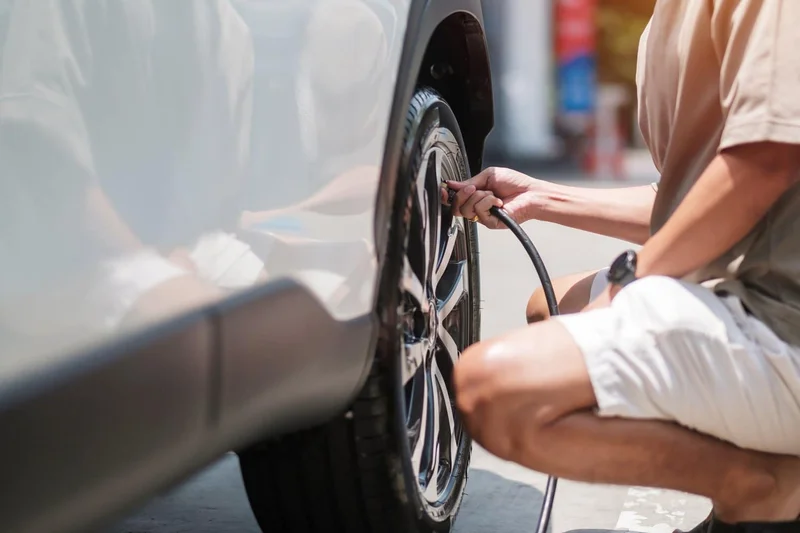
They are the only point of contact between the car and the road. Check the cold pressure following the value indicated on the driver's door label or fuel flap, inflating a bit more if the car is heavily loaded. Inspect for wear: tread depth should exceed 1.6 mm, but below 3 mm, braking on wet surfaces significantly deteriorates. Also inspect the sidewalls (bulges, cuts) and don’t forget the spare tire or puncture repair kit. Good vacation tires also mean 5% less fuel consumption on the trip.
2. Fluid Levels Under the Hood
Five fluids to review, with the engine cold and the car on level ground: engine oil, coolant, brake fluid, windshield washer fluid, and, on some models, AdBlue additive. If any are low, top up with the correct product (the mention is in the manual). An oil level below minimum on a long trip at high temperature is a classic scenario for engine failure. Take the opportunity to observe the color of the oil: black and liquid means it’s time for a pre-departure service.
3. The Braking System
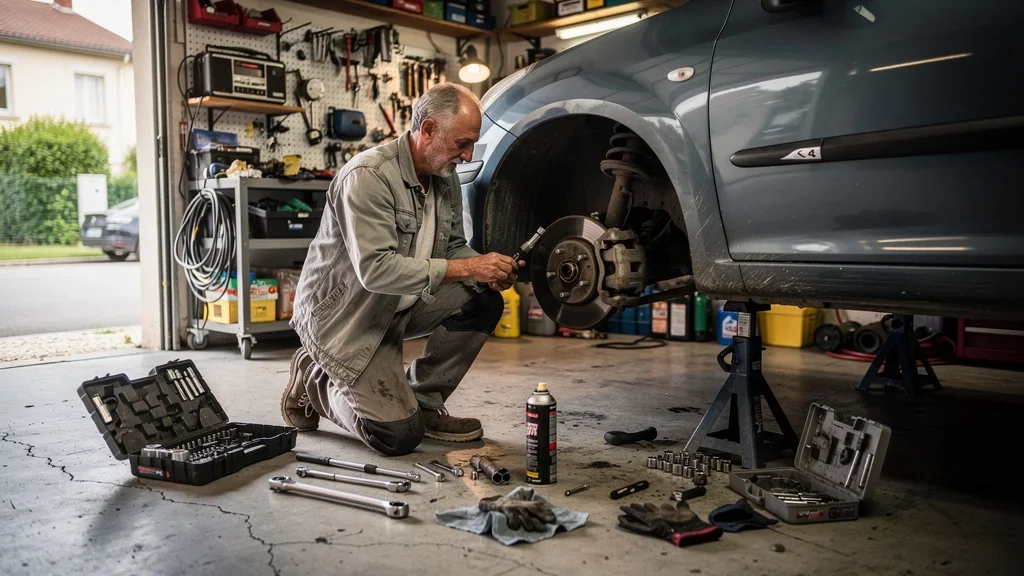
While driving, listen. A metallic squeal when braking signals worn brake pads. A pedal that sinks more than usual or a vibrating steering wheel at a stop indicates warped discs. On a fully loaded downhill, tired brakes can quickly become concerning. If in doubt, a quick visit to the garage takes thirty minutes and costs the price of a brake pad rather than a disc.
4. Lighting and Signaling
The test is done with two people in five minutes, in the driveway. Low beams, high beams, position lights, front and rear turn signals, brake lights, reverse light, illuminated license plate. A burnt-out bulb turns a routine check into a fine and affects the car's visibility on the highway at night. Slip a spare bulb kit into the glove compartment; it’s mandatory in some neighboring countries.
5. The Battery and Starting
Batteries often fail on cold starts but also in extreme heat. If the car has been driven little in the previous weeks or if you hear the starter struggling, have the battery tested at an auto center (free test, 10 minutes). A battery over 4 years old showing signs of weakness won’t hold up for a vacation departure with air conditioning, GPS, and chargers constantly plugged in.
6. Car Insurance and Mandatory Documents
This step is often relegated to the day before departure, but it deserves a proper check. Vehicle registration, valid driver's license, insurance certificate, and green card must be on board and accessible. Before packing the bags, ensure your car insurance is well-suited for your vacation: covered countries, limits for theft of personal belongings in the car, roadside assistance conditions, and coverage for an occasional secondary driver for long trips.
For example, with MAAF, the auto policy can include roadside assistance from home (useful if the breakdown occurs before even starting to drive) and coverage for luggage transported in the vehicle. If your current contract does not cover roadside assistance more than 50 km or excludes theft of personal belongings, now is the right time to take out car insurance tailored to your needs before the big departure. A few days are enough to activate a new policy.
7. Air Conditioning and Cabin
An air conditioning system blowing warm air likely indicates a lack of refrigerant (to recharge) or a saturated cabin filter (to replace, 20 euros and 10 minutes). On an 8-hour trip with two children in the back, this isn’t just a comfort detail; it’s a matter of vigilance while driving. Also, remember to dust the vents and vacuum the cabin: the car will be filled with luggage for a week, so it’s best to start clean.
8. Wipers and Visibility
Wiper blades dry out in summer and fail at the first summer storm on the highway. If they leave streaks or squeak, replace them before departure (15 to 30 euros per pair). Also check the windshield: an untreated stone chip can turn into a full-width crack as soon as it gets hot. For windshield washer fluid, fill up with a degreasing product to handle squashed insects.
9. Loading and Trunk Distribution
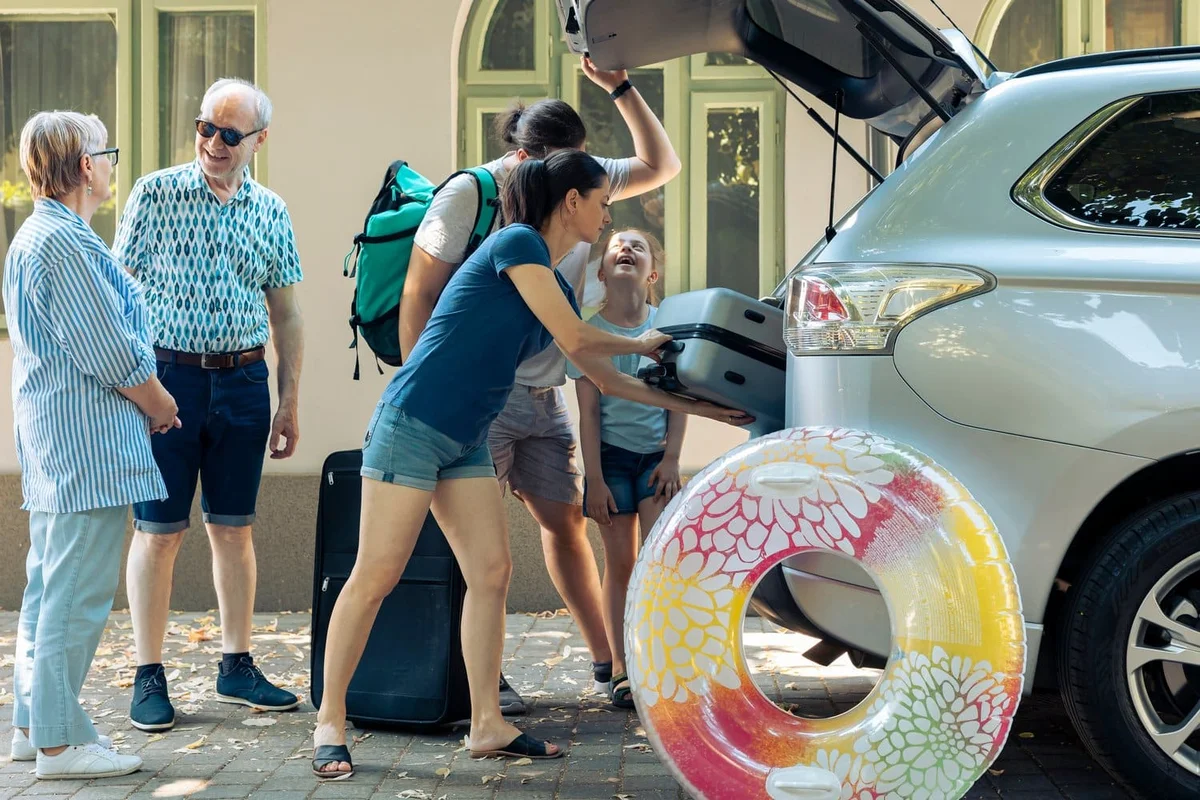
The trunk loading directly affects the car's behavior. Place heavy items (suitcases, cooler) as low and as far forward as possible against the back seat. Lighter items go on top. Everything must be strapped or secured: a loose bag becomes a projectile in case of emergency braking. Monitor the maximum authorized weight (PTAC, on the registration card) and inflate the tires accordingly if the car is full. Poorly distributed trunk loading also leads to increased fuel consumption and degraded handling in turns.
10. Safety Kit and Mandatory Equipment
A compliant yellow vest accessible from the cabin (not in the trunk), warning triangle, spare bulb kit, and an unexpired breathalyzer. For European destinations, add a European accident report form, a first aid kit, and, depending on the countries crossed, a parking disc, chains, or a puncture repair kit. The list varies from state to state; a quick look at your destination's requirements avoids fines at the border.
One Hour for a Worry-Free Departure
These car checks before vacation take an average of 60 to 90 minutes, ideally spread over two or three days to identify what needs a visit to the garage. The return on investment is immediate: less stress before departure, fewer risks on the road, and almost guaranteed arrival at your destination without mechanical surprises. Of the breakdowns observed in July-August, more than half could have been anticipated by a simple visual check at home. The ideal timing: 7 to 10 days before departure.
Frequently Asked Questions
How long before a departure should I check my car?
Seven to ten days, ideally. This timeframe allows time to make an appointment with the mechanic if a point requires intervention (pads, battery, tires to replace), without facing the rush of other drivers who wait until the day before departure.
Should I have a complete service before vacation?
Not necessarily. The service follows the vehicle's maintenance schedule, based on mileage or date. If the next deadline falls shortly after returning from vacation, it may be wise to postpone it before departure for peace of mind. Otherwise, a visual check at home is sufficient in most cases.
How can I tell if my tires will last for a long trip?
Three criteria: tread depth greater than 3 mm to maintain margin on wet surfaces, absence of bulges or cracks on the sidewalls, cold pressure compliant with the manufacturer's label (to increase in case of maximum loading). If any of the three criteria raises doubt, head to the garage.
Does car insurance automatically cover trips abroad?
It depends on the contract. Most policies cover the countries mentioned on the green card, but with limits and assistance conditions that vary widely. Before leaving, it’s better to reread the covered countries, the effective guarantees abroad, and any increased deductibles.
What equipment is mandatory in the car in France?
A high-visibility vest accessible from the cabin and a warning triangle, under penalty of a fine. The spare bulb kit is not mandatory in France but is in several neighboring countries (Spain, Czech Republic, etc.). The breathalyzer is no longer penalized by a fine but remains recommended.