Jaguar Type E: An Enduring Icon of Design, Performance, and Modernity
The Jaguar Type E is an automotive icon that has fascinated enthusiasts since its debut at the Geneva Motor Show in 1961. A true revolution in automotive history, this British sports car captivates with its iconic design and high performance.
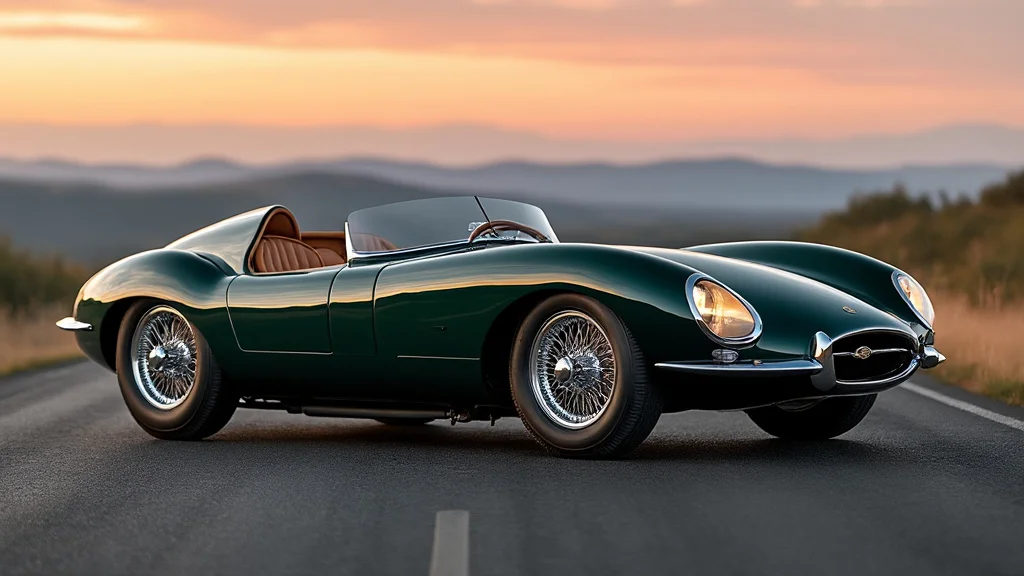
The Jaguar Type E has captivated automotive enthusiasts since its debut at the Geneva Motor Show in 1961. This British sports car marked a revolutionary moment in automotive history, winning over fans with its iconic design by Malcolm Sayer and its high performance. Blending elegance with technical innovation, the Type E stands as a symbol of the 1960s and continues to shine in the realms of luxury vehicles and classic car collections. This guide explores its rich legacy, model evolutions, and the modern transformation with the Jaguar E-Type Zero.
History and Legacy of the Jaguar Type E
The journey of the Jaguar Type E is a fascinating one, rooted in the legacy of the legendary Type D racing car. This generation of sports cars marked a turning point in automotive design, merging aesthetics with technical innovation. Produced from 1961 to 1975, the Type E was manufactured in significant numbers, making it accessible while maintaining a prestigious image. Its impact on competition and automotive culture in the 1960s continues to inspire enthusiasts and collectors today.
- Inspired by the victorious Type D racing car
- Produced from 1961 to 1975 with several major series
- Model evolution to meet international standards
- Commercial success due to competitive pricing against Ferrari
- Jaguar's reputation bolstered by competition victories
Genesis and Initial Design
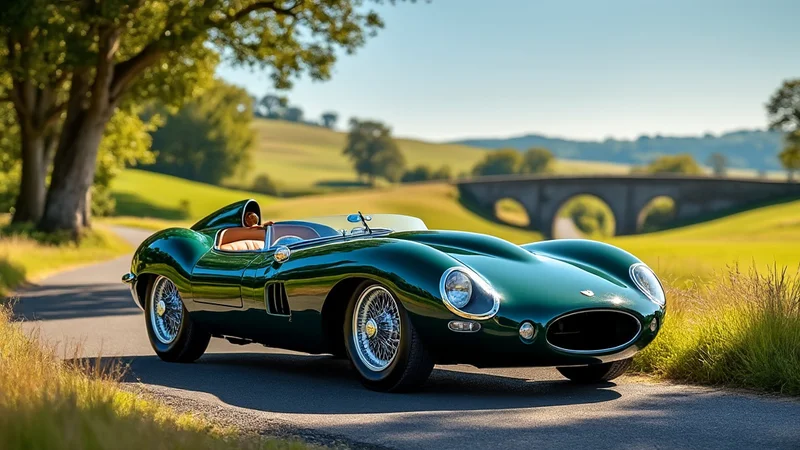
The creation of the Jaguar Type E was a visionary collaboration between Sir William Lyons and designer Malcolm Sayer. Drawing inspiration from aircraft aerodynamics, Sayer crafted a sleek profile featuring an elongated hood and a lightweight monocoque aluminum body that revolutionized automotive design. This project utilized the mechanical framework of the XK engine, already proven in the Jaguar XK120 and XK150, while integrating a six-cylinder inline engine with dual overhead camshafts for exceptional sports performance.
Evolution from Series 1 to 3
The evolution of the Type E models unfolded over several series, each bringing technical and aesthetic enhancements. The Series 1, launched in 1961, featured a 3.8-liter six-cylinder engine and disc brakes on all wheels. The Series 1.5 introduced minor modifications, including updates to the independent suspension and color palette. The Series 2 brought a new dashboard and safety improvements, while the Series 3 marked a significant shift with the introduction of the V12 engine, a powerful unit paired with a new five-speed manual transmission.
Usage and Owner Profile
The Jaguar Type E has attracted a diverse clientele, appealing to both sports performance enthusiasts and those who appreciate practical elegance. The coupe version catered to drivers seeking a pure sports car experience, while the 2+2 version offered a more family-friendly configuration with four seats, ideal for daily use. Today, it draws interest from collectors and automotive restoration enthusiasts alike.
- Sports car aficionados seeking high performance
- Luxury car enthusiasts valuing automotive design
- Collectors of classic cars and historical models
- Clients looking for a lifestyle associated with the Type E
- Owners desiring a car that is both sporty and practical (2+2)
Design and Technical Innovations of the Type E
The design of the Jaguar Type E remains a paragon, where every line is crafted to blend aesthetics with aerodynamics. The vehicle's technical innovations rely on a robust tubular chassis and an independent suspension system, ensuring exceptional handling. This synergy of form and function has left a lasting mark on the automotive industry and inspired many designers.
Aesthetic and Iconic Lines
The iconic design of the Type E is characterized by an elongated and streamlined hood, bubble-covered headlights that enhance its sporty appearance, and a fluid, lightweight monocoque body. This unique silhouette, a product of Malcolm Sayer's vision, has redefined the automotive design standards of the 1960s. Its visual impact is such that it is often regarded as the most beautiful sports car ever produced, influencing contemporary automotive design.
Engine and Chassis Performance
Beneath the hood, the Type E boasts an XK six-cylinder inline engine equipped with dual overhead camshafts and high-performance carburetors, producing between 265 and 272 horsepower depending on the version. This engine allows the car to reach a top speed of nearly 240 km/h, a remarkable feat for a sports car of its era. The tubular chassis, combined with an independent suspension system and disc brakes on all four wheels, ensures excellent handling and braking, contributing to the model's exceptional sports performance.
Technical Adaptations for Markets
To comply with stringent regulations in American and European markets, the Type E underwent several technical modifications. Notably, the Series 3 incorporated a more powerful V12 engine that met these requirements. Enhancements included reinforced brakes, optimized suspension, and body adaptations to align with safety regulations. These adjustments allowed Jaguar to uphold its brand reputation while ensuring a modern and safe driving experience.
Transitioning to Modernity: Electric Powertrain
The Jaguar Type E continues to surprise by embracing the future through the electric conversion of the Type E, known as the Jaguar E-Type Zero. This transformation merges the classic charm of the car with modern, sustainable, and high-performance electric technology. It symbolizes a bridge between a prestigious heritage and technical innovation aimed at environmental preservation. This project addresses the growing demand for restored classic cars equipped with clean technologies.
Introduction of the E-Type Zero
The Jaguar E-Type Zero is a complete conversion of the classic car into an electric vehicle. It retains the original body while integrating a powerful electric motor, lithium-ion batteries, and an innovative energy management system. This version offers a comfortable range and modern performance, with quicker acceleration than the thermal version. Its silent operation and zero emissions make it an ideal vehicle for enthusiasts looking to combine modern performance with environmental responsibility 🌿⚡.
Impact on Image and Market
This electric transformation has significantly refreshed the image of the Type E, making it appealing to a broader audience sensitive to ecological concerns and cutting-edge technology, particularly those seeking an affordable new vehicle. The Jaguar E-Type Zero enhances the Jaguar Cars brand by merging tradition with innovation, while also responding to the increasing demand for luxury cars with a low environmental impact. It revitalizes the classic car market by offering a sustainable alternative that preserves the brand's reputation and the lifestyle associated with the Type E.
Comparison Between Classic and Electric Powertrains
Cultural and Commercial Valorization of the Jaguar Type E
The Jaguar Type E transcends being just a car; it is a cultural artifact from the 1960s, a symbol of elegance and innovation. Its presence in museums and prestigious collections attests to its iconic status. Furthermore, the brand has capitalized on this success by creating exclusive merchandise in the luxury sector while addressing enthusiasts' needs through transparent discussions on automotive restoration and maintenance.
The Type E in Culture and Collections
The Type E's fame extends beyond the automotive realm. Enzo Ferrari famously referred to it as the most beautiful sports car, and it is showcased in automotive art and history museums worldwide. Its iconic design and rich history of competition victories have made it a genuine work of art and a collector's item. Enthusiasts regard it as a centerpiece in their classic car collections and a living testament to Jaguar's glorious past.
Luxury Merchandise and Collaborations
The mythos of the Type E stretches into the luxury domain with creations inspired by the vehicle's design and aesthetics, including exclusive watch collections. These merchandise offerings enhance the brand's heritage value and appeal to a high-end clientele sensitive to craftsmanship and style. This diversification reflects the Type E's impact across various sectors, where automotive design intersects with manufacturing excellence.
Commercial Aspects and Maintenance of Vintage Vehicles
The sale and restoration of Jaguar Type E vehicles require specialized expertise. The commercial narrative emphasizes mechanical condition, reliability, and the quality of parts replaced during the rehabilitation of classic cars. Owners and buyers pay close attention to regular maintenance of the XK engine, suspension system, disc brakes, and monocoque body to preserve the sports performance and iconic design of their vehicles.
Influence of the Jaguar Type E on Contemporary Automotive Design
The Type E's influence on the automotive industry remains evident today. Its advanced aerodynamics and fluid lines have inspired numerous manufacturers and designers, particularly in the sports and luxury car segments. The tubular chassis and innovations in independent suspension continue to shape the design of modern models, establishing the Type E as a timeless reference in the world of automotive design.
FAQ
What is the power of the Jaguar Type E engine?
The Jaguar Type E features a six-cylinder inline engine, known as the XK engine, producing between 265 and 272 horsepower depending on the version. This powertrain allowed the car to achieve high performance, including a top speed approaching 240 km/h, which was remarkable for a sports car produced in the 1960s.
What are the differences between the Series 1, 1.5, 2, and 3?
The various series of the Jaguar Type E are distinguished by their technical and aesthetic evolutions. The Series 1 introduced the six-cylinder engine and monocoque body, while the Series 1.5 made adjustments to the suspension and color palette. The Series 2 modernized the dashboard and enhanced safety, and the Series 3 incorporated a 5.3-liter V12 engine, a five-speed manual transmission, and alloy wheels, boosting sports performance.
Is the electric Jaguar Type E as performant as the classic version?
The Jaguar E-Type Zero, the electric version of the Type E, offers modern performance comparable to or even superior to the classic thermal version, making it an appealing option for those seeking a blend of classic charm and contemporary technology.