Lessons Learned from a DIY Air Filter Mishap
An attempt to clean a dirty air filter led to unexpected costs and performance issues in a Toyota Corolla Hybrid. This article reflects on the lessons learned from a DIY maintenance mishap.
In a seemingly routine maintenance task, an attempt to clean an air filter turned into a costly lesson. While performing a quick oil change on my 2016 Toyota Corolla Hybrid, I inadvertently overlooked the state of the air filter, leading to unexpected complications and a hefty repair bill.
I had opened the hood with the intention of saving time and money, but three weeks later, I received a shocking estimate of 1,200 euros from Garage du Pont-Neuf. My initial goal was to avoid spending 24 euros on a new filter, but my oversight proved far more expensive.
The Moment of Realization
On that particular Saturday, I decided to inspect the engine compartment of my car, which had already clocked 130,000 km. Living with my partner and without children, I felt comfortable handling basic maintenance myself. However, my experience as an automotive writer for CarBling had taught me that seemingly minor savings can lead to significant costs down the road.
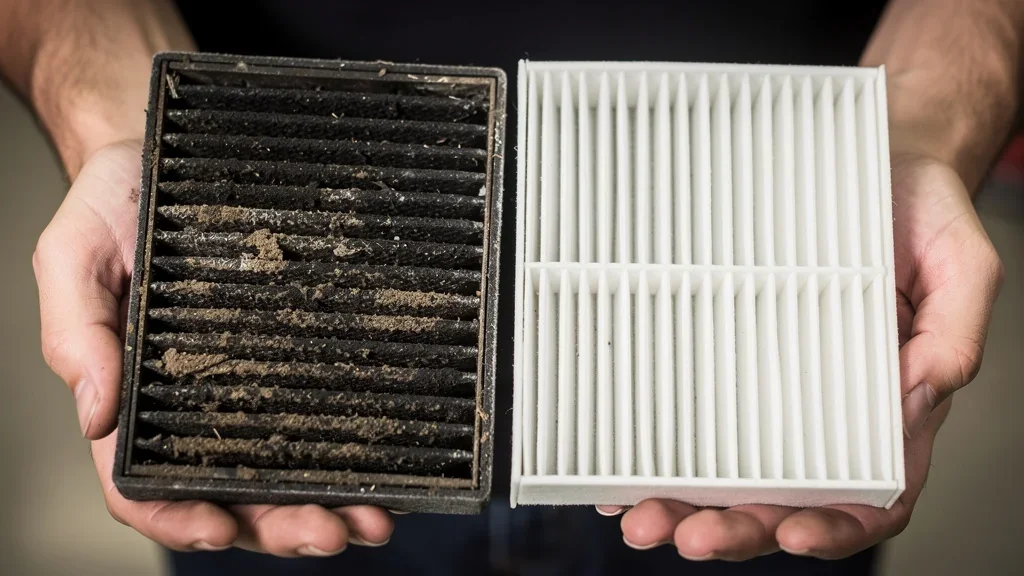
Upon inspecting the air filter, I was struck by its grimy appearance. Despite its condition, I thought a strong blast of air from my compressor would suffice to clean it. I aimed directly into the folds without removing it from its housing, and for a moment, it appeared cleaner.
However, the initial improvement was short-lived. The car's performance quickly declined; the engine felt sluggish, and I found myself pressing harder on the accelerator to achieve the same response. There were no warning lights on the dashboard, just a growing sense of frustration as I tried to attribute the lack of power to external factors like the weather or my mood.
The Disheartening Discovery
Three weeks later, I finally removed the air filter for a thorough inspection. To my dismay, the filter was in worse shape than I had anticipated. The folds were dull, and I noticed a small accumulation of dust around the seal. It was a stark reminder of my previous attempts to clean it, which had only smoothed the surface while the fine dust remained trapped within the folds.
The air pressure from the compressor had likely damaged the filter material, leading to micro-tears that were not immediately visible. This compromised the filter's ability to allow clean air to flow while retaining dust where it shouldn’t be.
The Costly Consequences
The estimate from Garage du Pont-Neuf was a harsh wake-up call. The total cost, which included diagnostics, early replacement of parts around the intake, and labor, reached 1,200 euros. What began as an attempt to save a small amount had spiraled into a significant expense. The garage kept my car for nine days, disrupting my schedule and forcing me to reschedule appointments.
The inconvenience was as frustrating as the financial impact. I spent an evening making phone calls, arranging for the garage visit, and endured multiple trips to pick up my car. As someone with a busy work schedule, these interruptions proved to be quite disruptive. I even lost half a day dealing with a loaner vehicle that felt entirely unfamiliar.
In the weeks that followed, I noticed a decline in performance even before the situation reached a critical point. The car felt less responsive, the intake noise had changed, and I had been driving for 6,000 km with what felt like a clogged filter. Fuel consumption increased by 0.4 liters per 100 km, a seemingly small amount but noticeable at the pump. I had been driving around with a nagging worry about a simple issue that could have been addressed easily.
Reflecting on What Went Wrong
Looking back, I realized that a heavily soiled filter should not be treated lightly with compressed air. The filter I had attempted to clean should have been discarded rather than salvaged. The removal process was straightforward, requiring only a few clips and a new filter to be inserted properly.
The signs of trouble were evident: the dull folds, the ash-colored dust, and the small ridge on the seal. I should have paid more attention to the slight whistling sound that emerged after my hasty reassembly. Dismissing it as inconsequential was a mistake.
Now, I keep a spare filter in the trunk alongside my toolbox and check the air box during every oil change. I’ve learned to recognize the signs of a poorly fitted filter. Should I ever see a dusty engine side again, I’ll know that something went wrong during assembly. And if the intake noise changes, I won’t wait 6,000 km to figure it out.
In hindsight, I should have found my situation amusing, as it was rather absurd. For someone who is willing to discard a dirty filter instead of attempting to fix it, the cost remains manageable. Instead, I opted for the compressor, mistakenly thought I was saving money, and ultimately spent 1,200 euros at Garage du Pont-Neuf for a preventable mistake. If only I had stopped the air blast before it reached the folds.