Mercedes GLE 350 de: Reliability Insights and Maintenance Guide
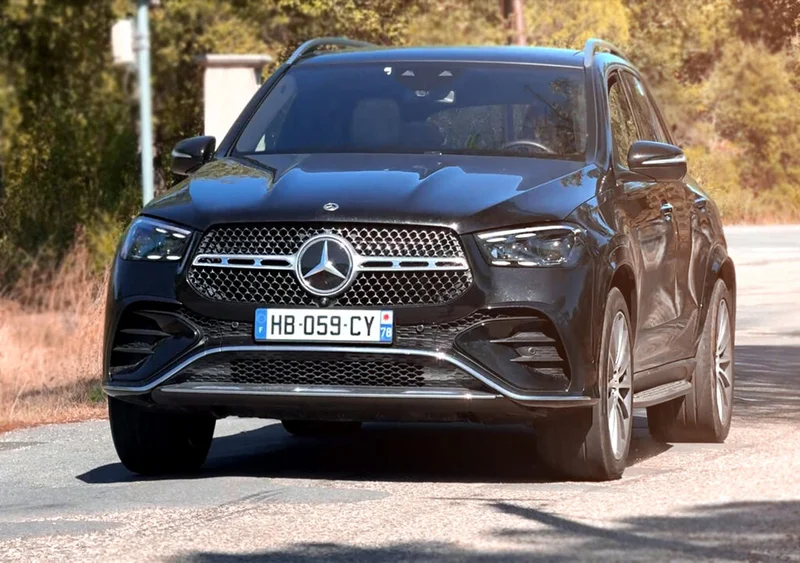
The Mercedes GLE 350 de, produced from 2022 to 2025, is a premium SUV featuring a 2.0 L diesel engine, electric motor, and a 25 kWh rechargeable battery. This hybrid system raises reliability questions, particularly regarding its electrical components.
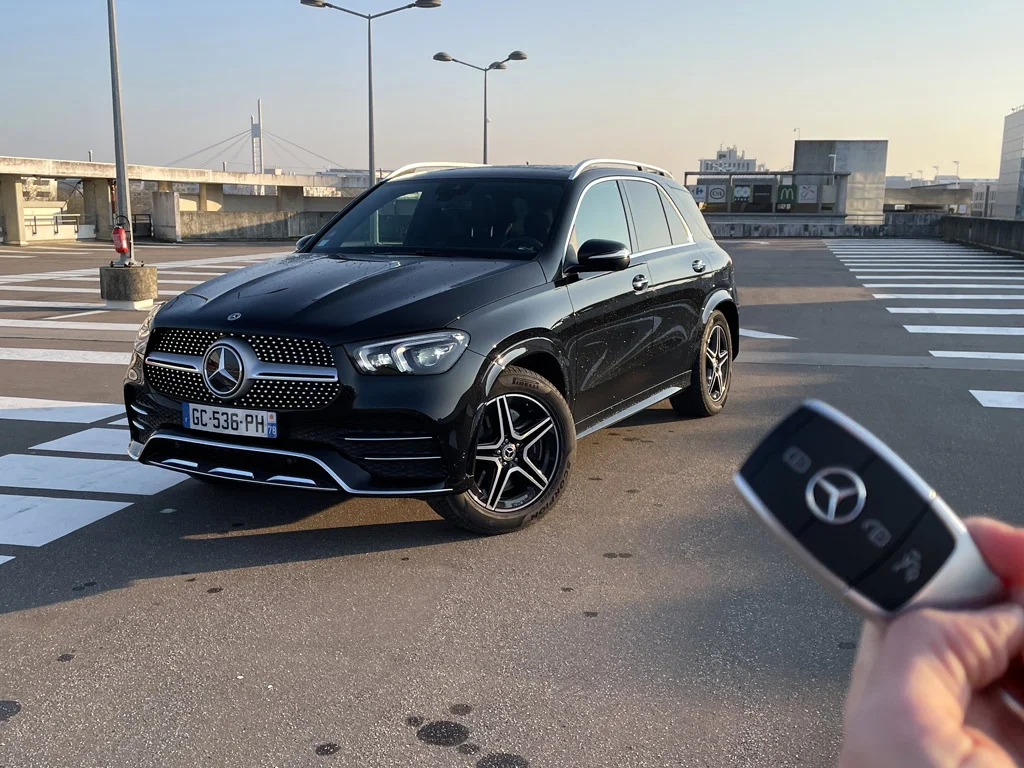
The Mercedes GLE 350 de, available from 2022 to 2025, is a premium SUV featuring a 2.0 L four-cylinder diesel engine paired with an electric motor and a 25 kWh rechargeable battery. This plug-in hybrid electric vehicle (PHEV) is known for its comfort and efficiency, yet it raises concerns regarding reliability, particularly in its electrical and electronic components.
Mercedes-Benz
In this article, we will explore the key reliability factors of the Mercedes GLE 350 de plug-in hybrid, necessary battery checks, and a summary table based on mileage milestones.
Test Drive Video: Mercedes GLE 350 de – Fuel Consumption and Range of this Plug-in Hybrid Diesel SUV
The Mercedes GLE 350 plug-in hybrid combines a modern thermal engine with a powerful electric motor. While it generally demonstrates reliability, it requires diligent maintenance and careful monitoring of the batteries (high voltage and 12V auxiliary). Common issues reported include problems with the onboard electronics and a gradual decrease in battery range.

Key Reliability Factors
High Voltage Battery
- Check the state of health (SOH) with a dealership diagnostic.
- Compare displayed range with actual range.
- Verify proper charging acceptance from both charging stations and home outlets.
- Monitor thermal management and watch for error messages.
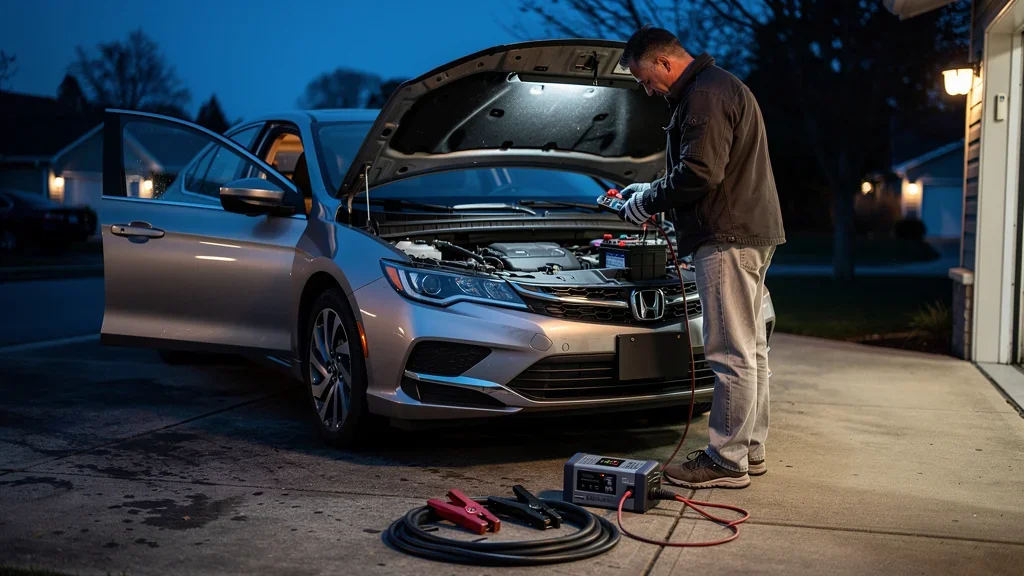
12V Auxiliary Battery
- May wear out prematurely with short trips.
- Check voltage at rest and during charge.
- Monitor for parasitic drains (electric consumption when stopped).
- Consider preventive replacement after 3 to 5 years depending on usage.
Electronics and Software
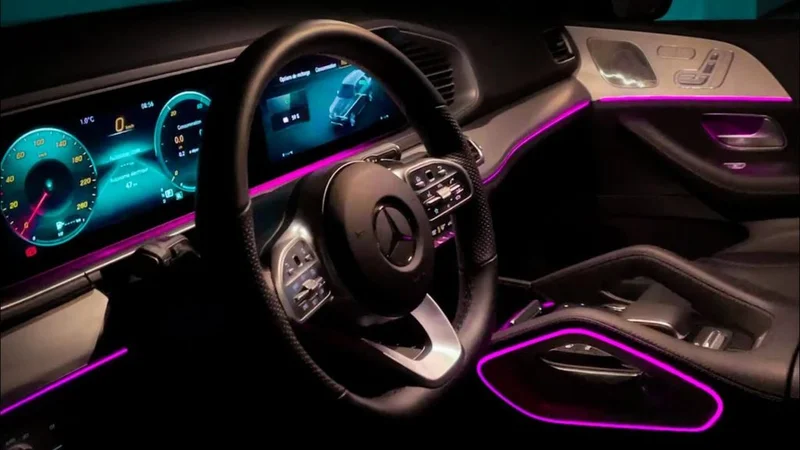
- Regular updates for the MBUX system and control units are essential.
- Ensure proper functioning of driving assistance features and sensors.
- Test all electrical functions (doors, trunk, heated seats, air conditioning).
Transmission and Hybrid System
- Monitor the thermal to electric transition: it should be smooth.
- Look for any jolts or power loss.
- Check the update history of the 9G-Tronic automatic transmission.
Thermal Management
- The hybrid system requires precise cooling management.
- Watch for any abnormal overheating and check coolant levels.
- Inquire about any interventions on the thermal circuit.

Test Drive Checklist
- Perform a complete charge cycle and compare actual range.
- Test charging at public stations and home outlets.
- Observe the switch from electric to thermal mode.
- Ensure no warning lights or error messages appear.
- Test regenerative braking and driving comfort.
- Check all electrical functions of the vehicle.
Detailed Battery Checks
High Voltage Battery
- SOH diagnostic at an authorized Mercedes workshop.
- Verify actual range versus displayed range.
- Check charging on various outlets and stations.
- Inspect the battery cooling system.
- Look for signs of infiltration or corrosion on wiring.
12V Battery
- Voltage at rest: 12.4 – 12.7 V.
- Voltage with engine running: 13.7 – 14.7 V.
- Check for corrosion on terminals and cables.
- Replace if signs of weakness are evident.
Mileage Summary Table
| Mileage / Age | Expected Reliability | Checks and Maintenance | |-----------------------|--------------------------|----------------------------------------------------| | 0 – 30,000 km (0–3 years) | Generally in excellent condition | High voltage battery check, software update, 12V battery test, routine maintenance | | 30,000 – 60,000 km | Electric range may slightly decrease, possible 12V wear | SOH battery check, cooling inspection, brake and suspension check | | 60,000 – 100,000 km | Increased risk of mechanical and electronic wear | Complete hybrid diagnostic, replace 12V battery if necessary, check HV connectors | | 100,000 – 150,000 km | More pronounced wear, electronics may be unstable | HV pack check, suspension maintenance, replace major wear parts | | +150,000 km | Highly dependent on maintenance history | Complete HV diagnostic, assess total ownership costs, check battery warranty |
Practical Tips Before Purchase
- Request the complete maintenance and charging history.
- Ensure all software updates have been completed at a dealership.
- Test the vehicle in various driving modes.
- Check the remaining warranty on the high voltage battery.
- Have a complete diagnostic performed by a Mercedes specialist.
Conclusion
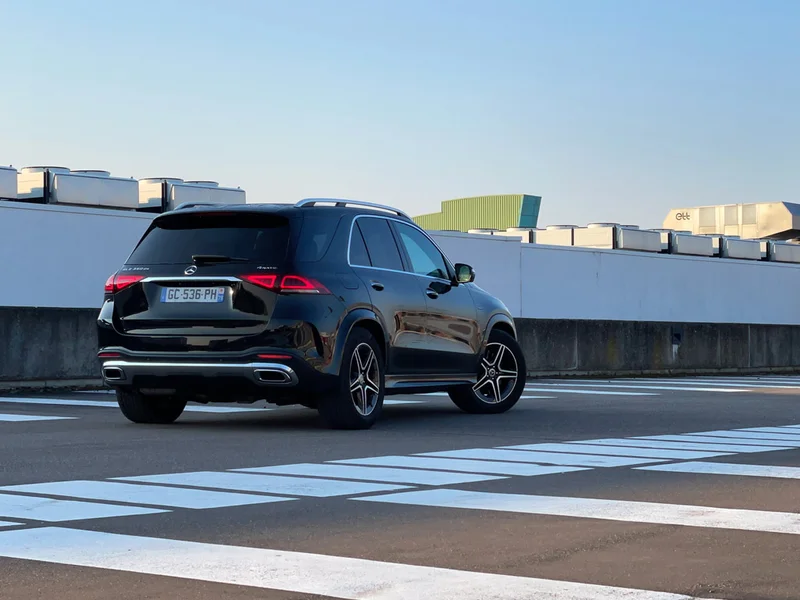
The Mercedes GLE 350 plug-in hybrid (2022–2025) stands out as a well-rounded premium SUV, delivering comfort, performance, and efficiency. Its reliability is generally good if maintenance is closely followed, but attention must be paid to the high voltage battery, the 12V battery, and onboard electronics.
A well-maintained vehicle with regular updates can maintain strong reliability, while a neglected model may lead to significant costs. When considering a purchase, prioritize a well-documented vehicle with an up-to-date battery diagnostic.
SUV and Crossovers